
Used 1990 Commercial Trucks For Sale
Shop used 1990 trucks for sale, including highway and vocational models. Compare engines, drivetrains, wheelbases, cabs, and restoration potential.
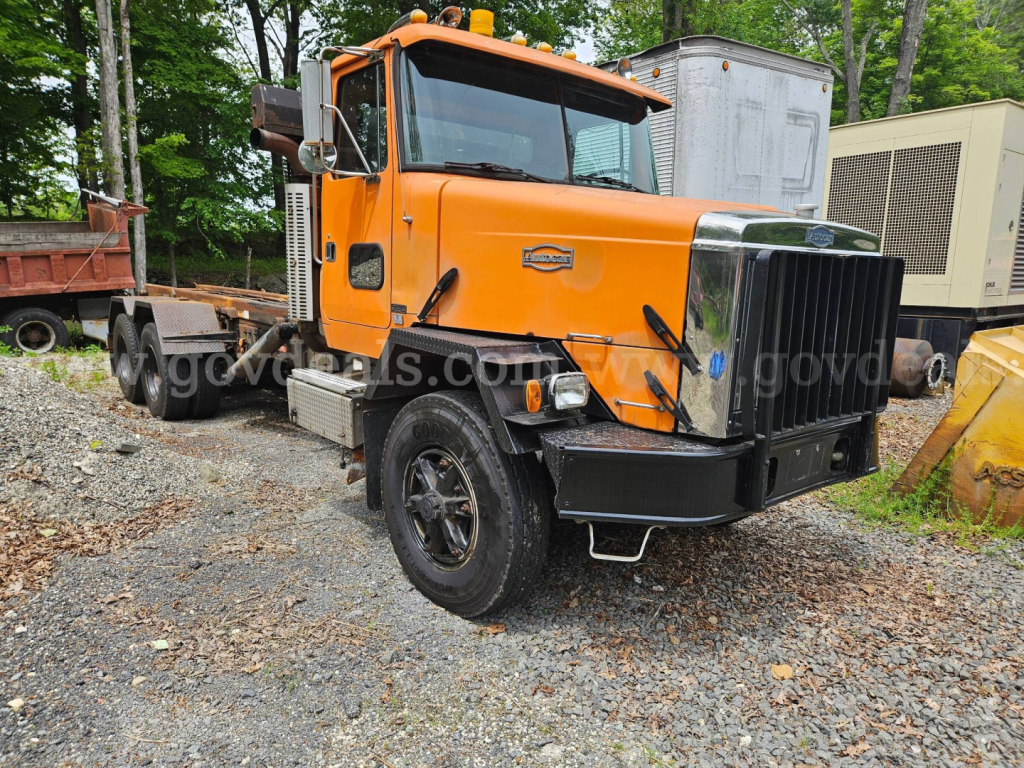
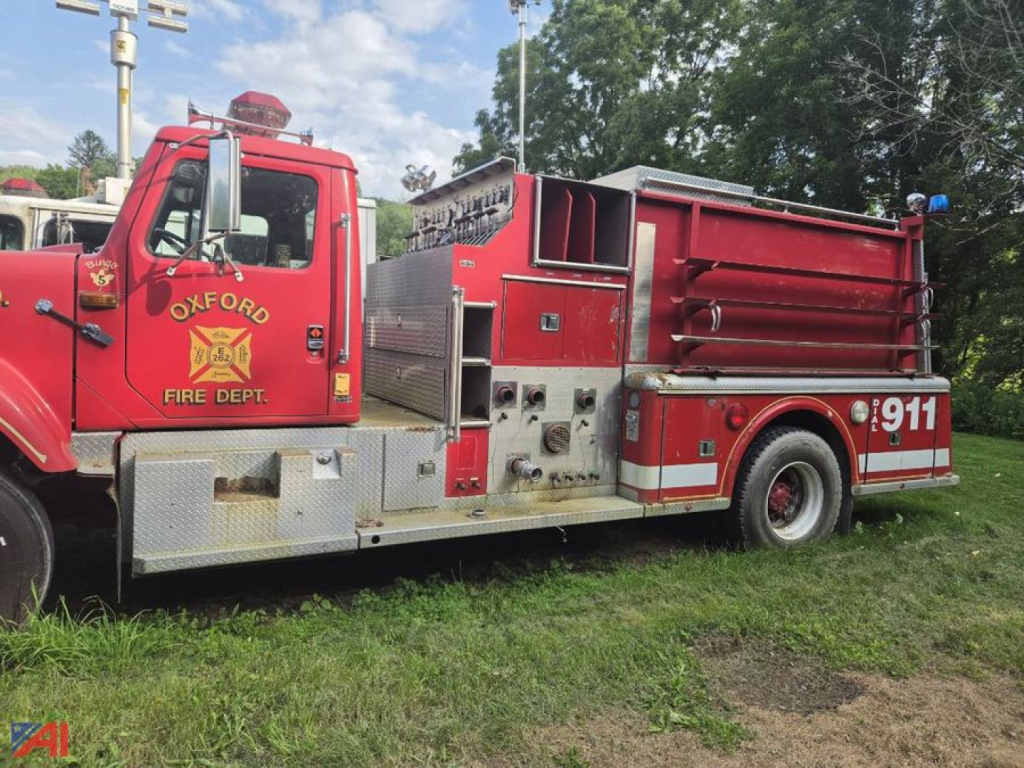
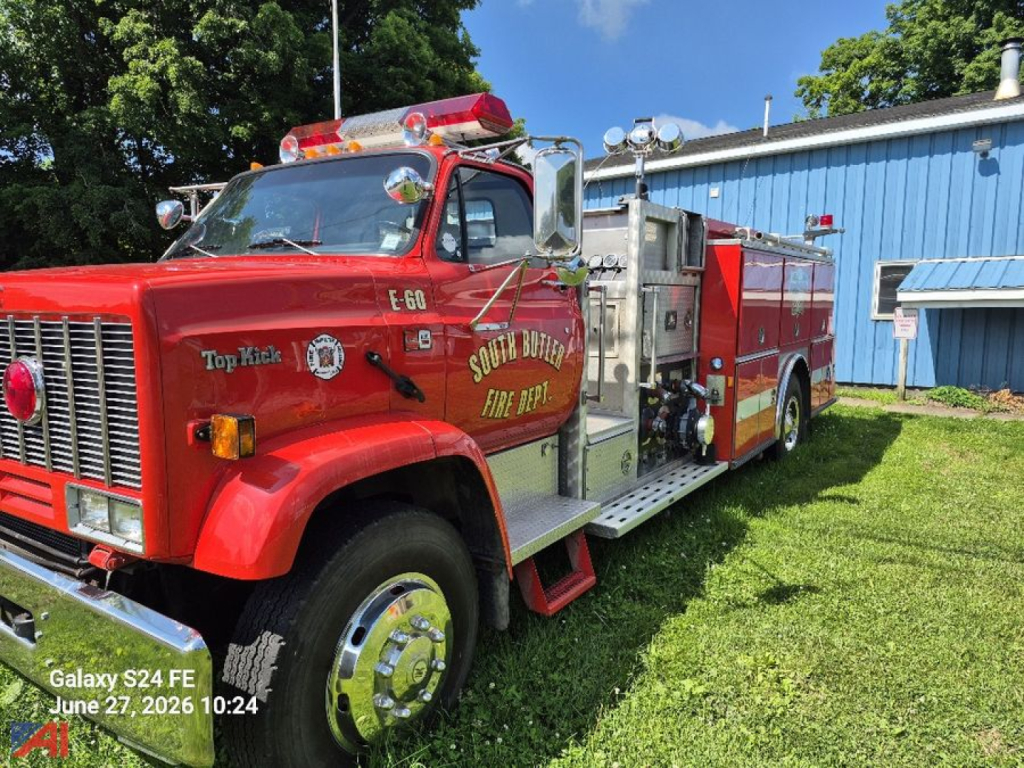
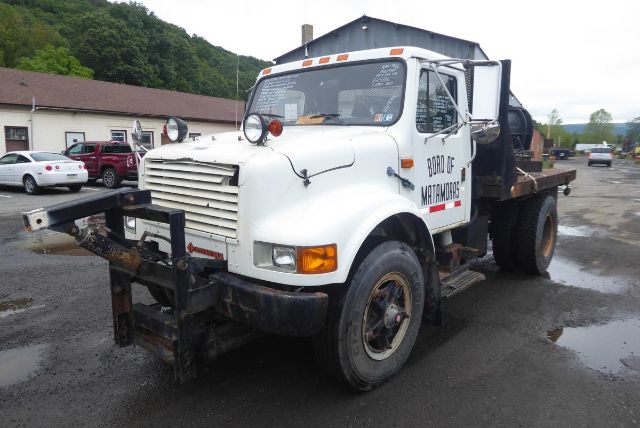
Have used 1990 commercial truck to sell? List it here to reach thousands of buyers.
Used 1990 Commercial Trucks
The first decision is usually truck type and operating environment. Some 1990 trucks are conventional road tractors with day cabs or sleepers, while others are straight trucks, dump trucks, grain trucks, service trucks, or other vocational chassis. Buyers should pay close attention to axle configuration, GVWR, wheelbase, suspension type, and brake setup. Mechanical diesel engines from this era are often valued for straightforward diagnostics and fewer emissions-related components, but they can vary widely in cold-start behavior, fuel economy, and drivability. Transmission choice is also a major factor, with many trucks from this period carrying manual gearboxes that remain attractive for buyers who want proven driveline components and lower electronic complexity. Rear axle ratio, tire size, and transmission gearing should be reviewed together, especially if the truck will see highway miles rather than yard, farm, or short regional work.
Condition matters more on a 1990 truck than brand badge alone. Frame condition, corrosion, cab mounts, suspension wear, steering play, brake system integrity, and evidence of prior engine or transmission work can tell you more than odometer readings that may no longer reflect total chassis life. Buyers should inspect for oil leaks, blow-by, cooling system condition, driveline vibration, uneven tire wear, and the quality of any wiring repairs or add-on equipment installation. If the truck is a tractor, confirm fifth wheel function, kingpin setting compatibility, and usable wheelbase for the trailer lengths you intend to pull. If it is a straight truck or vocational unit, body condition, PTO operation, hoist performance, and hydraulic system health are just as important as engine performance. Older trucks can be excellent candidates for lighter-duty seasonal use, but deferred maintenance tends to be expensive when multiple systems need attention at once.
A used 1990 truck is often best purchased by someone who knows exactly how it will be used and what level of upkeep they can support. These trucks can still make sense for private fleets, owner-operators with in-house mechanical capability, agricultural operations, and buyers seeking older pre-emissions equipment for off-road or limited-mile applications. Before buying, verify VIN data, title status, brake and tire compliance, local emissions exemptions, and parts availability for the engine, transmission, and suspension. The strongest value usually comes from a truck with a documented service history, a clean and straight chassis, and specifications that fit the job without requiring major conversion work.
Frequently Asked Questions about Used 1990 Commercial Trucks
Are used 1990 trucks still practical for commercial work?
Used 1990 trucks can still be practical for commercial work if the application fits the truck’s age, specification, and regulatory status. They are commonly used in farm service, local hauling, seasonal work, export markets, and vocational roles where annual mileage is limited and mechanical simplicity is valued. The key is confirming that the truck meets your state registration, safety, and emissions requirements and that its condition supports reliable operation without immediate major repairs.
What should I inspect first on a 1990 used truck?
Start with the frame, cab structure, engine condition, transmission operation, brake system, suspension, and steering components. On trucks of this age, rust, previous repairs, fluid leaks, cooling system problems, worn bushings, and wiring issues are often more important than cosmetic appearance. A road test and a cold start can reveal hard shifting, low power, smoke, vibration, and air system or brake concerns that may not be obvious when the truck is parked.
Do 1990 trucks usually have mechanical diesel engines?
Many 1990 trucks were built with mechanical or early electronic diesel engines, depending on make, model, and application. That is one reason these trucks remain attractive to some buyers, because they often have fewer emissions-related systems and can be easier to diagnose with conventional mechanical knowledge. Even so, buyers should confirm the exact engine model and fuel system, since parts support and service familiarity vary widely by manufacturer and engine family.
Is mileage reliable on a used 1990 truck?
Mileage on a used 1990 truck should be treated as only one data point. Older trucks may have had instrument cluster replacements, engine rebuilds, odometer changes, or long periods of low-use storage, so the reading does not always reflect total wear across the chassis. Service records, engine overhaul documentation, visible wear patterns, and a full mechanical inspection usually provide a better picture of actual condition than the odometer alone.
What buyers get the best value from a used 1990 truck?
The best value usually goes to buyers who have a clear use case and access to mechanical support. That includes farms, municipalities, contractors, equipment movers, exporters, and owner-operators who understand older drivetrains and can handle preventive maintenance. A used 1990 truck is rarely the right choice for a buyer who needs modern comfort, fleet-standard telematics, or minimal downtime without any in-house repair capability.