
Truck and Trailer Trucks For Sale
Truck and trailer combos, key specs for payload, floor strength, thermal integrity, tare weight, corrosion resistance, and matching tractor fit specs.
Learn moreBrowse Truck and Trailer Trucks by Make
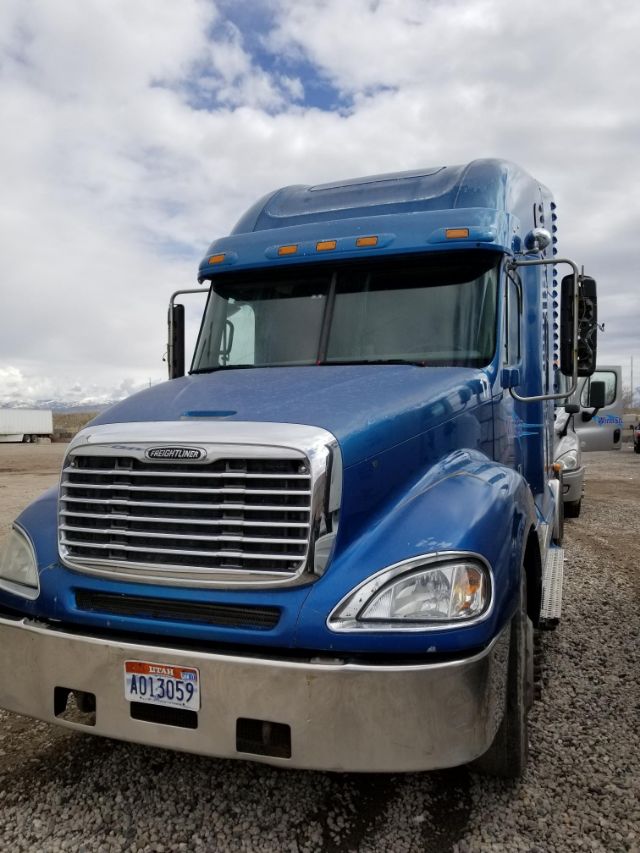
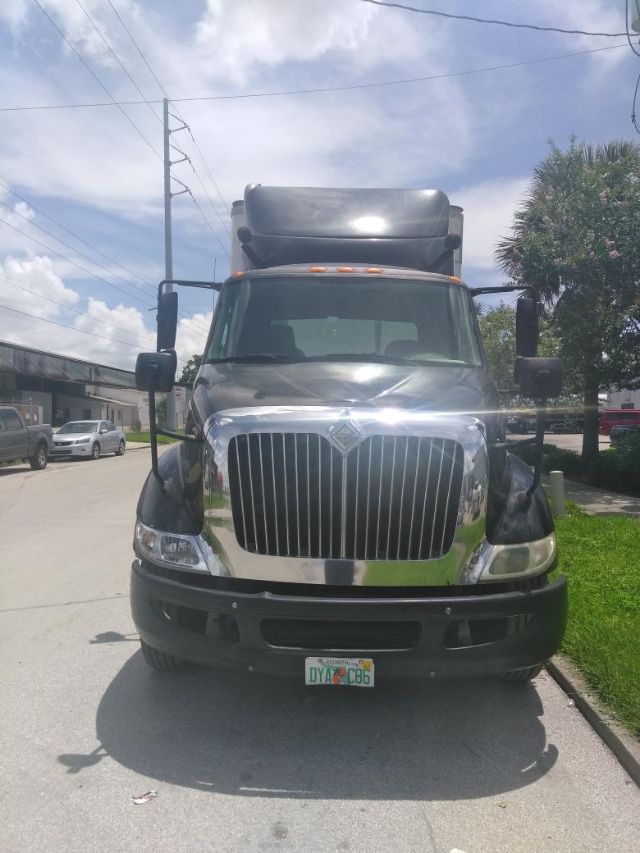
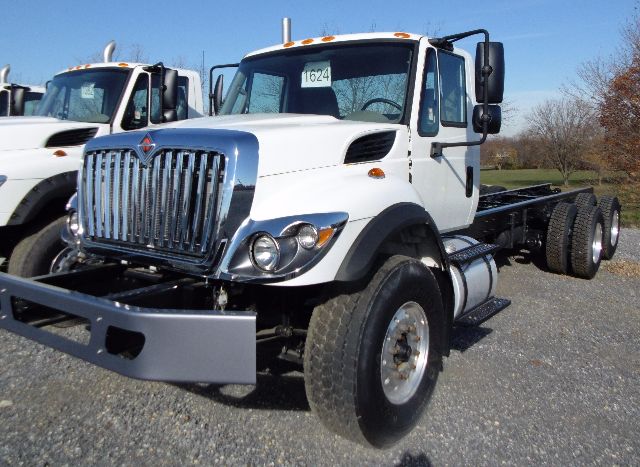
Showing 13 to 16 of 16 results
Have truck and trailer truck to sell? List it here to reach thousands of buyers.
About Truck and Trailer Trucks
Floor strength determines what you can load and how long the box or deck will last. Dry van and reefer floors should list forklift axle ratings and crossmember spacing, 16 inch is common, 12 inch or closer is better for heavy cube freight. Laminated hardwood with aluminum threshold plates resists point loads, extruded aluminum plank floors cut tare but need proper scuff liners to protect sidewalls. Flatbeds and step decks publish concentrated load ratings, for example 50,000 pounds in 4 feet, verify beam depth, flange thickness, and kingpin section. Dump trucks with pups benefit from AR450 or AR500 steel floors in 3/16 to 1/4 inch thickness, or aluminum for lighter aggregates, watch for high wear zones around the tailgate and hoist mounts.
Thermal integrity is critical when the combination includes a refrigerated trailer or insulated box. Look for foam in place insulation with intact vapor barriers, tight door seals, and continuous scuff and floor liners that prevent thermal bridging. Air chutes, return air management, and well placed sensors stabilize temperature, while multi temp bulkheads and remote telematics help manage different setpoints. Swing doors seal better and preserve opening height, roll ups speed city deliveries but add leakage paths, select according to stop profile. Floor designs such as duct floors improve airflow under pallets, flat floors simplify sanitation, confirm drain design and cleanability.
Corrosion resistance affects service life and resale, especially in snowbelt and coastal lanes. Galvanized or e coated crossmembers, slider boxes, and landing gear resist road salt, stainless fasteners and sealed harnesses prevent green wire failures, and aluminum components cut rust exposure. Tire inflation systems protect casings and reduce heat, air disc brakes resist fade and can shed corrosion better than drums, and air ride suspensions limit shock loads into the frame and floor. Verify brake and ABS power at the 7 way and ISO socket, check line sets and gladhands for chafing, and choose wheel finishes and undercoatings that match your wash and chemical exposure routine.
Frequently Asked Questions
How do I match a tractor to a trailer in a truck and trailer combination?
Start with GCWR and axle ratings to ensure the tractor can legally pull the loaded trailer. Confirm fifth wheel height against trailer ride height so the combination runs level, then check kingpin settings and tractor wheelbase for swing clearance around cab extenders. Verify 7 way and ISO ABS power, gladhand hose lengths, and slack for turns. For straight truck and pup, size the pintle hook and drawbar, confirm air service and emergency lines, and make sure trailer brakes balance with the truck so stopping remains stable.
What floor construction is best for heavy forklift loading?
Look for published forklift axle ratings and closer crossmember spacing, 12 inch or tighter under vans and reefers. Laminated hardwood floors with aluminum thresholds handle edge impacts well, while extruded aluminum plank floors save weight but rely on proper scuff liners and logistics posts to keep sidewall impacts off the floor. In flats and steps, compare concentrated load ratings such as 50,000 pounds in 4 feet, deeper main beams and thicker flanges control deflection. For dumps, AR450 or AR500 floor plate in 3/16 to 1/4 inch handles abrasion, with additional wear plates at the tailgate and hoist saddle.
How can I reduce tare weight without sacrificing durability?
Target high value weight savers that keep structure intact. Aluminum wheels, air tanks, and fifth wheel top plates can remove hundreds of pounds, while composite or aluminum scuff liners and plates control interior wear without extra steel. Thin wall sheet and post vans trim weight but repair differently than plate sidewalls, consider repairability in your lanes. Wide base singles lower tare and rolling resistance, confirm axle and wheel ratings and evaluate traction and tire availability for your region. Balance weight savings against floor ratings, crossmember spacing, and suspension capacity so payload and uptime are not compromised.
What defines strong thermal integrity in a refrigerated truck and trailer set?
Continuous, well bonded foam in place insulation with intact vapor barriers, sealed seams, and tight door gaskets preserves setpoint and reduces engine hours. Air chutes and return air channels prevent short cycling at the unit, while multi temp bulkheads, insulated side doors, and data logging keep mixed loads stable. Swing doors leak less and maintain opening height, roll ups speed deliveries but increase infiltration, pick based on stop density. Inspect floor design for airflow and drainage, and review reefer capacity, standby options, and telematics for temperature assurance and compliance reporting.
What corrosion protection matters for snowbelt or coastal operation?
Prioritize hot dip galvanized or e coated crossmembers, slider rails, and landing gear, stainless or zinc nickel fasteners, and sealed, molded wiring harnesses with protected junctions. Aluminum subframes, wheels, and air tanks resist rust, but dissimilar metal interfaces need isolation washers. Specify undercoating and cavity wax where allowed, add mud flap anti spray to reduce brine, and wash on a set schedule. Tire inflation systems, air disc brakes, and sealed hubcaps help contain corrosion related failures, and periodic inspection of the rear frame, kingpin area, and slider box prevents costly structural repairs.