
Truck and Trailer Trucks For Sale in New York
Browse truck and trailer combinations for hauling, heavy haul, reefer, and specialized work with key specs, drivetrain, and trailer pairing insights.

Selling a truck and trailer truck? List your truck and trailer truck for sale and reach thousands of commercial buyers.
Truck and Trailer Trucks in New York
For linehaul truck and trailer packages, drivetrain specs usually drive long-term profitability. Common factors include engine horsepower and torque, transmission type, rear axle ratio, fuel capacity, and suspension. A tandem-axle sleeper tractor with a 13-speed manual or automated manual transmission and a 70,000 to 80,000 lb GCWR setup is typical for general freight and refrigerated service. Reefer combinations add another layer of inspection, including reefer unit hours, temperature pull-down performance, air chute condition, floor wear, and maintenance history. In New York, where routes can include dense urban delivery, toll roads, and seasonal weather, buyers also tend to pay close attention to turning radius, idle reduction equipment, corrosion, and tire condition across both truck and trailer.
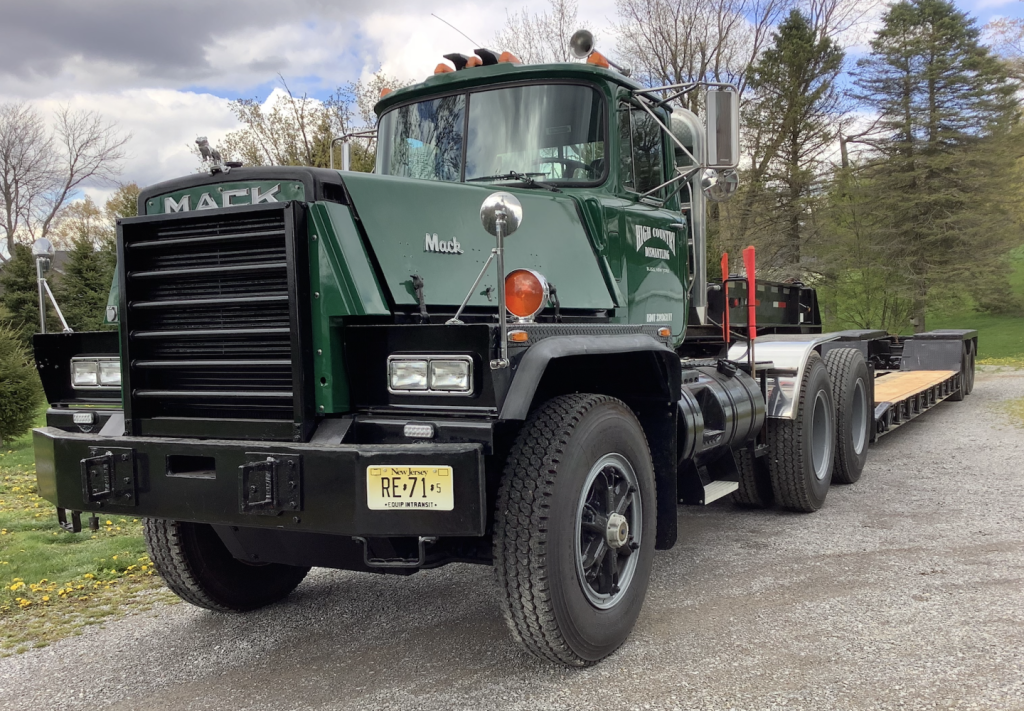
Severe-duty truck and trailer combinations deserve a different evaluation. A heavy-spec day cab or vocational truck paired with a lowbed or tag trailer may include a high-capacity fifth wheel, triple-frame construction, walking beam suspension, heavy rear axles, pintle hitch equipment, and PTO or wetline plumbing. These setups are often used for machinery transport, municipal support, construction work, or other specialized hauling where durability matters more than highway fuel economy. For this type of package, buyers should verify the truck’s frame and axle specs against the trailer’s rated capacity, confirm brake and suspension condition on both units, and make sure the hitch arrangement matches the intended load and trailer type.
Because truck and trailer packages are sold as paired equipment, service history and compatibility matter as much as headline specs. Check kingpin wear, slider function if applicable, brake balance, tire age, electrical connections, ABS status, and overall maintenance records for both pieces. A strong package is one where the tractor gearing, wheelbase, and axle setup complement the trailer’s length, weight distribution, and cargo demands. When the combination is correctly spec'd, it can reduce downtime, simplify compliance, and put a buyer into a ready-to-work hauling solution faster than sourcing truck and trailer separately.
Frequently Asked Questions about Truck and Trailer Trucks in New York
What should I look for first when buying a truck and trailer package?
Start with application fit. The truck’s horsepower, torque, axle ratings, wheelbase, fifth wheel or hitch setup, and suspension should match the trailer type and the freight you plan to haul. A reefer combination should be evaluated for temperature control and trailer condition, while a heavy-haul setup should be checked for frame strength, hitch capacity, hydraulic provisions, and axle capacity. The best package is one that is mechanically compatible and properly spec'd as a unit.
Is it better to buy a truck and trailer together instead of separately?
Buying them together can save time and reduce compatibility problems, especially when the tractor and trailer have already been working as a matched combination. It can also make it easier to verify how the setup performs in real service. The tradeoff is that one piece may fit your needs better than the other, so buyers should still inspect each unit independently for wear, maintenance history, and spec alignment.
What matters most on a reefer truck and trailer combination?
On a reefer package, look closely at the tractor’s reliability and fuel efficiency, then inspect the trailer and refrigeration unit in detail. Reefer unit hours, service records, compressor condition, temperature holding ability, door seals, insulated walls, floor condition, and air circulation components all affect performance. A reefer that can hold setpoint under load and a tractor that can run efficiently over long miles are the foundation of a profitable refrigerated setup.
How do I evaluate a heavy-duty truck and trailer combination for equipment hauling?
Focus on structure and capacity before cosmetics. Confirm the truck’s rear axle rating, suspension design, frame build, fifth wheel or pintle capacity, and the presence of PTO or wetline equipment if the trailer needs hydraulics. On the trailer side, check deck or well length, load angle, brake condition, tire condition, and the trailer’s rated carrying capacity. The truck and trailer should be matched so that legal capacity, balance, and braking are appropriate for the machinery or material being transported.
Are New York operating conditions important when choosing a truck and trailer setup?
Yes. New York service can involve tight city streets, bridge restrictions, winter road treatment, stop-and-go traffic, and mixed regional and interstate use. Buyers often prioritize maneuverability, corrosion condition, tire and brake health, and equipment that handles urban delivery or Northeast regional routes efficiently. For long-haul use, fuel capacity, sleeper comfort, and emissions system service history also become important decision points.