
Truck and Trailer Trucks For Sale in Florida
Browse truck and trailer trucks for sale in Florida, including road tractors, vocational setups, and heavy-duty units for regional and jobsite work.
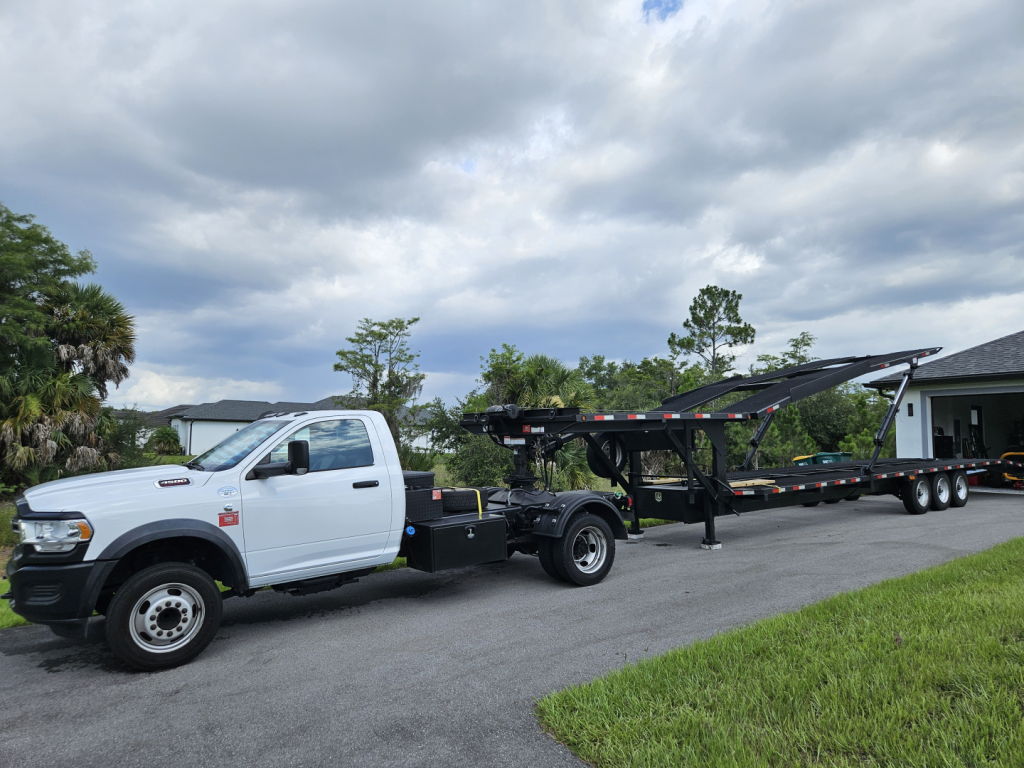
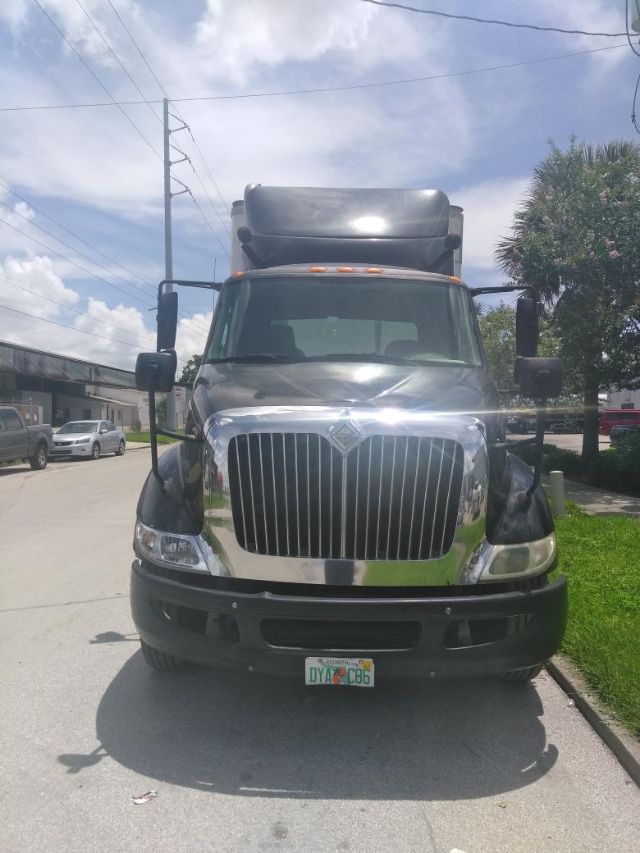

Selling a truck and trailer truck? List your truck and trailer truck for sale and reach thousands of commercial buyers.
Truck and Trailer Trucks in Florida
For over-the-road and regional freight, the big decision is usually drivetrain spec. A 400 to 500 horsepower diesel engine paired with an automated manual or full automatic transmission is common in late-model fleet tractors, while older vocational units may use Allison automatics for stop-and-go work and PTO applications. Buyers should look closely at rear axle ratio, wheelbase, fuel capacity, and suspension setup because those specs affect payload, turning radius, ride quality, and fuel economy. Air ride suspensions are popular on highway tractors for ride and cargo protection, while heavier vocational trucks may prioritize front axle capacity, double-frame construction, and more rugged rear suspensions.
Florida operating conditions make cooling system health, air conditioning performance, tire condition, and corrosion prevention more important than many first-time buyers expect. A truck that spends time in coastal areas can show rust on frames, hardware, wiring connections, and trailer interface components even when the cab looks clean. If the truck will pull regularly at higher combined weights, check GCWR, fifth wheel condition, sliding fifth wheel travel, kingpin setting compatibility, brake history, and whether the engine brake is strong and functioning properly. For sleeper tractors, cab comfort still matters, but uptime items such as aftertreatment condition, transmission service records, steer axle wear, and suspension bushings usually matter more to total operating cost.
A good truck and trailer setup should match the lane, the trailer, and the revenue model. Day cabs make sense for port work, short regional turns, and dedicated local hauling. Sleeper tractors fit longer Florida-to-Southeast lanes and teams. Vocational truck and trailer combinations, including dump and equipment hauling applications, need buyers to focus on axle spread, legal weight distribution, PTO compatibility, and frame integrity. Across this category, the smartest comparisons are not just age and mileage. They are spec, maintenance history, prior application, and how well the truck is matched to the trailer it is expected to pull.
Frequently Asked Questions about Truck and Trailer Trucks in Florida
What is considered a truck and trailer truck?
A truck and trailer truck is generally a heavy-duty truck designed to pull a separate trailer through a fifth wheel or hitch system. In most commercial listings, this includes semi tractors, sleeper tractors, day cabs, and some vocational trucks used with dump, equipment, or specialty trailers. The key difference is that the cargo or work platform is carried on a separate trailer rather than permanently mounted to the truck chassis.
What specs matter most when buying a used truck and trailer truck in Florida?
The most important specs are engine horsepower, transmission type, axle ratings, suspension, wheelbase, rear axle ratio, fuel capacity, and GCWR. In Florida, buyers should also pay close attention to air conditioning performance, cooling system condition, tire age, and any corrosion from coastal use. The right spec depends on the trailer type, average gross combination weight, route length, and whether the truck will run local, regional, or long haul.
Is an automatic transmission a good choice for a truck and trailer application?
An automatic or automated transmission is a strong choice for many truck and trailer operations because it reduces driver fatigue, improves consistency across multiple drivers, and works well in traffic-heavy regional or urban service. It is especially useful in Florida lanes with congestion, port work, and frequent stops. The better question is whether the transmission is matched correctly to the engine torque, axle ratio, and intended load.
Should I choose a day cab or a sleeper tractor?
A day cab is usually the better fit for local hauling, short regional routes, and operations that return to base daily. A sleeper tractor is more practical for longer runs, teams, and freight lanes that require overnight rest. Buyers should compare not just cab style, but also frame length, fuel tank capacity, storage, weight, and how the cab configuration affects overall operating cost and trailer compatibility.
How do I know if a truck is properly matched to the trailer it will pull?
Start with GCWR, fifth wheel capacity, axle ratings, wheelbase, and rear axle ratio. Then confirm the truck's fifth wheel position and frame layout work with the trailer's kingpin setting, landing gear clearance, and load distribution. For heavier or vocational applications, also verify PTO needs, brake capacity, suspension durability, and local bridge law or weight compliance. A truck that is under-spec'd or poorly matched to the trailer will cost more in fuel, tires, repairs, and downtime.