
Used Hino Tow Trucks For Sale in Florida
Used Hino tow trucks for sale in Florida, including rollback and car carrier configurations with diesel power, air brakes, and medium-duty GVWRs.
No exact matches found for your search
Showing Used Tow Trucks instead.

Have used hino tow truck to sell? List it here to reach thousands of buyers.
Used Hino Tow Trucks in Florida
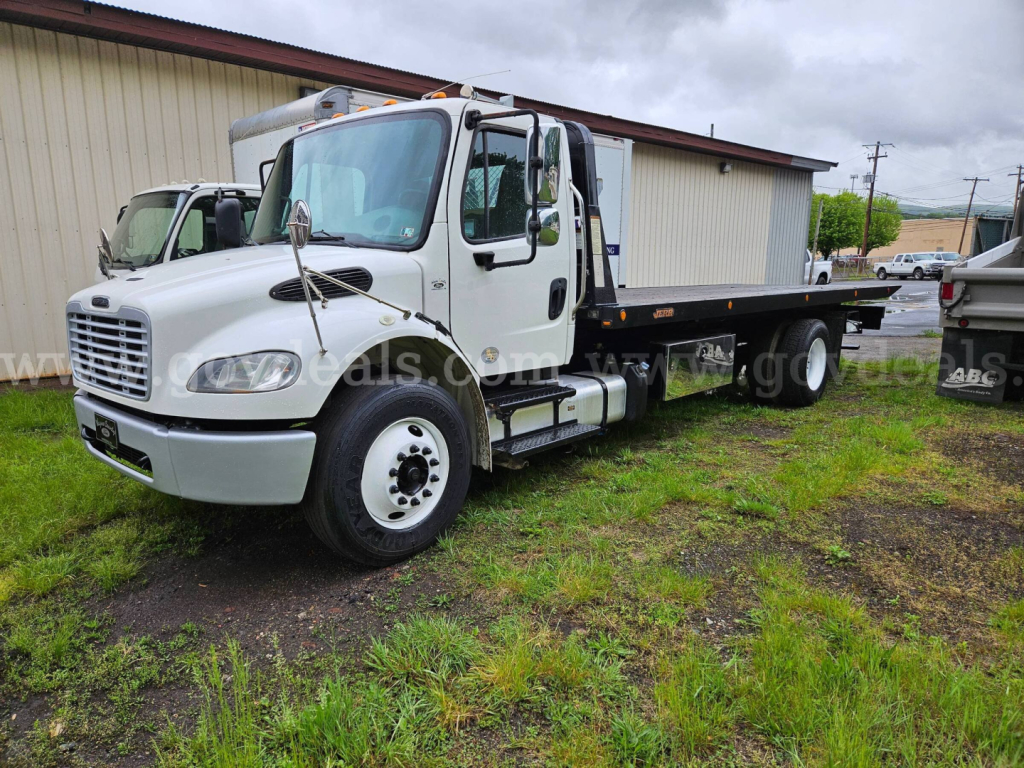
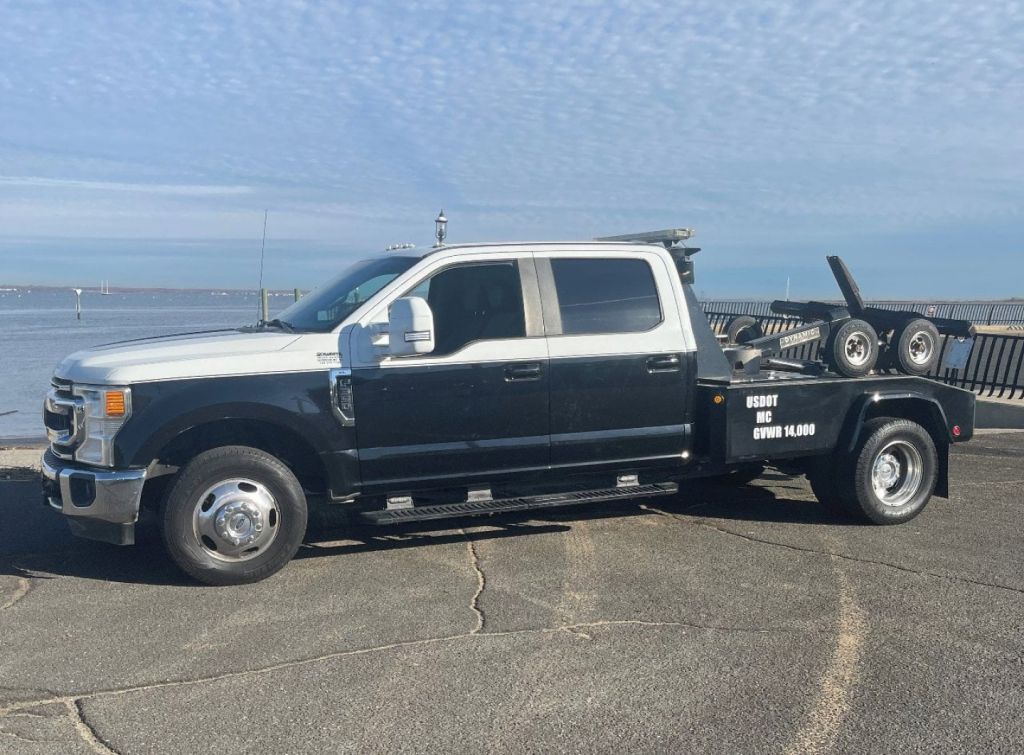
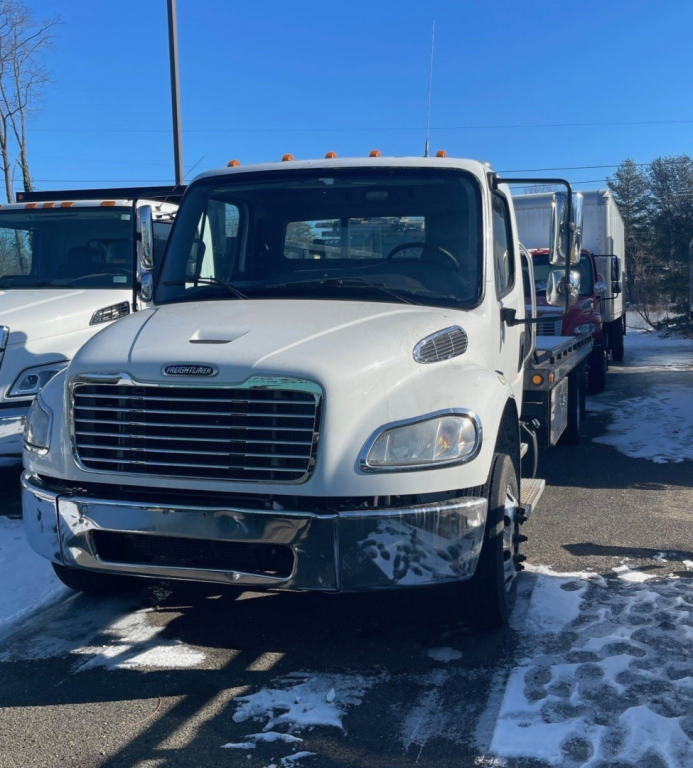
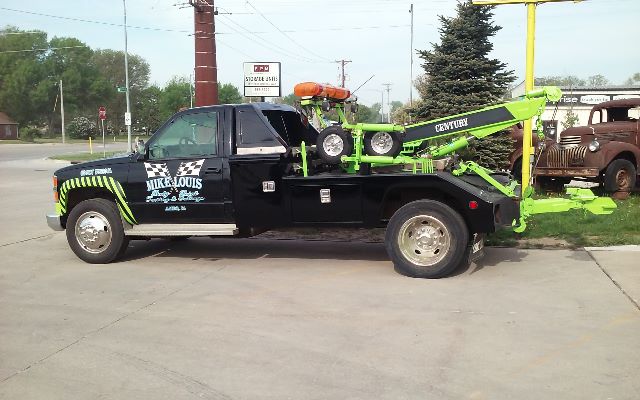
The upfit matters as much as the chassis. Many used Hino tow trucks in this class are equipped as rollback carriers, also known as car carriers or rollback flatbeds, with 20 to 21 foot steel decks, 102-inch deck width, stationary pylons, and 6-ton carrier ratings. Extra low profile decks are especially useful for low-clearance vehicles, specialty cars, and damaged units that need a shallower load angle. Buyers should pay close attention to winch rating, wheel-lift capacity, L-arm setup, deck floor condition, rail design, toolbox placement, and hydraulic performance. A clean chassis with a newer Jerr-Dan or Century body can be a strong value if the bed, cylinders, hoses, and controls have been maintained correctly.
On a used Hino, service history is a major buying point. Fleet-maintained off-lease chassis can be attractive because oil changes, brake work, tires, and suspension service are often documented. Check engine hours if available, confirm transmission operation under load, and inspect for corrosion around the carrier subframe, bed pivots, crossmembers, and wheel-lift structure. In Florida, sun exposure and coastal humidity make cab paint condition, wiring integrity, light bar operation, and hydraulic hose age worth a closer look. Air brake performance, steer tire wear, and signs of frame modification should also be reviewed before purchase.
Cab spec can make a real difference for a truck that runs daily. Power windows and locks, heated mirrors, air ride seating, aluminum wheels, and weatherband-capable radios are common features on later used Hino tow trucks, and they add comfort for operators spending long hours on local calls. For most buyers, the best unit is not just the newest chassis. It is the truck with the right deck length, low approach angle, dependable hydraulics, legal weight rating, and an upfit matched to the type of vehicles being moved. If the primary work is passenger cars and light trucks, a medium-duty Hino rollback with a 3,500-pound wheel lift and 8,000-pound class winch is often the practical sweet spot.
Frequently Asked Questions about Used Hino Tow Trucks in Florida
What are the most common Hino tow truck configurations on the used market?
The most common used Hino tow trucks are medium-duty rollback carriers built on Hino 258 or 268 chassis. These are often equipped with 20 to 21 foot steel decks, 102-inch bed width, a stationary pylon, an 8,000-pound class winch, and a hydraulic wheel lift. This setup is designed primarily for transporting passenger cars, pickups, crossovers, and other light vehicles rather than heavy recovery work.
Is a Hino 258 or 268 a good choice for rollback towing?
Yes, the Hino 258 and 268 are widely used for rollback towing because they offer a practical mix of diesel torque, medium-duty chassis strength, and manageable size. GVWRs in the mid-25,000-pound range give enough capacity for a car carrier body while still keeping the truck suitable for city streets, dealership work, impound service, and general roadside transport. Buyers should still match the final truck to the body rating, deck length, and the weight of the vehicles they plan to haul.
What should I inspect first on a used Hino rollback tow truck?
Start with the carrier body and hydraulic system, because the upfit drives the truck's earning ability. Inspect the deck for rust, bends, cracked welds, and excessive wear at slide points. Check the winch, wheel lift, L-arms, hydraulic cylinders, hoses, controls, and lighting. On the chassis side, review service records, verify smooth Allison transmission shifting, inspect brake condition, suspension components, tires, and look closely at the frame and subframe mounting areas for damage, corrosion, or poor repairs.
Why does an extra low profile deck matter on a tow truck?
An extra low profile deck reduces the loading angle, which helps when picking up low-clearance cars, damaged vehicles, and units with limited ground clearance. It lowers the chance of scraping bumpers, spoilers, or underbody components during loading. For operators handling newer sedans, sports cars, and auction vehicles, an XLP-style deck can be a meaningful advantage over a standard carrier bed.
Are used Hino tow trucks in Florida different from trucks in other regions?
Florida trucks often have less exposure to road salt than northern units, which can be a benefit for frame and underbody condition. At the same time, heat, UV exposure, humidity, and coastal air can accelerate paint fade, wiring wear, hose aging, and corrosion on exposed metal components. Buyers in Florida should pay extra attention to cab finish, electrical connections, light bar function, hydraulic hose condition, and any rust beginning around the bed structure or wheel-lift assembly.