
New Ford Tow Trucks For Sale in Florida
Shop new Ford tow trucks for sale in Florida, including rollback carriers and self-loading wreckers on F-450, F-550, F-600, and F-750 chassis.
Learn more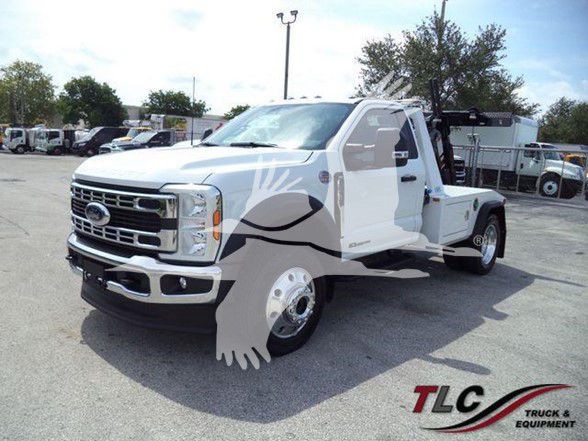
Have new ford tow truck to sell? List it here to reach thousands of buyers.
About New Ford Tow Trucks in Florida
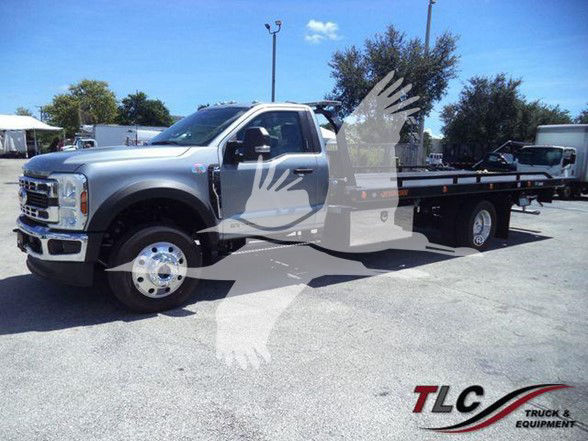
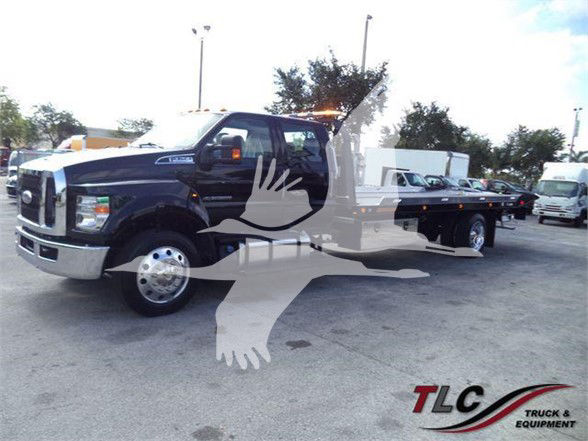
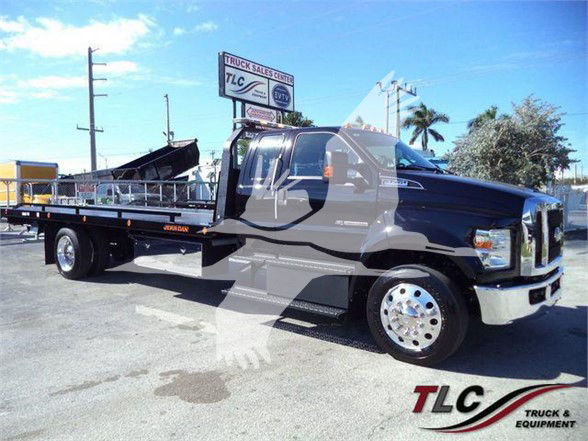
One of the biggest buying decisions is rollback versus wheel-lift wrecker. Ford rollback tow trucks, also known as car carriers or rollback flatbeds, are popular for moving cars, SUVs, light trucks, and equipment with less risk of driveline or bumper damage. Common setups include 20-foot to 22-foot decks, 102-inch bed width, extra low-profile decks, dual-angle or shark-style approaches, 6-ton bed ratings, 8,000-lb winches, and 3,500-lb hydraulic wheel lifts with L-arms. A low deck angle matters if you routinely load lowered cars, EVs, or vehicles with long overhangs. Aluminum blade rails, tool boxes, LED light bars, and work lights are also typical on new builds.
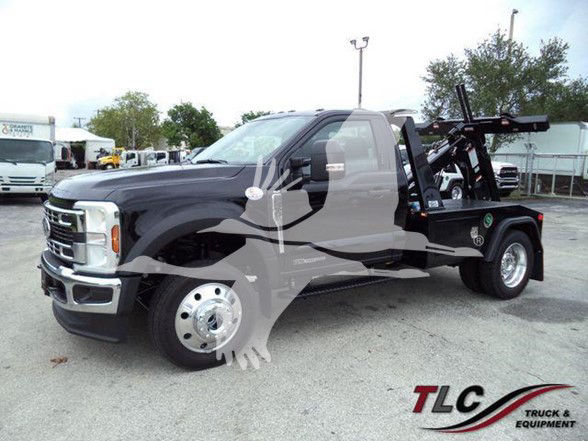
Ford self-loader wreckers are a different tool. On F-450 and similar chassis, an autoloader body is usually aimed at quick hook-and-go work, tight urban routes, private property impounds, and high-volume towing where speed matters. Buyers should look closely at drag winch capacity, wheel-lift geometry, rear axle ratings, and the actual working capacity once the body and accessories are installed. For rollback buyers, GVWR becomes especially important on F-550, F-600, and F-750 chassis because chassis rating, body weight, fuel, passengers, and tie-down gear all affect legal payload and what the truck can realistically carry.
A new Ford tow truck also deserves a close look at operating specs beyond the body. Florida operators may prefer 4x4 on F-450, F-550, or F-600 trucks for soft shoulders, storm response, and uneven recovery sites, while 4x2 can reduce weight and complexity for paved-road carrier work. Air brakes are more common as you move into F-750 territory, and larger 22.5-inch rubber can improve durability on heavier setups. Check wheelbase, turning radius, cab-to-axle dimensions, PTO compatibility, lighting package, storage layout, and bed manufacturer support before comparing listings. The right Ford tow truck is the one whose chassis, GVWR, body design, and recovery equipment match the type of calls you run every day.
Frequently Asked Questions
What Ford chassis are most common for new tow trucks?
The most common Ford tow truck chassis are the F-450, F-550, F-600, and F-750. F-450 and F-550 models are often used for light-duty wreckers and 20-foot rollback carriers. F-600 adds higher GVWR capacity while keeping a Super Duty-style platform, which makes it attractive for heavier car carrier applications. F-750 moves into true medium-duty territory with higher GVWR, larger tires, and available air brake setups for heavier rollback builds.
What is the difference between a Ford rollback tow truck and a self-loading wrecker?
A rollback tow truck uses a hydraulic tilting and sliding deck to load the entire vehicle onto the bed, which is ideal for all-wheel-drive vehicles, damaged vehicles, low-clearance cars, and general transport work. A self-loading wrecker, also called an autoloader or wheel-lift tow truck, lifts one end of the vehicle and tows it with the other axle on the ground. Self-loaders are faster for impounds, parking enforcement, and short-distance towing, while rollbacks usually offer more versatility and lower risk of vehicle damage.
What deck and wheel-lift specs are common on new Ford rollback tow trucks?
Many new Ford rollback tow trucks are equipped with 20-foot or 22-foot decks that are 102 inches wide. A 6-ton carrier rating is common in this class, along with extra low-profile or XLP deck designs to improve loading angle. Many units also include an 8,000-lb winch and a 3,500-lb hydraulic wheel lift with L-arms, which adds flexibility for recovery and secondary towing tasks. Exact usable capacity still depends on the final chassis, body, fuel, passengers, and installed accessories.
Is 4x4 worth it on a Ford tow truck in Florida?
4x4 can be worthwhile if the truck will operate on soft shoulders, wet grass, construction access roads, storm-related recovery sites, or uneven terrain. It is especially useful on lighter-duty F-450, F-550, and F-600 tow truck chassis where off-pavement traction may be part of daily work. For strictly paved-road carrier service, 4x2 may offer lower weight, lower maintenance complexity, and a slightly better payload profile. The right choice depends on route conditions and the type of recoveries being handled.
How important is GVWR when buying a new Ford tow truck?
GVWR is one of the most important numbers on a tow truck because it determines the legal operating weight of the completed vehicle. On a rollback or wrecker, the body, wheel-lift, winch, tool boxes, fuel, driver, passengers, and cargo all count against that rating. A truck with a strong bed or wheel-lift can still be limited by its chassis GVWR in real-world use. Buyers should compare the chassis rating to the finished curb weight and expected payload to avoid ending up with a truck that is well-equipped but capacity-limited.