
New Ford Tow Trucks For Sale
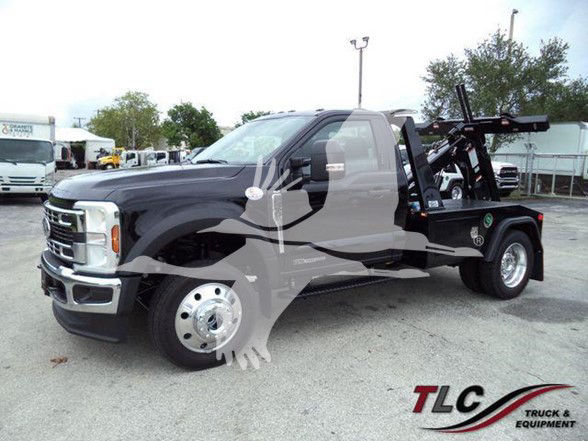
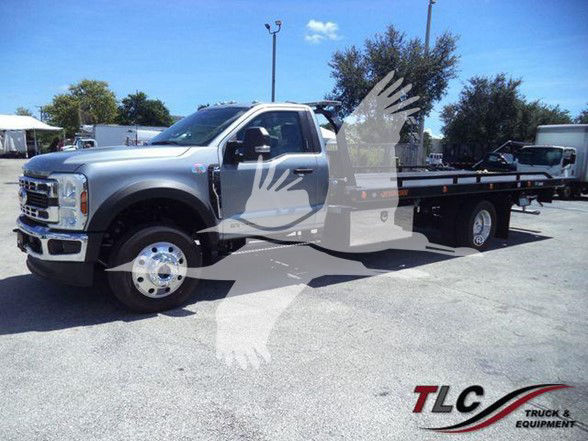
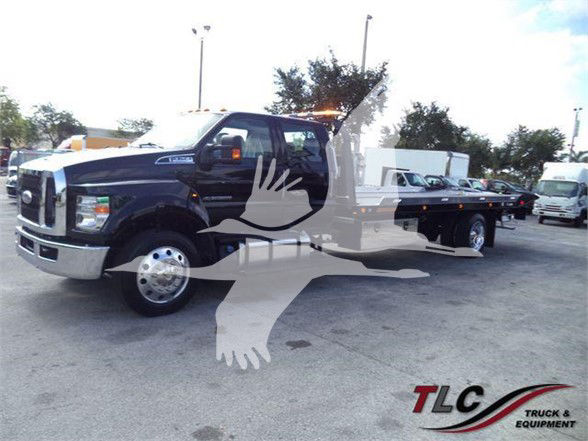
Shop new Ford tow trucks including self-loaders, wreckers, and rollback carriers with diesel power, wheel lifts, winches, and towing specs.
Learn more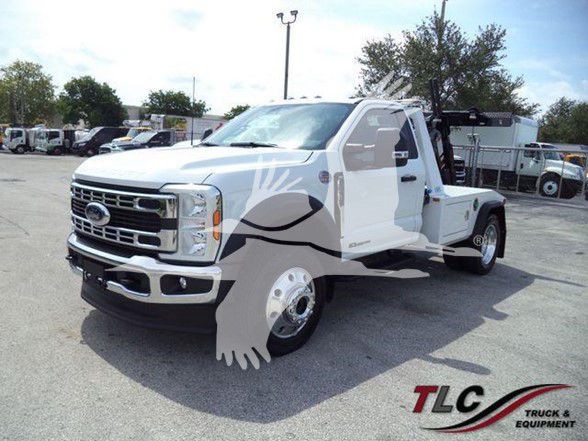
Have new ford tow truck to sell? List it here to reach thousands of buyers.
About New Ford Tow Trucks
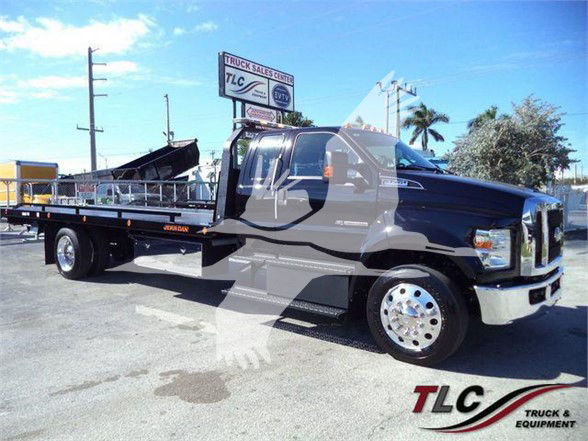
On Ford chassis, the 6.7L Power Stroke diesel is a common choice because it delivers the torque needed for urban towing, loaded starts, and hydraulic body operation without stepping into a larger platform than necessary. F-450 and F-550 models are often spec'd as single-axle trucks with automatic transmissions, spring suspension, and either 4x2 or 4x4 drivetrains. A 4x4 tow truck makes sense for snow-belt service, unpaved lots, and recovery work where traction matters. Moving up to an F-750 brings higher GVWR, more deck length, air brake availability, larger wheel and tire packages, and better fit for a 22-foot carrier body or heavier daily commercial use.
Body specs matter as much as the chassis. Buyers should compare wheel-lift rating, drag winch capacity, deck length and width, low-profile or extra-low-profile deck design, toolbox space, removable rails, and included towing gear. Common configurations in this class include 3,500-lb hydraulic wheel lifts, 8,000-lb winches, 20-foot to 22-foot steel decks, and 102-inch wide rollback beds. An XLP or low-center-gravity carrier is especially useful if you transport sports cars, EVs, or vehicles with minimal ground clearance. Work lights, backup cameras, amber light bars, and organized tool storage also affect day-to-day efficiency more than many first-time buyers expect.
A new Ford tow truck appeals to operators who want current emissions equipment, fresh hydraulics, warranty support, and a clean starting point for branding and fleet standardization. For municipal contractors, independent towers, auto auctions, body shops, and repossession companies, the right spec depends on route density, vehicle mix, and how often the truck tows versus carries. Check front axle capacity, rear axle ratio, wheelbase, body manufacturer support, and whether the unit is set up for the licensing and brake requirements in your state. A properly matched Ford tow truck can be a very efficient revenue unit when the chassis, carrier or wrecker body, and local duty cycle are aligned.
Frequently Asked Questions
What is the difference between a Ford self-loader wrecker and a Ford rollback tow truck?
A self-loader wrecker uses a wheel lift and boom arrangement to quickly pick up and tow a vehicle by the wheels, which is ideal for short-haul recovery, private property impounds, and repossession work. A rollback, also called a carrier or flatbed tow truck, loads the entire vehicle onto a tilting bed. That setup is generally better for all-wheel-drive vehicles, low-clearance cars, damaged vehicles, and longer-distance transport because it keeps all four wheels off the ground.
Which Ford chassis is best for a tow truck, F-450, F-550, or F-750?
The best chassis depends on the body type and daily workload. An F-450 is a strong fit for light-duty self-loader service where maneuverability and lower operating cost matter. An F-550 adds capacity and is commonly used for rollback carriers and heavier light-duty towing. An F-750 is better suited for operators who want a larger 22-foot carrier, higher GVWR, air brakes in many specs, and more durability for commercial-duty use with frequent loading and hauling.
Is 4x4 important on a Ford tow truck?
4x4 is valuable if the truck will work in snow, mud, gravel lots, steep driveways, or off-pavement recovery situations. It adds traction and can reduce the chances of getting stuck while servicing a customer vehicle. For primarily paved-road use in milder climates, a 4x2 truck usually costs less, weighs less, and may offer a simpler operating profile. The right choice comes down to region, call type, and how often traction is a limiting factor.
What specs should I compare on a new Ford rollback or wrecker?
The most important specs are wheel-lift capacity, winch rating, deck length, deck width, deck height, chassis GVWR, axle ratings, wheelbase, and brake configuration. Buyers should also look closely at toolboxes, lighting, backup camera systems, removable rails, included chains and straps, and the exact body model from the upfitter. These details affect what vehicles the truck can legally handle, how quickly the operator can work, and how well the truck fits the business model.
Are low-profile and extra-low-profile decks worth it on a Ford carrier?
Yes, if the truck regularly transports sports cars, luxury sedans, EVs, lowered vehicles, or units with front-end damage. A low-profile or extra-low-profile deck reduces the loading angle and helps prevent bumper, rocker panel, or underbody contact during loading. For general auction, dealer, and roadside work, that added versatility can save time and reduce the need for extra boards or loading tricks.