
Used Tank Trucks For Sale in New York
Browse used tank trucks for sale in New York, including fuel oil and propane bobtails with common specs, capacities, pump systems, and GVWR ranges.
Have used tank truck to sell? List it here to reach thousands of buyers.
Used Tank Trucks in New York
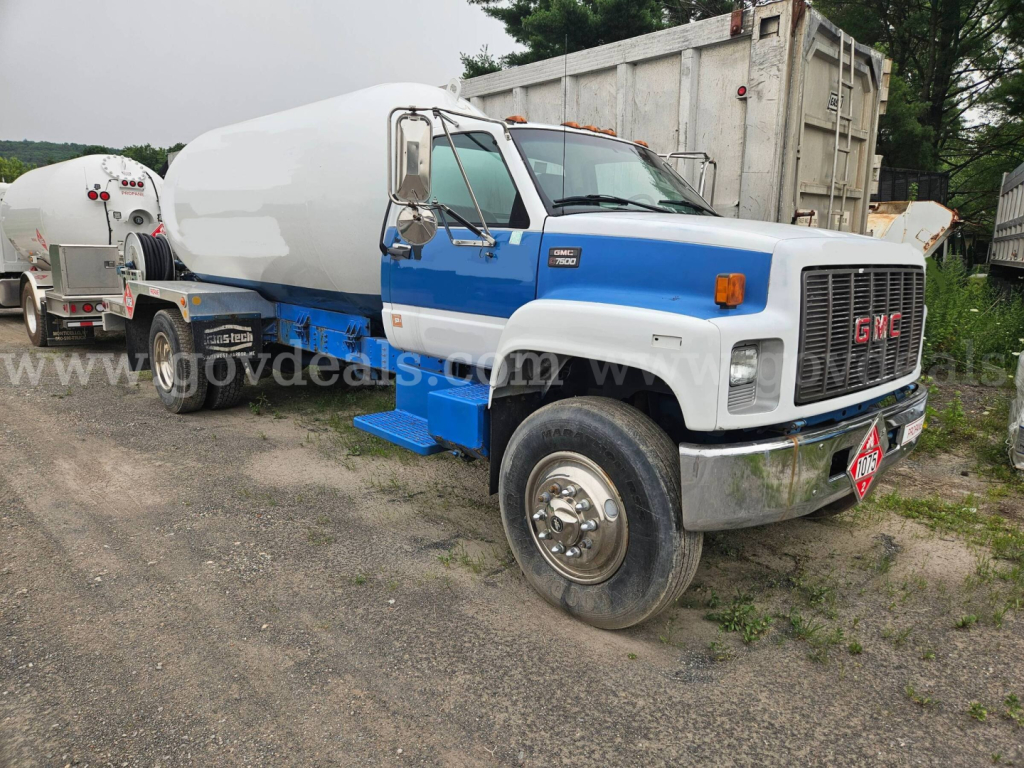
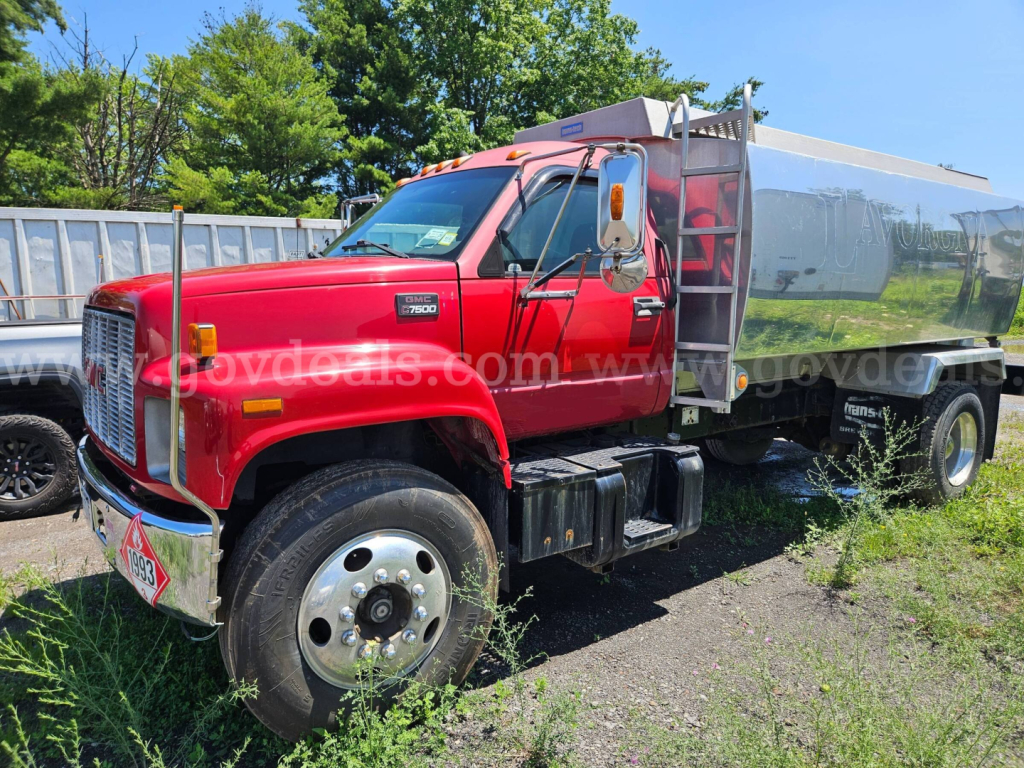
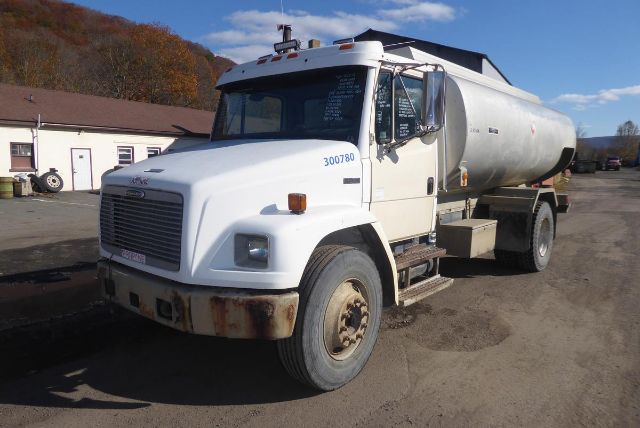
Capacity and chassis ratings are usually what separate local delivery units from heavier route trucks. Many used tank trucks in this class fall in the medium-duty range with GVWRs around 33,000 to 35,000 pounds, often on Freightliner, GMC, International, or similar platforms. Tank sizes in this segment commonly run from about 2,500 to 3,000 gallons, with either a single tank or multiple compartments for split loads. Fuel delivery trucks may have aluminum tanks, top-load or rear-load layouts, PTO-driven pumps, wetline systems, hose reels, and metering equipment from brands such as Veeder-Root. Propane bobtails bring another set of considerations, including ASME tank compliance, pump and meter condition, liquid and vapor plumbing, and the age and serviceability of valves and emergency shutoff systems.
For a used tank truck, the tank and product system matter just as much as the engine and transmission. Buyers should inspect the tank data plate, compartment sizes, baffles, internal condition where accessible, meter accuracy, pump performance, hose condition, reel operation, and signs of corrosion around saddles, mounts, and plumbing connections. On older units, confirm the PTO engages cleanly, the pump builds pressure properly, and the delivery system does not show evidence of leaks or patched repairs. Chassis details still count, especially transmission type, rear axle ratio, brake setup, wheelbase, suspension, and how those specs affect maneuverability on tight residential streets or older commercial sites.
Regulatory and seasonal fit are especially important in New York. Heating oil trucks may see hard winter service and frequent stop-and-go operation, while propane bobtails need to meet strict safety and inspection requirements before going back into route work. A well-matched used tank truck should be evaluated as a complete system: chassis, tank, pump, meter, valves, and compliance documentation. Buyers comparing listings should focus on tank capacity, product type, compartment configuration, delivery equipment, and service history before they focus on cosmetic condition.
Frequently Asked Questions about Used Tank Trucks in New York
What should I check first when buying a used tank truck?
Start with the product system, not just the chassis. Confirm what the truck was built to haul, the tank capacity, compartment configuration, pump and meter setup, hose reel arrangement, and the condition of valves and plumbing. A used tank truck can look serviceable on the outside but still need costly tank, meter, or pump work before it is ready for delivery service.
What is a common tank size for used medium-duty tank trucks?
Many used medium-duty tank trucks used for fuel oil or propane delivery fall in the 2,500 to 3,000 gallon range. Exact capacity depends on the tank design, axle ratings, intended product, and local operating requirements. Compartmentalized fuel trucks may split that total volume between two or more sections for different products or delivery planning.
What is the difference between a fuel oil tank truck and a propane bobtail?
A fuel oil tank truck is built for refined liquid fuel delivery and commonly uses an aluminum compartment tank, PTO-driven pump, meter, and hose reel system. A propane bobtail is built around a pressurized ASME tank and uses product-specific pumps, meters, valves, and emergency shutoff equipment for liquefied petroleum gas. The chassis may be similar, but the tank, plumbing, safety systems, and compliance requirements are substantially different.
Do older used tank trucks still make sense for route work?
They can, if the truck has been maintained as a complete delivery unit and not just as a running chassis. Older tank trucks are often judged on pump condition, meter function, tank integrity, valve serviceability, and documentation as much as on engine life or mileage. A low-mile truck with neglected delivery equipment can be more expensive to return to service than a higher-mile unit with strong maintenance records.
Why are GVWR and wheelbase important on a tank truck?
GVWR determines how much truck and product weight the chassis is designed to carry, while wheelbase affects turning radius, ride, and tank fitment. For residential fuel delivery in tighter New York neighborhoods, a shorter wheelbase can be a real advantage. For larger capacity builds, buyers need enough chassis rating and proper axle distribution to support the tank and delivery equipment safely.