
Used Freightliner Sweeper Trucks For Sale
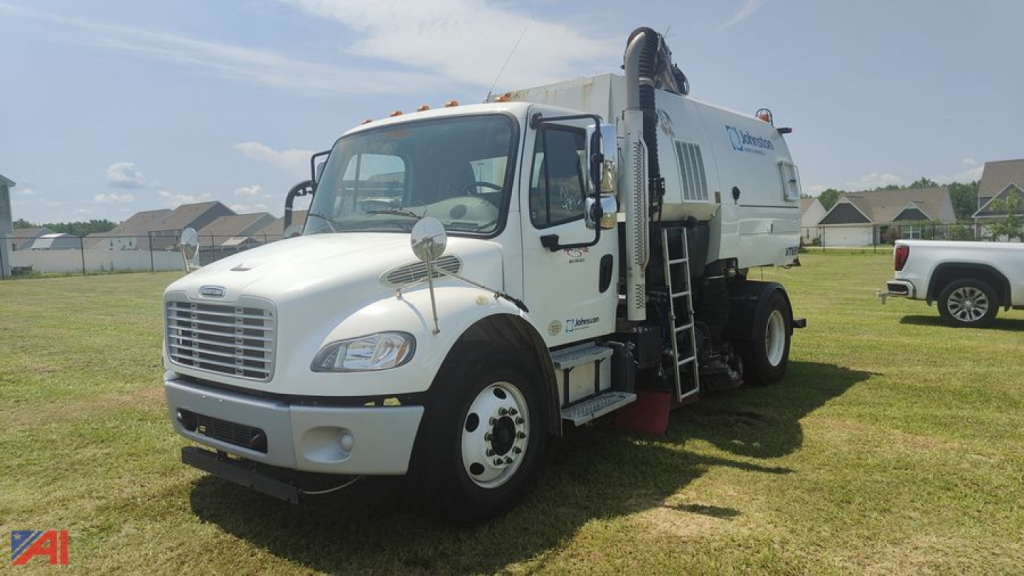
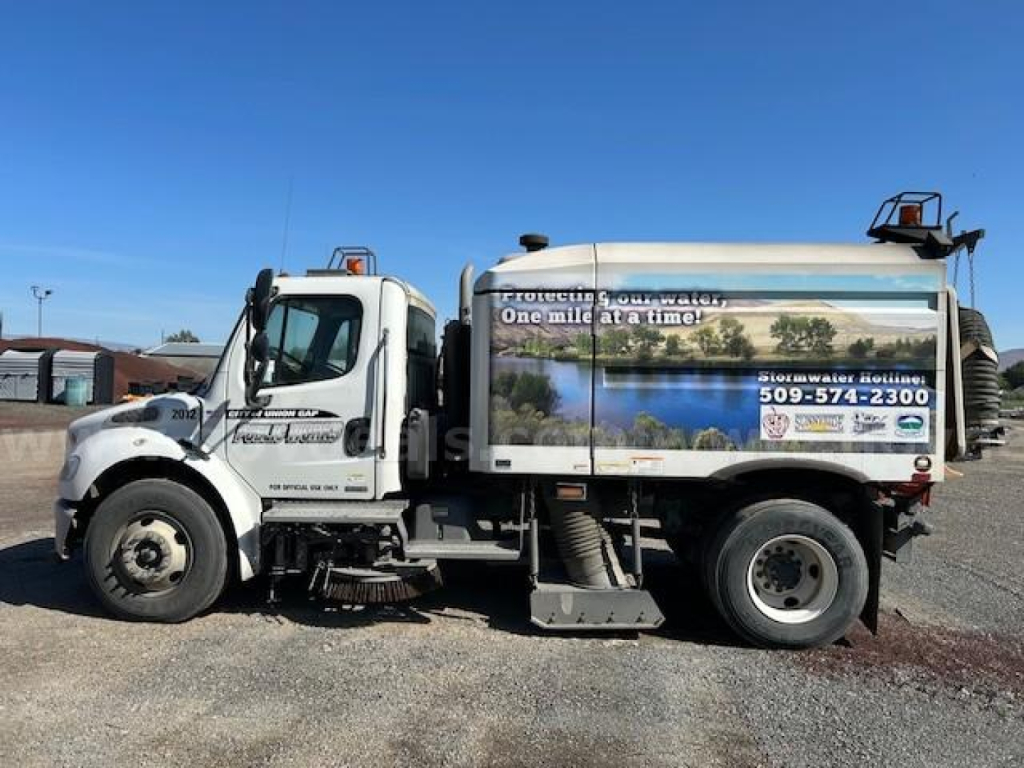

Have used freightliner sweeper truck to sell? List it here to reach thousands of buyers.
Used Freightliner Sweeper Trucks
The most important buying decision is usually the sweeper body type, not just the truck chassis. Mechanical broom sweepers are strong in heavy material pickup such as millings, sand, and aggregate, and high-dump versions can load debris directly into containers or trucks. Regenerative air and vacuum sweepers are typically chosen for finer dust control, construction cleanup, and more demanding environmental standards. On used Freightliner sweepers, pay close attention to auxiliary engine hours, broom wear, pickup head condition, conveyor or hopper condition, water system function, and the operation of gutter brooms, suction components, and dump mechanisms. Dual steering controls, automatic lube systems, and waterless sweeping setups also show up on some units and can materially affect operator productivity and maintenance needs.
On the chassis side, Freightliner M2 sweepers commonly carry Cummins diesel engines in the 6.7L to 8.3L range or similar medium-duty power, paired with Allison automatic transmissions. Wheelbase, axle rating, hopper capacity, and turning radius matter because sweeper trucks spend their lives in tight urban routes, industrial yards, and curb-line work rather than long highway runs. A used sweeper should be evaluated by both mileage and operating hours, since broom system hours and auxiliary engine hours often tell more than odometer readings alone. Frame corrosion, hydraulic leaks, worn suspension components, brake condition, and electrical issues around lighting, controls, and warning systems are all worth checking, especially on former government or municipal units that may have seen frequent stop-and-go use.
Freightliner remains a practical choice in the used sweeper truck market because parts availability, cab familiarity, and broad technician support help control downtime. For many buyers, the best value comes from matching the sweeper design to the route. Street departments may prioritize hopper volume and durability, contractors may focus on dust suppression and pickup performance after milling or paving, and facility operators may want a simpler machine with straightforward controls and lower training demands. A well-maintained used Freightliner sweeper can still deliver solid service life, but the condition of the sweeper system, hydraulic components, and service history should carry at least as much weight as the chassis badge and model year.
Frequently Asked Questions about Used Freightliner Sweeper Trucks
What should I check first on a used Freightliner sweeper truck?
Start with the sweeper system before the truck cab or paint condition. Verify the auxiliary engine hours, broom wear, pickup head condition, hydraulic operation, water spray system, hopper or conveyor condition, and dump function. A Freightliner M2 chassis is generally straightforward to service, but deferred maintenance in the sweeper body can be expensive and harder to correct than normal medium-duty truck repairs.
Are Freightliner M2 sweeper trucks good for municipal and contractor use?
Yes. Freightliner M2 sweeper trucks are widely used by cities, counties, paving contractors, and airport or industrial maintenance departments because the chassis is maneuverable, parts support is strong, and most technicians are familiar with the platform. The real fit depends on the sweeper body type and route demands, especially if the work involves heavy debris, fine dust, or frequent high-dump cycles.
What is the difference between a mechanical broom sweeper and a regenerative air sweeper?
A mechanical broom sweeper uses rotating brooms and a conveyor or elevator system to move debris into the hopper, making it effective for heavier material like sand, chips, and millings. A regenerative air sweeper uses controlled air flow to loosen and recover debris, which typically improves fine dust pickup and surface cleanliness. Buyers choosing a used Freightliner sweeper should match the system to the material being collected and the dust-control standards of the job.
Do miles or hours matter more on a used sweeper truck?
Both matter, but hours often tell the more important story. Sweeper trucks spend much of their life operating at low speed with the broom and hydraulic systems engaged, so auxiliary engine hours and total sweeper hours can reveal more about wear than mileage alone. A lower-mile truck with very high sweeper hours may need more body and hydraulic work than a higher-mile unit with better maintenance and fewer operating hours.
Why do many used sweeper trucks come from government fleets?
Municipal and government fleets are major buyers of street sweepers, so a large share of used units originate there. That can be a positive if the fleet followed scheduled service intervals, annual inspections, and winter teardown programs, but buyers should still inspect for corrosion, electrical wear, hydraulic seepage, and stop-and-go chassis fatigue. Former fleet ownership does not guarantee condition, but service records can make evaluation much easier.