
Freightliner Sweeper Trucks For Sale
Shop Freightliner sweeper trucks including M2-based street sweepers with common specs, applications, broom systems, and buyer inspection points.
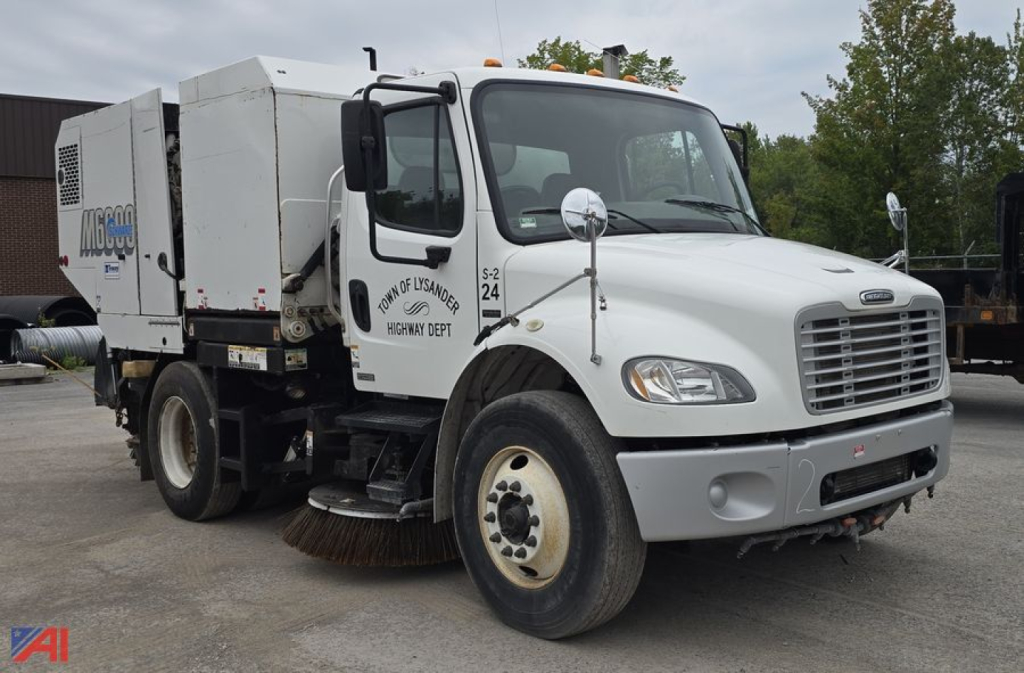
Selling a freightliner sweeper truck? List your freightliner sweeper truck for sale and reach thousands of commercial buyers.
Freightliner Sweeper Trucks
The first buying decision is usually the type of sweeper package. Mechanical broom sweepers are common for heavier debris, millings, sand, and municipal street work. Regenerative air and vacuum-style units are often preferred where dust control, fine debris pickup, or tighter environmental standards matter more. Many Freightliner sweepers use dual-engine setups, with the chassis engine moving the truck and an auxiliary engine powering the broom, conveyor, blower, or vacuum system. High-dump configurations are popular for municipal operations because they can discharge directly into a roll-off or dump body, while simpler pickup broom or parking lot sweepers may prioritize lower operating cost and easier maintenance.
Key specs to compare include hopper capacity, water tank size, dump height, broom width, auxiliary engine hours, and whether the unit has dual steering controls, automatic lubrication, gutter broom upgrades, or a waterless sweeping system. On a Freightliner M2 chassis, buyers should also look closely at wheelbase, GVWR, hydraulic performance, and how the body installation affects service access. Hours can tell you more than odometer miles on a sweeper truck, especially on city routes with low-speed stop-and-go duty. A truck with moderate miles but high sweeper hours may have more wear in the blower, fan, elevator, pickup head, nozzles, spray bars, and hydraulic components than the chassis alone suggests.
Condition assessment should focus on both truck and broom system. Check the hopper floor, conveyor or elevator chain, broom arms, wear shoes, suction tubing, water pumps, and gutter broom motors for signs of hard use. Rust in the hopper, frame corrosion from year-round municipal service, and deferred maintenance around hydraulics are common trouble areas. Service records are especially important on Freightliner sweeper trucks because regular greasing, winter teardown work, and scheduled replacement of wear components can make a major difference in uptime. For buyers comparing multiple listings, the best unit is usually the one with the clearest maintenance history, the right sweeper type for the route, and a chassis-spec combination that local technicians can support without delay.
Frequently Asked Questions about Freightliner Sweeper Trucks
What is the most common Freightliner chassis used for sweeper trucks?
The Freightliner M2 and M2 106 are among the most common chassis used for sweeper truck applications. They are popular because they offer good visibility, tight turning capability for urban work, and broad service support in the medium-duty market. That matters on a sweeper because downtime often comes from a mix of chassis and body issues, so having a familiar platform can simplify parts sourcing and repairs.
Should I focus more on miles or hours when buying a used sweeper truck?
Hours usually matter more than miles on a sweeper truck. Street sweepers spend much of their life at low speed with the sweeping system engaged, so auxiliary engine hours and total operating hours often show the real wear on the broom, blower, hydraulics, and water system. Odometer miles still matter for chassis life, but hours are often the better indicator of total work performed.
What is the difference between a mechanical broom sweeper and a regenerative air sweeper?
A mechanical broom sweeper uses rotating brooms and usually a conveyor or elevator system to move heavier debris into the hopper. It is often favored for sand, gravel, millings, and general municipal cleanup. A regenerative air sweeper uses controlled airflow to lift and recover debris, making it better for fine dust and lighter material where cleaner surface results are important. The right choice depends on the debris type, route conditions, and disposal method.
What should I inspect first on a used Freightliner sweeper truck?
Start with the sweeper system before the cab cosmetics. Inspect the hopper, broom assemblies, hydraulic lines, water system, suction or conveyor components, and any auxiliary engine for leaks, excessive wear, corrosion, and deferred maintenance. Then evaluate the Freightliner chassis for engine condition, transmission operation, brake wear, suspension condition, and frame rust. A clean-looking truck can still need major sweeper repairs, so operational testing is important.
Are dual-engine Freightliner sweepers harder to maintain?
They can be more maintenance-intensive because you are effectively servicing both a truck drivetrain and a separate power unit for the sweeper functions. That said, many fleets prefer dual-engine setups because they separate sweeping loads from the chassis engine and can offer strong performance for demanding applications. The main consideration is maintenance discipline. A dual-engine unit with complete service records is often a better buy than a neglected single-engine machine.