
2012 Sweeper Trucks For Sale

Have 2012 sweeper truck to sell? List it here to reach thousands of buyers.
2012 Sweeper Trucks
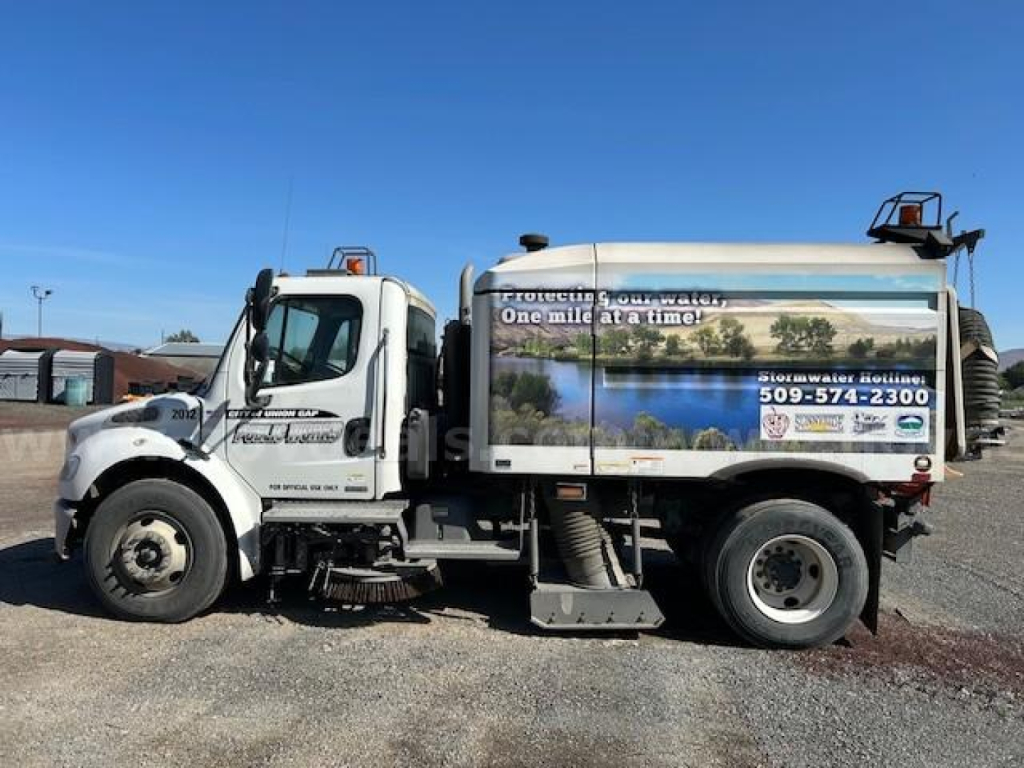
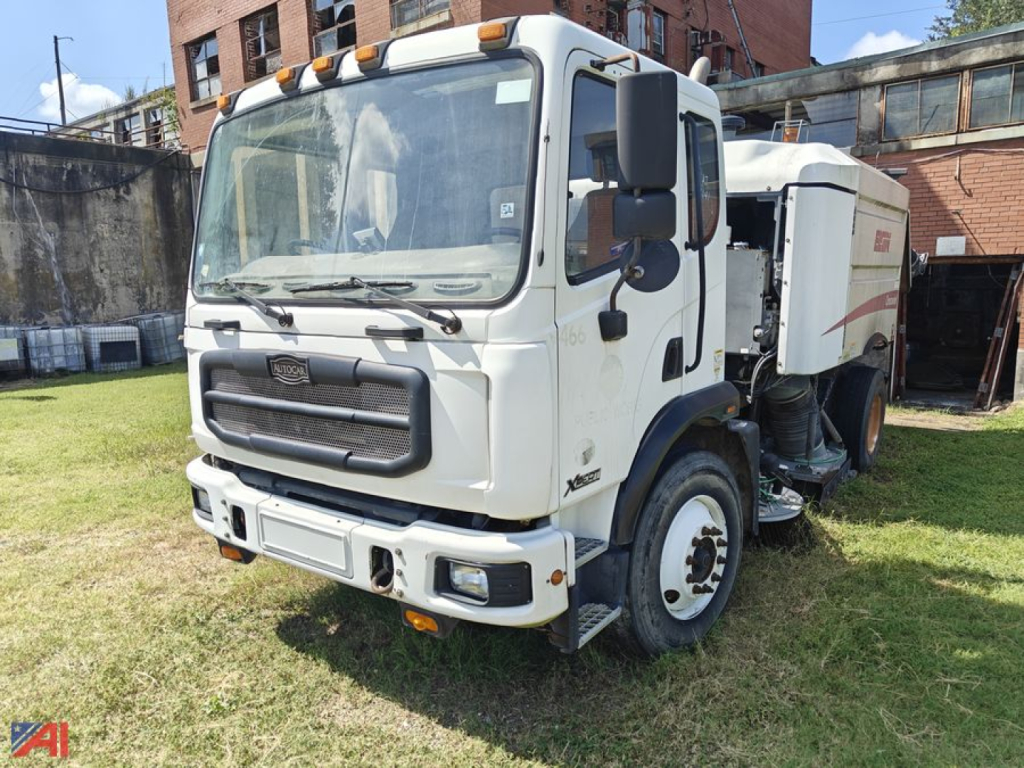
A 2012 sweeper truck can be a practical fit for municipalities, airports, paving contractors, property maintenance fleets, and road departments that need debris pickup, dust control, and curb line cleaning without paying late-model pricing. Regenerative air sweepers are popular for finer material and dust-sensitive work, while mechanical broom units are often chosen for milling, heavier aggregate, and more abrasive cleanup. Key inspection points include broom wear, pickup head condition, conveyor or vacuum performance, hopper corrosion, water tank integrity, spray nozzles, hose condition, auxiliary engine hours, and evidence of hydraulic leaks. On many used sweepers, the truck engine may run well while the sweeper package needs expensive reconditioning, so service records and functional testing matter.
For a 2012 unit, expect buyers to compare engine hours, sweeper hours, dual-steer versus standard cab layout, emissions equipment condition, and parts support for both the chassis and the sweeper manufacturer. Dual-steer configurations can improve visibility and curb access in municipal street work, but they add complexity in steering and cab components. Trucks from this era may also show typical municipal fleet wear such as decal ghosting, rust at the hopper or subframe, worn interiors, and electrical issues from outdoor storage. If the truck has been in airport or government service, it may have lower road miles than a contractor-operated unit, but that does not automatically mean lower wear on the sweeping system.
The strongest 2012 sweeper trucks are the ones with clear maintenance history, working water and dust suppression systems, strong auxiliary engine performance, and a chassis that still has dependable brake, suspension, and transmission life left. Buyers should confirm CDL requirements based on GVWR, verify if the sweeper body uses an independent pony motor or chassis-driven system, and check how easy it is to source replacement brooms, seals, filters, and hydraulic components. A well-kept 2012 sweeper can still deliver reliable service for street maintenance, parking lot sweeping, airport grounds work, and post-construction cleanup, provided the truck and the sweeper package are evaluated as two separate machines.
Frequently Asked Questions about 2012 Sweeper Trucks
What should I inspect first on a used 2012 sweeper truck?
Start with the sweeper system, not just the chassis. Confirm the pickup head raises and lowers correctly, the brooms engage properly, the hopper dumps as designed, the water system sprays evenly, and the auxiliary engine or hydraulic drive system operates without excessive smoke, noise, or leaks. After that, inspect the truck itself for engine blow-by, transmission behavior, brake condition, steering play, frame rust, and electrical problems. A sweeper can run and drive fine as a truck while still needing major repairs to the sweeping package.
Are 2012 regenerative air sweepers better than mechanical broom sweepers?
They are better for different jobs, not universally better. Regenerative air sweepers are typically preferred for fine dust, urban street cleaning, and applications where cleaner pickup and lower airborne debris matter. Mechanical broom sweepers are often favored for heavier material, milling cleanup, and rougher debris conditions. The right choice depends on the material being collected, the surface being cleaned, and how much abrasion the equipment will see in daily use.
How important are auxiliary engine hours on a 2012 sweeper truck?
Auxiliary engine hours are critical because they reflect actual use of the sweeper body. Many street sweepers use a separate engine to power the fan, broom, hydraulics, and water systems, so low truck miles do not necessarily mean low sweeper wear. A 2012 truck with modest road mileage can still have a heavily used sweeper package if it spent years in stop-and-go municipal service. Buyers should compare truck miles, chassis engine hours if available, and sweeper or pony motor hours together.
What chassis are common under 2012 sweeper trucks?
Common 2012 sweeper truck chassis include medium-duty platforms like the International DuraStar 4300 and Freightliner M2 106. These chassis are widely used because they offer suitable GVWR ratings, diesel engine availability, and service network support for municipal and contractor fleets. The chassis is important for drivability and maintenance, but buyers should also confirm compatibility and parts support for the sweeper body manufacturer, since body components often drive repair costs.
Is a 2012 sweeper truck still a practical fleet purchase?
Yes, if condition and supportability are right. A 2012 sweeper truck can still be a cost-effective option for municipal work, airport maintenance, parking lot service, and construction cleanup when the sweeper body is functional and the chassis has been maintained. The best value usually comes from units with documented service history, usable broom and pickup components, solid hopper structure, and no major hydraulic or auxiliary engine issues. Age alone is less important than the condition of the sweeping system and the availability of replacement parts.