
International Stone Spreader Trucks For Sale
Browse International stone spreader trucks with buyer-focused details on chassis, spread systems, PTO setup, payload, and municipal road use.
Learn moreNo exact matches found for your search
Showing International Trucks instead.

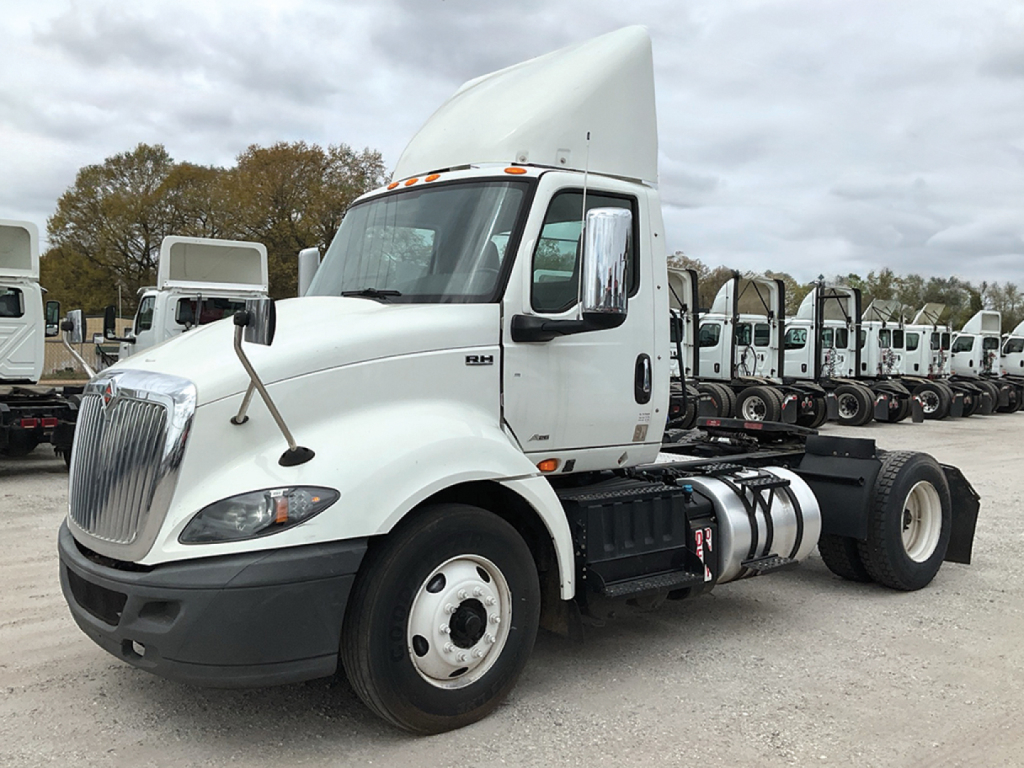
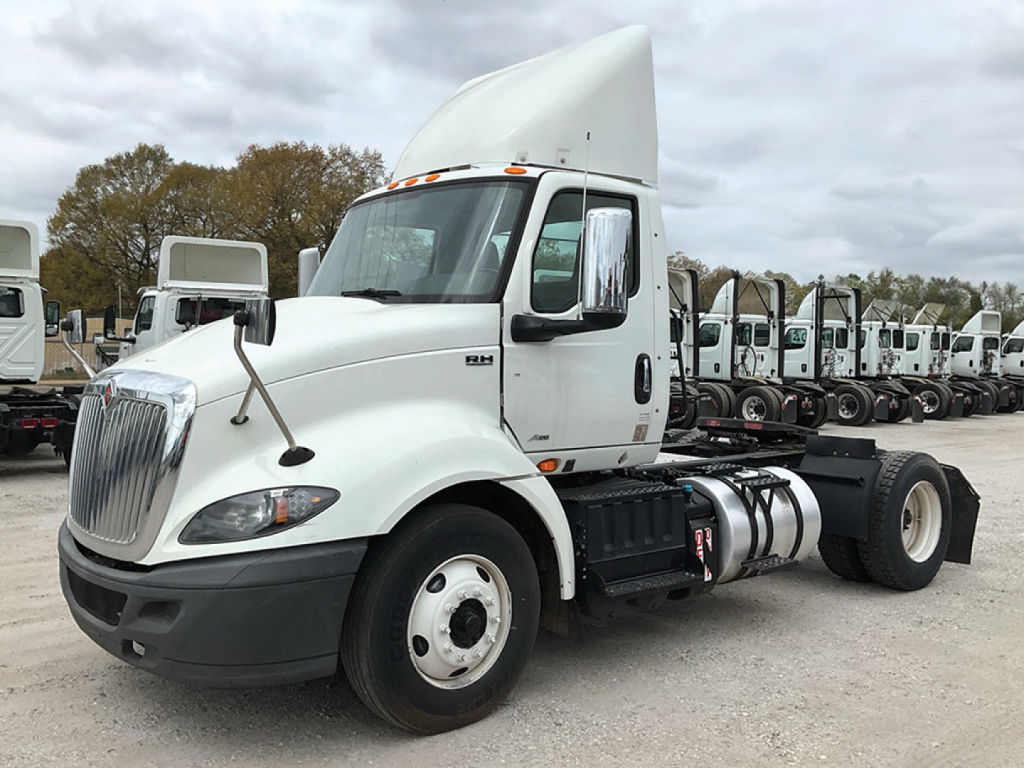
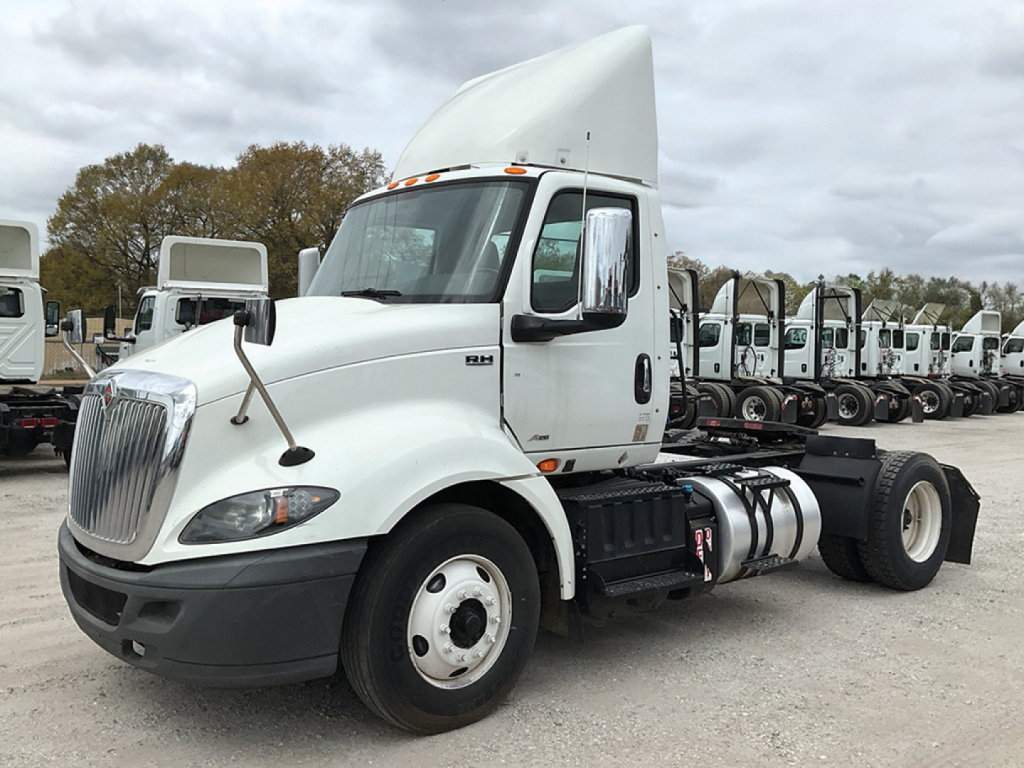
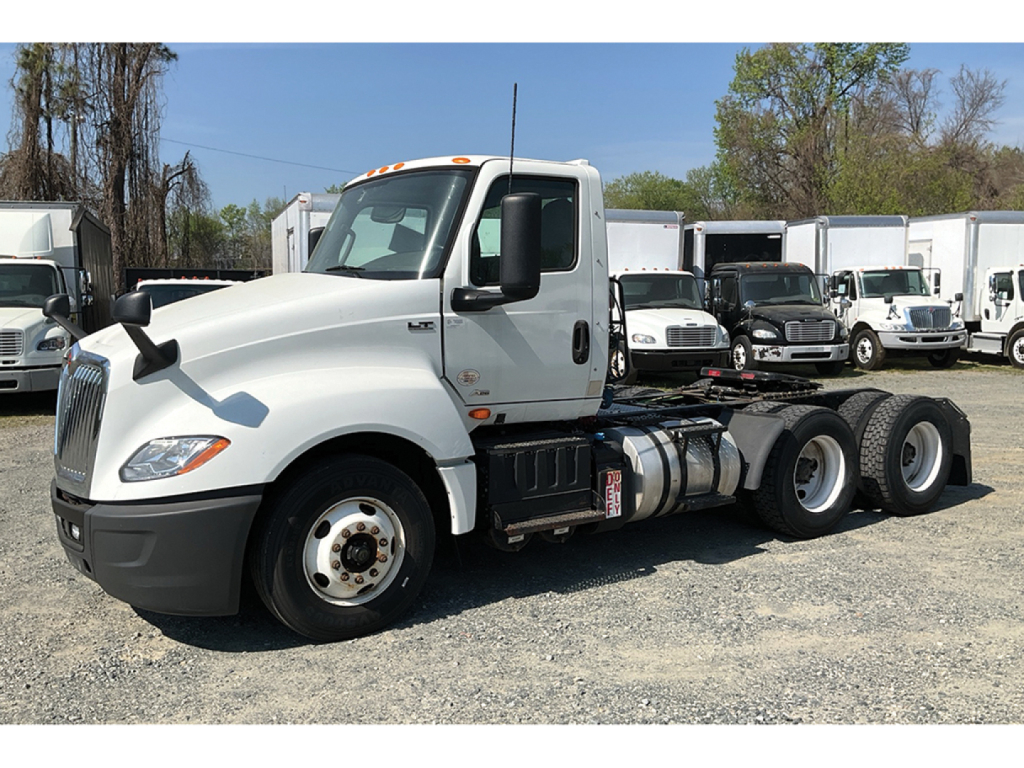
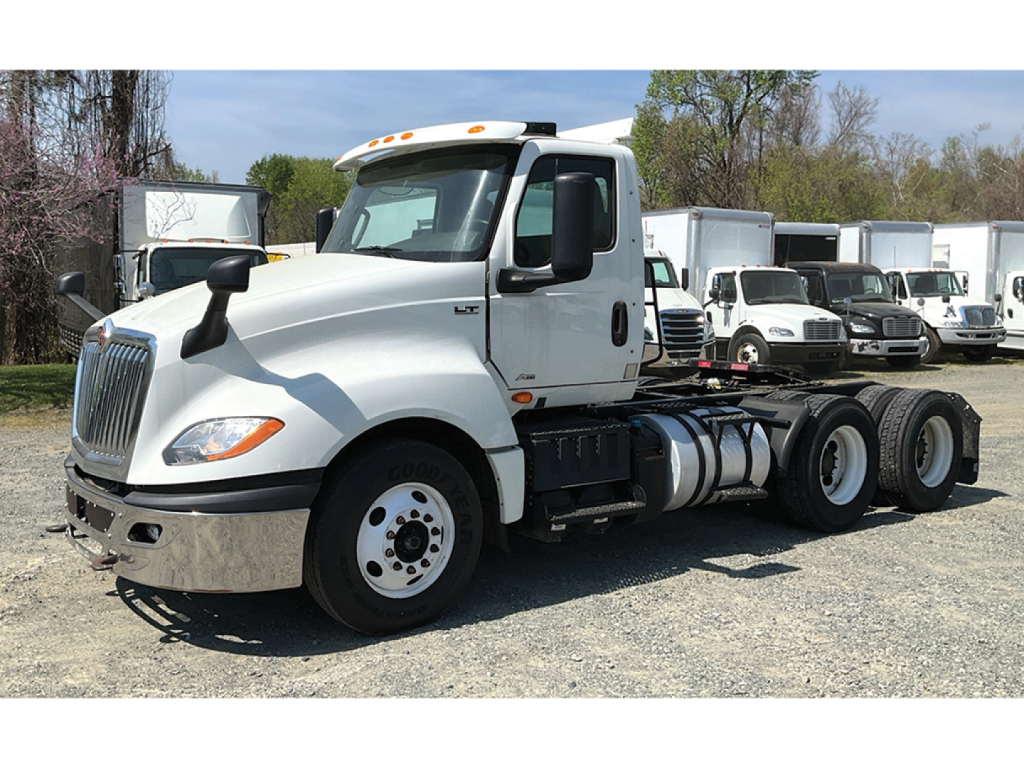
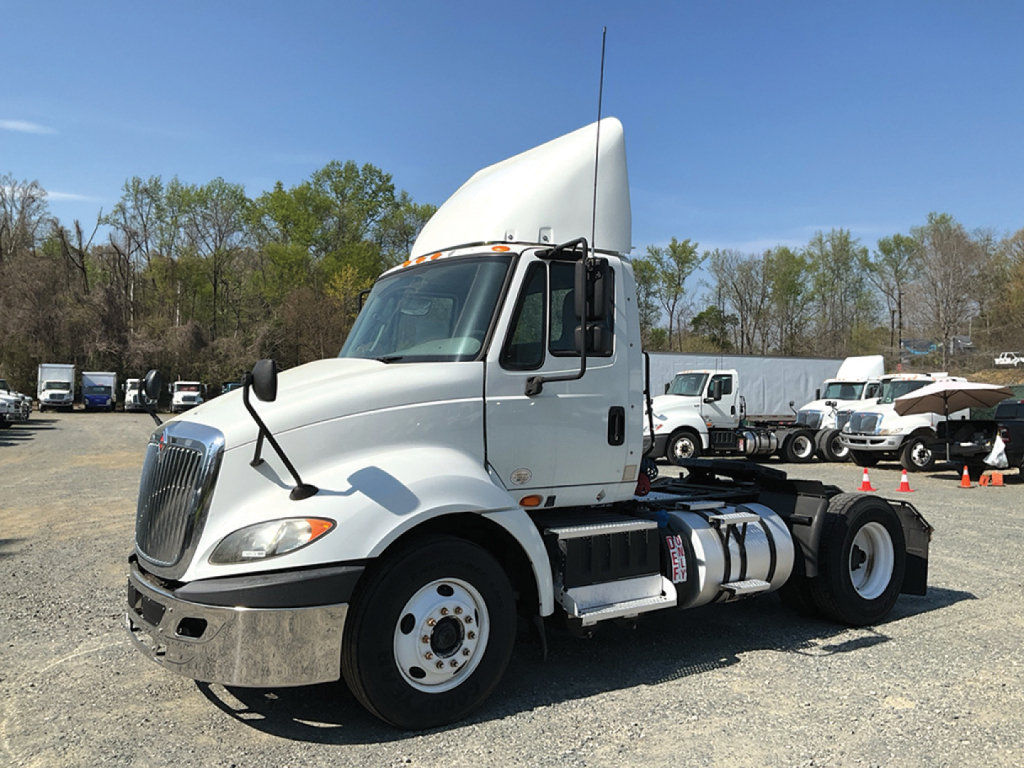
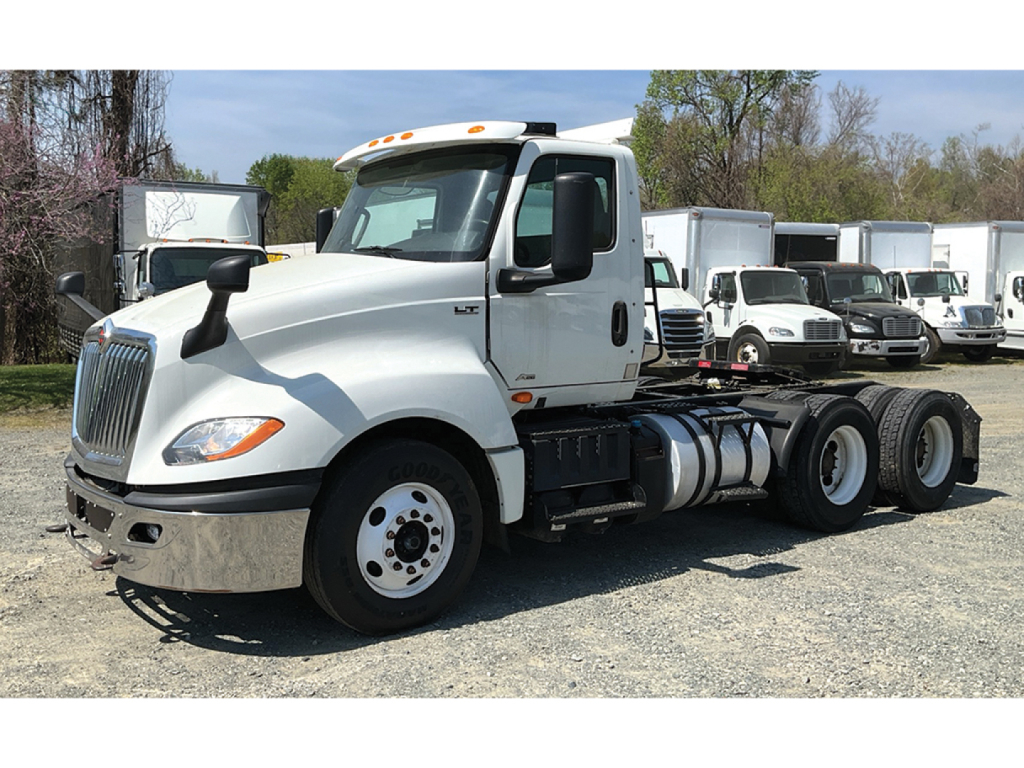
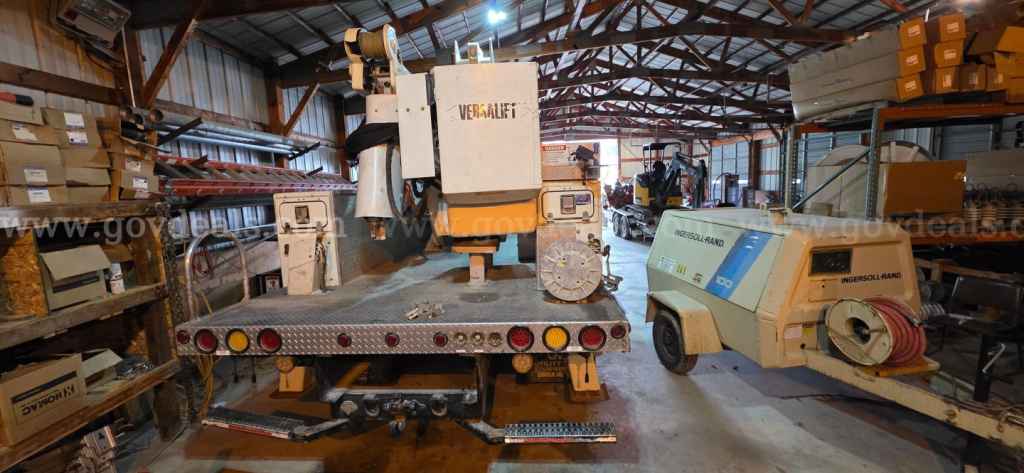

Showing 133 to 144 of 361 results
Have international stone spreader truck to sell? List it here to reach thousands of buyers.
About International Stone Spreader Trucks
The body and conveyor arrangement matter as much as the truck itself. Buyers should look at hopper capacity, apron chain condition, floor type, gate controls, spinner or cross conveyor configuration, and how precisely the system meters stone at low travel speeds. Hydraulic performance is a major checkpoint, especially on older municipal or contractor units. PTO engagement, pump output, valve response, and conveyor wear all affect spread consistency. If the truck will be used for shoulder building or road edge repair, pay attention to how the spread attachment places material relative to the drive tires and whether the controls allow fine adjustment from the cab. Many operators also want good rear visibility, durable fenders, and easy cleanout after wet or dusty aggregate loads.
On the truck side, International vocational models are known for stout front axles, heavy rear suspensions, and diesel engines suited to low-speed jobsite work as well as short highway runs between locations. Key buying points include GVWR, wheelbase, axle ratings, transmission type, brake configuration, and local parts support. A stone spreader truck spends a lot of time under load at low speed, so clutch condition on manual transmissions, automatic shift behavior, cooling system performance, and hydraulic line integrity deserve close inspection. Rust around the body mounts, frame rails, crossmembers, and hoist subframe can be especially important on trucks that have spent years in municipal fleets exposed to salt, stone dust, and seasonal storage.
The right International stone spreader truck depends on material type, route length, and how precise the finished spread pattern needs to be. Municipal buyers may prioritize maneuverability, simple controls, and easy service access. Contractors may lean toward higher payload, faster reload cycles, and more adjustable spread gear for varied road base and shoulder material. In either case, the best units are the ones with a straight frame, predictable hydraulic response, solid driveline history, and a spread body matched to the aggregate size and daily production target.
Frequently Asked Questions
What is an International stone spreader truck used for?
An International stone spreader truck is used to place gravel, crushed stone, or similar aggregate in a controlled pattern for road shoulders, lane maintenance, parking areas, and surface repair work. The truck combines a vocational chassis with a purpose-built spread body that meters material through a conveyor, gate, spinner, or side-delivery system. The goal is consistent placement with less handwork and less wasted aggregate.
What should I inspect first on a used stone spreader truck?
Start with the spread system, hydraulics, and chassis condition. Check apron chains, conveyor floors, gates, PTO engagement, hydraulic leaks, pump response, and control operation. Then inspect frame rails, crossmembers, suspension, body mounts, hoist structure if equipped, and corrosion around areas exposed to stone and salt. A truck can run well and still need expensive spread-body repairs, so the body and hydraulic system deserve equal attention with the engine and transmission.
Are International WorkStar models a good fit for stone spreading applications?
International WorkStar trucks are commonly used in stone spreading because they were designed for vocational service with strong frames, available heavy axle ratings, PTO-friendly drivetrains, and cab configurations that suit municipal and contractor work. They are generally a practical fit for jobs that involve repeated loading, low-speed spreading, and short-distance travel between sites. The exact fit still depends on wheelbase, GVWR, transmission, and how the spread body is configured.
What specs matter most when comparing stone spreader trucks?
The most important specs are GVWR, front and rear axle ratings, wheelbase, hopper or body capacity, hydraulic system condition, PTO setup, and the type of spread mechanism. Buyers should also compare engine horsepower, transmission type, brake system, tire condition, and how well the spread body matches the material being used. A truck with the right payload and a poorly matched spread system will be less productive than a balanced setup built for the aggregate size and road conditions.
Can a stone spreader truck handle more than one type of aggregate?
Many stone spreader trucks can handle different aggregate sizes, but performance depends on body design, conveyor condition, gate adjustment, and moisture content in the material. Clean, dry stone usually flows more predictably than damp or mixed material. If the work involves multiple aggregate types, buyers should confirm that the spread controls provide enough adjustment to maintain an even pattern without bridging, surging, or overfeeding.