
Workhorse Step Van Trucks For Sale in Florida
Find used Workhorse step vans in Florida. Compare gas or diesel W42/W62 walk-in trucks, GVWR options, body lengths, and delivery-ready specs.
Have workhorse step van truck to sell? List it here to reach thousands of buyers.
Workhorse Step Van Trucks in Florida
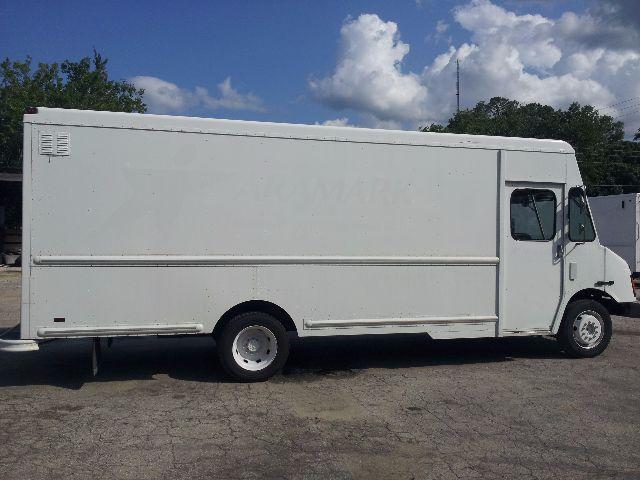
Workhorse step vans, also known as walk-in vans or bread trucks, are built on robust straight frames with low step-in height, sliding cab doors and a bulkhead door for fast curbside access. Bodies are most often aluminum from Morgan Olson or Utilimaster, which helps resist coastal corrosion and keeps curb weight down for more payload. Common features include roll-up or double rear doors, interior shelving, rear ramps or liftgates, 16 or 19.5 inch tires, and hydraulic service brakes on most non-CDL units, with air brakes found on heavier specs. The walk-through cargo area with 76 to 84 inch interior height allows efficient parcel, bakery, linen, vending or tool service operations, and it’s a popular platform for food truck and mobile service conversions.
Powertrains vary by generation, but you will frequently see gasoline V8s paired with automatic transmissions such as GM 4L80E or 6L90 on lighter GVWR units, and diesels like medium-duty inline engines paired with Allison 1000 or 2200 series automatics on heavier packages. Gas offers lower upfront cost, quick warm-up and simpler emissions systems, which suits short urban routes and high idle time. Diesel delivers higher torque, better fuel economy at load and longer service intervals, which suits higher GVW, hilly territory outside Florida, or towing. Match axle ratings, wheelbase and rear gear ratio to your route speed and stop density to avoid over-revving or sluggish launches.
On used Workhorse step vans in Florida, inspect frame rails and crossmembers for rust scale from coastal exposure, check door tracks and rollers, verify roof seal integrity, and confirm cooling system health. Evaluate brake type, tire size, suspension condition and remaining payload after upfits like shelves, generators or refrigeration. For food truck builds, look for clean electrical provision, straight walls for equipment, proper ventilation height and a healthy alternator. For parcel work, prioritize cargo length, turning radius, curbside ergonomics, rear access configuration and a solid bulkhead door latch. Parts support for Workhorse step vans remains strong through common drivetrain suppliers and body manufacturers, which simplifies long-term upkeep.
Frequently Asked Questions about Workhorse Step Van Trucks in Florida
What GVWR and body sizes are typical on Workhorse step vans?
Most used Workhorse step vans fall between roughly 12,000 and 23,000 pounds GVWR, with common body lengths from about 12 to 20 feet. Non-CDL units typically sit in the 14,000 to 19,500 GVWR range, while heavier builds with air brakes and 19.5 inch rubber push payload higher for service bodies or dense parcel loads.
Is gas or diesel better for Florida delivery routes?
For short, flat, stop-and-go routes in heat, a gasoline V8 can be a smart choice thanks to lower acquisition cost, fast warm-up and simpler emissions components. If you run heavier GVW, longer daily mileage or need more torque and engine braking, a diesel with an Allison automatic may return better fuel economy and longevity. Consider idle time, cooling capacity and fuel price in your market before deciding.
Do I need a CDL to drive a Workhorse step van in Florida?
A CDL is not required for most step vans rated at or below 26,000 GVWR without air brakes, but licensing depends on the exact weight rating and brake system. Heavier units above 26,000 GVWR or those spec’d with air brakes can trigger CDL requirements. Always verify the VIN tag GVWR and brake type, and consult Florida licensing rules and your insurer.
How well do aluminum step van bodies hold up in coastal Florida?
Aluminum bodies from Morgan Olson or Utilimaster resist corrosion better than steel, which is valuable near salt air. Still, inspect the steel frame, crossmembers, suspension hangers and fasteners for corrosion, and check roof seams and door tracks. Preventive undercoating, regular washing and prompt touch-up of chips help extend service life.
Are parts and service still available for Workhorse step vans?
Yes. Drivetrain parts are widely supported through OEM and aftermarket channels for common gasoline and diesel engines and automatics. Body components such as doors, latches, panels and lighting are available from body manufacturers and distributors. Many independent truck shops are familiar with Workhorse step vans, which helps control maintenance costs.