
Workhorse Step Van Trucks For Sale
Workhorse step van trucks for sale: W42/W62 walk-in delivery vans, stand-up interiors, 12k-23.5k GVWR, gas or diesel, built for parcel and service.
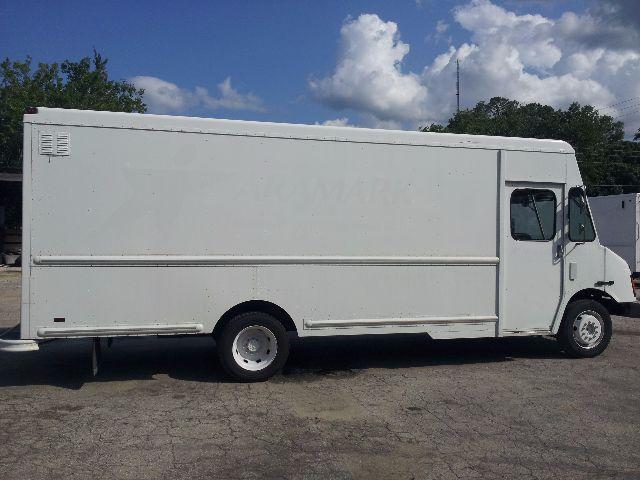
Selling a workhorse step van truck? List your workhorse step van truck for sale and reach thousands of commercial buyers.
Workhorse Step Van Trucks
Chassis design centers on durability and ease of service. Workhorse W42 and W62 platforms cover Class 3-6 needs with GVWRs roughly in the 12,000 to 23,500 lb range and wheelbases that support a wide range of body lengths. Powertrains are typically automatic for urban duty cycles, often Allison 1000 or 2200 series, with gasoline V8 options such as the widely used GM Vortec 6.0L and diesel options available depending on year and spec. Gasoline units keep emissions hardware simple and avoid DPF regen, which can suit short-trip use and lower idle times. Diesel delivers stronger low-end torque and fuel economy on heavier routes, but adds emissions aftertreatment that benefits from longer, hotter runs. Heavier W62 builds may carry 22.5-inch wheels and, in some cases, air brakes, while lighter units usually ride on 19.5-inch wheels with hydraulic brakes.
Spec choices inside the box matter as much as the chassis. Sliding curbside doors, bulkhead with sliding or swing door, adjustable shelving, e-track, scuff liners, and bright LED cargo lighting all impact route efficiency and safety. Consider rear access strategy: a roll-up door is fast and low maintenance for parcel work, while hinged doors can seal better for temperature-sensitive loads. Liftgates, walk ramps, or simple grab handles each add weight and cost but change how teams handle bulk and carted freight. If planning a food truck or service build-out, verify generator placement, fuel tap access, available roof height, and electrical capacity before committing.
Operating cost comes down to matching GVWR, axle ratio, and tire size to your payload and average speed. Lower ratios help stop-start acceleration but raise cruise RPM and fuel burn. Tire and brake service is typically straightforward and parts are widely available. When evaluating used units, look closely at door tracks and rollers, floor and crossmember corrosion, body rivets, frame rails around spring hangers, kingpin or bushing play, and any signs of roof seam leaks. Confirm emissions equipment status on later-model diesels, check engine hours in addition to miles for heavy idle routes, and verify body builder tags for interior dimensions. A well-matched Workhorse step van pays back in uptime and route productivity across parcel, linen, catering, mobile service, and specialty upfits.
Frequently Asked Questions about Workhorse Step Van Trucks
What GVWR and body sizes are common on Workhorse step vans?
Most Workhorse step vans fall in the 12,000 to 23,500 lb GVWR range across W42 and W62 platforms. Body lengths typically span 12 to 22 feet with interior heights designed for stand-up work. Heavier builds often ride on 22.5-inch wheels, while lighter parcel configurations use 19.5-inch wheels.
Should I choose gasoline or diesel for last-mile delivery?
Gasoline V8 units are popular for dense, short-route work because they warm up quickly and avoid diesel aftertreatment complexity. They can be cheaper to purchase and maintain, with predictable fuel costs. Diesel engines provide better torque and fuel economy under heavier payloads and longer routes, but require attention to DPF and EGR systems and generally cost more to service. Match the powertrain to your payload, idle time, and average route speed.
Which transmission and axle ratio work best for urban routes?
Automatic transmissions such as Allison 1000 or 2200 are standard fare for stop-and-go duty. Pair them with a lower rear axle ratio to improve launch with frequent stops and grades. If the truck will see regular highway miles, selecting a slightly taller ratio can reduce engine speed at cruise and improve fuel economy without sacrificing too much startability.
Are Workhorse step vans good candidates for food trucks or mobile workshops?
Yes. The straight-rail chassis, flat floors, and tall interiors make layout and equipment mounting straightforward. Before converting, confirm available payload after the build-out, verify generator and HVAC placement, ensure proper ventilation and electrical service, and inspect roof and wall structures for mounting hoods, shelves, and tanks. Curb weight and axle ratings must support the finished configuration.
What should I inspect on a used Workhorse step van before buying?
Check the body for roof seam leaks, floor soft spots, and loose or missing rivets. Inspect door tracks, rollers, and latches for wear. Look for frame and crossmember corrosion, suspension bushing and kingpin play, and brake condition. Verify tire sizes and remaining tread, confirm emissions equipment status on diesel units, and review both miles and engine hours to understand true duty cycle exposure.