
Harbinger Step Van Trucks For Sale
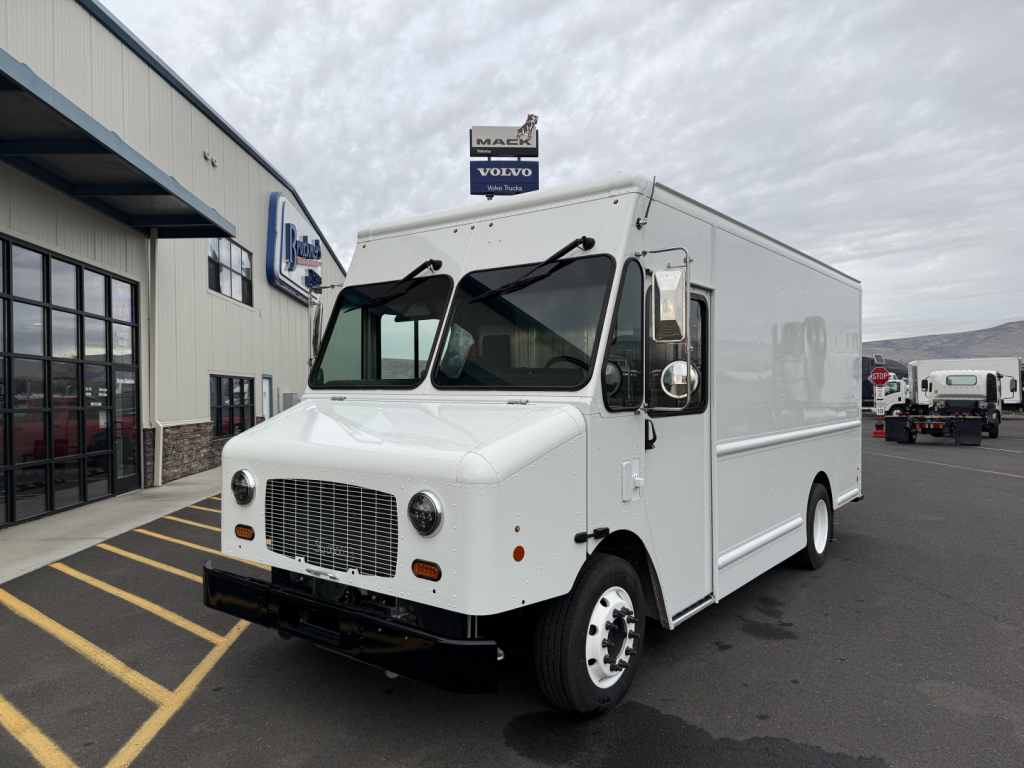
Showing 25 to 33 of 33 results
Have harbinger step van truck to sell? List it here to reach thousands of buyers.
Harbinger Step Van Trucks
The first spec to compare is size and weight class. Harbinger step van models shown here include wheelbases from 158 inches up to 208 inches, with GVWR ratings around 20,850 to 24,400 pounds. That spread matters because body length, payload capacity, and route profile are tied closely to axle ratings and wheelbase. Lighter Class 5 configurations can make sense for tighter urban routes, residential delivery, and operations where maneuverability and parking access matter most. Heavier Class 6 configurations are better suited for higher cube bodies, denser payloads, or upfits that add weight, such as shelving packages, refrigeration support equipment, tool storage, or specialty service interiors. Buyers should also look closely at front and rear axle ratings, especially if loads concentrate at the rear doors or if interior shelving creates uneven side-to-side distribution.
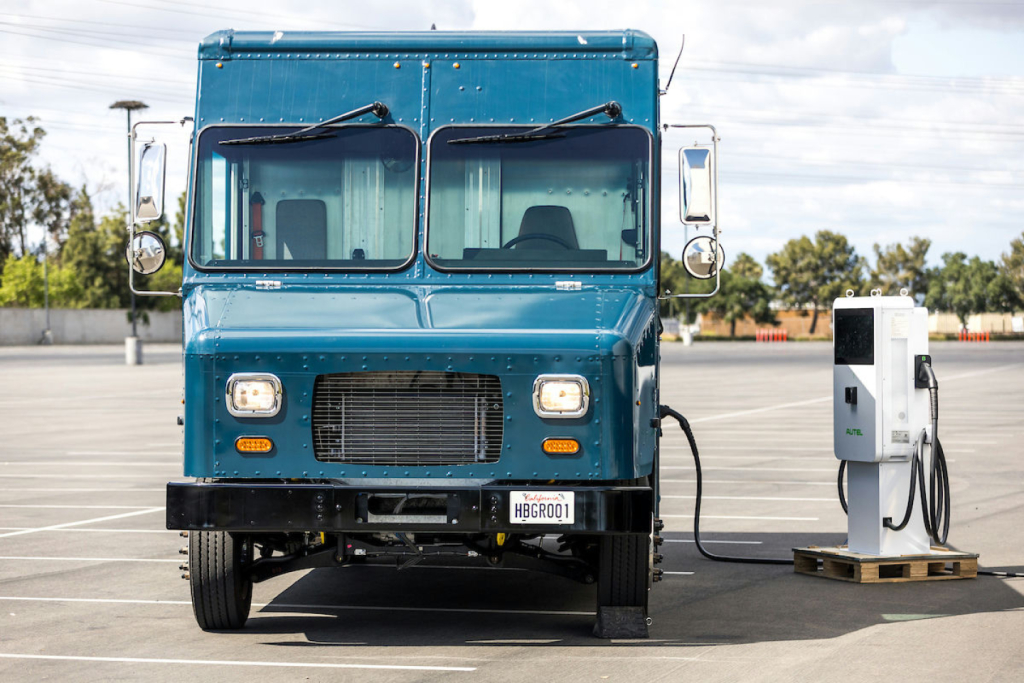
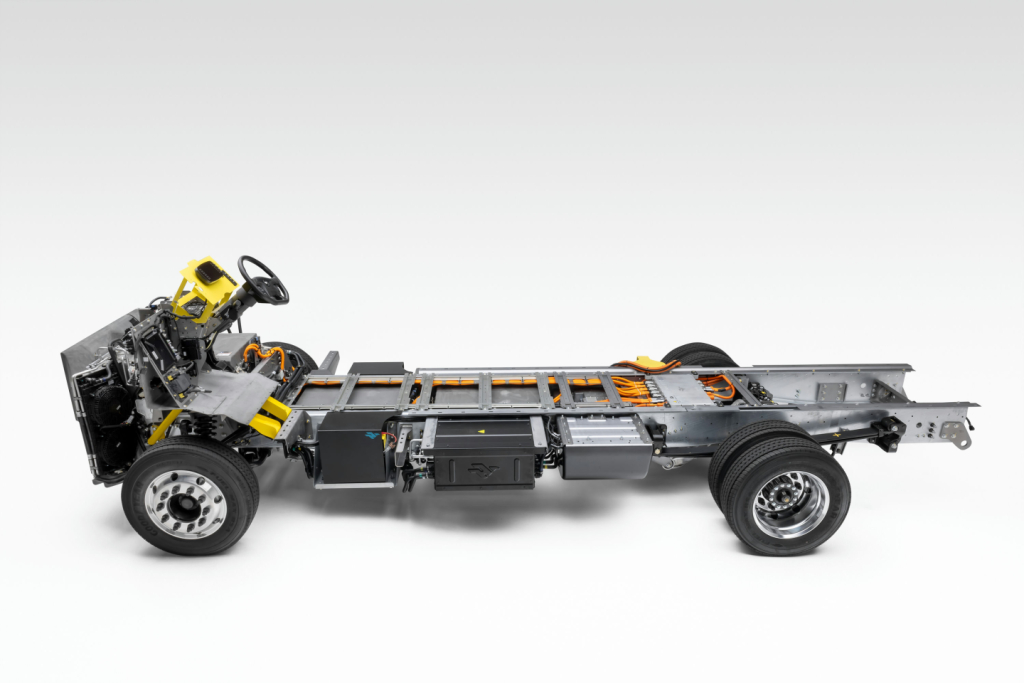
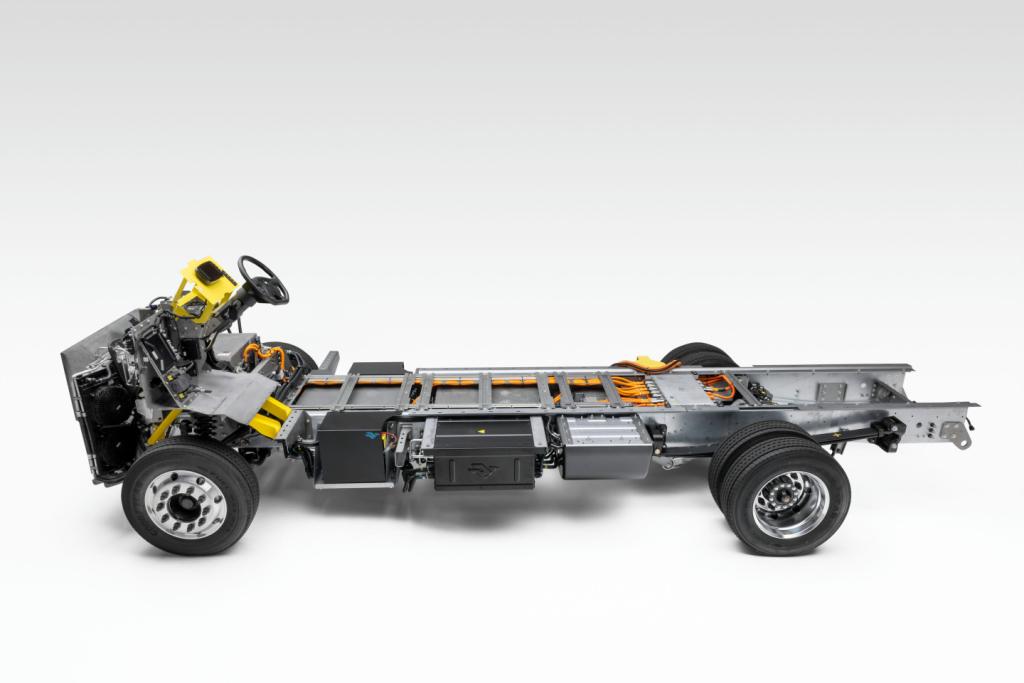
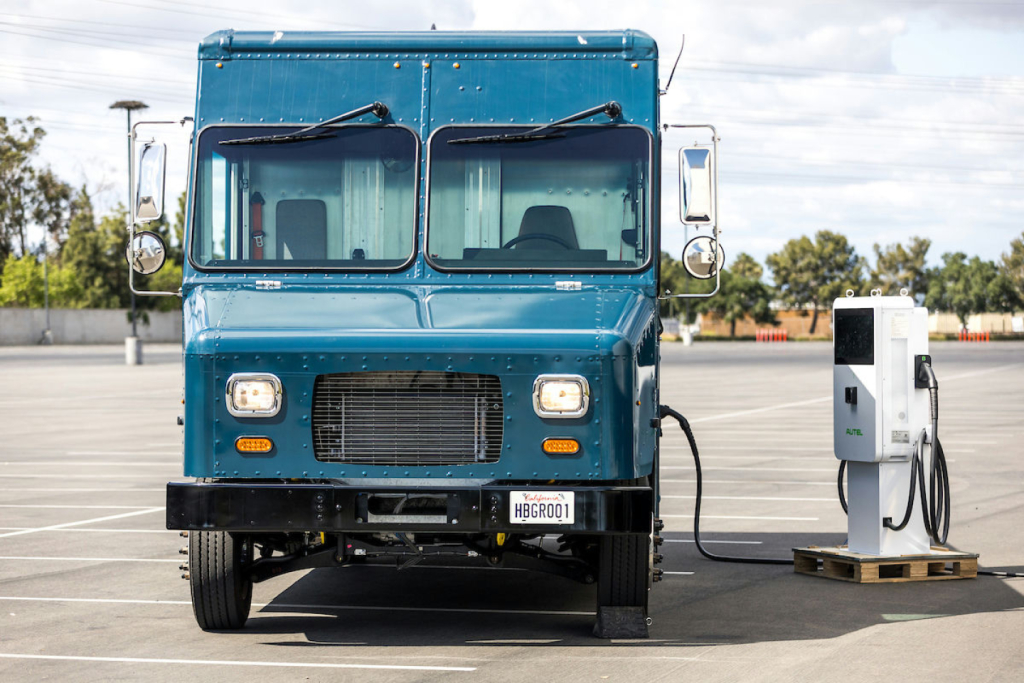
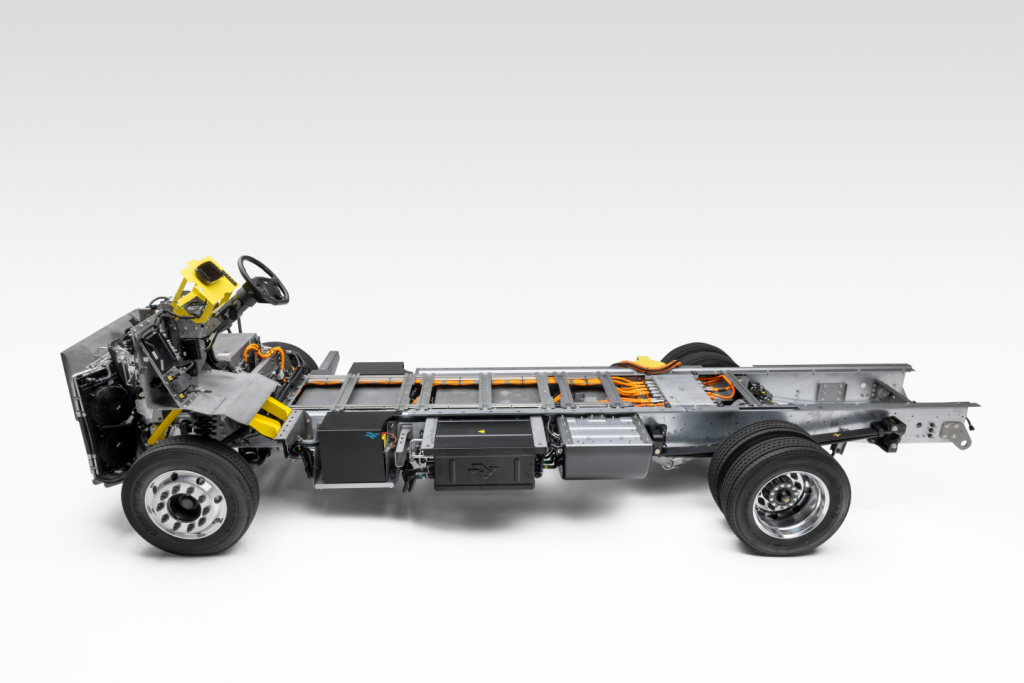
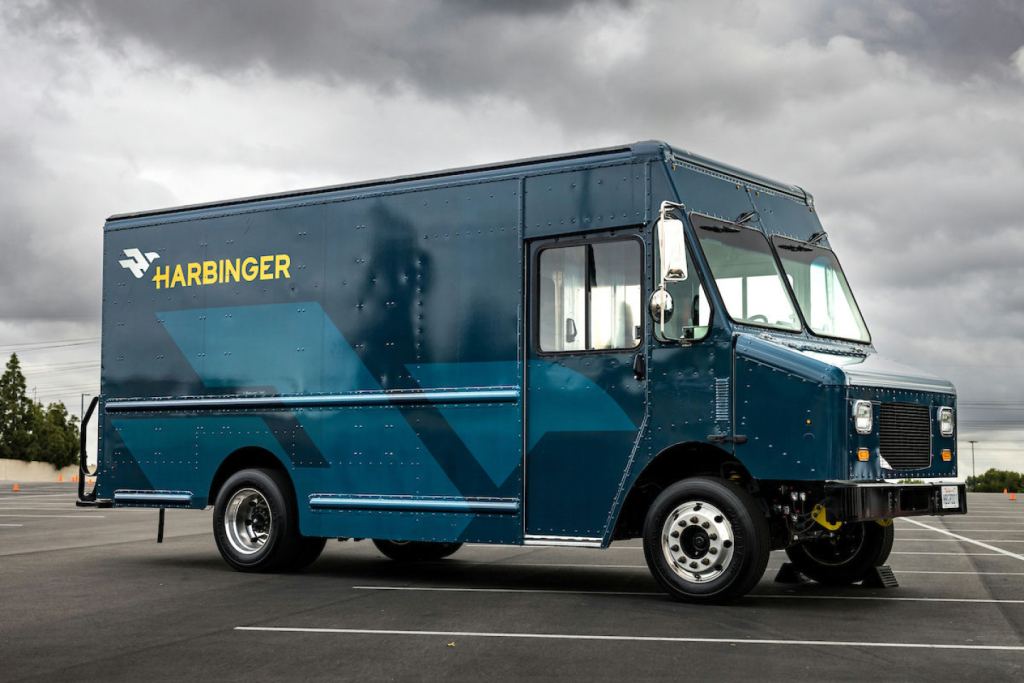
A Harbinger electric step van is also a body and driver-efficiency decision, not just a powertrain choice. Step vans, also known as walk-in vans or walk-in delivery trucks, are built to reduce wasted motion over hundreds of stops. The stand-up interior, wide entry door, and direct cargo-area access help drivers move faster than they can in a cab-and-box setup. For fleets, that can translate to better route productivity and lower driver fatigue. On the chassis side, features such as spring leaf rear suspension and single-axle layouts are consistent with the vocational demands of local delivery. Electric brake system integration and regenerative braking can also be important in urban duty cycles, where frequent deceleration helps recover energy and reduces wear on friction components.
The best buying approach is to match the truck to the route, not just the body size. Check wheelbase against alley access, dock geometry, and turning requirements. Check GVWR and axle capacity against the real loaded weight of carts, parcels, bins, or service equipment. For electric step vans in particular, buyers should evaluate daily mileage, stop count, charging window, and depot infrastructure alongside payload and cube. Harbinger step vans are aimed at fleets that want a purpose-built last-mile platform rather than a retrofitted legacy chassis, so the key comparison points are packaging efficiency, usable payload, serviceability, and how well the truck fits a repeatable local route.
Frequently Asked Questions about Harbinger Step Van Trucks
What is a Harbinger step van best suited for?
A Harbinger step van is best suited for last-mile delivery, parcel routes, local distribution, bread and snack routes, linen delivery, uniform service, and mobile service applications with frequent stops. The walk-in body layout speeds up driver movement between the cab and cargo area, which is a major advantage on dense urban and suburban routes. Because Harbinger step vans use electric propulsion, they are especially well matched to repeatable daily routes with planned charging access and heavy stop-and-go operation.
What GVWR range should buyers expect on Harbinger step vans?
Based on the models shown here, Harbinger step vans are offered in GVWR ratings around 20,850 pounds and 24,400 pounds. That places them in the Class 5 to Class 6 range depending on configuration. The right GVWR depends on the combined weight of the body, shelving, driver, cargo, and any vocational upfit. Buyers should leave margin for route variability and avoid choosing a truck that operates near max axle ratings every day, especially in applications with rear-loaded freight or heavy interior equipment.
How important is wheelbase selection on a step van?
Wheelbase selection is one of the most important buying decisions because it affects body length, turning radius, ride quality, and cargo capacity. A shorter wheelbase such as 158 inches generally favors maneuverability in tight city streets, alleys, and residential delivery zones. Longer wheelbases such as 178 inches or 208 inches can support larger bodies and more cargo volume, but they need more room to turn and may be less forgiving in older urban areas or crowded loading zones.
What should a fleet evaluate before buying an electric step van?
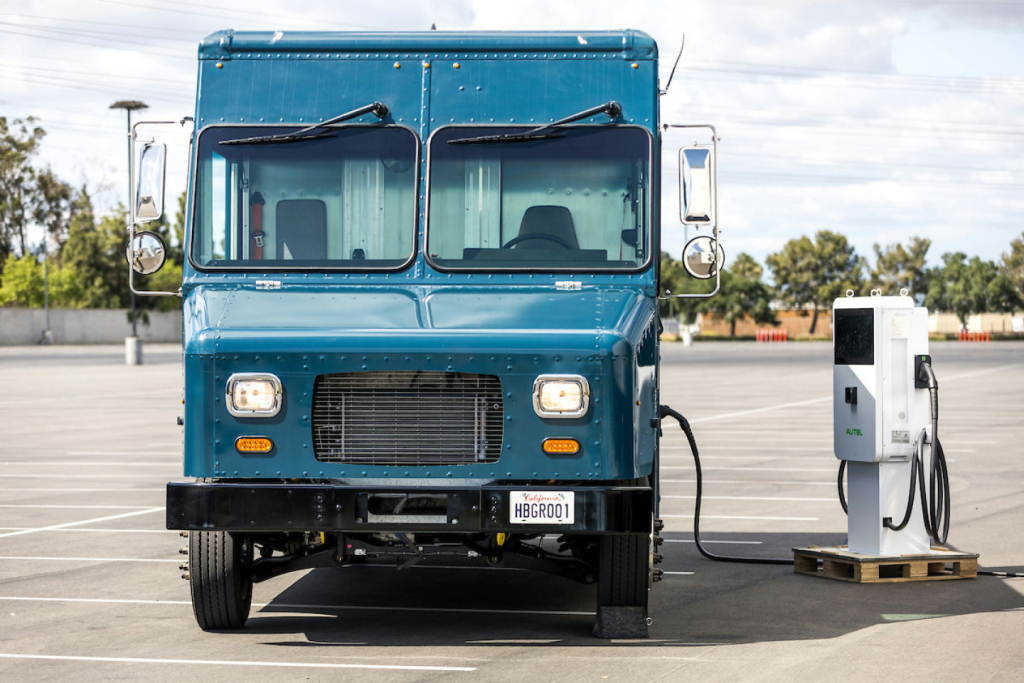
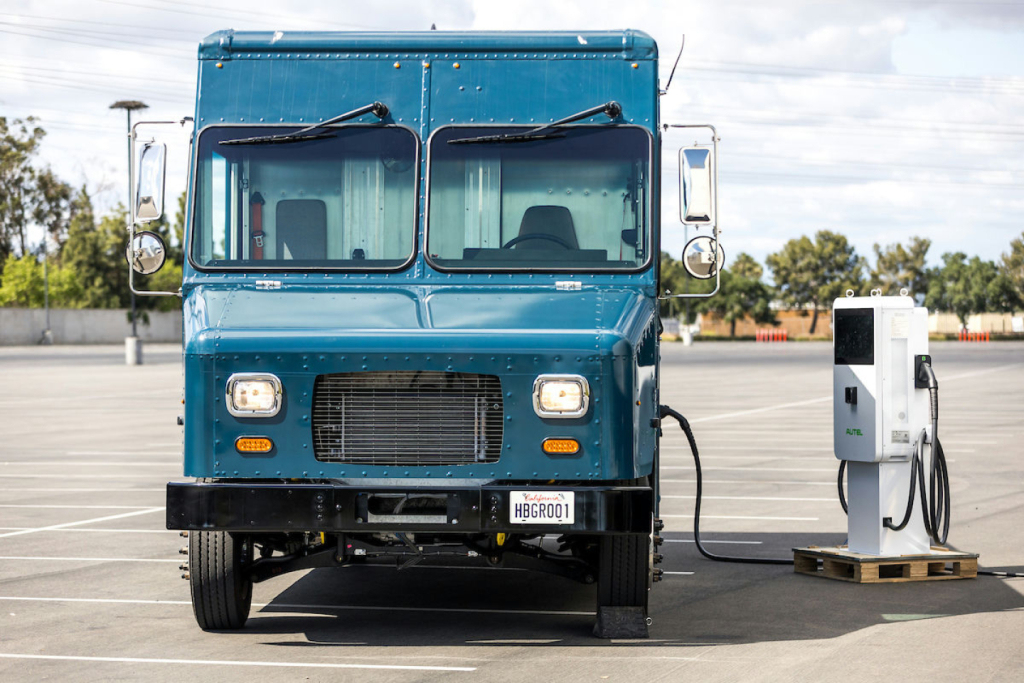
A fleet should evaluate daily route miles, average stop count, dwell time between shifts, charger availability, utility capacity at the depot, and the loaded weight of the truck in real service. Electric step vans perform well in stop-and-go work because they deliver instant torque and can use regenerative braking, but route planning matters. Buyers should also consider climate impact on range, accessory loads, technician support, and how the truck will be serviced over its duty cycle.
Is a step van better than a cab and chassis with a box body for delivery work?
For high-stop local delivery, a step van often has a clear productivity advantage over a cab and chassis with a separate box body. The walk-in design, low entry, and direct cargo access reduce the time and physical effort required at each stop. A cab and box setup can still make sense for certain payloads or specialized bodies, but for parcel and route delivery, the step van layout is usually more efficient for both the driver and the operation.