
Used Service/Utility Trucks For Sale in Tennessee
Used service/utility trucks for sale in Tennessee: compare loaded payload, service body condition, diesel idle history, and specs for mountain routes.
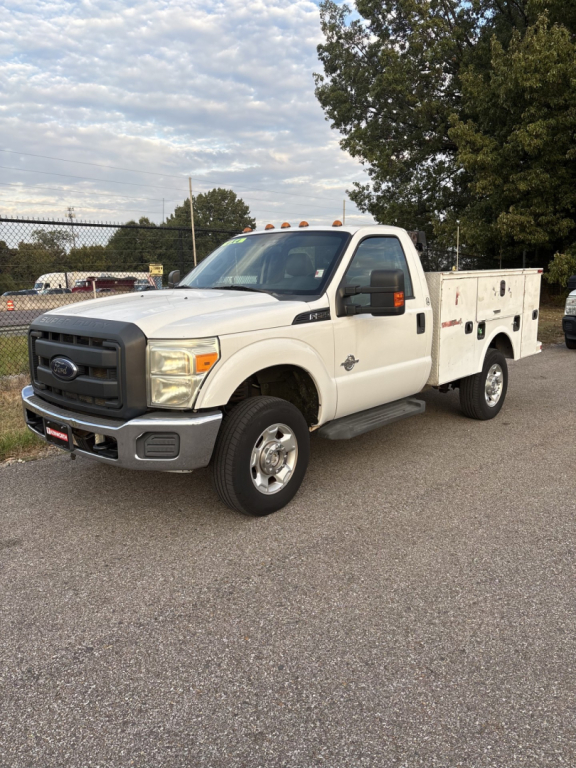
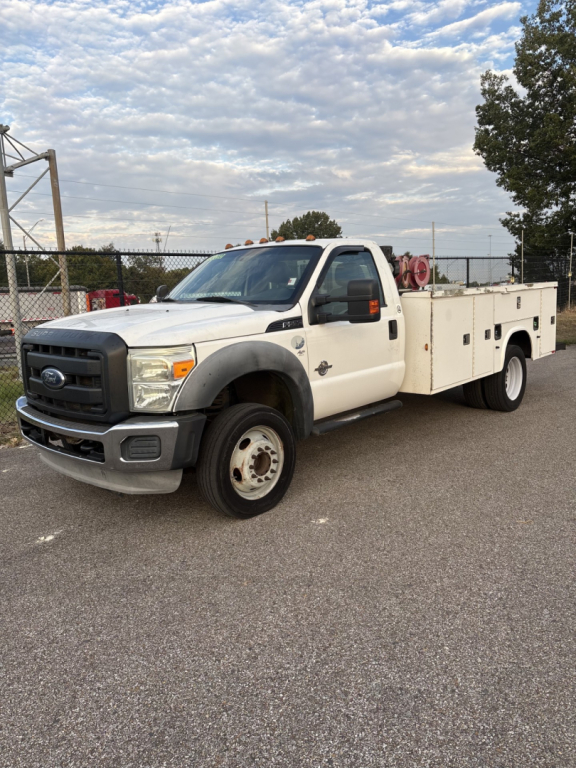
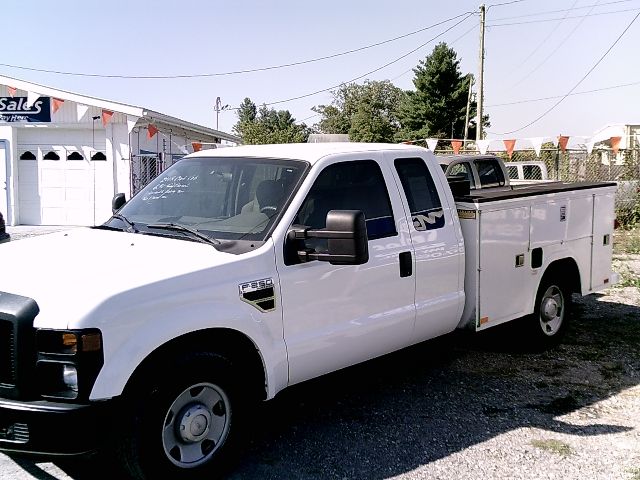
Looking for the easiest place to sell your used service/utility truck? List it here to reach thousands of buyers.
Used Service/Utility Trucks in Tennessee
Choose the chassis around the working load, not the number of tool compartments. Ford Super Duty, Chevrolet Silverado HD, GMC Sierra HD, and Ram Heavy Duty platforms cover many lighter service applications, while heavier chassis accommodate larger bodies and equipment packages. A crane, compressor, welder, fuel tank, and spare parts can consume payload quickly. Compare GVWR, individual axle ratings, tire capacities, and actual scale weights with the crew and equipment aboard. Dual rear wheels add rear tire capacity, but neither dual wheels nor helper springs authorize exceeding the chassis ratings.
Gasoline engines paired with automatic transmissions can suit local utility work with frequent stops and moderate loads. Diesels deserve consideration for sustained heavy loading, towing, and longer routes, but purchase decisions should account for engine hours as well as mileage. Diesel emissions equipment varies by model year and chassis, so identify the DPF, SCR, and DEF equipment actually fitted. Short trips and extended idling can complicate regeneration on DPF-equipped trucks. Obtain maintenance records and an ECM report showing available engine hours, fault history, and aftertreatment information.
Inspect a used service body as closely as the powertrain. Check compartment floors, lower seams, hinges, latches, weather seals, and body mounts for corrosion, water intrusion, and fatigue. Crane-equipped bodies require particular attention around the pedestal, mounting reinforcement, and outriggers. Operate compressors, welders, hydraulic circuits, lighting, and accessory charging systems under load rather than accepting an unloaded demonstration. A road test should expose transmission shift problems, steering play, driveline vibration, and weak braking. Uneven tire wear can indicate alignment trouble or a history of excessive loading.
Tennessee humidity and winter deicing make underbody inspection worthwhile, especially around brake lines, electrical grounds, frame crossmembers, and enclosed body cavities. Previous operation matters more than the truck's current location, so establish whether the chassis came from a heavily salted region or experienced flood exposure. For Tennessee operation, verify registered weight, applicable axle limits, and posted bridge restrictions against the loaded truck and any trailer. Match cab configuration, wheelbase, turning clearance, and hitch capacity to the actual service territory before committing to a body layout.
Frequently Asked Questions about Used Service/Utility Trucks in Tennessee
How do I know whether a replacement utility body will fit a used truck?
Cab-to-axle measurement is the starting point for matching a replacement utility body to a used service truck. Wheelbase alone does not establish body fit. Confirm whether the chassis is a pickup with its bed removed or a factory chassis cab, then verify frame width, mounting requirements, rear overhang, fuel-fill routing, and clearance for tires and exhaust. Obtain the body manufacturer's approved mounting dimensions before buying.
What records should I request for a used service truck with a crane?
Request the crane's inspection records, load chart, serial-number identification, and documentation for the installed mounting structure. A used crane service truck needs more than a functioning boom: the crane, pedestal, subframe, and outriggers must form a compatible installation. Check for unauthorized weld repairs and missing capacity labels. Have a qualified crane inspector evaluate the equipment before relying on its advertised lifting capacity.
Do I need a CDL to drive a service truck in Tennessee?
A Tennessee service truck generally requires a Class B CDL when its GVWR or actual gross weight, whichever is greater, reaches 26,001 pounds. A qualifying combination generally requires Class A when its combined rating or actual weight reaches 26,001 pounds and the towed vehicle exceeds 10,000 pounds by rating or actual weight. Hazardous materials requiring placards can trigger CDL requirements below those thresholds; verify endorsements and applicable exemptions.
Can I add a PTO-driven compressor to a used utility truck?
A PTO-driven compressor requires a compatible transmission, approved PTO provision, and adequate space for the drive and auxiliary equipment. An automatic transmission does not automatically provide PTO capability. Verify the transmission model, required stationary or mobile operation, engine speed controls, and hydraulic cooling needs. A used utility truck without suitable PTO provisions may be better suited to an independently powered compressor.
Is a used diesel service truck with deleted emissions equipment a good purchase?
No, a used diesel service truck with deleted factory emissions equipment is not a compliant choice for on-road operation. Federal law prohibits emissions-system tampering, and the absence of a local inspection requirement does not authorize removal. Check for missing DPF or SCR components, altered wiring, and nonstandard engine programming. Require documented restoration to the correct factory configuration before accepting the truck.