
Used Service/Utility Trucks For Sale in Pennsylvania
Used service/utility trucks for sale in Pennsylvania: compare payload, body condition, salt corrosion, and gas or diesel power for your service route.
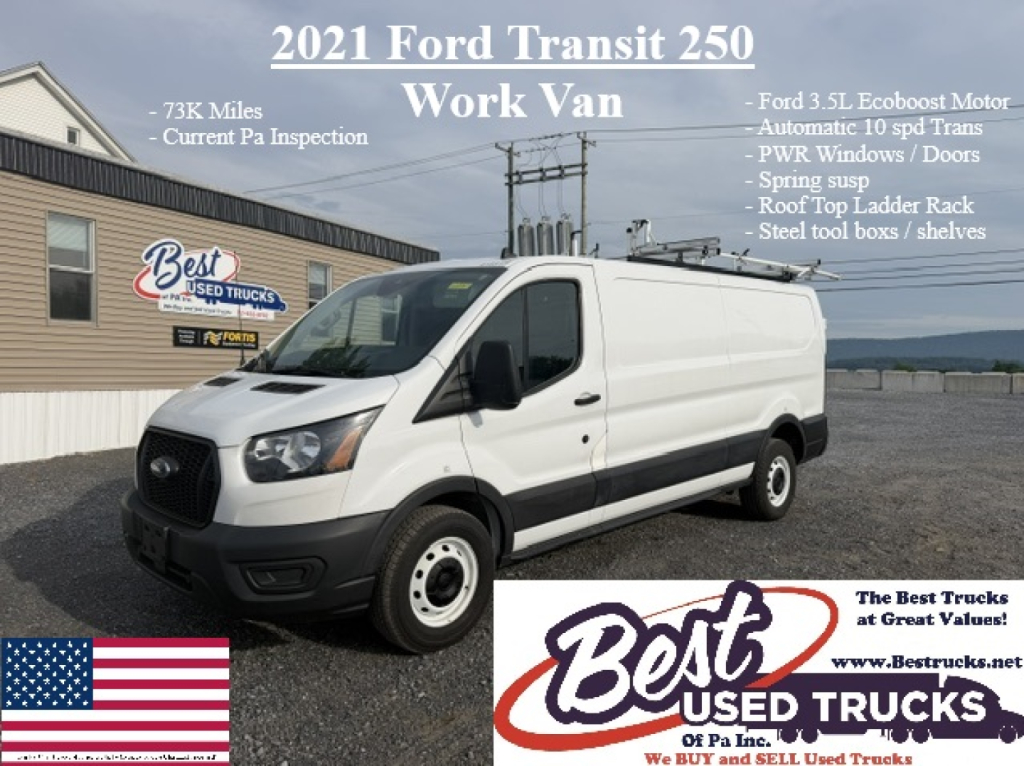
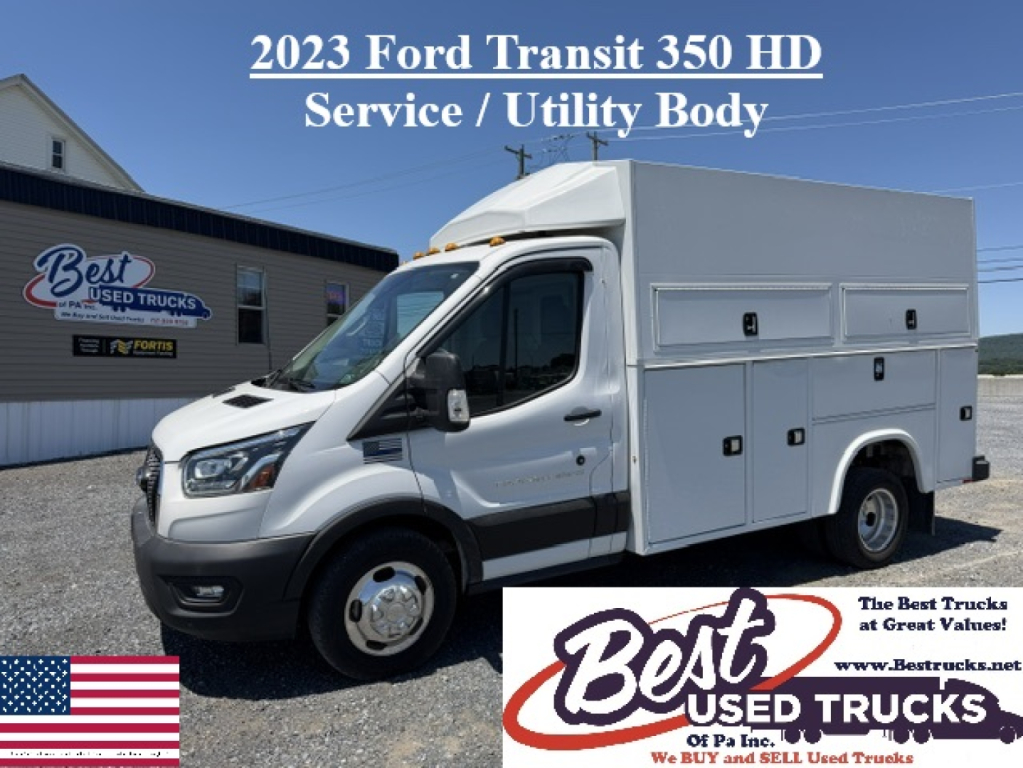
Selling a used service/utility truck? List your used service/utility truck for sale and reach thousands of commercial buyers.
Used Service/Utility Trucks in Pennsylvania
Road salt and brine collect behind compartment floors, around body mounts, and inside frame crossmembers, so inspect underneath rather than judging painted panels. Check brake and fuel lines, cab steps, spring hangers, door seals, and ladder-rack attachments. Municipal maintenance, construction, and field repair work can leave substantial idle or PTO hours despite modest mileage. On hilly Pennsylvania routes, test braking and transmission behavior under normal working loads, and confirm that four-wheel drive, if needed, leaves sufficient payload capacity.
Match gas or diesel power to the route: repeated short service calls favor simpler gasoline operation, while sustained heavy loads can justify diesel torque. Compare odometer mileage with ECM engine hours, maintenance records, and documented transmission or engine work. On emissions-equipped diesels, review DPF regeneration history and SCR/DEF repairs where fitted. Operate every compressor, generator, inverter, and hydraulic accessory under load; inspect aftermarket wiring, battery isolation, and the upfitter's body mounting. Medium-duty service trucks with cranes also need sound outriggers and documented crane maintenance.
Frequently Asked Questions about Used Service/Utility Trucks in Pennsylvania
Do I need a CDL to drive a service truck in Pennsylvania?
A Pennsylvania service truck generally requires a Class B CDL at 26,001 pounds GVWR or more, with any trailer rated at 10,000 pounds or less. Class A generally applies when the combination is rated at least 26,001 pounds and the trailer exceeds 10,000 pounds GVWR. Actual operating weight and special cargo can also affect requirements. A commercial truck below CDL thresholds may still have inspection, medical-card, or USDOT obligations.
Is a steel or aluminum utility body better for Pennsylvania winters?
Aluminum utility bodies typically save weight and avoid red rust, but steel bodies can suit work involving repeated impacts and heavy compartment loads. Pennsylvania buyers should inspect either material for structural damage, failed seams, and deteriorated mounting hardware. Aluminum bodies can still have steel subframes and galvanic corrosion around dissimilar-metal connections. Compare actual body weight, compartment ratings, and repair requirements rather than choosing by material alone.
Can I add a PTO-driven compressor to a used utility truck?
A PTO-driven compressor requires a compatible transmission or another approved engine-driven provision; an automatic transmission alone does not establish compatibility. Verify the transmission model, PTO opening, allowable torque, operating speed, and stationary-operation controls before buying a used utility truck. Hydraulic systems also need correctly sized pumps, reservoirs, cooling, and mounting space. An independent-engine or electric compressor may be more practical when the chassis lacks suitable PTO provisions.
What should I check before buying an R-title service truck in Pennsylvania?
Pennsylvania requires an enhanced safety inspection as part of titling a reconstructed service truck. That inspection does not guarantee alignment, watertight compartments, or correctly restored airbags and driver-assistance systems. Have an independent shop check frame measurements, body mounts, electrical repairs, and applicable sensor calibration records. Review damage photographs and repair invoices, and confirm that the title brand is accurately reflected in the ownership documents.