
Used Service/Utility Trucks For Sale in North Carolina

Have used service/utility truck to sell? List it here to reach thousands of buyers.
Used Service/Utility Trucks in North Carolina
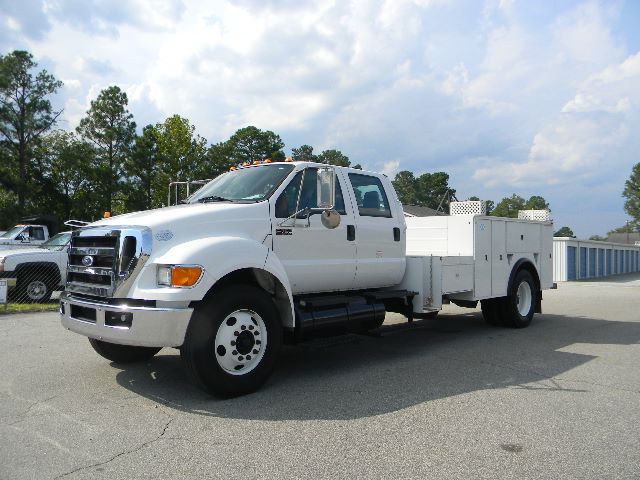
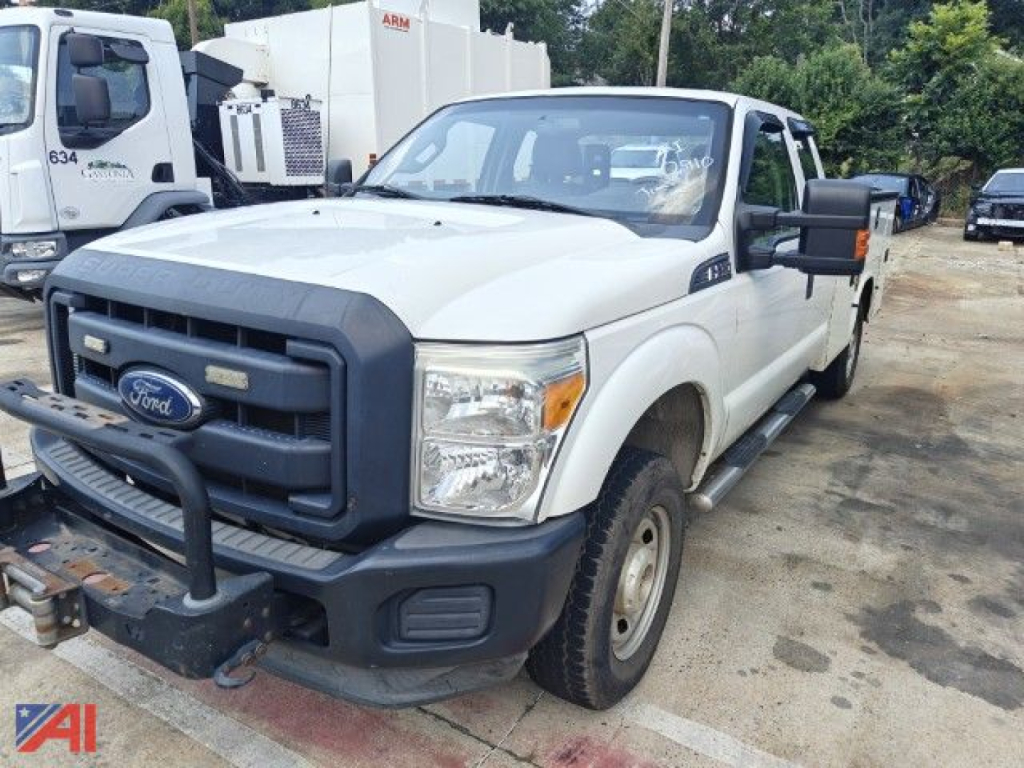
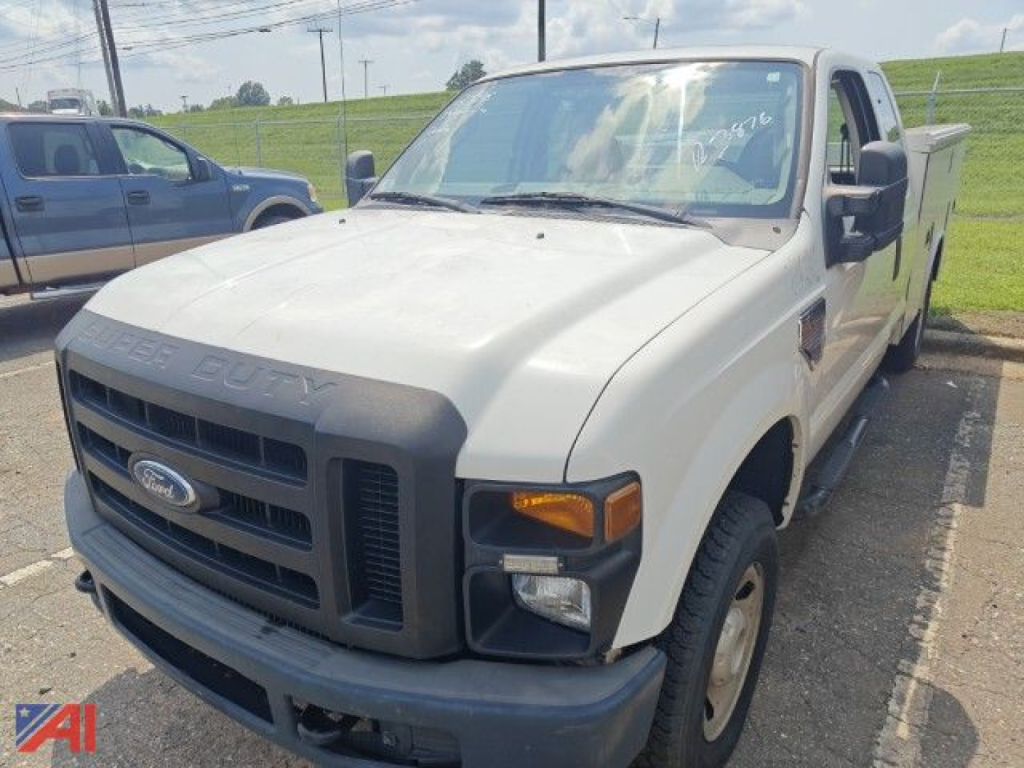
Most used service trucks in this category are built on Class 3 through Class 7 chassis from Ford, Chevrolet, GMC, Ram, International, Freightliner, and similar commercial platforms. Common configurations include single rear wheel and dual rear wheel pickups, cab and chassis trucks with enclosed utility bodies, and medium-duty models with taller compartments, rear work benches, ladder racks, or crane reinforcement. Buyers should look closely at compartment depth, shelving, drawer systems, reel carriers, vise mounts, bumper workstations, inverter or generator provisions, and any transfer tank or fuel lube equipment. If the truck has a compressor, welder, or crane, confirm PTO operation, hydraulic condition, outrigger function, and body structural integrity around the mounting points.
On used units, body condition matters as much as drivetrain history. Rust in compartment floors, sagging doors, failed seals, and damaged latches can turn a service truck into a constant maintenance item. Check for frame corrosion, service body subframe cracking, excessive idle hours, and signs of overloading such as leaning suspension or uneven tire wear. Medium-duty trucks may offer diesel engines, air brakes, and higher GVWR for heavier tooling and crane work, while lighter gas-powered utility trucks are often easier to maintain for city and regional service use. A crew cab can add flexibility for utility crews, but it reduces body length, so buyers need to balance passenger capacity against storage volume.
For North Carolina buyers, service truck selection often comes down to terrain, fleet support, and licensing needs. Coastal humidity can accelerate corrosion in doors, hinges, and electrical systems, while inland construction and municipal use can be hard on suspensions and PTO-driven accessories. Verify GVWR, axle ratings, tire size, and any CDL implications before buying, especially on larger utility bodies or crane-equipped trucks. A well-matched used service truck should reduce trailer dependence, keep technicians organized, and shorten repair response time by putting the most-used tools and components directly on the vehicle.
Frequently Asked Questions about Used Service/Utility Trucks in North Carolina
What is the difference between a service truck and a utility truck?
The terms are often used interchangeably, but service truck usually refers to a mechanic-style body designed for repair work, tools, parts storage, and field service equipment. Utility truck can mean the same body style, but it is also commonly used for trucks supporting electrical, telecom, municipal, or contractor operations. The key is the body configuration. Side compartments, locking cabinets, ladder or material racks, and accessory mounts define the truck more than the label.
What should I inspect first on a used service or utility truck?
Start with the body and its mounted equipment. Open every compartment, inspect floors and shelves for rust or cracking, and make sure doors, hinges, seals, and locks work correctly. Then inspect the chassis for frame corrosion, suspension wear, brake condition, tire wear patterns, and signs of overload. If the truck has a crane, compressor, welder, generator, or hydraulic system, verify operating condition and check for leaks, damaged hoses, and PTO engagement issues. A clean engine and transmission history is important, but the body and work systems often drive the real replacement cost.
Are diesel or gas engines better for a used utility body truck?
It depends on payload, duty cycle, and service area. Gas engines are often a strong fit for lighter service bodies, municipal use, and local routes with lower annual miles because maintenance can be simpler and less expensive. Diesel engines are more common in medium-duty service trucks that carry heavier bodies, cranes, compressors, or fuel and lube systems. They typically offer more torque and better durability under sustained load, but buyers should account for emissions system maintenance, idle time, and repair costs on older used units.
Do I need a CDL for a service or utility truck?
Not always. Many pickup-based and smaller cab and chassis service trucks fall below CDL thresholds, but larger medium-duty utility trucks can exceed 26,000 pounds GVWR or require air brake familiarity depending on the configuration. The truck's gross vehicle weight rating, actual operating weight, trailer use, and state rules all matter. Buyers should verify the door sticker, registration class, and intended payload before purchase so the truck matches driver qualifications and fleet compliance requirements.
Why are compartment layout and body upfit more important than mileage on some used service trucks?
A service truck is a mobile workspace, so layout directly affects technician efficiency. The right shelving, drawer packages, reel storage, ladder rack, crane prep, and power provisions can save time on every call and reduce the need for a support trailer. A lower-mile truck with the wrong body setup may still require expensive modifications. Many well-maintained fleet service trucks accumulate idle hours and local miles slowly, so buyers should evaluate wear, maintenance records, and how well the existing upfit matches the job before focusing only on odometer reading.