
Used 2012 Service/Utility Trucks For Sale
Browse used 2012 service/utility trucks with common specs, body styles, drivetrain options, and work-ready features for fleet and contractor use.
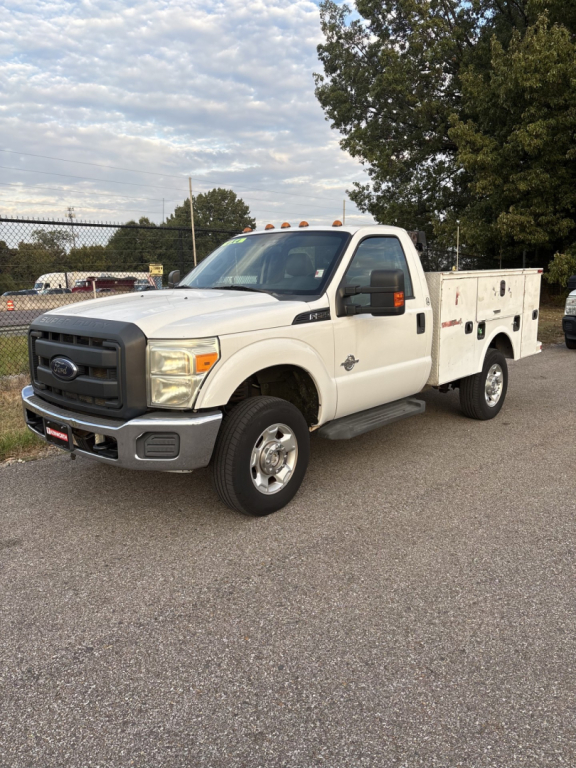
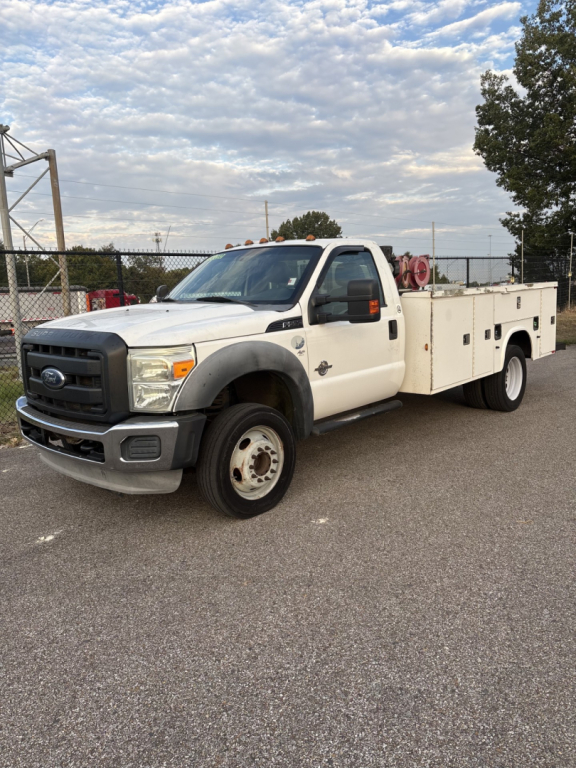
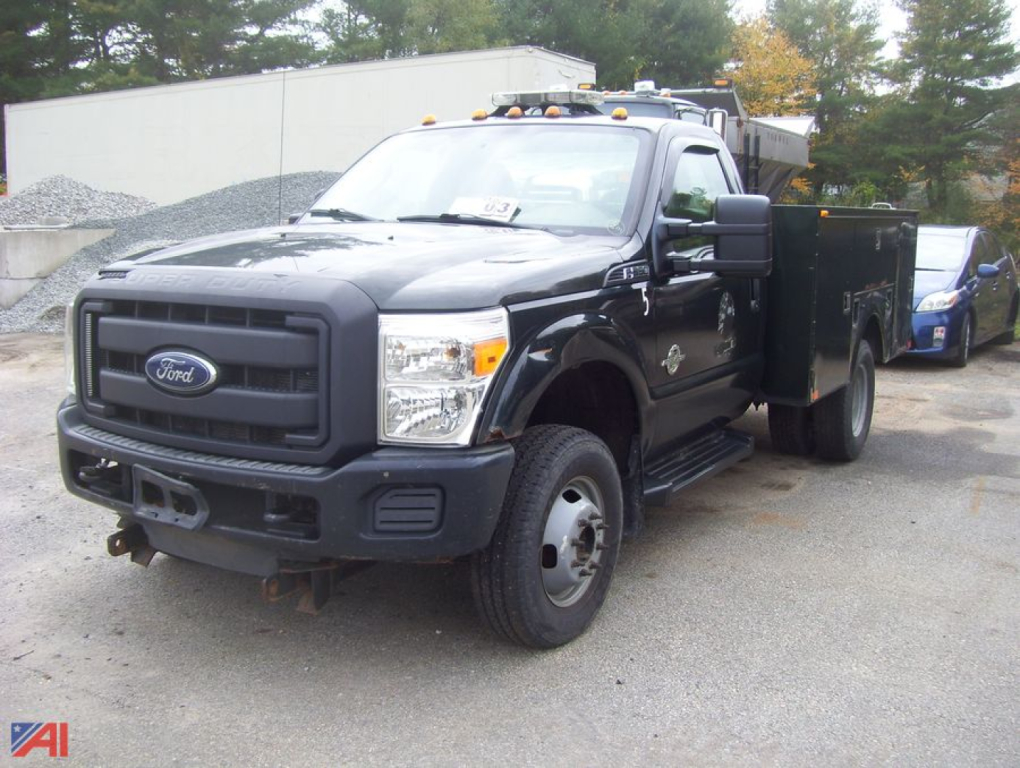
Looking for the easiest place to sell your used 2012 service/utility truck? List it here to reach thousands of buyers.
Used 2012 Service/Utility Trucks
Payload and chassis rating should be checked before anything else. A 2012 one-ton or 5500-class service truck can work well for electricians, plumbers, HVAC fleets, municipal departments, telecom crews, and general contractors, but body upfit weight adds up fast. Diesel engines such as the 6.7L Cummins were common in heavier configurations, while gas V8 trucks remained popular for lighter local-duty applications with lower maintenance complexity. Buyers should confirm GVWR, rear axle rating, suspension type, wheelbase, and whether the truck is 2WD or 4WD. In northern and off-road service, 4WD can be worth paying for. In urban fleet use, a 2WD regular cab or crew cab may offer lower acquisition cost and easier service access.
On a used 2012 service/utility truck, body condition is critical because the body is the productivity feature that sets this category apart. Inspect compartment doors, latch function, hinge wear, shelf mounts, drawer slides, weather seals, and signs of corrosion around the bed floor, wheel wells, and underbody. Fiberglass bodies can reduce rust concerns and save weight, but buyers should still check for cracked panels, damaged mounts, and door fitment. If the truck includes a liftgate, inverter, air compressor, welder, crane, generator, PTO-driven equipment, or auxiliary fuel tank, verify operation and confirm how the upfit was wired or plumbed. A clean service body with usable storage often delivers more day-to-day value than a higher trim cab.
Cab configuration and drivetrain should match the crew and route. Regular cab trucks maximize body length on a shorter overall footprint, while crew cabs make sense for multi-person field service. Automatic transmissions are most common, though some medium-duty 2012 trucks were spec'd with manuals and air brakes. Review idle hours along with mileage, especially on utility fleet units that spent time running equipment at the jobsite. Maintenance history, brake condition, tire wear, steering play, and evidence of hard PTO or towing use all deserve close attention. A well-matched used 2012 service truck can still be a cost-effective work asset if the chassis rating, body layout, and installed equipment fit the trade it is meant to serve.
Frequently Asked Questions about Used 2012 Service/Utility Trucks
What should I look for first on a used 2012 service/utility truck?
Start with the service body and chassis rating. Confirm the GVWR, payload capacity, axle ratings, and wheelbase, then inspect the body compartments, latches, shelves, drawers, and mounting points. A truck may run well but still be a poor fit if the body layout does not support your tools, parts inventory, or mounted equipment. On this category, body usefulness is often more important than cab trim or cosmetic condition.
Are 2012 diesel service trucks better than gas models?
It depends on duty cycle and chassis size. Diesel power is common on heavier Ram 5500 and medium-duty service trucks because it handles payload, towing, and extended jobsite use well. Gas engines can be a smart choice for lighter local work because they are often less expensive to buy and simpler to maintain. The right decision comes down to annual miles, idle time, load demands, and whether the truck will carry heavy equipment or tow regularly.
Is fiberglass or steel better for a service body?
Fiberglass service bodies are lighter and resist rust well, which can help preserve payload and reduce corrosion issues in wet or salted-road environments. Steel bodies are common, durable, and often easier to repair after hard worksite use, but they need closer inspection for rust, floor deterioration, and door corrosion. The better choice depends on climate, expected abuse, and how important weight savings is for your application.
How important are engine hours on a 2012 utility truck?
Engine hours matter a lot, especially on ex-fleet and municipal service trucks. Many utility trucks spend long periods idling while powering lights, compressors, inverters, or PTO equipment. A truck with moderate mileage but very high hours may show wear comparable to a much higher-mile unit. Review hours together with service records, idle history, and the condition of the charging system, cooling system, and auxiliary equipment.
What jobs are used 2012 service/utility trucks best suited for?
This category fits field-service work where technicians need locked exterior storage and a mobile parts room. Common applications include electrical, plumbing, HVAC, telecom, municipal maintenance, construction support, and light mechanic service. The best units are spec'd around the trade, with the right cab size, compartment package, rack system, and any support equipment such as liftgates, reel carriers, cranes, or power inverters.