
Service/Utility Trucks For Sale in Texas
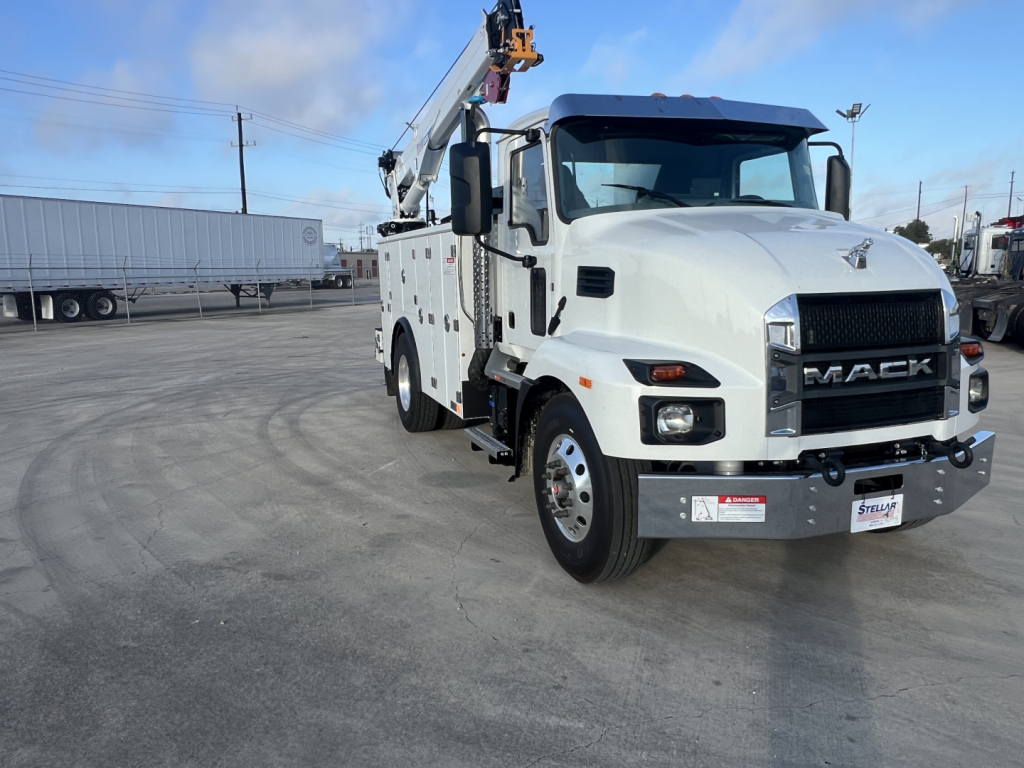
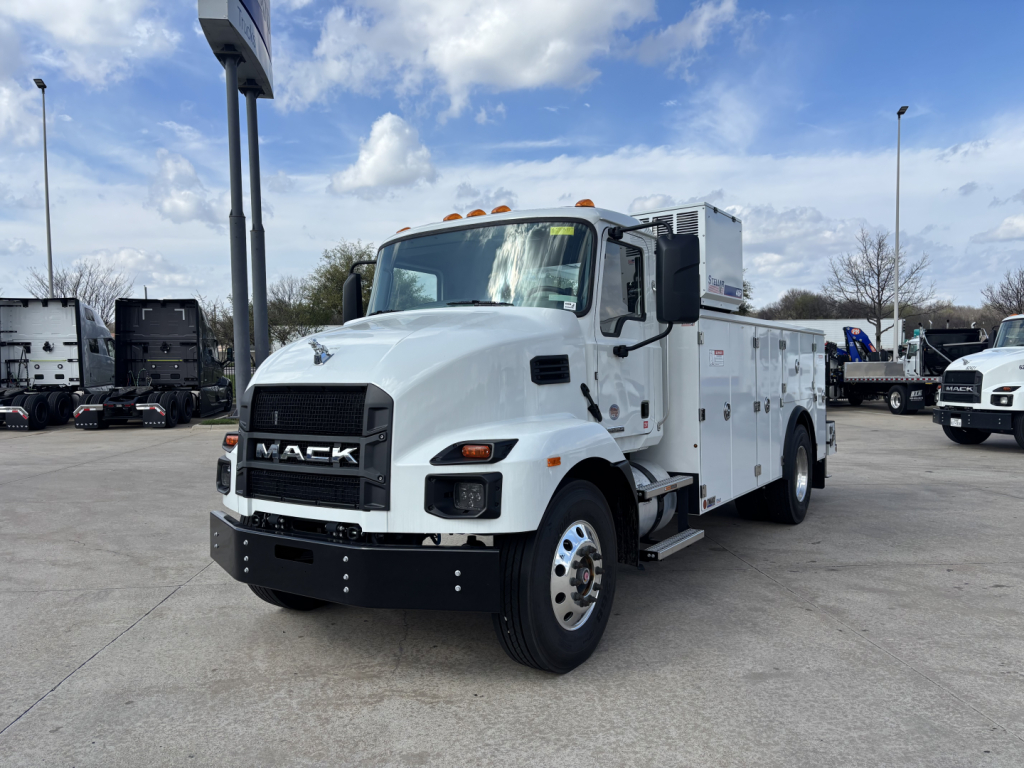
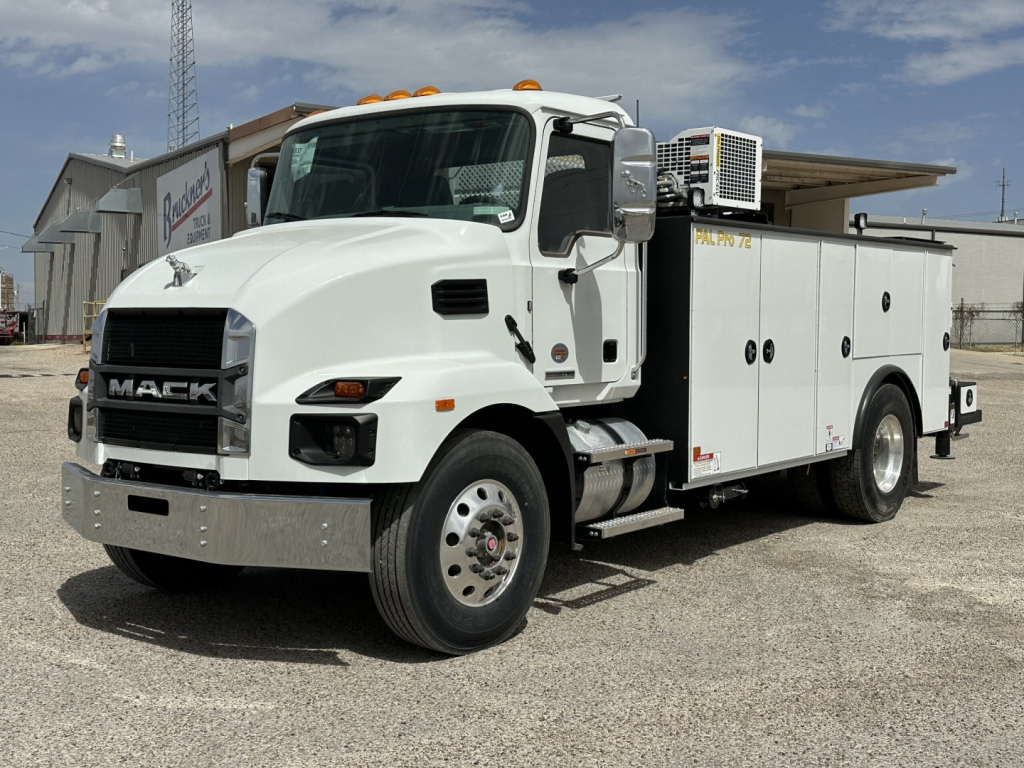
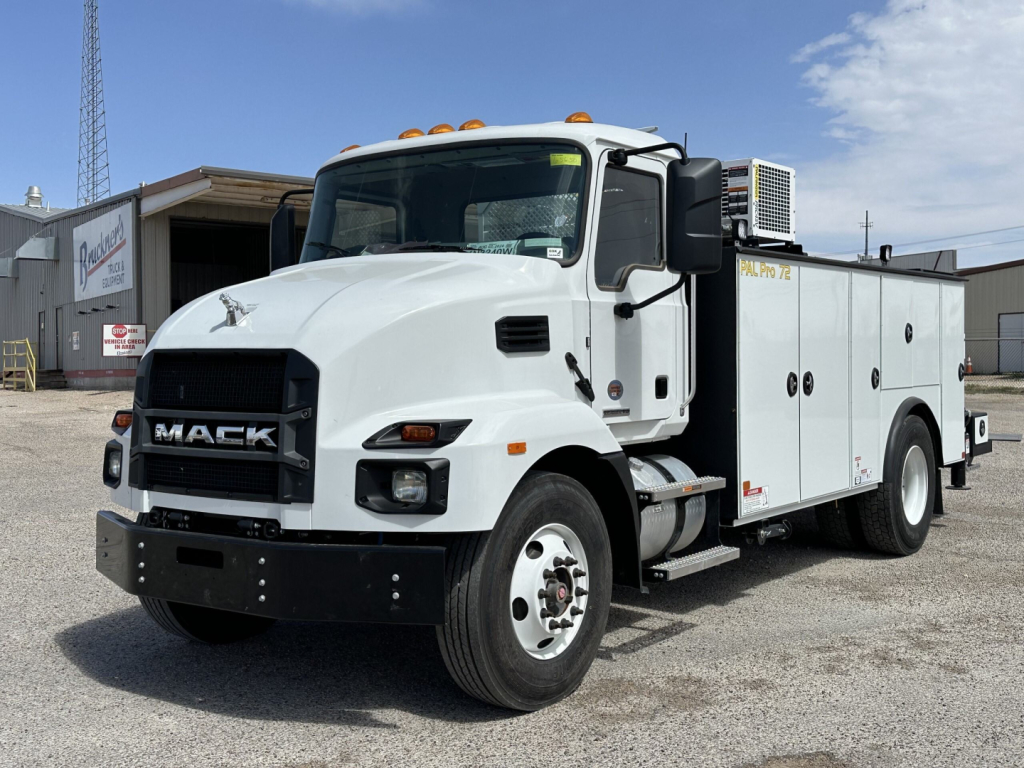
Browse service and utility trucks for sale in Texas, including mechanic trucks with cranes, compressors, storage bodies, and medium-duty chassis.
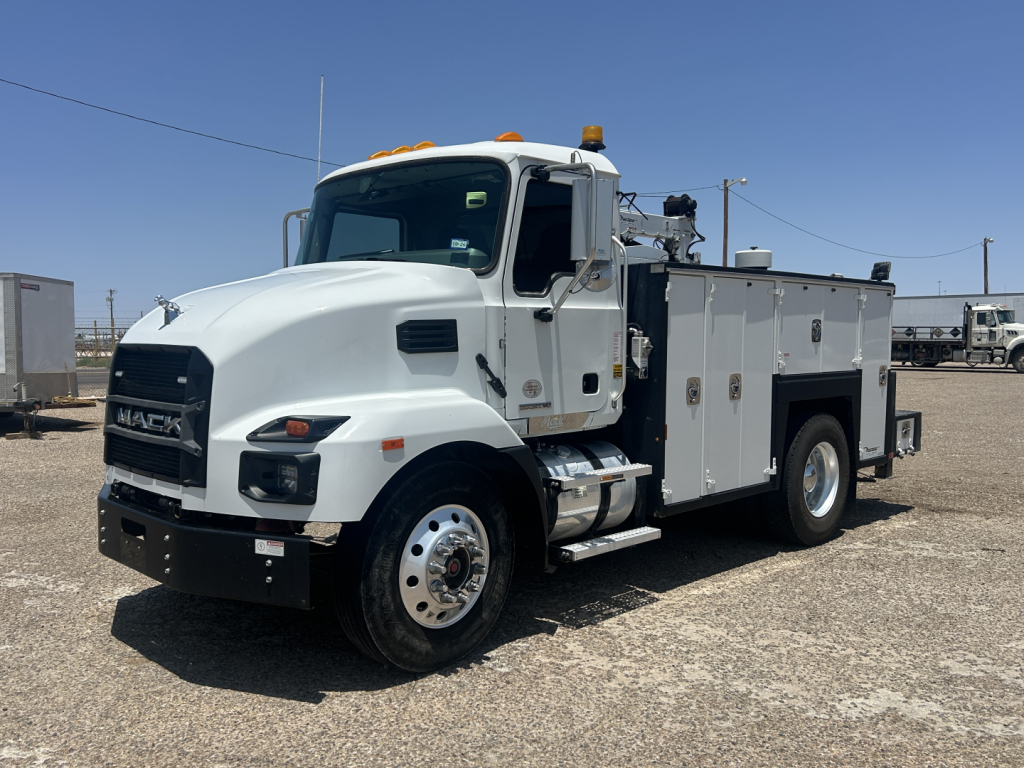
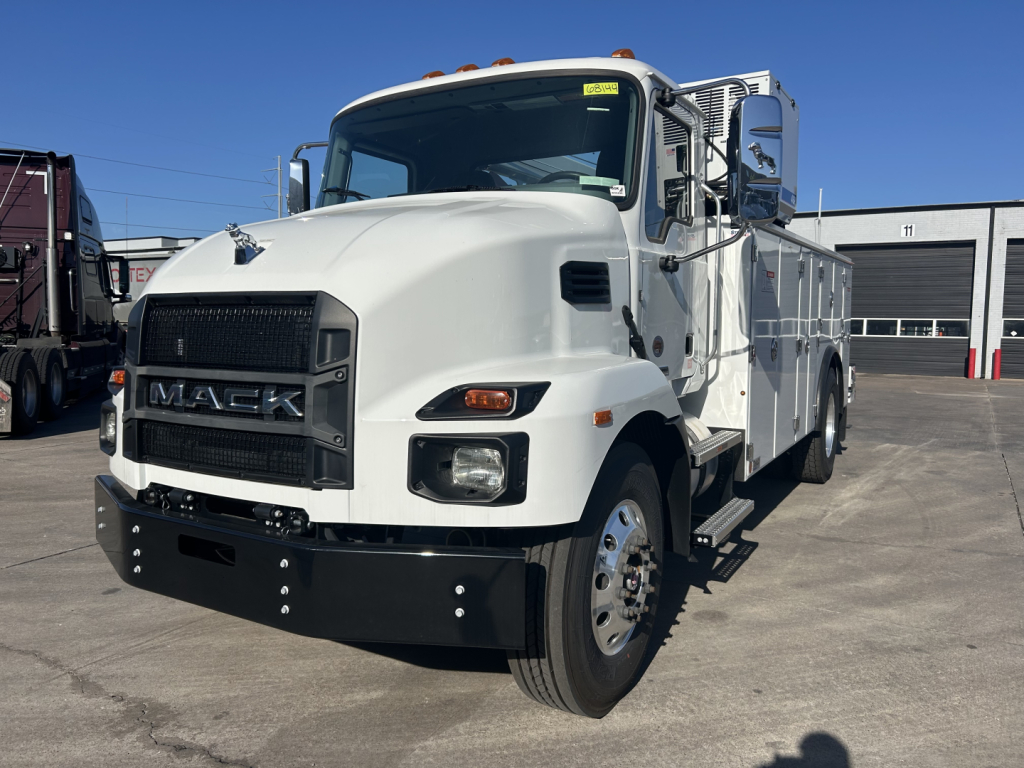
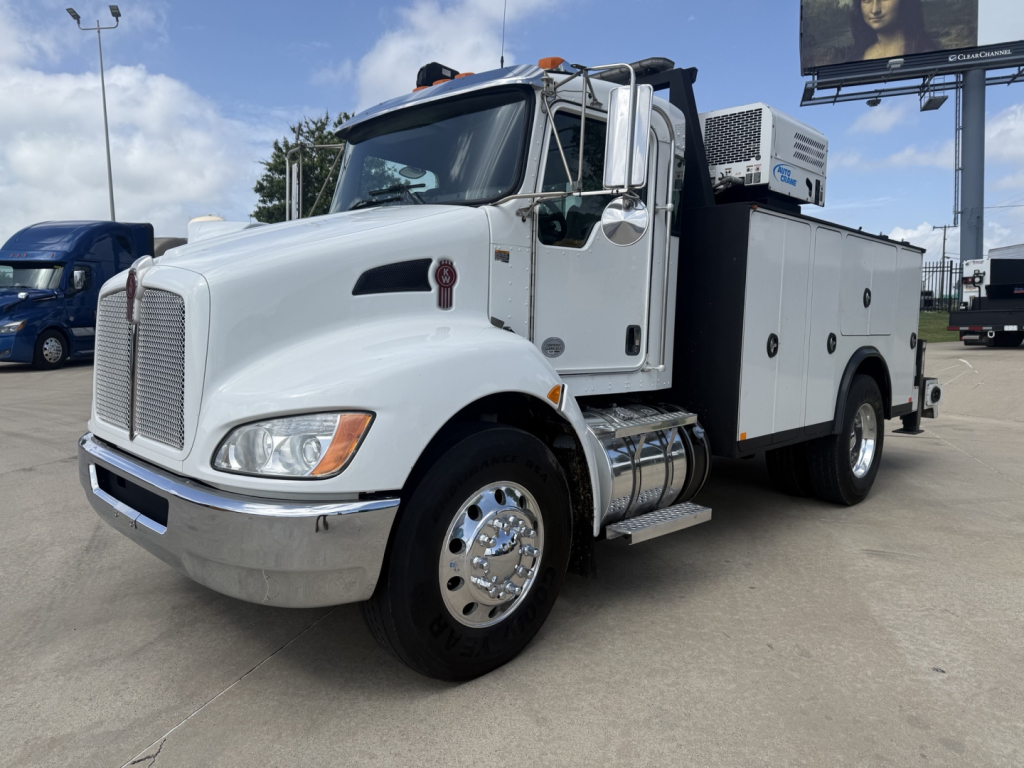
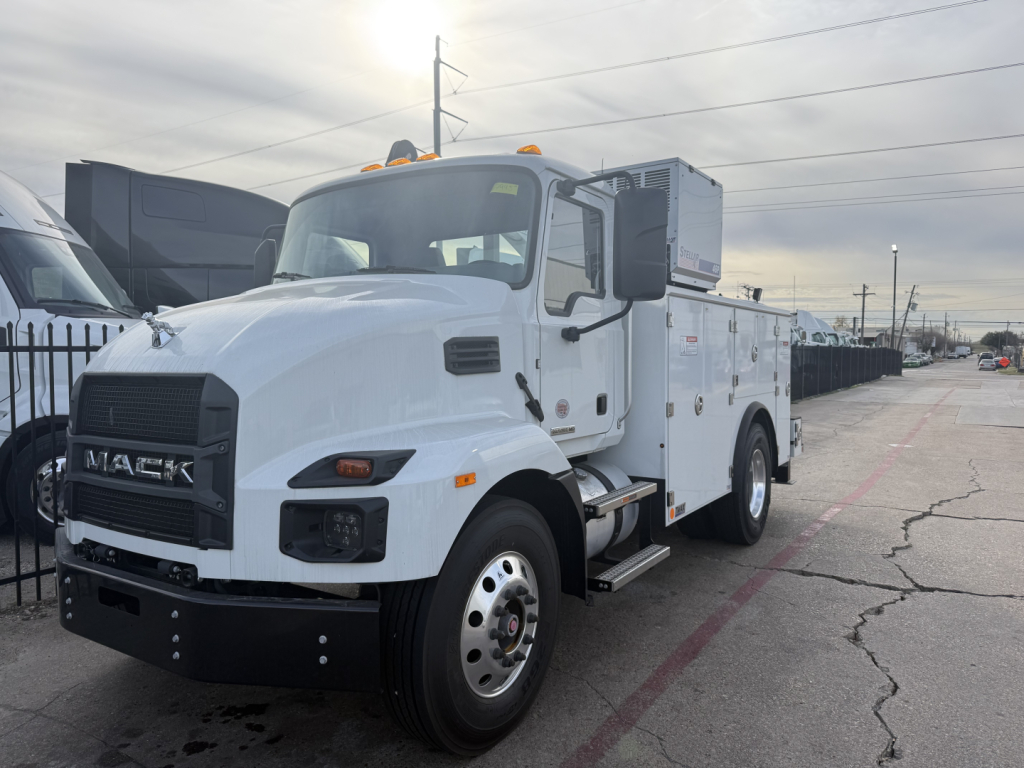

Selling a service/utility truck? List your service/utility truck for sale and reach thousands of commercial buyers.
Service/Utility Trucks in Texas
The first buying decision is usually chassis and GVWR. Many service trucks fall in the Class 6 to Class 7 range, often around 29,000 to 33,000 GVWR, with single rear axles and wheelbases matched to 11 foot to 14 foot bodies. Diesel power is common, and in this category the Cummins 6.7L paired with an Allison automatic is a familiar combination because it balances durability, serviceability, and straightforward drivability for mixed on-road and jobsite use. Pay close attention to front and rear axle ratings, suspension type, and wheelbase because a crane, compressor, welder, lube package, and loaded cabinets can move weight quickly. A truck that looks properly spec'd on paper can still end up front axle heavy or short on payload once the body is fully outfitted.
Body and crane configuration matter as much as the chassis. Mechanics bodies from builders like Stellar, Knapheide, and Palfinger are designed around compartment layout, workbench space, top deck storage, and rear access. Crane ratings are typically shown in foot-pounds and by lift capacity at a given radius, so a 10,000 to 12,000 pound maximum lift does not mean that capacity is available at full reach. Buyers should compare horizontal reach, vertical lift, boom rotation, winch speed, wireless remote controls, and safety systems such as overload protection and anti-two-block. If the truck will support field repairs, also check for hydraulic air compressors, hose reels, generators, welders, inverter packages, stabilizer design, and the size of hydraulic oil and air reservoirs. These details affect technician efficiency every day.
For Texas fleets, heat, distance, and mixed terrain put extra importance on cooling performance, reliable PTO operation, suspension stability, and body durability. Air-ride rear suspension can improve ride quality and equipment protection, while spring suspension may appeal to buyers prioritizing simplicity and load control. Drum brakes are still common in this segment, though actual stopping performance depends on overall spec and maintenance history. A good service or utility truck should be evaluated as a complete system: chassis, body, crane, hydraulics, storage layout, and legal payload. The right spec is the one that matches the technician's service area, the weight of the tools and parts carried, and the type of equipment being repaired in the field.
Frequently Asked Questions about Service/Utility Trucks in Texas
What is the difference between a service truck and a utility truck?
The terms overlap, but a service truck usually refers to a mechanic or field service unit equipped for repair work, often with a crane, compressor, welder, and tool compartments. A utility truck can describe a broader group of vocational trucks used by electric, telecom, municipal, and contractor fleets, including units focused more on storage and support equipment than heavy lifting. On many listings, the body style and installed equipment tell the real story, so buyers should look past the label and verify the crane, PTO, compartments, and payload capacity.
What GVWR is typical for a mechanic service truck?
Many mechanic service trucks are built in the 29,000 to 33,000 GVWR range on Class 6 or Class 7 chassis. That range supports a service body, crane, hydraulic system, compressor, tools, parts, and technicians without moving into a much larger platform. The right GVWR depends on the actual upfit weight and how much payload margin remains after the crane and service equipment are installed. Front axle capacity is especially important because the crane and front body compartments can place a lot of weight forward.
How should I compare crane ratings on service trucks?
Start with the crane's rated capacity chart, not just the headline maximum lift. A crane may be rated at 10,000 or 12,000 pounds at a short radius, but capacity drops as reach increases. Compare the foot-pound rating, lift at specific radii, horizontal reach, vertical lift, boom rotation, winch line speed, and remote-control setup. Safety features such as overload shutdown, load-holding valves, and anti-two-block protection also matter because they affect both operator safety and jobsite productivity.
What body features matter most on a utility or mechanic truck?
Compartment layout, top deck space, drawer systems, compressor mounting, hose reel placement, and stabilizer design have a direct effect on daily usability. Buyers should also check compartment depth, door sealing, lighting, vice mounting areas, bumper work surfaces, and whether the body leaves enough clear space for crane operation and material handling. A well-designed mechanics body saves technician time by keeping commonly used tools, fittings, and service parts organized and easy to reach.
Are automatic transmissions common in service trucks?
Yes. Allison automatic transmissions are very common in this category because they are easy to operate in stop-and-go driving, perform well around jobsites, and reduce driver fatigue compared with a manual transmission. They also pair well with medium-duty diesel engines and PTO-driven applications common on mechanic trucks. Buyers should still confirm the exact transmission model, PTO compatibility, and maintenance history because those details affect long-term operating cost and upfit performance.