
Ford Service/Utility Trucks For Sale in Florida
Browse Ford service and utility trucks for sale in Florida, including F-450 chassis cab models built for field service, tools, parts, and crew support.
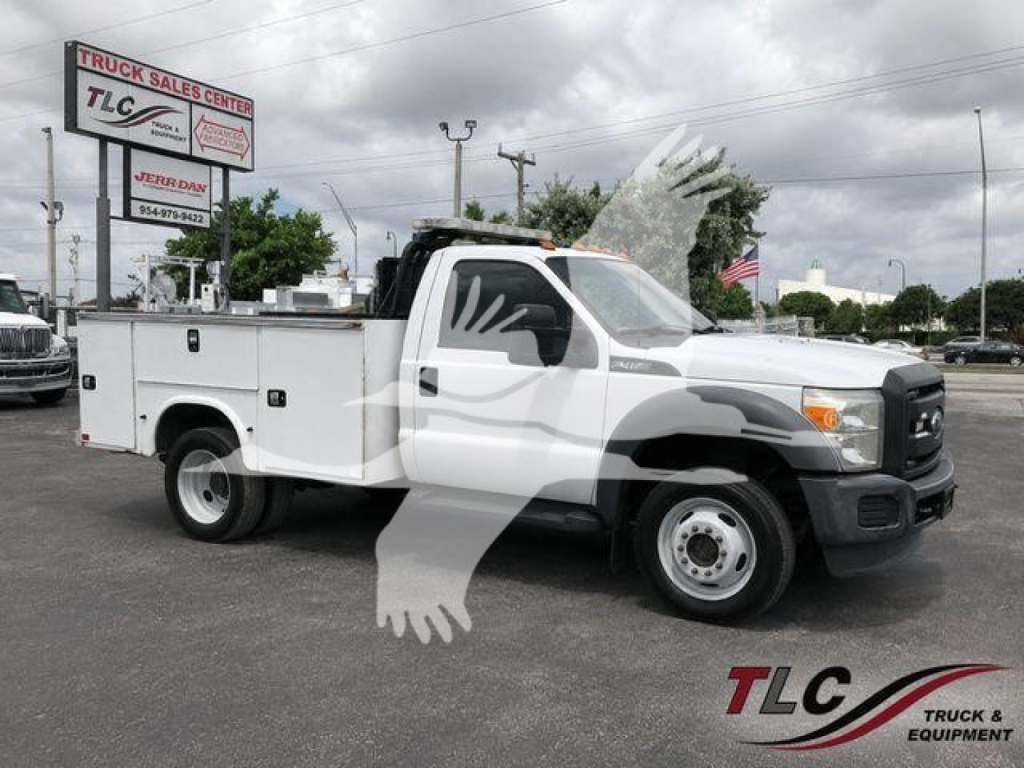
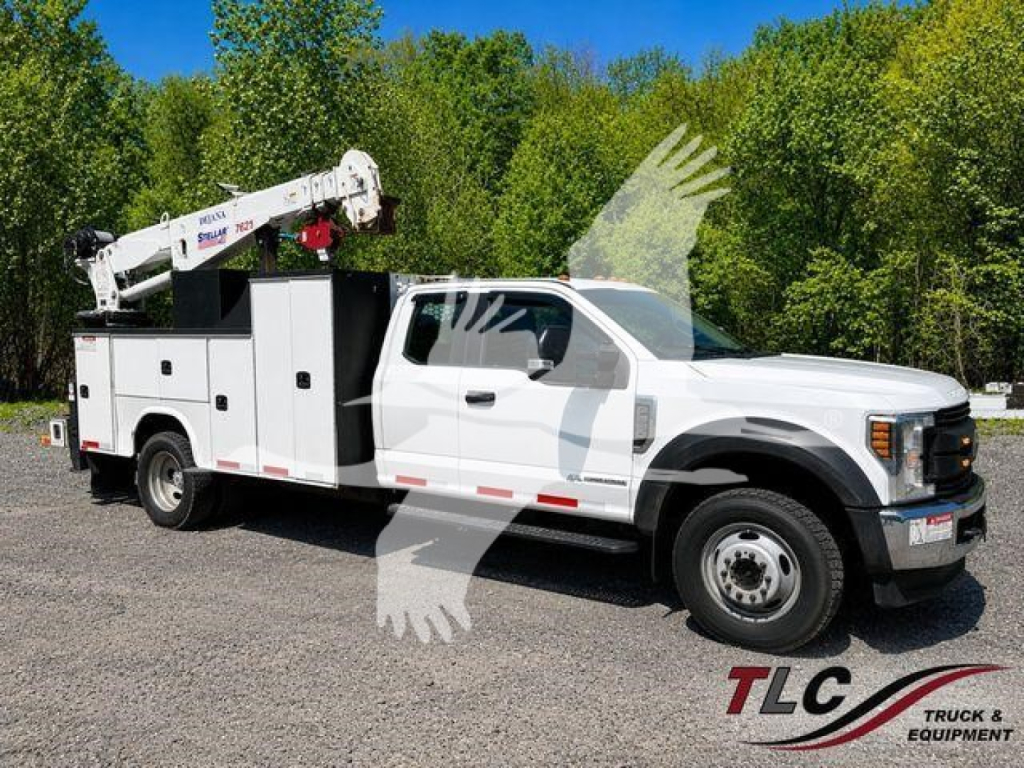
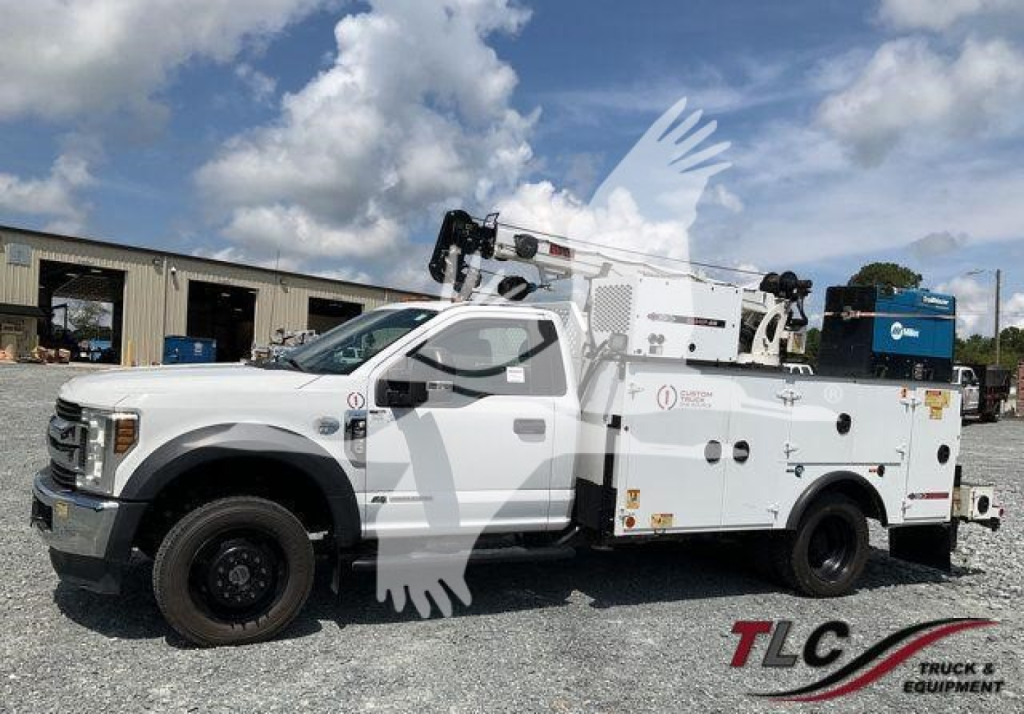
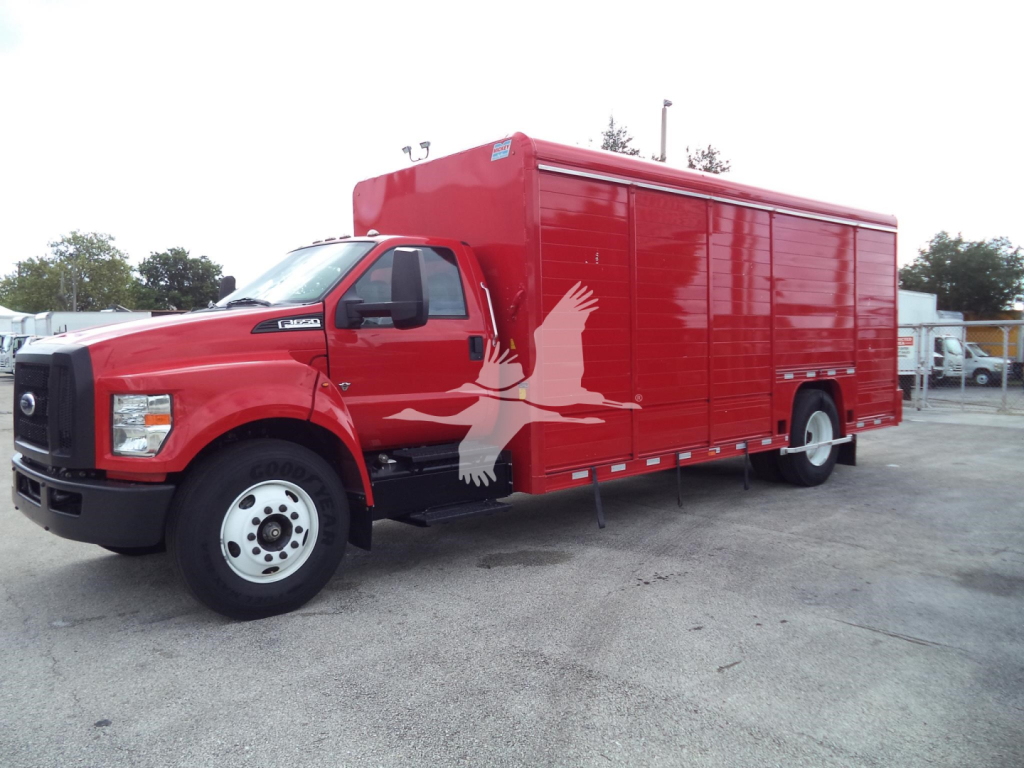
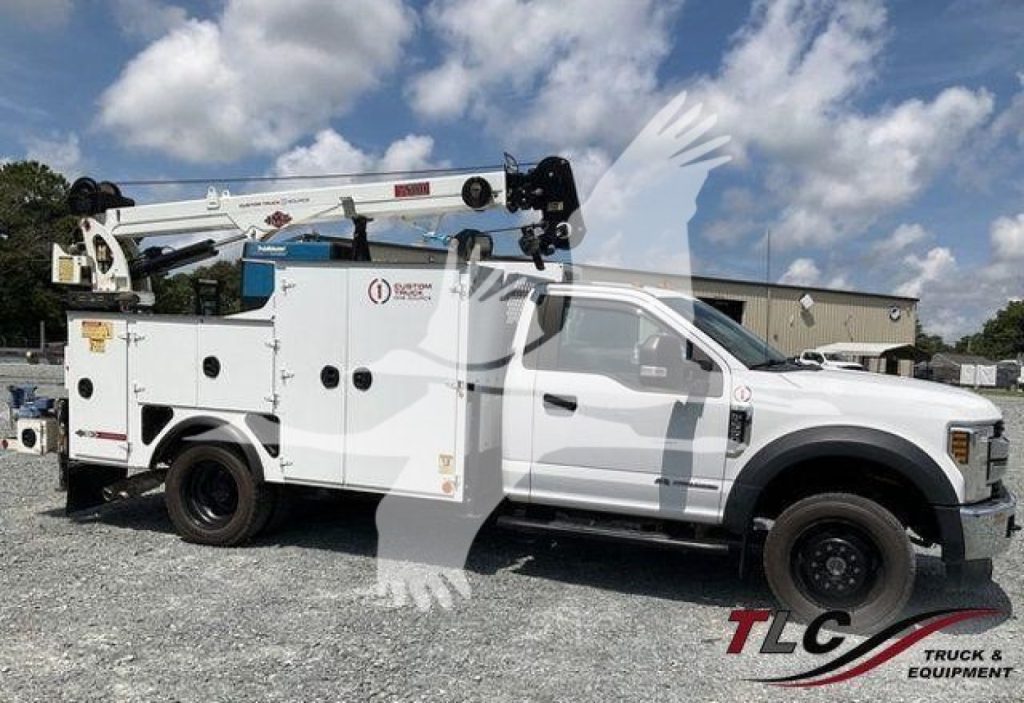
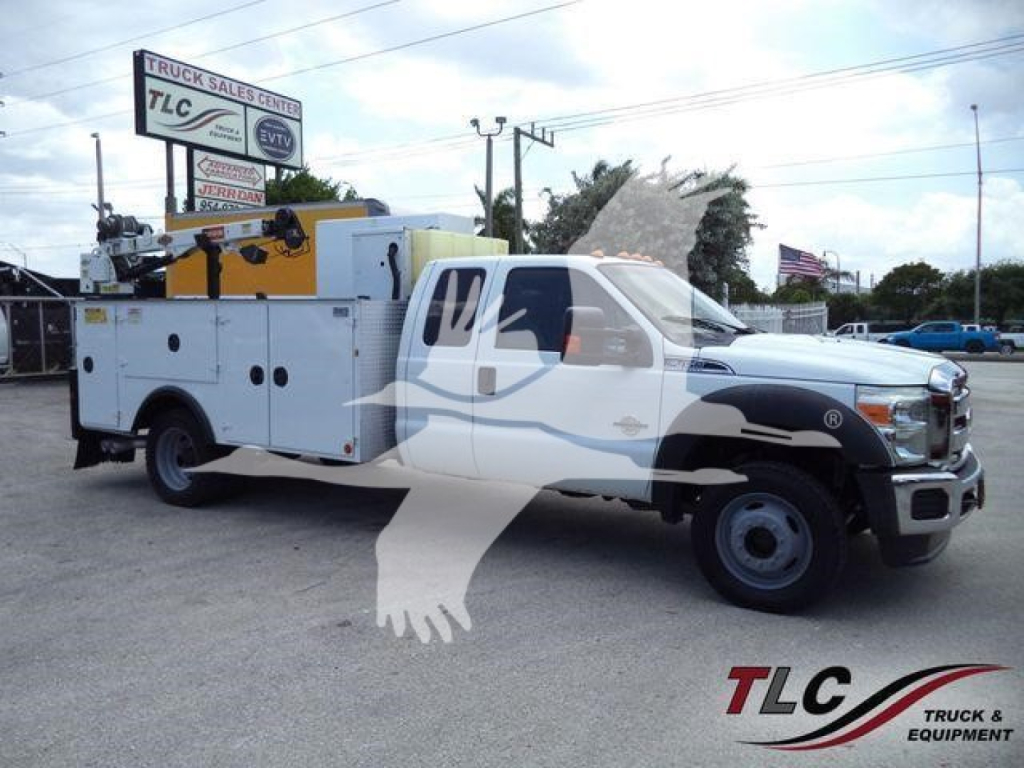
Selling a ford service/utility truck? List your ford service/utility truck for sale and reach thousands of commercial buyers.
Ford Service/Utility Trucks in Florida
The first buying decision is usually chassis size and powertrain. Many Ford utility trucks in this class are equipped with the 6.7L Power Stroke diesel, especially on F-450 and heavier chassis cab applications, because it handles loaded service bodies, compressors, generators, welders, and towing duties with less strain. Wheelbase, cab configuration, and rear axle ratio all affect how the finished truck works in the field. A regular cab on a 145-inch wheelbase is common when body length and tight turning radius are priorities, while SuperCab and Crew Cab layouts trade body space for added passenger room. On a used truck, confirm the actual body manufacturer, compartment layout, and any electrical integration through factory upfitter switches.
Service bodies, also known as utility bodies, vary more than many buyers expect. Some are basic steel bodies with side-pack compartments and an open cargo bed, while others include ladder racks, reel holders, inverter systems, cranes, outrigger packages, and enclosed tops. Compartment depth, shelf adjustability, locking system design, and corrosion resistance are important in Florida service because humidity, salt air, and frequent rain can shorten body life if the finish and seals are poor. Buyers should inspect door hinges, latch condition, weatherstripping, compartment floors, and any signs of rust around body mounts. If the truck has spent time in municipal or utility fleet service, service records and idle hours can be just as important as odometer mileage.
A good Ford service truck should match the job before it matches the price. Check payload after the body and equipment are installed, not just the chassis rating on paper. Verify trailer tow wiring, brake controller setup, suspension condition, tire date codes, and the state of any onboard compressor or generator. On diesel units, pay attention to maintenance history for the emissions system, cooling system, and transmission. For Florida buyers, air conditioning performance, cab condition, and electrical reliability deserve extra scrutiny because these trucks often spend long hours idling or making repeated short stops in heat and humidity. A properly spec'd Ford utility truck can serve as a mobile workshop for years, but the right one is defined by body configuration, service history, and how well the chassis supports the actual workday.
Frequently Asked Questions about Ford Service/Utility Trucks in Florida
What is the difference between a Ford service truck and a standard pickup with a utility bed?
A Ford service truck in this category is typically built on a Super Duty chassis cab rather than a conventional pickup bed platform. That matters because the chassis cab is designed for commercial upfitting, higher GVWR options, and easier integration of service bodies, cranes, compressors, and other vocational equipment. The frame, axle ratings, wiring provisions, and cab-to-axle dimensions are generally better suited to dedicated work body use than a standard pickup configuration.
Is a Ford F-450 a good choice for a service or utility body?
Yes, the F-450 is a strong middle-ground choice for many service truck applications. It offers more chassis capacity than lighter-duty trucks while remaining easier to maneuver than larger medium-duty units in urban areas, parking lots, and residential service routes. For buyers who need to carry tools, parts, and equipment while also towing a trailer or supporting diesel-powered field work, the F-450 is often a practical fit.
What should I inspect on a used Ford utility truck in Florida?
Focus on both the chassis and the body. Inspect the utility body for corrosion, water intrusion, damaged compartment doors, weak latches, and worn shelving. On the truck itself, look closely at air conditioning performance, electrical accessories, wiring repairs, tire condition, suspension wear, and signs of excessive idle time. In Florida, salt exposure, humidity, and heat can accelerate body deterioration and strain cab electronics, so those areas deserve more attention than they might in a drier climate.
Are diesel Ford service trucks better than gas models?
Diesel trucks are often preferred when the truck carries a heavier service body, runs auxiliary equipment, or tows regularly, because the added torque helps under load and in stop-and-go vocational use. Gas models can still make sense for lighter-duty fleets with shorter routes, lower annual mileage, and simpler maintenance goals. The better choice depends on payload, towing requirements, idle time, and total operating cost rather than engine preference alone.
What body features matter most on a service or utility truck?
The most important features are the ones that reduce downtime and improve organization in daily work. Buyers usually prioritize compartment size and layout, locking security, shelf configuration, ladder rack design, lighting, inverter or power supply integration, and overall body material quality. If the truck will support specialized work such as welding, telecom, or municipal maintenance, then crane prep, compressor mounting, reel storage, and upfitter electrical controls become critical as well.