
New 2026 Volvo Rolloff Trucks For Sale
Shop new 2026 Volvo rolloff trucks built on VHD chassis with heavy-duty hoists, PTO setups, and specs for waste and container work.
Learn more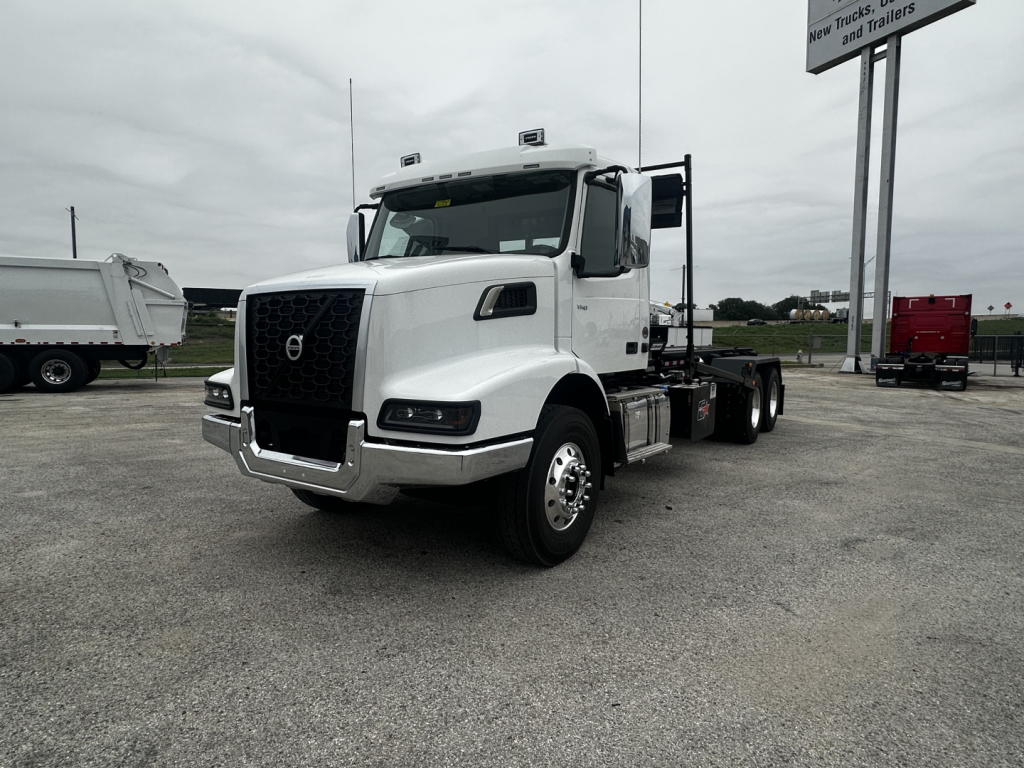
Have new 2026 volvo rolloff truck to sell? List it here to reach thousands of buyers.
About New 2026 Volvo Rolloff Trucks
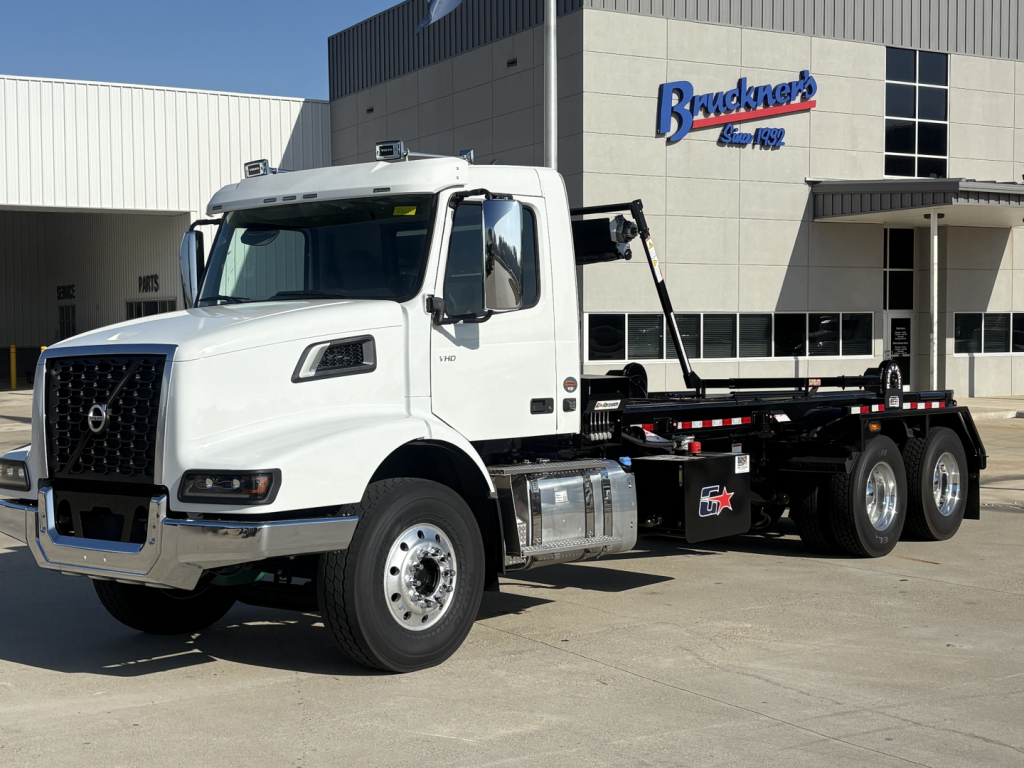
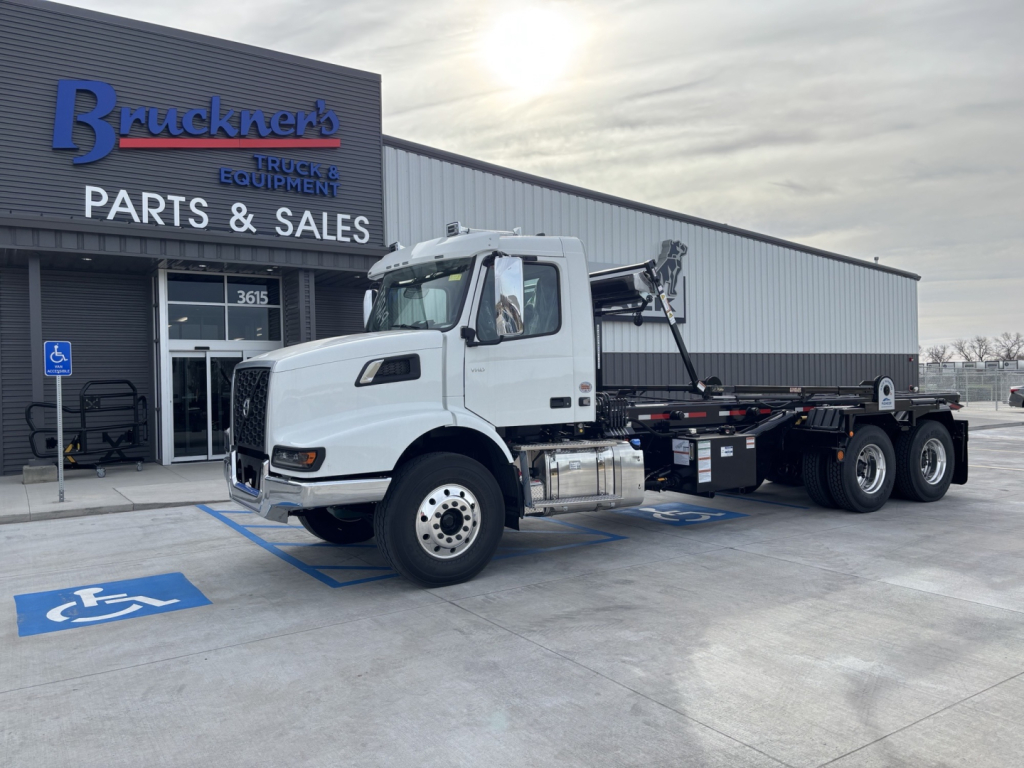
The first decisions usually come down to hoist capacity, wheelbase, and axle spec. Many new Volvo rolloff trucks in this class are set up as tandem axle units with front axle ratings around 20,000 lbs and rears in the 46,000 lb range, paired with a wheelbase sized to match the container lengths you plan to run. Hoists in the 50,000 to 60,000 lb class are common, and buyers should confirm cable or hook style, outside rail or inside rail design, and the body upfit details that affect day-to-day use, such as hot-shift PTO operation, tarper systems, toolbox placement, and lighting. If the truck will work in tight urban environments, turning radius, back-of-cab clearance, and hoist geometry matter just as much as rated lifting capacity.
Powertrain selection is another major factor. Volvo vocational chassis are often spec'd with diesel engines in the 400-plus horsepower range, such as the D11, matched to an Allison automatic for stop-and-go operation and simpler driver training. That combination is popular in rolloff service because it handles frequent starts, PTO engagement, and variable payload conditions well. Buyers should also pay attention to differential locks, suspension choice, frame reinforcement, and PTO compatibility, since rolloff work puts constant stress on driveline and chassis components. A properly matched rear axle ratio can make a noticeable difference in launch performance, gradeability, and fuel use on mixed local routes.
A well-spec'd new Volvo rolloff truck should balance legal payload, container compatibility, and serviceability. It helps to verify cab-to-axle measurement, overall wheelbase, hoist installation quality, and how the truck is equipped for your region, including bridge law considerations, corrosion exposure, and municipal route demands. Features like air ride or vocational suspensions, camera systems, automatic tarping, and ergonomic in-cab controls can improve both safety and productivity. For fleets standardizing on a vocational platform, Volvo rolloff trucks are often chosen for driver comfort, strong visibility, and a chassis that can be tailored to waste, recycling, and construction hauling operations.
Frequently Asked Questions
What chassis is most common for a new 2026 Volvo rolloff truck?
The Volvo VHD is the most common chassis in this category because it is designed for severe-duty and vocational applications. It offers the frame strength, axle capacity, and layout flexibility needed for rolloff hoists, container handling, and repeated loading cycles. Tandem axle configurations are especially common for rolloff work because they support higher gross vehicle weight ratings and better match the demands of waste, scrap, and construction hauling.
What hoist capacity should I look for on a Volvo rolloff truck?
The right hoist capacity depends on the container sizes, material type, and average loaded weights in your operation. Many trucks in this class use 50,000 to 60,000 lb hoists, which are common for waste, recycling, and construction debris service. It is important to match the hoist not only to maximum lift needs but also to chassis wheelbase, frame spec, and the style of containers you run, since stability and loading geometry affect real-world performance as much as the published rating.
Why are Allison automatic transmissions common in rolloff applications?
Allison automatics are popular in rolloff service because they perform well in stop-and-go routes, frequent starts, and repeated PTO-related work. They simplify operation for drivers, reduce clutch wear compared with a manual in heavy urban use, and generally pair well with vocational engine calibrations. For fleets running multiple operators or dense city routes, an automatic transmission can also improve consistency and help reduce driver fatigue.
What specs matter most when comparing Volvo rolloff trucks?
The most important specs are axle ratings, wheelbase, cab-to-axle measurement, hoist capacity, engine horsepower and torque, transmission type, suspension, and rear axle ratio. Buyers should also review PTO setup, differential locks, tarper equipment, and any upfit details that affect service access or loading efficiency. These specifications determine legal payload, container compatibility, route suitability, and long-term durability in vocational service.
Are Volvo rolloff trucks suited for waste and construction hauling?
Yes. Volvo rolloff trucks are commonly used in waste, recycling, demolition, and construction applications because the VHD platform can be spec'd for heavy-duty container work and demanding local routes. The chassis can support the hoist systems, axle capacities, and driveline components needed for repeated loading and unloading, while still offering a cab designed for operator comfort and visibility during busy daily service.