
Used 2021 Rolloff Trucks For Sale
Shop used 2021 rolloff trucks for waste, scrap, demolition, and container hauling. Compare hoist capacity, axle ratings, PTO setup, and GVWR.
Selling a used 2021 rolloff truck? List your used 2021 rolloff truck for sale and reach thousands of commercial buyers.
Used 2021 Rolloff Trucks
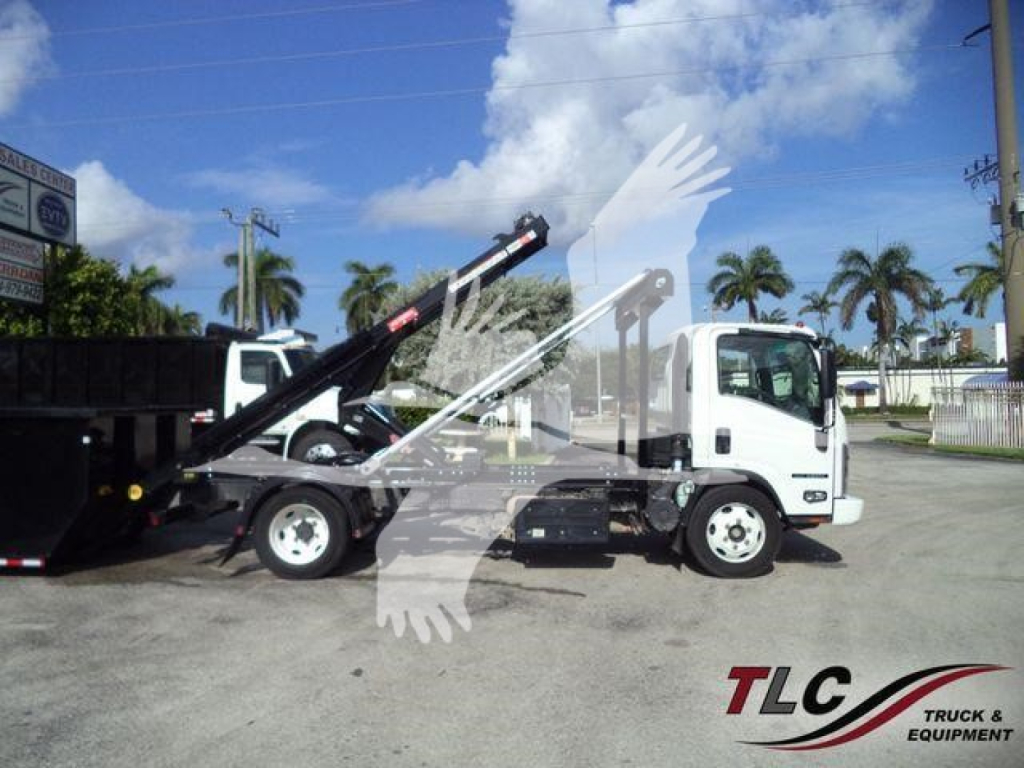
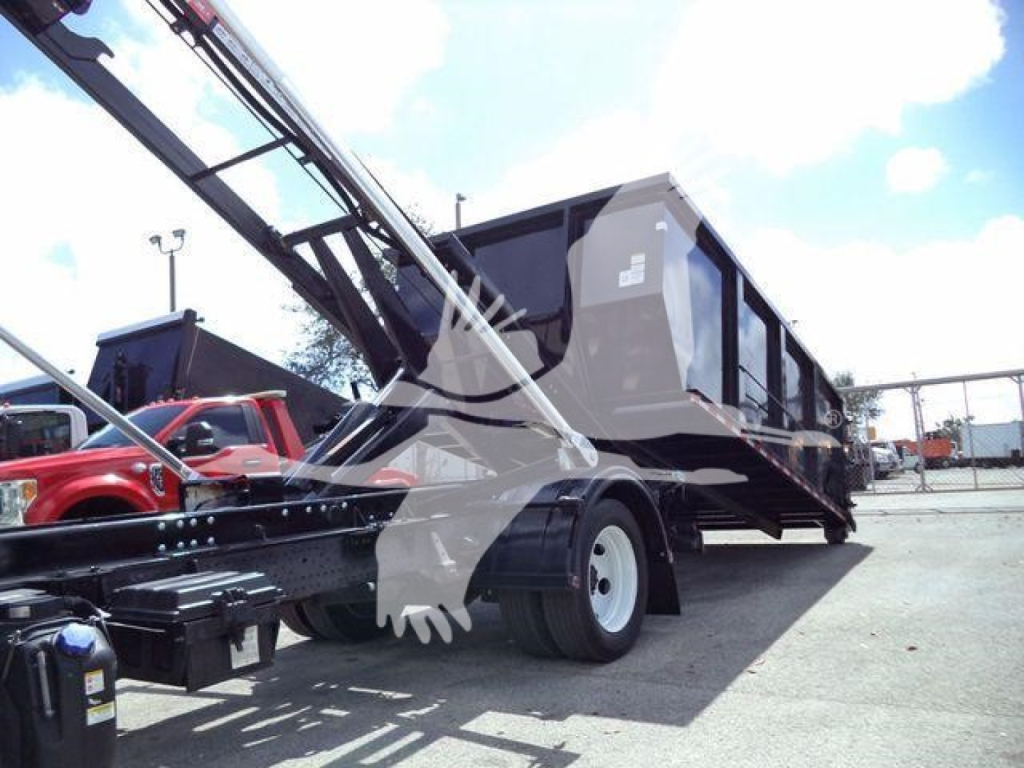
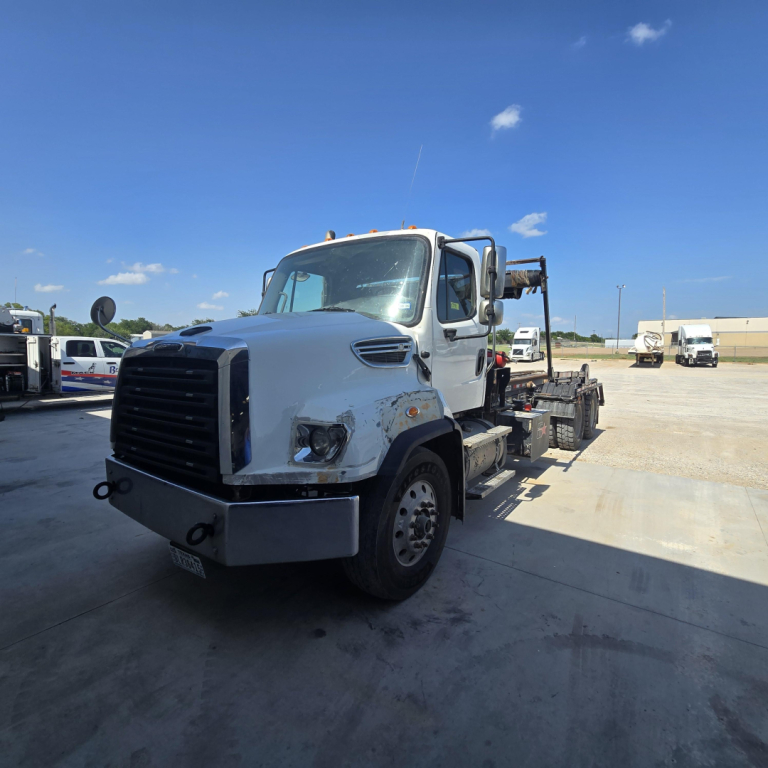
For full-size rolloff work, pay close attention to hoist capacity, wheelbase, cab-to-axle, and axle ratings. Typical heavy rolloff trucks may carry front axles in the 18,000 to 20,000 lb range, tandem rears from 40,000 to 46,000 lb, and in some applications a lift axle to support higher gross vehicle weight. Buyers comparing 2021 units should verify whether the truck has a cable hoist or hooklift, the rated hoist capacity, PTO and hydraulic pump configuration, container length compatibility, and tarping system type. A double frame, rear locking system condition, winch and cable wear, hoist pin and bushing play, and hydraulic cylinder condition all matter just as much as engine and transmission specs. Automatic transmissions are common on medium-duty and urban route trucks, while manual and automated manual setups still appear in heavier tandem-axle applications.
A 2021 used rolloff truck may also reflect the transition period in emissions systems and chassis electronics that buyers need to inspect carefully. Engine hours, idle time, DEF system history, aftertreatment service records, PTO engagement quality, and hydraulic response under load tell you more than odometer miles alone. On medium-duty rolloff trucks, common applications include mini-rolloff or dumpster delivery with 4x2 chassis, lower GVWRs, and compact containers. On heavier tandem trucks, the focus shifts to repeated container swaps, demolition debris, and long-duty-cycle commercial hauling. If the truck will run in tight urban areas, turning radius, overall length, and non-steerable versus steerable lift axle design can affect productivity every day.
The best 2021 rolloff truck for sale is the one matched to your container fleet, route density, and disposal or transfer station weights. Buyers should confirm body maker support, parts availability for the hoist system, compatibility with existing boxes, and whether the truck includes practical vocational details such as air to the rear, pintle equipment, trailer wiring, tarp controls, backup camera systems, and cab protection. A clean used 2021 truck can offer a very good balance of remaining service life, operator comfort, and current-spec vocational performance, especially when the chassis, hydraulics, and hoist are evaluated as one working system instead of as separate components.
Frequently Asked Questions about Used 2021 Rolloff Trucks
What should I look at first when comparing used 2021 rolloff trucks?
Start with hoist type, hoist capacity, axle ratings, and container compatibility. Those four items determine what work the truck can actually perform. After that, inspect the hydraulic system, PTO operation, winch and cable condition, rear locks, frame rails, and any play in the hoist pins or bushings. A truck with a strong engine and transmission can still become expensive quickly if the rolloff system itself is worn or mismatched to your boxes.
What is the difference between a cable rolloff truck and a hooklift?
A cable rolloff truck uses a winch and cable to pull containers onto rails, and it is common in traditional waste and scrap applications with standardized rolloff cans. A hooklift uses a hydraulic hook arm to pick up compatible bodies or containers and is often chosen for fleets that want more body flexibility. Hooklifts can swap between dump bodies, flatbeds, and containers, but the body interface has to match the system. The right choice depends on the containers you already own, the cycle time you need, and how standardized your operation is.
Are used 2021 rolloff trucks available in both medium-duty and heavy-duty configurations?
Yes. Medium-duty 2021 rolloff trucks are commonly used for mini-rolloff, dumpster delivery, landscaping, and smaller urban debris routes. They often run single axles, automatic transmissions, and lower GVWRs. Heavy-duty 2021 rolloff trucks are more common in construction, demolition, municipal waste, and scrap hauling, where tandem rears, lift axles, larger engines, and higher hoist capacities are needed. Buyers should match the truck class to the box size, route conditions, and legal payload requirements in their operating area.
How important are engine hours and idle time on a used 2021 rolloff truck?
They are very important because rolloff trucks spend a lot of time operating PTO-driven hydraulics while stationary or moving slowly. A truck can show acceptable mileage but still have high engine hours from jobsite work, transfer station lines, and container cycling. High idle and PTO time can affect engine wear, aftertreatment condition, and hydraulic performance history. Review service records for DEF, DPF, and emissions repairs along with PTO and hydraulic maintenance, not just general engine service.
What body and equipment details affect daily productivity on a rolloff truck?
Tarp system type, container length range, locking mechanism condition, wheelbase, lift axle setup, and rear visibility all affect daily output. A reliable automatic tarp saves time and helps with compliance. Correct wheelbase and cab-to-axle dimensions improve box fit and axle balance. Lift axle design changes bridge compliance and maneuverability. Small vocational details such as air to the rear, pintle hitch equipment, trailer plug provisions, and easy outside hoist controls can make a truck more useful across different jobs.