
New 2027 Rolloff Trucks For Sale in Texas

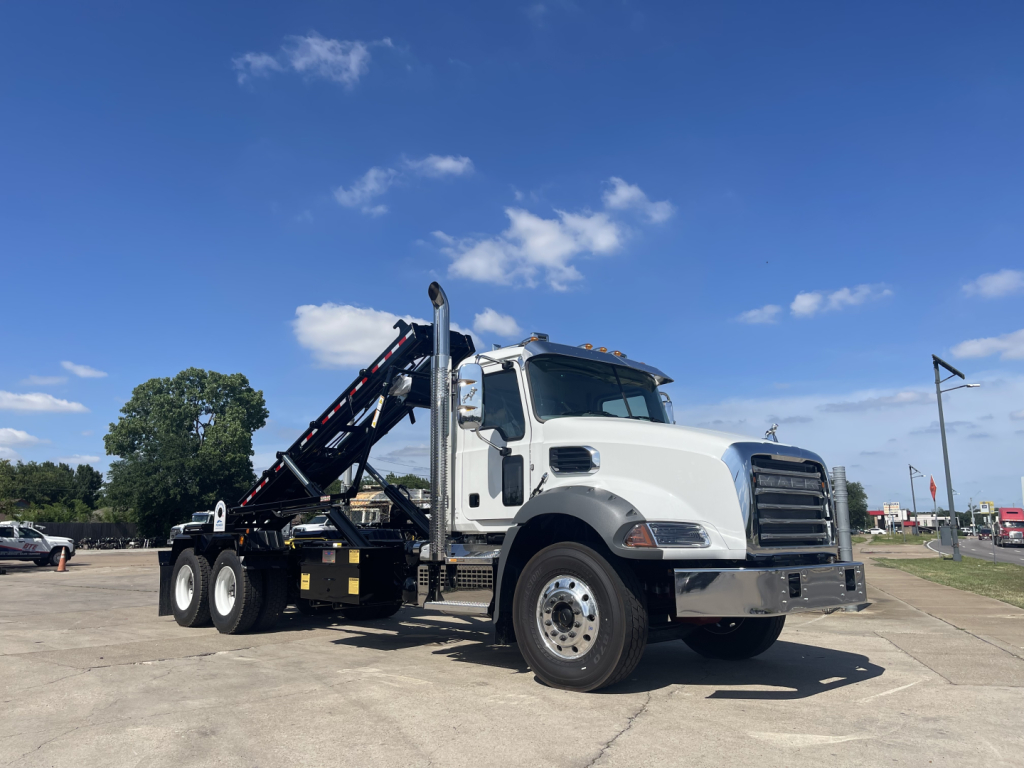
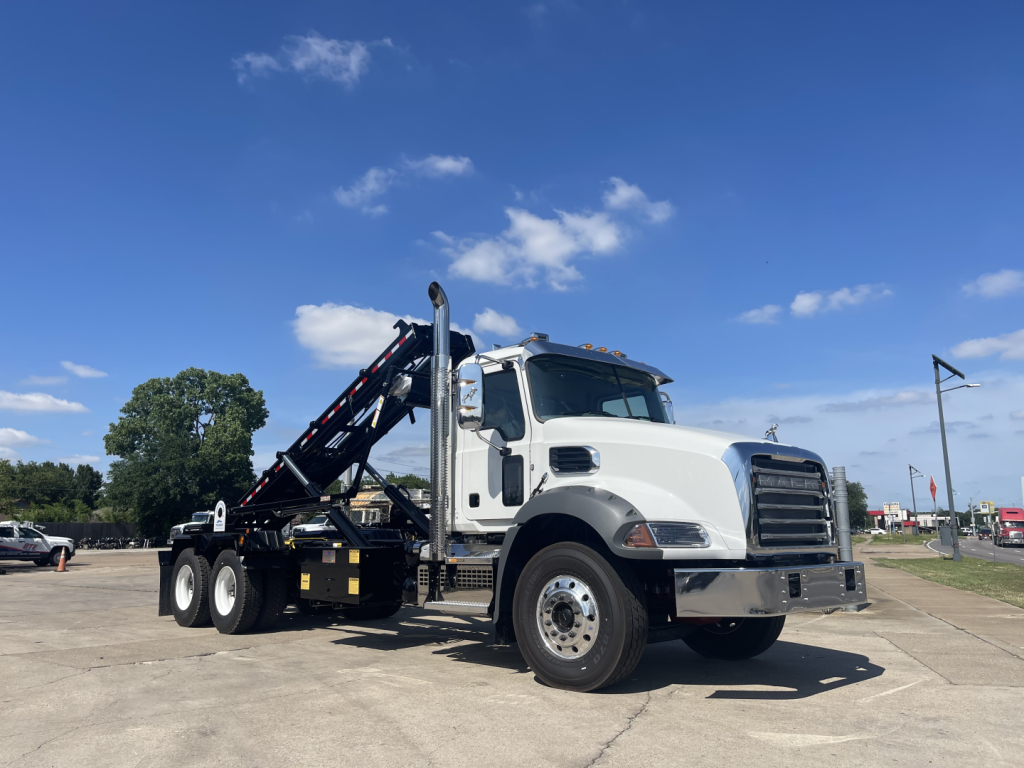
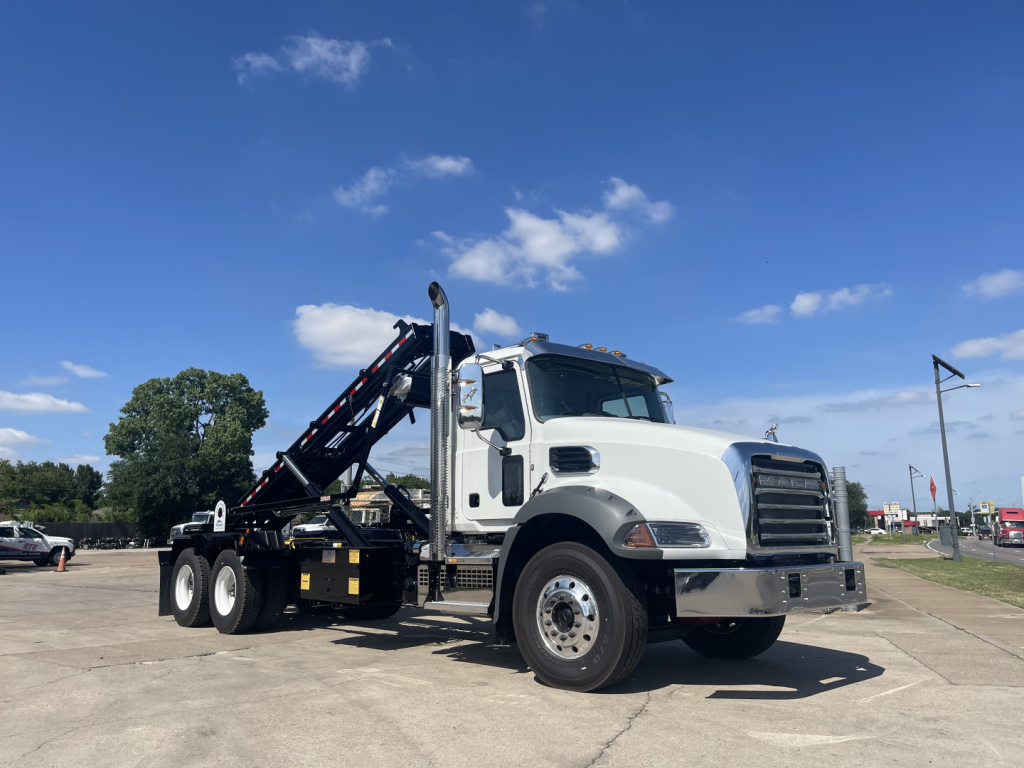
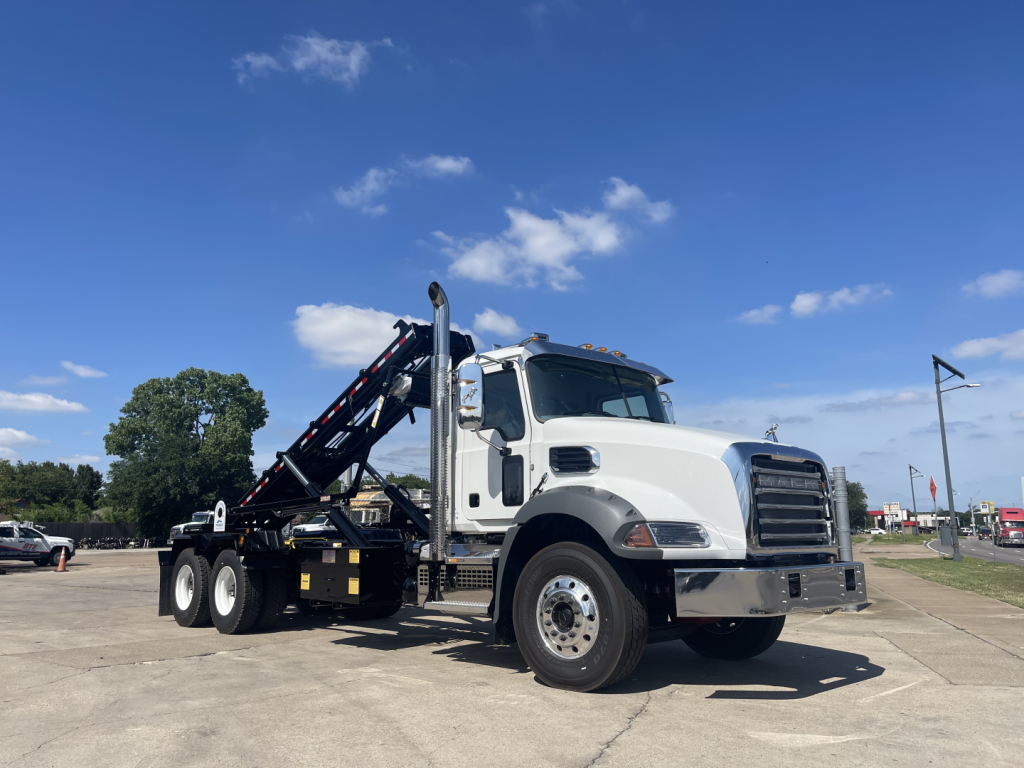
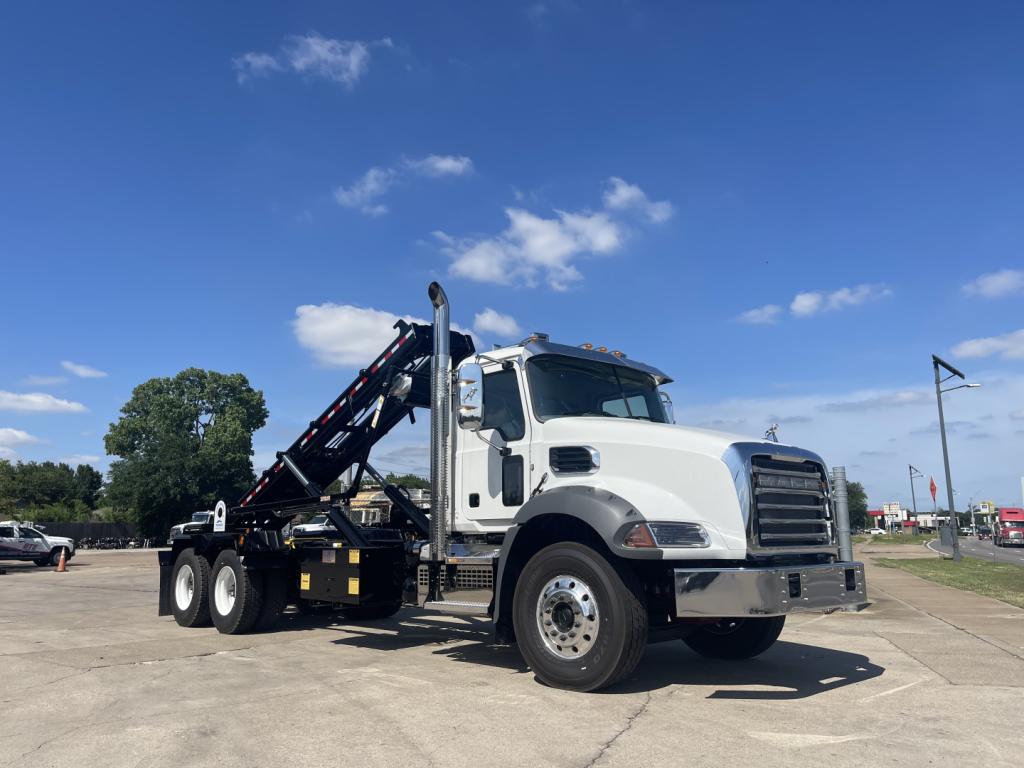
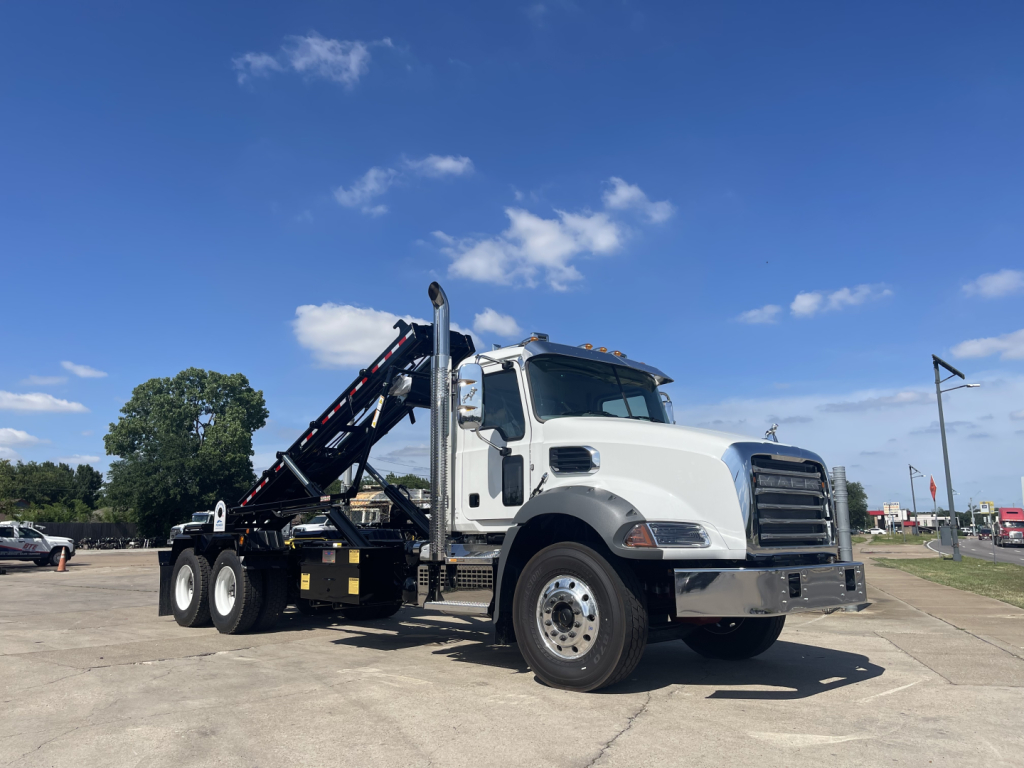
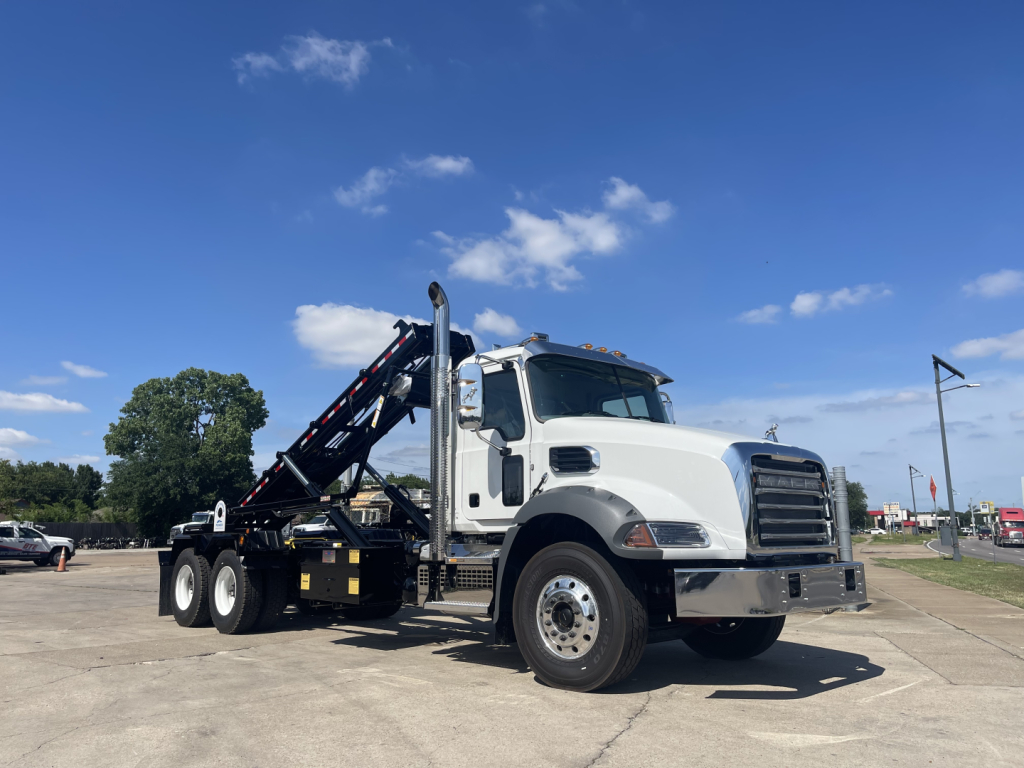
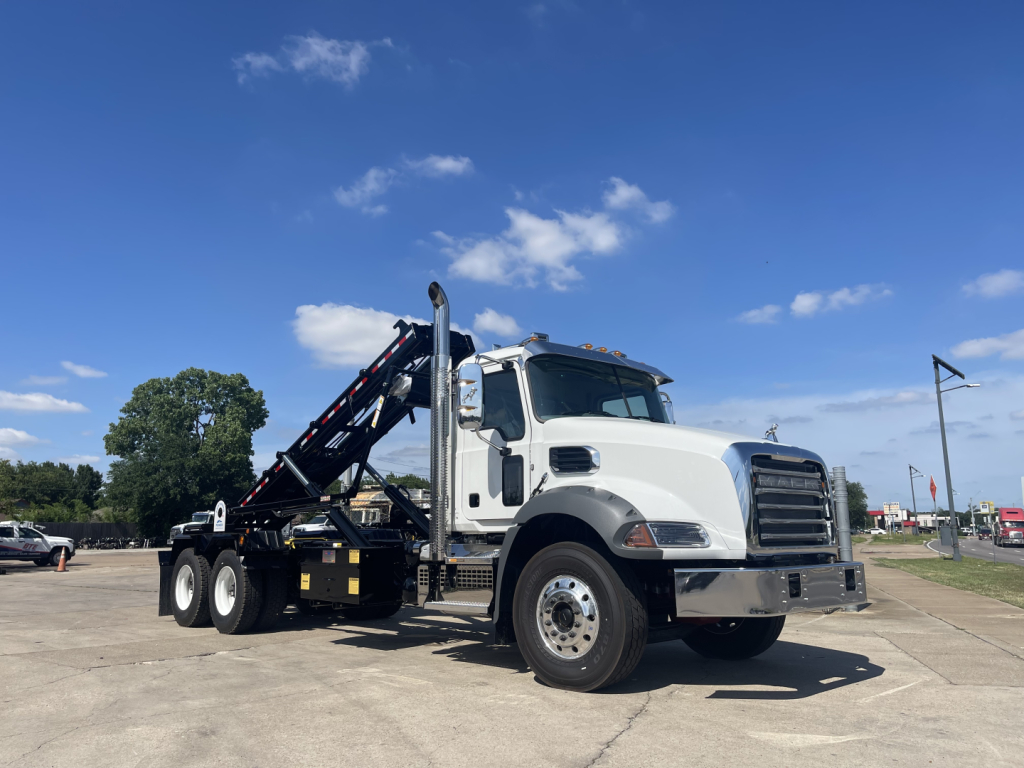
Showing 1 to 24 of 27 results
Have new 2027 rolloff truck to sell? List it here to reach thousands of buyers.
New 2027 Rolloff Trucks in Texas
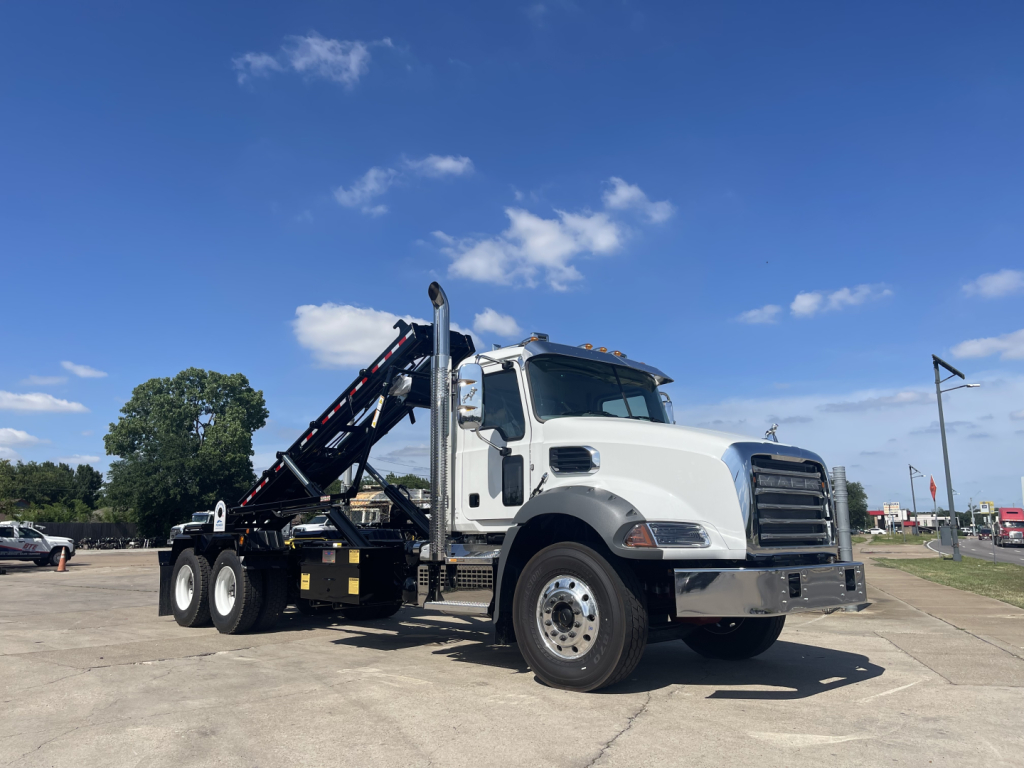
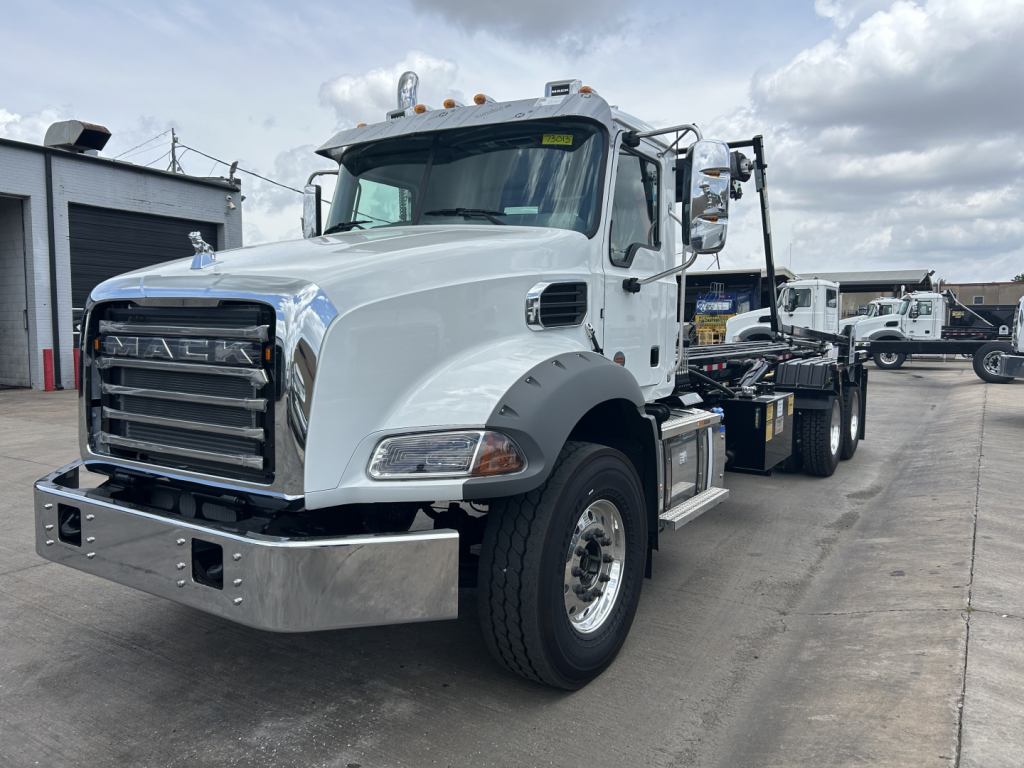
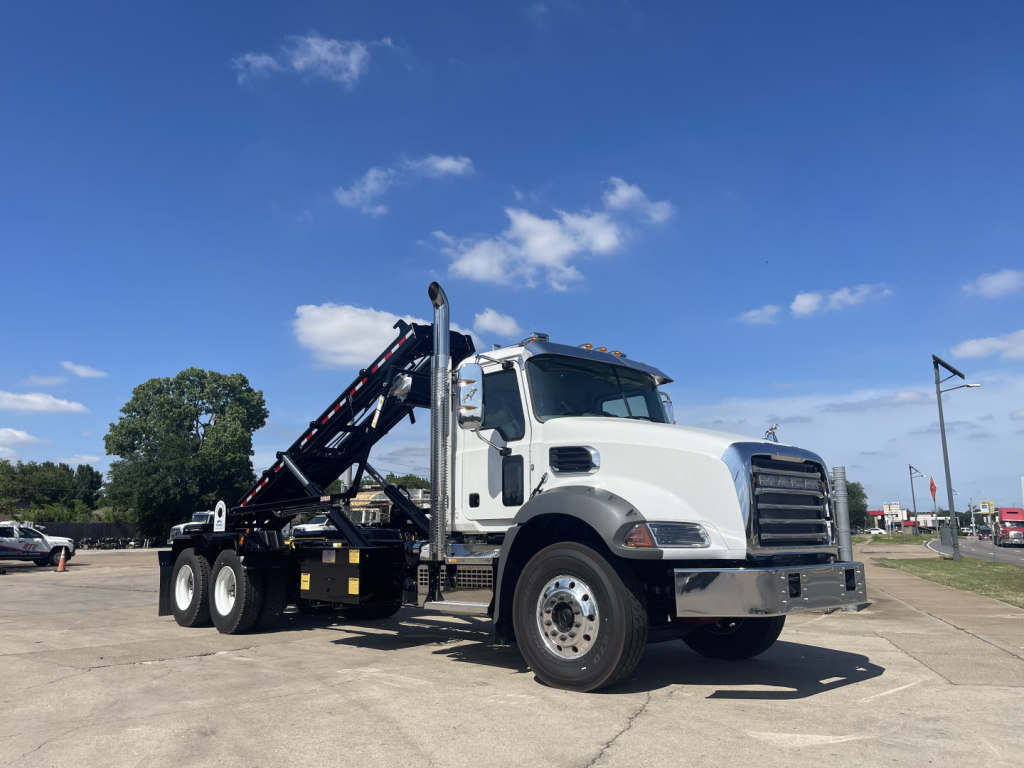
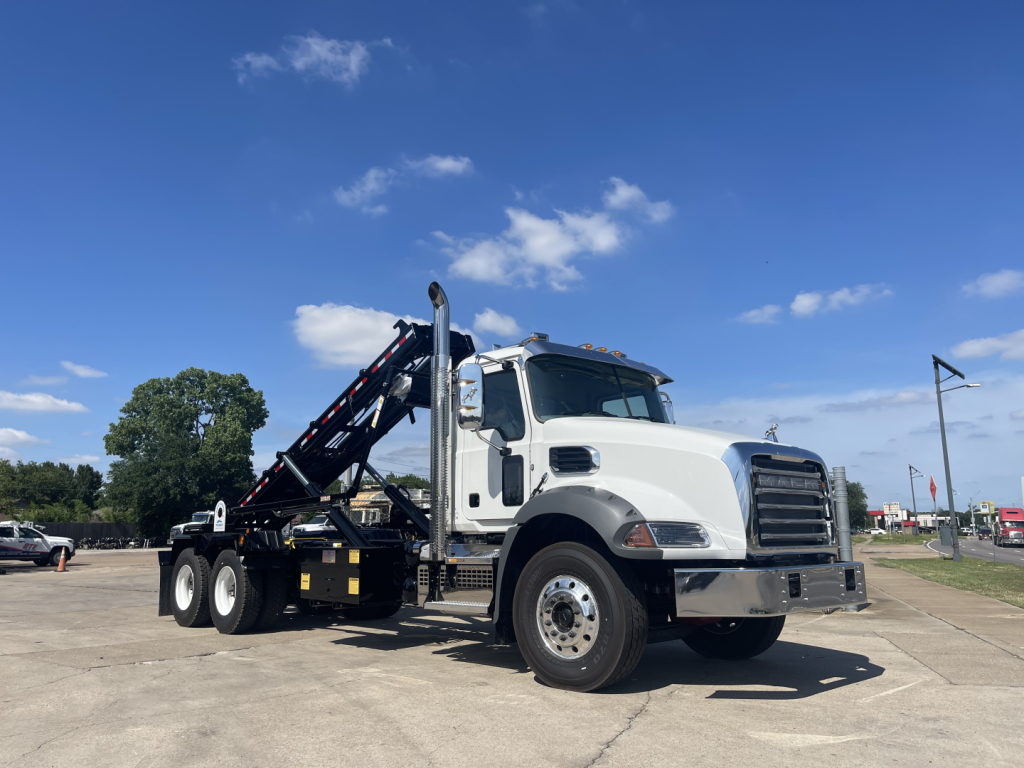
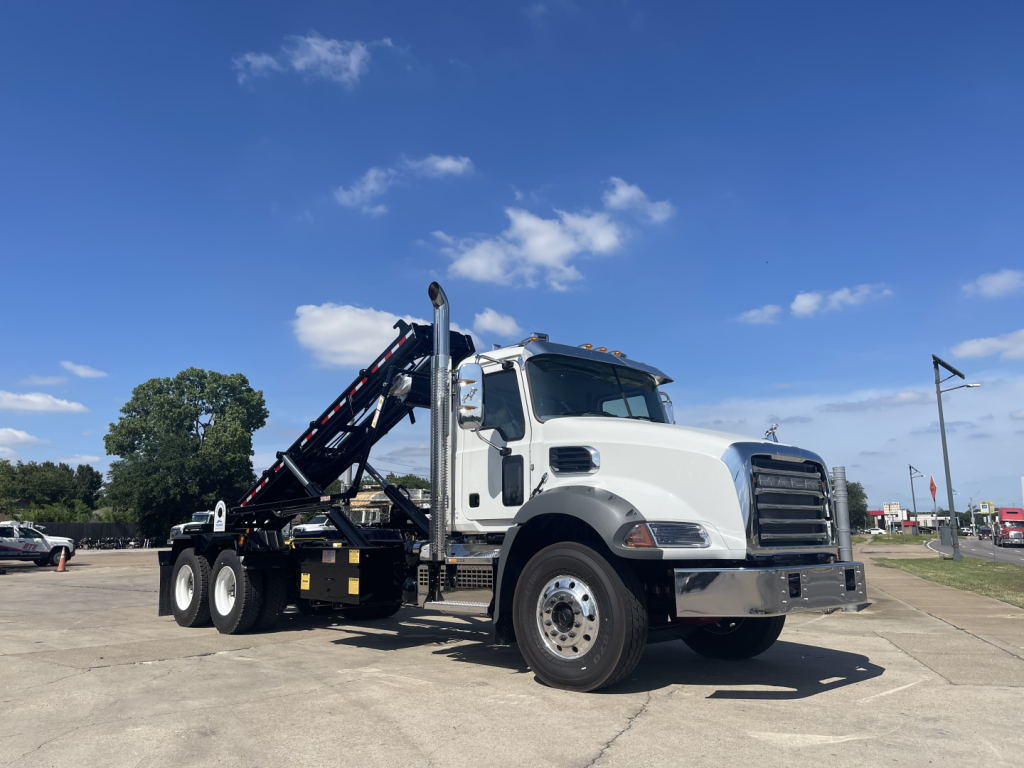
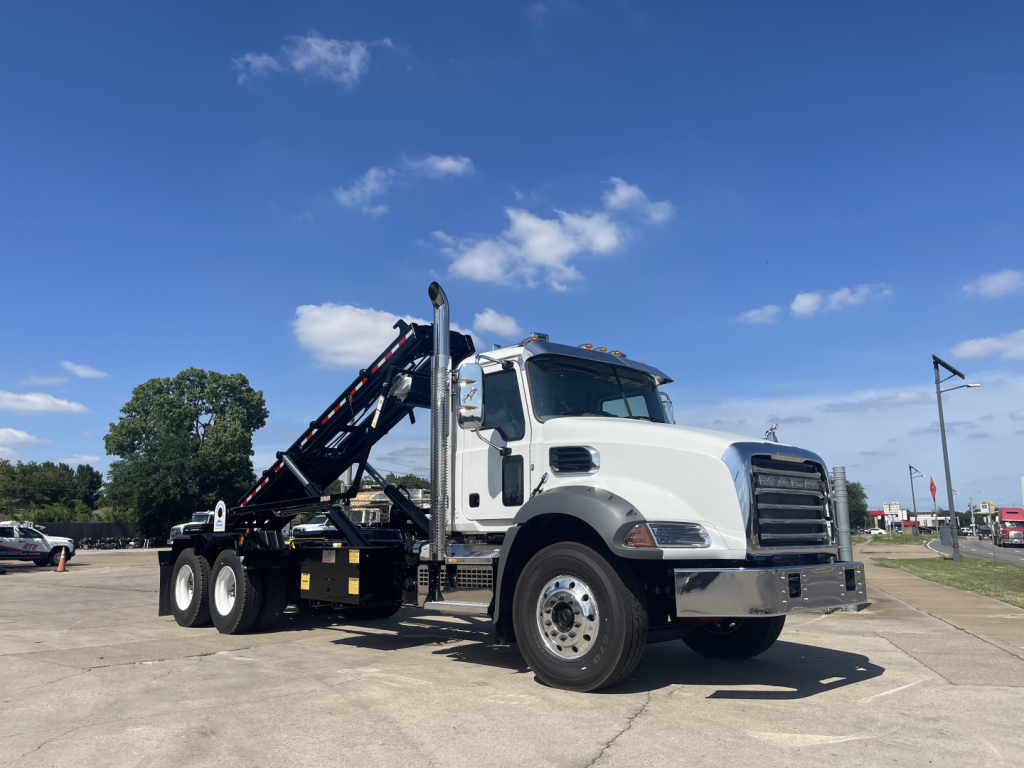
The first decision is usually axle configuration and hoist rating. Many rolloff trucks are spec'd as tandem axle units for heavier cans and better bridge distribution, though some operations can use single axle trucks for tighter routes and lighter container work. Common considerations include outside rail or inside rail hoists, cable hoist versus hooklift style setup, container length range, and the hoist's rated capacity. Buyers should also look closely at PTO and hydraulic performance, rear axle ratio, suspension type, and frame reinforcement, because these trucks spend their lives loading on uneven ground and cycling hydraulics repeatedly throughout the day. A severe-duty chassis such as a Mack Granite-series configuration is common in this category because it matches well with refuse and construction applications.
For Texas operation, cooling package, engine horsepower, and driver visibility matter as much as the body spec. Rolloff trucks often idle, creep, reverse, and reposition in confined spaces, so automatic transmissions, high-visibility cabs, backup camera systems, and well-placed controls can improve productivity and reduce driver fatigue. Front axle ratings, pusher or tag axle availability, and wheelbase all affect turning radius, can length compatibility, and legal scaling. Body details such as tarp systems, ICC bumper design, container locks, fender coverage, work lights, and pintle or trailer options can also make a difference if the truck is expected to support multiple waste streams or jobsite duties.
A new 2027 rolloff truck appeals to buyers who want current emissions equipment, factory warranty coverage, and a fresh service baseline. That matters on trucks that see repeated loading shocks, hydraulic wear, and frequent brake use. When comparing listings, pay attention to GVWR, hoist make and model, usable rail length, cab-to-axle dimension, fuel tank placement, and the exact application the truck was built for. The right rolloff spec is not just about lifting a container. It is about matching the truck's chassis, hoist, and axle package to the container sizes, route density, and payload profile your operation runs every week.
Frequently Asked Questions about New 2027 Rolloff Trucks in Texas
What should I look for first when buying a new 2027 rolloff truck?
Start with the application. Container size range, material type, route density, and target payload determine the right hoist capacity, axle setup, and wheelbase. After that, verify GVWR, frame spec, PTO and hydraulic system, and whether the truck uses an outside rail, inside rail, cable hoist, or hooklift-style setup. A truck that is overbuilt can add unnecessary cost and tare weight, while an underspec'd truck will wear faster and limit legal payload.
Are tandem axle rolloff trucks better than single axle models?
Tandem axle rolloff trucks are generally preferred for heavier containers, tougher jobsite conditions, and better weight distribution. They typically offer higher GVWR and more flexibility for waste, scrap, and demolition work. Single axle models can still make sense for lighter cans, tighter urban routes, and operations where maneuverability matters more than maximum payload. The better choice depends on legal weights, container lengths, and how rough the loading environment is.
What hoist features matter most on a rolloff truck?
Hoist rating, rail design, hydraulic cycle speed, and container compatibility are the main points. Buyers should confirm the hoist can safely handle the heaviest loaded container they expect to move, not just empty can size. Rail length and container stop placement affect what box lengths the truck can handle. Fast, smooth hydraulic operation improves route efficiency, and durable components such as cylinders, rollers, and locks reduce downtime in high-cycle service.
Why does Texas use change how a rolloff truck should be spec'd?
Texas fleets often deal with high heat, long drive times between stops, mixed highway and jobsite travel, and demanding municipal or construction schedules. That makes cooling capacity, engine performance, air conditioning, dust resistance, and suspension durability especially important. Tire choice, axle ratings, and brake spec also deserve close attention because the truck may see both city stop-and-go work and higher-speed regional travel in the same day.
Is buying a new rolloff truck worth it compared with a used one?
For many fleets, yes. A new rolloff truck gives you a known maintenance starting point, current safety and emissions systems, and less risk of inherited hydraulic or frame fatigue. That is important in rolloff service because the loading cycle puts repeated stress into the chassis, hoist, suspension, and brake system. The value of new equipment is strongest when uptime, warranty support, and predictable operating costs matter more than the lower purchase price of an older truck.