
2016 Mack Rolloff Trucks For Sale in Oklahoma
Shop 2016 Mack rolloff trucks for sale in Oklahoma. Compare GU and Granite specs, hoist capacity, axle ratings, and vocational setup.
Learn more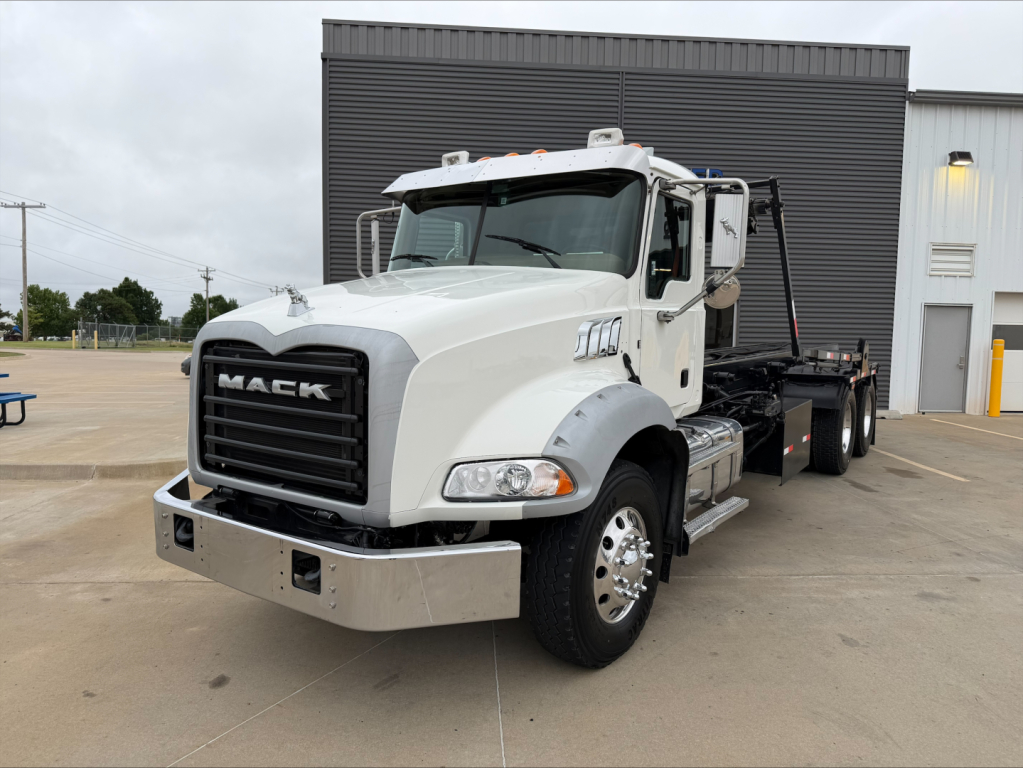
Have 2016 mack rolloff truck to sell? List it here to reach thousands of buyers.
About 2016 Mack Rolloff Trucks in Oklahoma
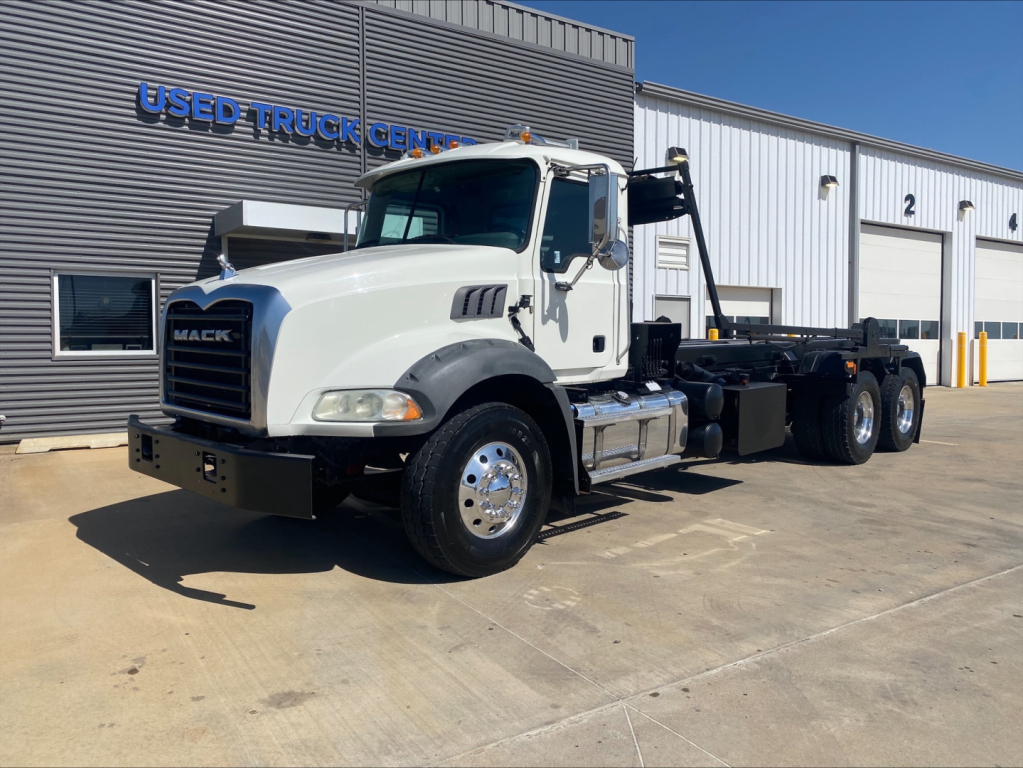
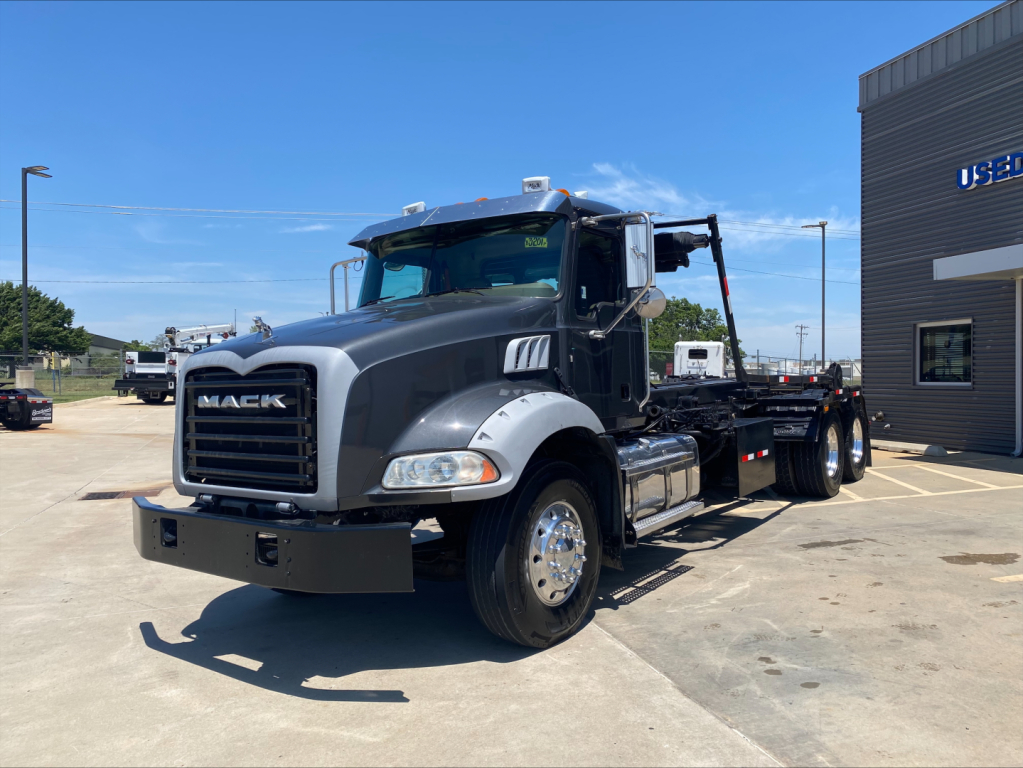
One of the first buying decisions is hoist capacity and rail style. Many 2016 Mack rolloff trucks are equipped with 60,000 lb-class hoists, though some heavier applications push beyond that depending on chassis and body spec. Outside rail systems are common and straightforward to service, while cable or hook systems can vary by fleet preference and container style. Buyers should confirm container length compatibility, hook height or cable setup, jib specification, and the condition of the rollers, sheaves, hydraulic tank, cylinders, and PTO operation. A truck that spends its life in urban waste service may show different wear than one used in construction debris or scrap.
Powertrain spec is a major factor on a used rolloff. In this category, it is common to find Mack chassis paired with Mack MP engines or Cummins diesel engines, often backed by Allison automatics such as the 3000RDS or heavier vocational variants. Horsepower in the mid-300s to mid-400s is typical, with axle ratings often around 18,000 to 20,000 lb up front and 44,000 to 46,000 lb rears. Rear ratios in the 5-range are not unusual on trucks geared for off-the-line pulling power rather than highway speed. For Oklahoma buyers, that matters if the truck will split time between city routes, transfer stations, quarries, and rural jobsites where low-speed gradeability and durability count.
When comparing 2016 Mack rolloff trucks for sale, inspect more than mileage. Look closely at frame condition around the hoist mounts, suspension wear, driveline slack, brake life, tire match, and signs of hard-loading or twist stress. Check emissions status, engine hours if available, and service history on the transmission and hydraulics. A properly spec'd Mack rolloff from this model year can still be a strong revenue unit if the axle, hoist, and wheelbase setup matches the containers and route density you run every day.
Frequently Asked Questions
What should I look for first on a 2016 Mack rolloff truck?
Start with the hoist rating, axle capacities, wheelbase, and transmission specification because those determine whether the truck fits your containers and daily workload. After that, inspect frame rails, hoist mounts, hydraulic components, PTO engagement, rear suspension, and brake condition. On a used rolloff, structural condition and vocational spec usually matter more than appearance.
Are 2016 Mack rolloff trucks typically automatic?
Many are equipped with Allison automatic transmissions because rolloff work involves constant starts, stops, backing, and PTO operation. An automatic can improve ease of use in urban routes and reduce driver fatigue. Buyers should still verify the exact transmission model, service records, and how well it matches the engine torque and hoist application.
What hoist capacity is common on a 2016 Mack rolloff truck?
A 60,000 lb-class hoist is a common spec in this segment, although exact capacity depends on the body manufacturer, rail design, and chassis configuration. Capacity alone does not tell the full story. Container length compatibility, hook or cable arrangement, and overall truck weight distribution are just as important when matching a truck to demolition, scrap, or waste service.
Is a Mack GU or Granite chassis better for rolloff work?
Both are proven vocational platforms, but the right choice depends on the application and how the truck was spec'd. Granite models are often associated with heavier vocational setups and more demanding jobsite work, while GU-series trucks are also widely used in waste and construction applications. The actual value is in the axle package, suspension, engine, transmission, and hoist installation, not just the badge on the hood.
Why do rear axle ratios matter on a rolloff truck?
Rear axle ratio affects launch power, low-speed pulling, gradeability, and highway cruising speed. A deeper ratio helps when the truck is moving loaded containers in stop-and-go work or on rough jobsites, but it can limit road speed and increase engine rpm on longer runs. The best ratio depends on how often the truck operates in town versus on open highways.