
2016 Mack Rolloff Trucks For Sale
Shop 2016 Mack rolloff trucks. Compare hoist capacity, axle ratings, engine specs, wheelbase, and vocational setup for waste hauling.
Learn more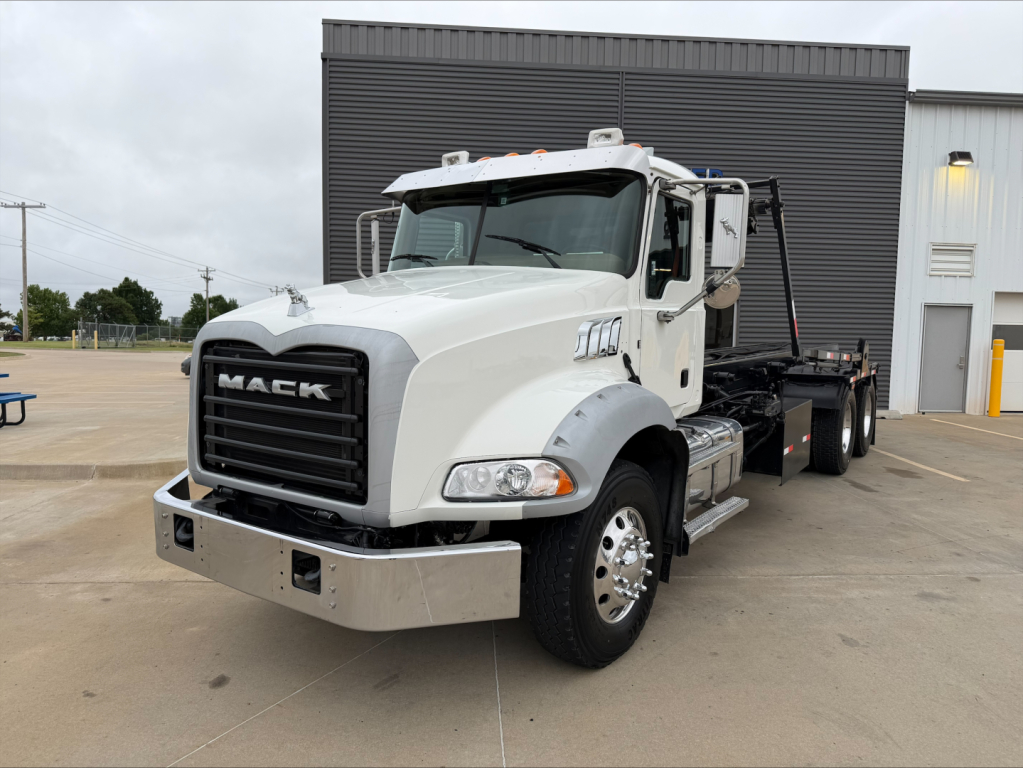
Have 2016 mack rolloff truck to sell? List it here to reach thousands of buyers.
About 2016 Mack Rolloff Trucks
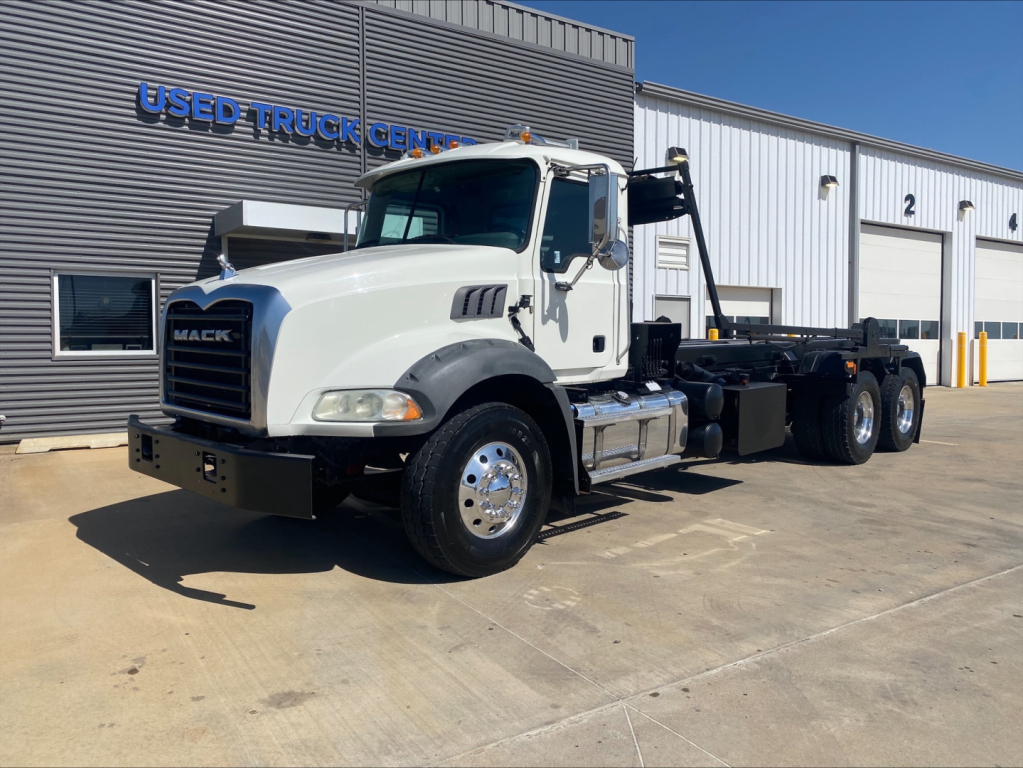
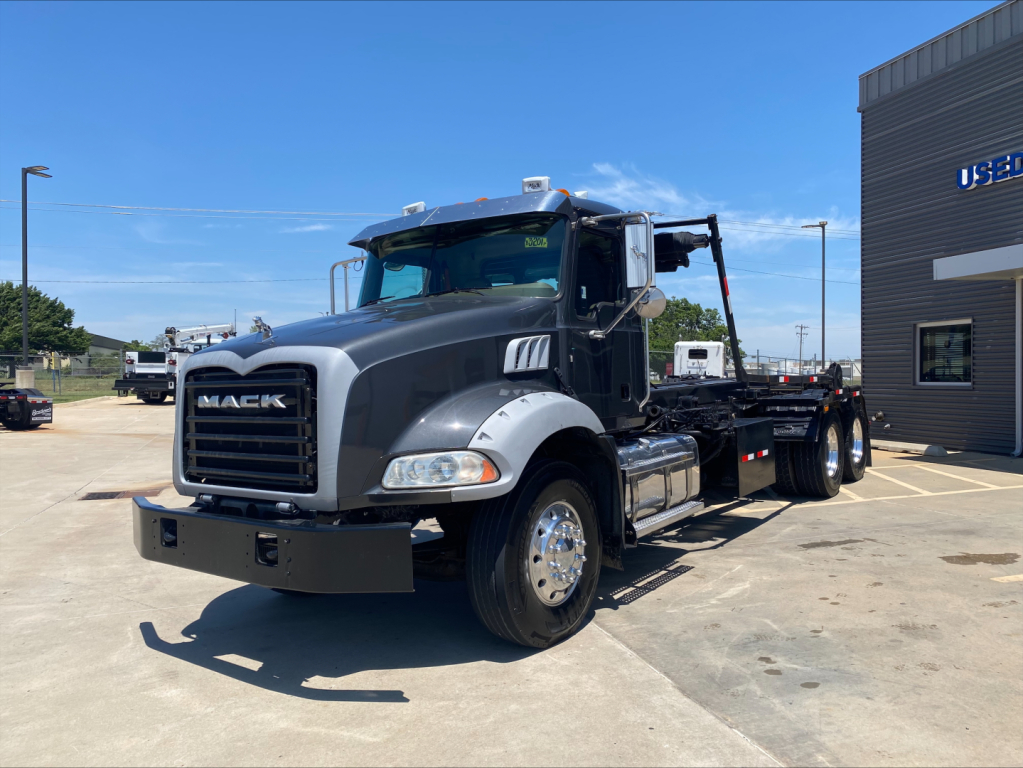
On a 2016 model, the core spec decisions usually start with axle ratings, suspension, and hoist setup. Common configurations include tandem axle 6x4 trucks, though some operations prefer heavier front axle specs or bridge-law-conscious wheelbases depending on state and route requirements. Mack MP7 and MP8 engines are common in this era, paired with Allison automatic transmissions or Mack automated manuals depending on the duty cycle. Buyers should pay close attention to horsepower and torque ratings, rear axle ratio, frame rail reinforcement, and suspension type such as Camelback or air ride. For rolloff work, hoist brand and capacity are just as important as the chassis. Hook height, cable versus hooklift-style rolloff setup, inside rail width compatibility, container length range, and tare weight all affect real-world productivity.
A well-matched 2016 Mack rolloff truck should balance legal payload, body weight, and maneuverability. Shorter wheelbases can improve access in alleys and congested industrial sites, while longer wheelbases may help with container stability and hoist geometry. Front axle ratings in the 18,000 to 20,000 pound range and rear ratings from 40,000 to 46,000 pounds are common vocational targets in this segment, but local regulations and intended container sizes should guide the final choice. Buyers should also inspect PTO operation, hydraulic pump performance, hoist wear points, rear hinge and cable hardware, and signs of frame stress around body mounting areas. In waste and scrap applications, crossmember condition, electrical integrity, and corrosion around the hoist and chassis are especially important on a used truck.
Mack has long been a strong fit for rolloff work because the platform is built around heavy vocational duty. The Granite is known for a stout chassis, good steering feel in city service, and driveline options that hold up well under repeated stop-and-go loading cycles. On a 2016 unit, emissions system condition should be part of the buying process, including DPF, DEF, and related aftertreatment service history. A buyer comparing listings should focus less on paint and more on how the truck was spec'd and maintained: engine rating, transmission choice, axle capacity, suspension, wheelbase, hoist manufacturer, and the type of containers it was running. Those details will determine whether a 2016 Mack rolloff truck fits demolition debris, municipal waste, scrap metal, or construction container service.
Frequently Asked Questions
What should I look for first on a 2016 Mack rolloff truck?
Start with the vocational spec, not the appearance. Confirm the axle ratings, wheelbase, suspension, engine, transmission, and hoist capacity match the container sizes and payloads you plan to run. Then review maintenance records for the engine, transmission, hydraulics, PTO, and emissions system. On a rolloff truck, frame condition, hoist wear, and hydraulic performance usually matter more than cosmetic condition.
Are 2016 Mack rolloff trucks typically equipped with automatic transmissions?
Many 2016 Mack rolloff trucks were spec'd with Allison automatic transmissions because they perform well in stop-and-go vocational service and reduce driver fatigue during repeated loading cycles. Some trucks in this year range may also have Mack automated manual transmissions. The right choice depends on route density, driver preference, maintenance approach, and how often the truck is backing, spotting containers, and operating the hoist.
What axle ratings are common on a Mack rolloff truck?
A common setup for a tandem axle Mack rolloff truck is an 18,000 to 20,000 pound front axle and a 40,000 to 46,000 pound rear axle configuration, although exact ratings vary by application and state requirements. These ratings affect legal payload, container handling stability, and durability under heavy loading. Always compare the truck's axle and suspension specs to the weight of the containers and material you expect to haul.
Is a Mack Granite a good chassis for rolloff work?
Yes. The Mack Granite is widely used in rolloff applications because it is a purpose-built vocational chassis with strong frame options, heavy axle availability, and driveline choices suited to frequent starts, stops, and PTO operation. It is especially well suited to waste, recycling, demolition, and scrap service where trucks face uneven surfaces, high cycle counts, and demanding hydraulic body use.
What used-truck wear points are most important on a rolloff body?
Focus on the hoist, hydraulics, and chassis mounting areas. Inspect the hook or cable system, rollers, sheaves, container rails, rear hinge points, hydraulic cylinders, hoses, PTO engagement, and pump operation. Also look closely at frame rails, crossmembers, and areas around the body mounts for cracks, corrosion, or repairs. These components directly affect uptime, safety, and the cost of putting a used rolloff truck to work.