
New Ram Rollback Trucks For Sale in Florida
New Ram rollback trucks for sale in Florida. Compare Ram 5500 car carriers with 4x2 or 4x4 chassis, 20 ft decks, wheel lifts, and diesel power.
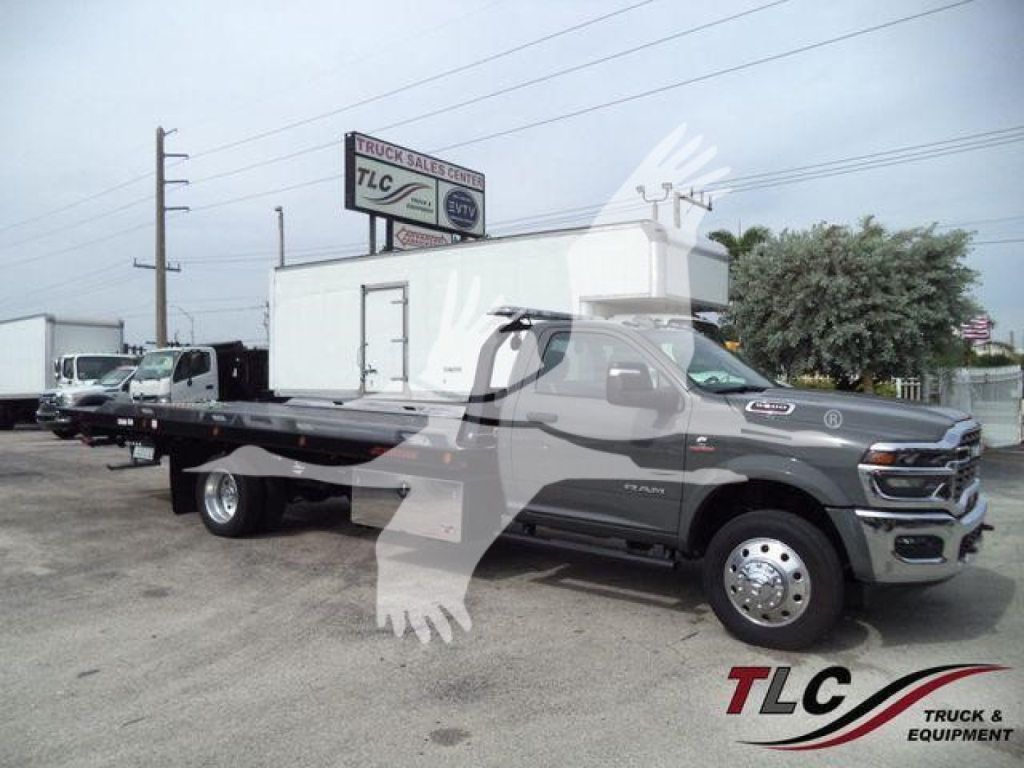
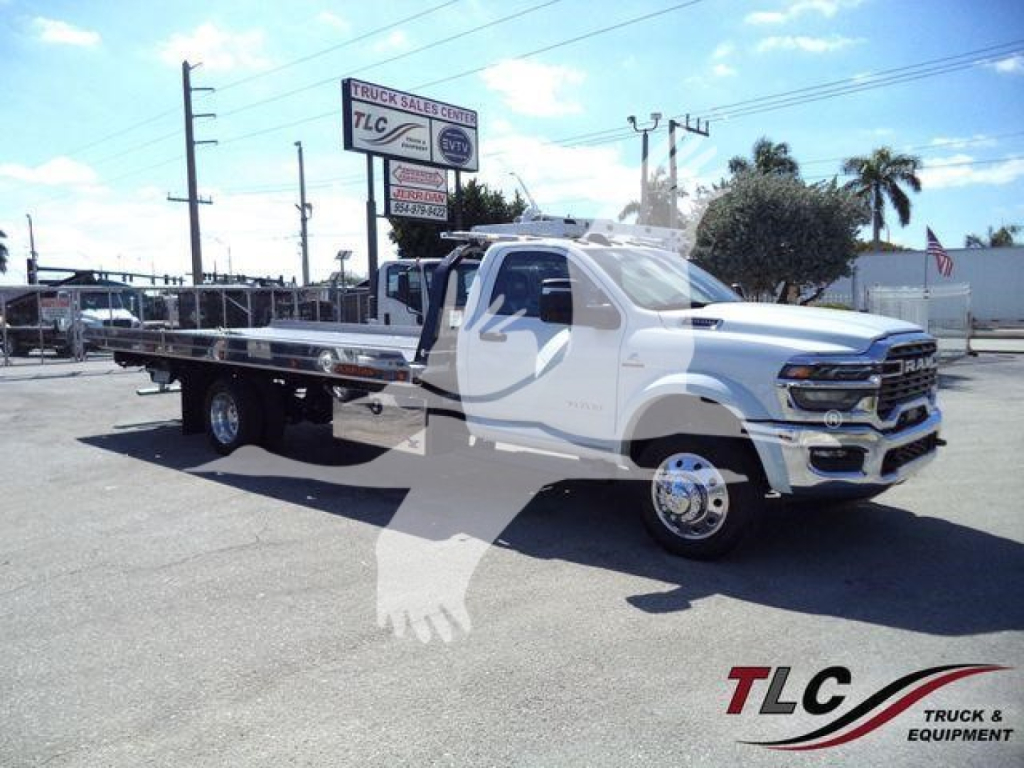
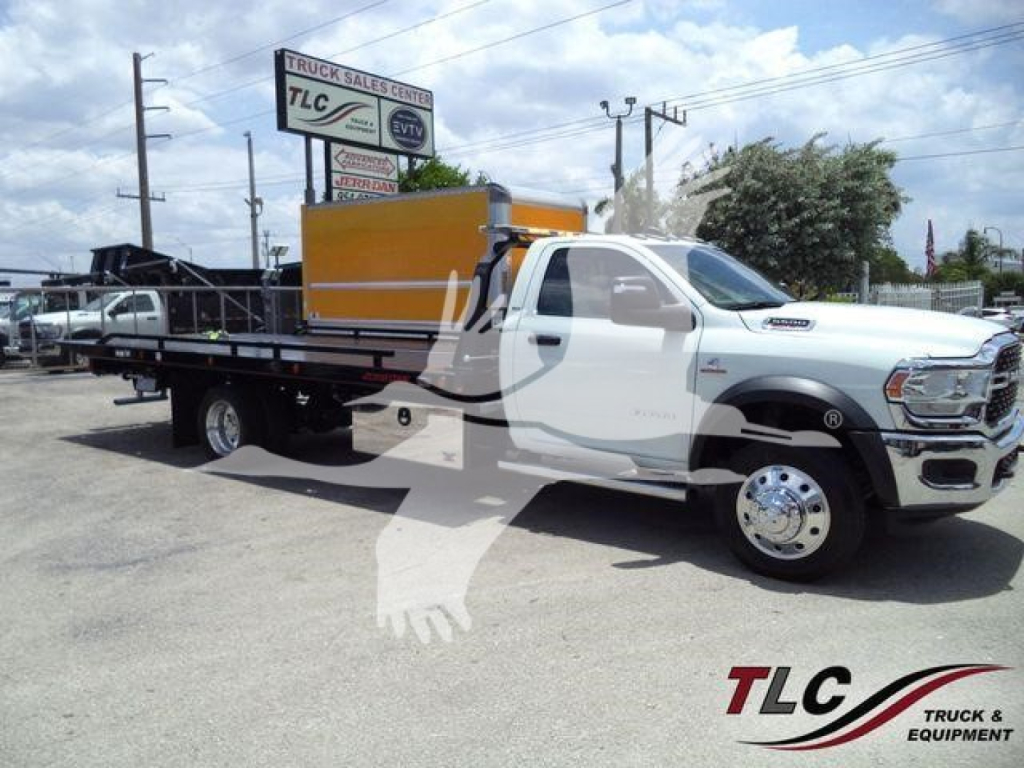
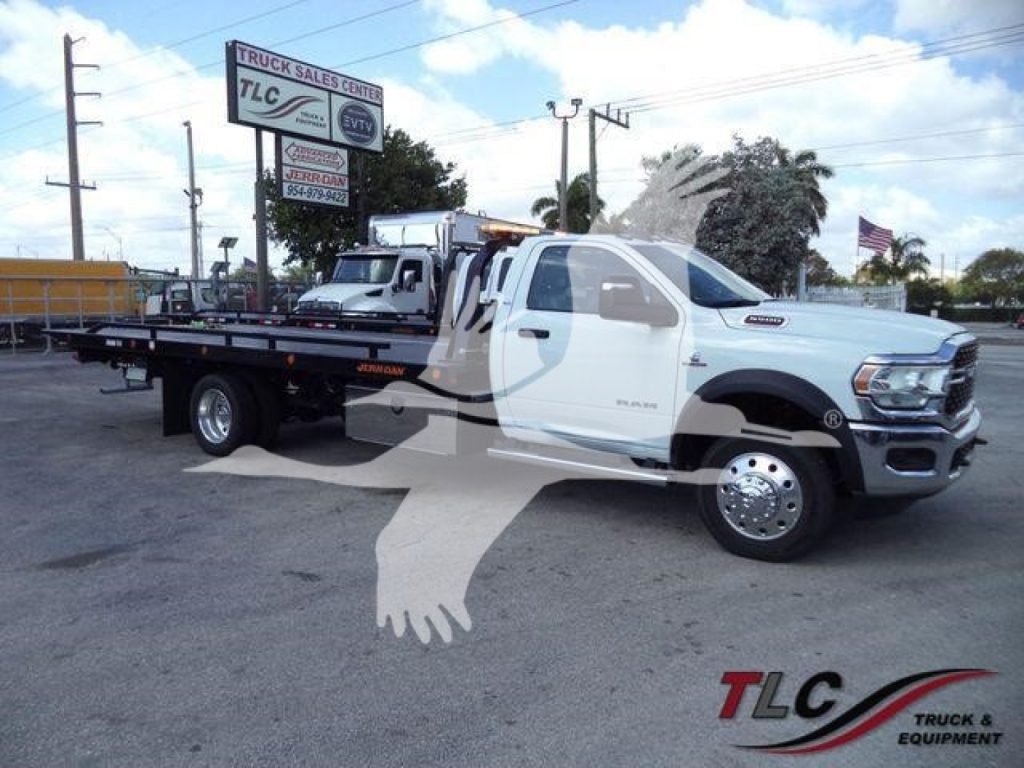
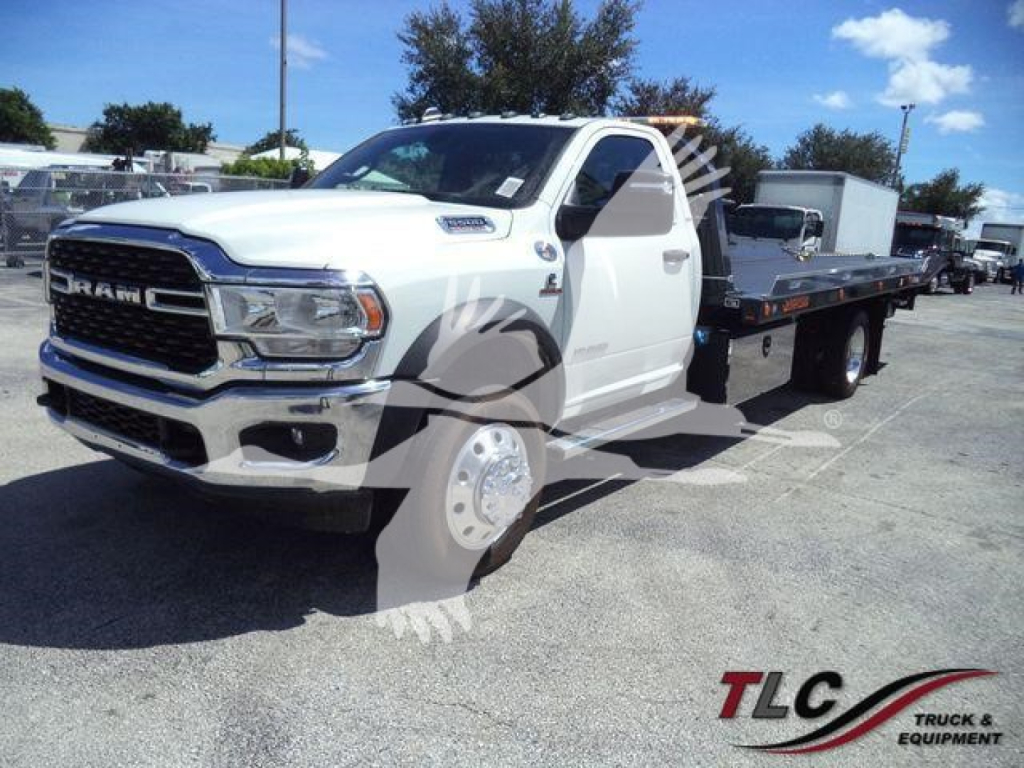
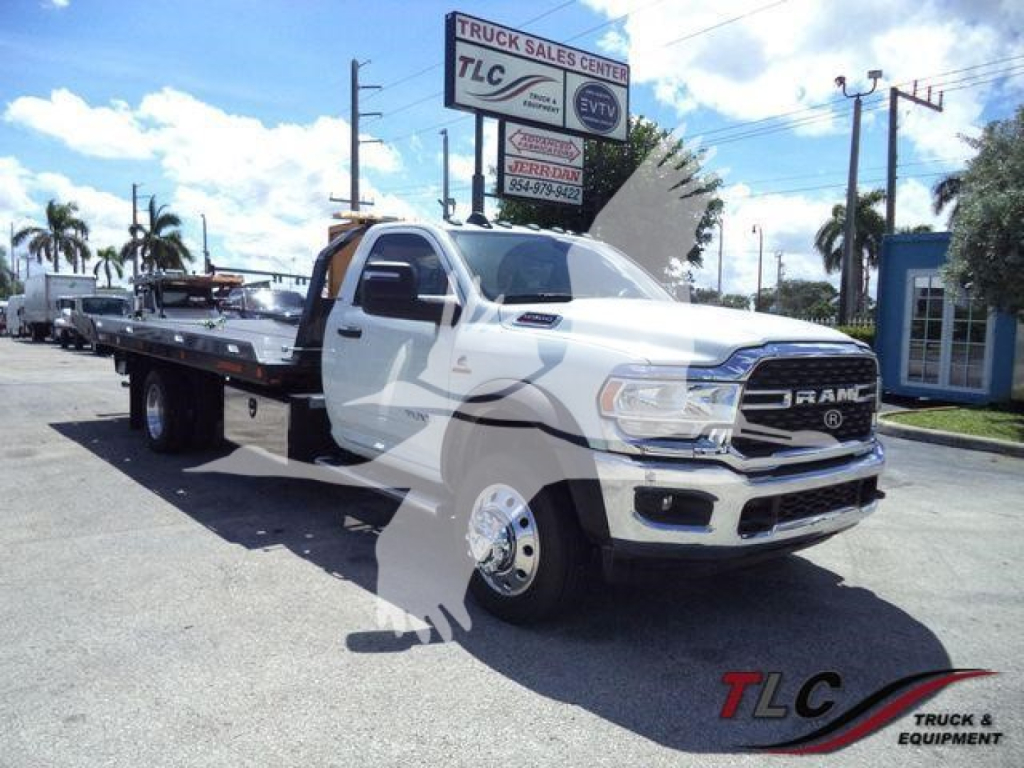
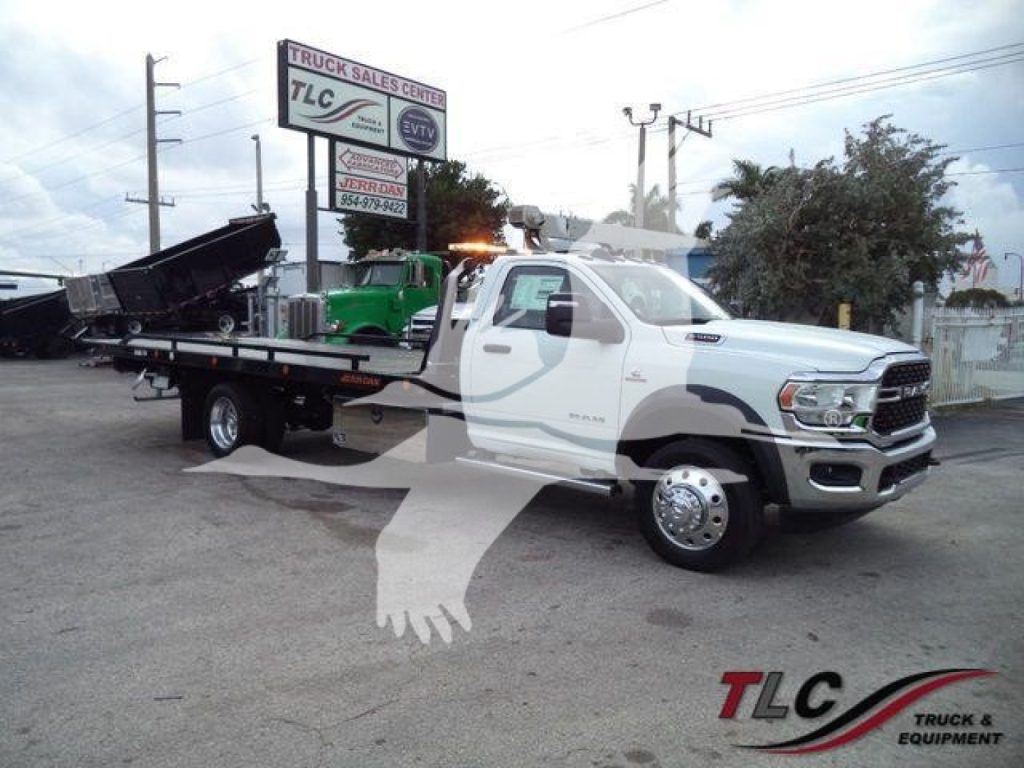
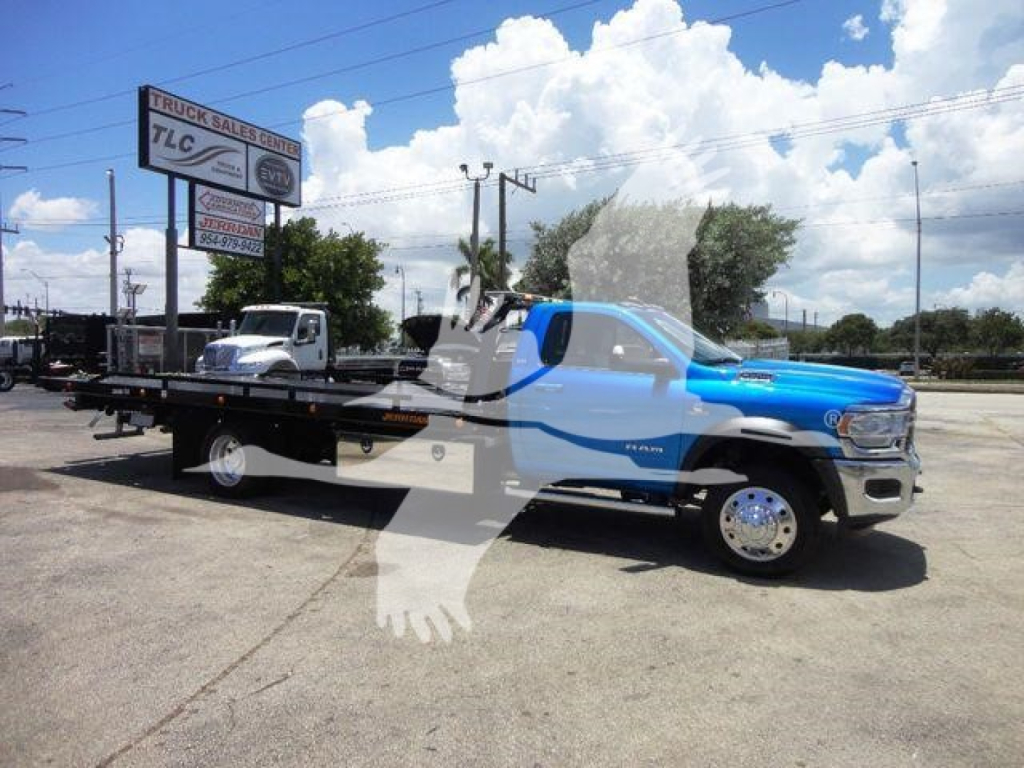
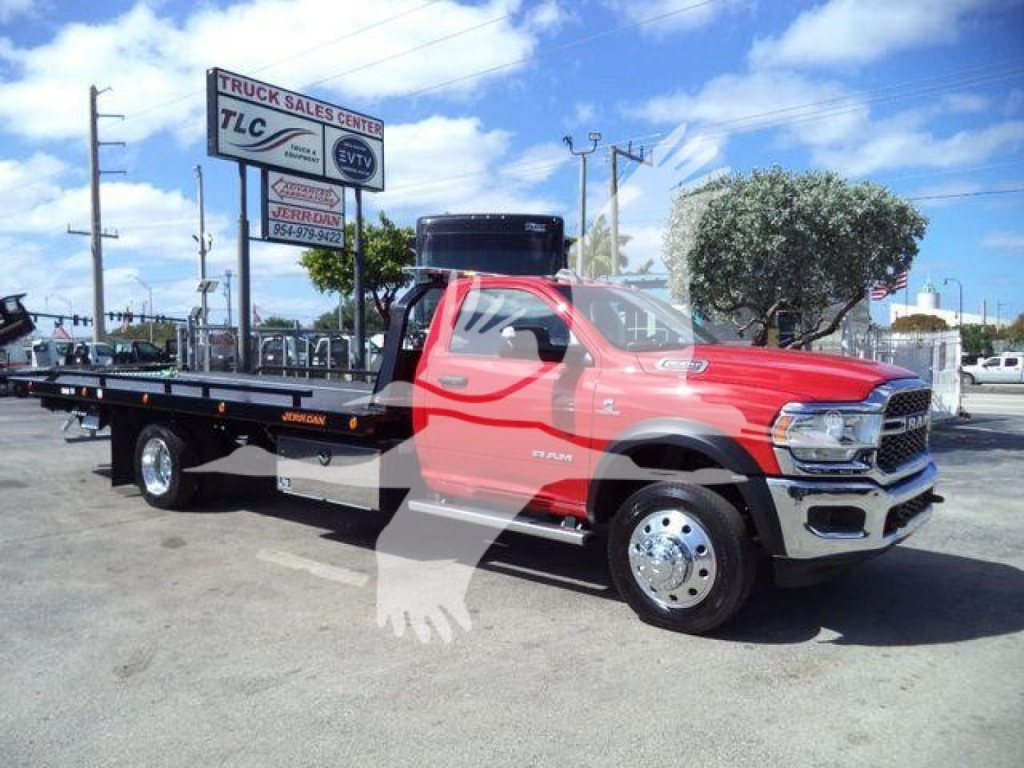
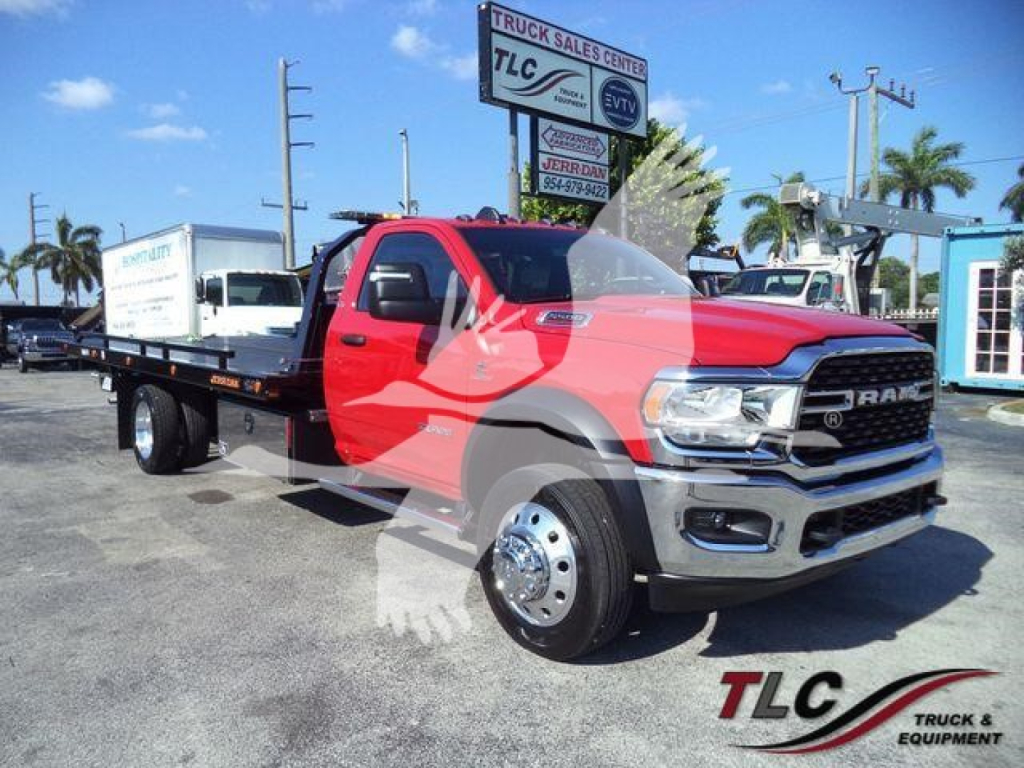
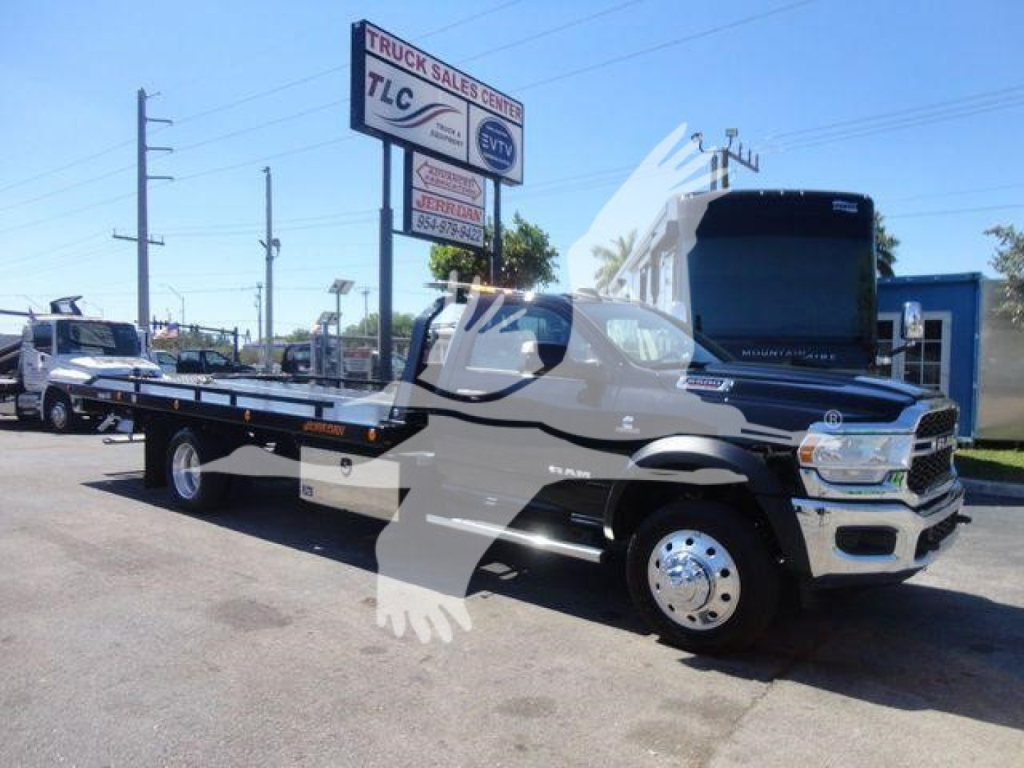
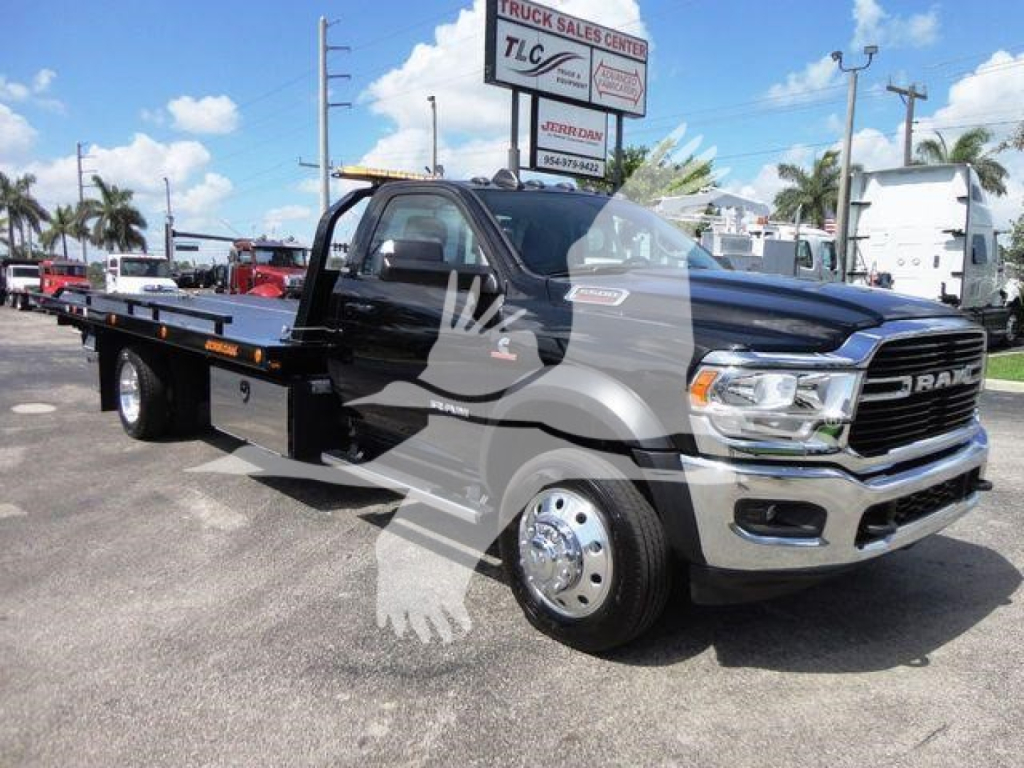
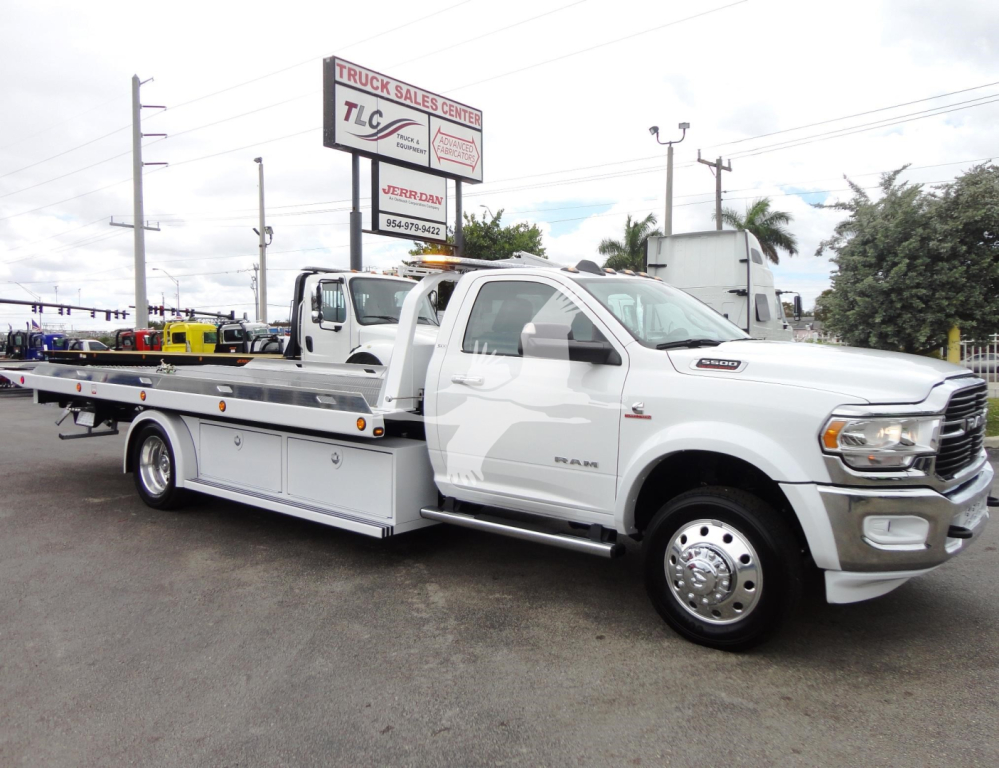
Selling a new ram rollback truck? List your new ram rollback truck for sale and reach thousands of commercial buyers.
New Ram Rollback Trucks in Florida
Most Ram rollback trucks in this class are outfitted with a 20 foot by 102 inch steel or aluminum carrier body, often in a low-profile or extra low-profile design to improve loading angles on low-clearance vehicles. Common upfits include 6 ton beds, hydraulic wheel lifts rated around 3,500 pounds, L-arms, removable or fixed side rails, dual toolboxes, work lights, and LED light bars. That setup covers a wide range of day-to-day work, from moving disabled passenger cars and pickups to transporting light equipment. If your work includes lower sports cars, crossovers, and auction vehicles, deck angle and rear approach matter as much as headline capacity.
A buyer comparing new Ram rollback trucks should look closely at wheelbase, cab-to-axle measurement, front axle capacity, rear axle ratio, and how the upfit balances payload against towing hardware. The body manufacturer matters too, especially for slide system design, cylinder protection, deck construction, and parts availability. Interior and driver-assist features such as backup cameras, large infotainment screens, and integrated controls can improve daily usability, but the operational value is in bed geometry, winch setup, tie-down points, hydraulic performance, and storage layout. On a rollback, a well-planned toolbox and control arrangement saves time on every call.
For Florida use, corrosion resistance, cooling performance, and lighting package quality deserve extra attention. Coastal humidity and frequent rain can be hard on electrical connections, deck hardware, and tool compartments, so stainless door skins, sealed lighting, and well-finished wiring loom are worth having on a new build. Buyers running busy local routes should also consider turning radius, mirror visibility, and deck width for tight urban pickups. Ram rollback trucks are also known as car carriers, rollback tow trucks, or rollback flatbeds, and they remain a practical choice for operators who need one truck to handle roadside towing, transport, and light recovery without stepping into a heavier wrecker class.
Frequently Asked Questions about New Ram Rollback Trucks in Florida
What is the typical capacity of a new Ram rollback truck?
Most new Ram rollback trucks in this category are built around a medium-duty chassis such as the Ram 5500 and commonly use a 6 ton carrier body. Many are also equipped with a hydraulic wheel lift rated around 3,500 pounds. Actual working capacity depends on the body manufacturer, deck material, wheelbase, winch rating, axle capacities, and how the truck is equipped, so buyers should verify both the bed rating and the chassis GVWR before making a final decision.
Should I choose a 4x2 or 4x4 Ram rollback in Florida?
A 4x2 Ram rollback is often the better fit for highway use, city towing, dealer transfers, and paved-route repossession because it usually offers lower acquisition cost and less drivetrain complexity. A 4x4 makes sense if the truck will see muddy shoulders, unpaved lots, storm-related recoveries, or rural service territory where extra traction reduces downtime and improves access. In Florida, the right choice usually comes down to service area and how often the truck leaves pavement.
Why does an extra low-profile rollback deck matter?
An extra low-profile deck improves loading angle, which helps when picking up low-clearance cars, longer wheelbase vehicles, and units with front-end damage. A better loading angle can reduce the risk of scraping bumpers, valances, and underbody components during loading. For operators handling sports cars, auction vehicles, dealership work, or newer passenger vehicles with limited ground clearance, deck height and approach geometry are major buying factors.
What should I inspect on the rollback body itself?
Pay attention to deck length and width, rail style, wheel lift design, hydraulic components, winch setup, toolbox placement, tie-down points, lighting, and the quality of the wiring harness protection. Buyers should also review cylinder access, slide wear surfaces, deck crossmember construction, and how easy the body is to service. A rollback body with practical storage, durable controls, and good parts support can lower repair time and improve daily efficiency over the life of the truck.
Are Ram rollback trucks mainly used for towing or for transport too?
They are used for both. A Ram rollback can serve as a tow truck for disabled vehicles, but it also functions as a transport platform for dealer moves, auction runs, repossessions, and short-haul equipment delivery. That versatility is a big reason this class stays popular. A rollback carries the vehicle fully on the deck, which can be preferable when the goal is to reduce tire wear, driveline concerns, or road exposure during transport.