
Isuzu Rollback Trucks For Sale in Florida
Shop Isuzu rollback trucks for towing and vehicle transport. Compare NPR, NRR, and FTR carriers by GVWR, deck size, winch, and wheel-lift specs.
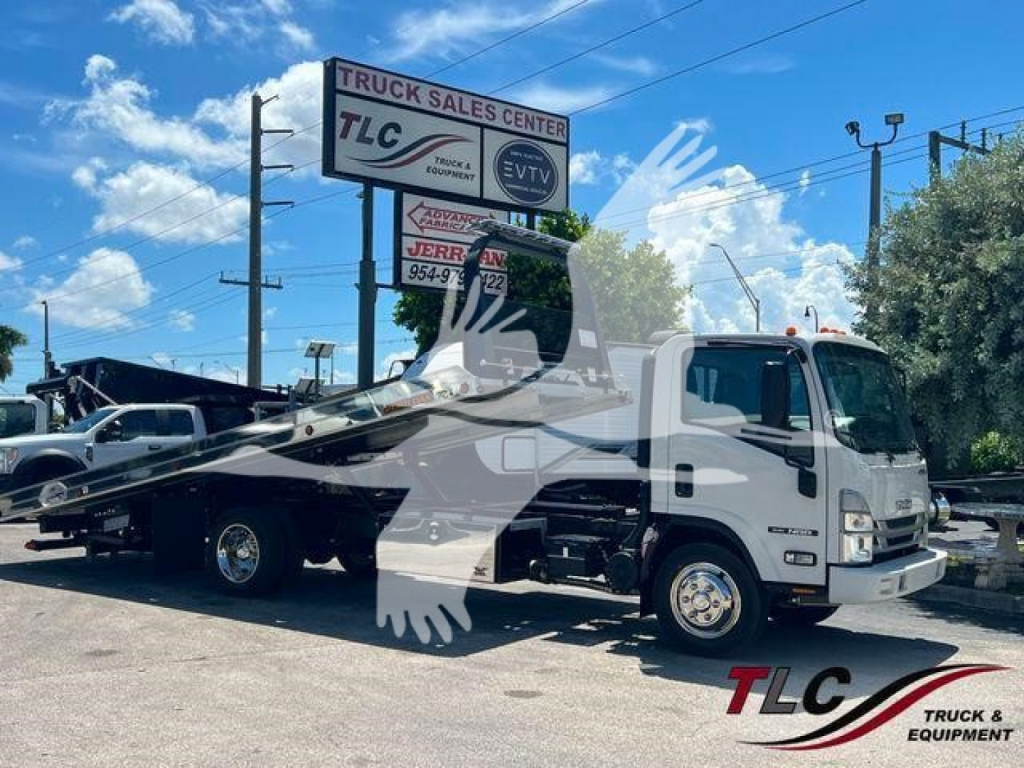
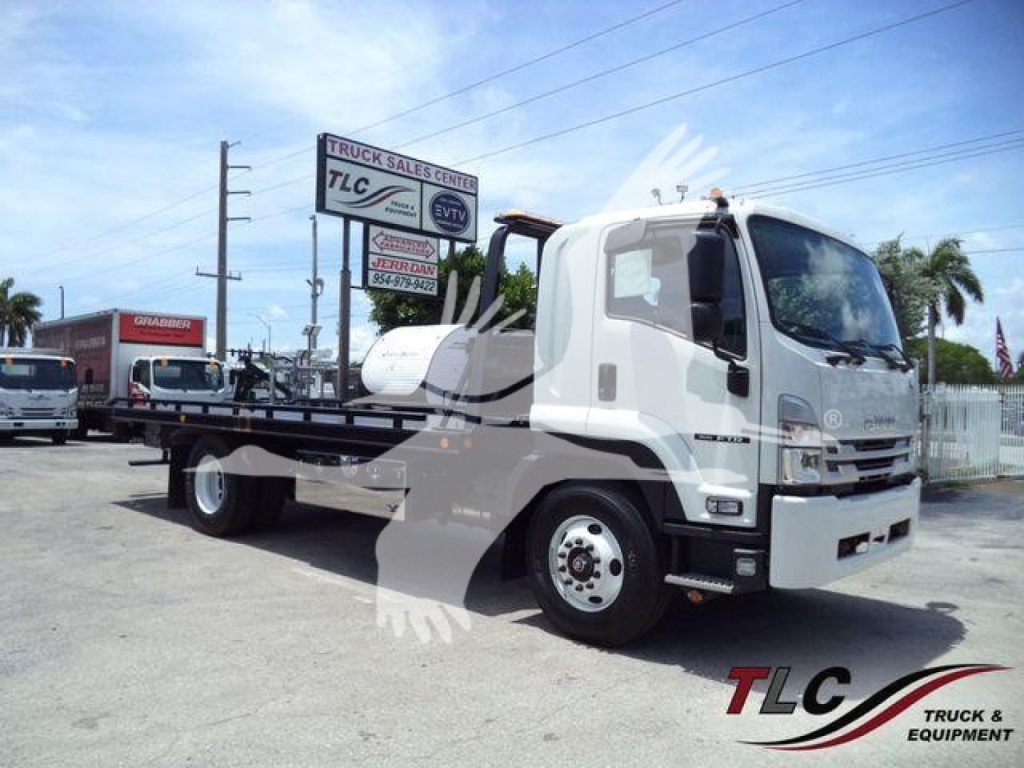
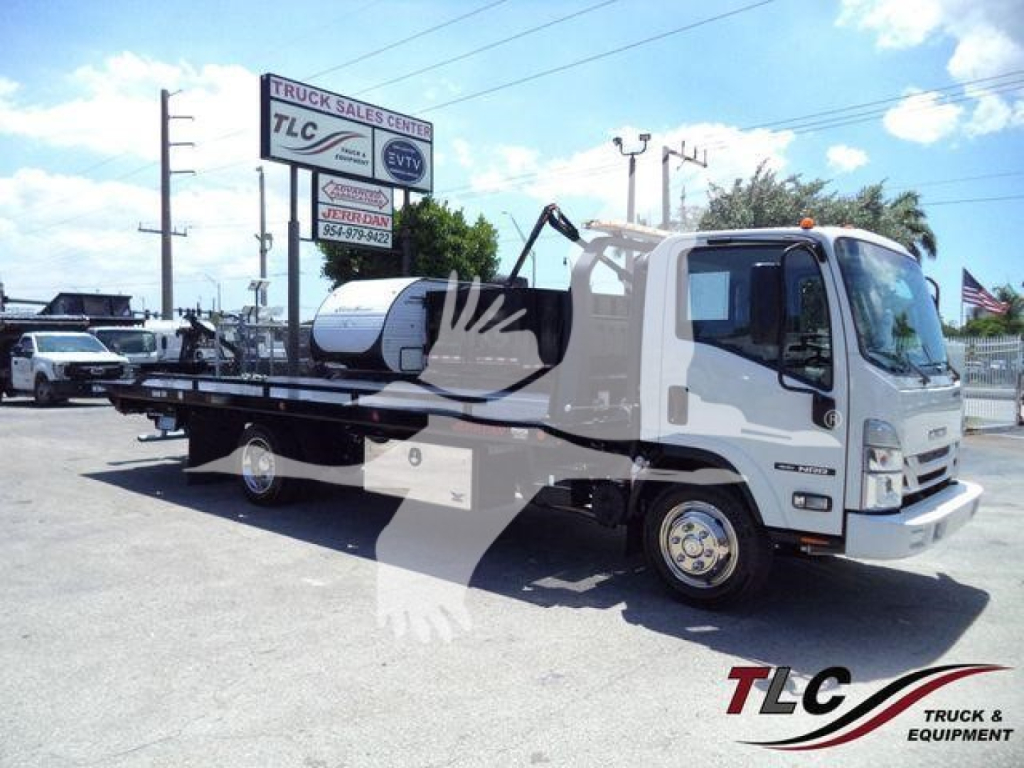
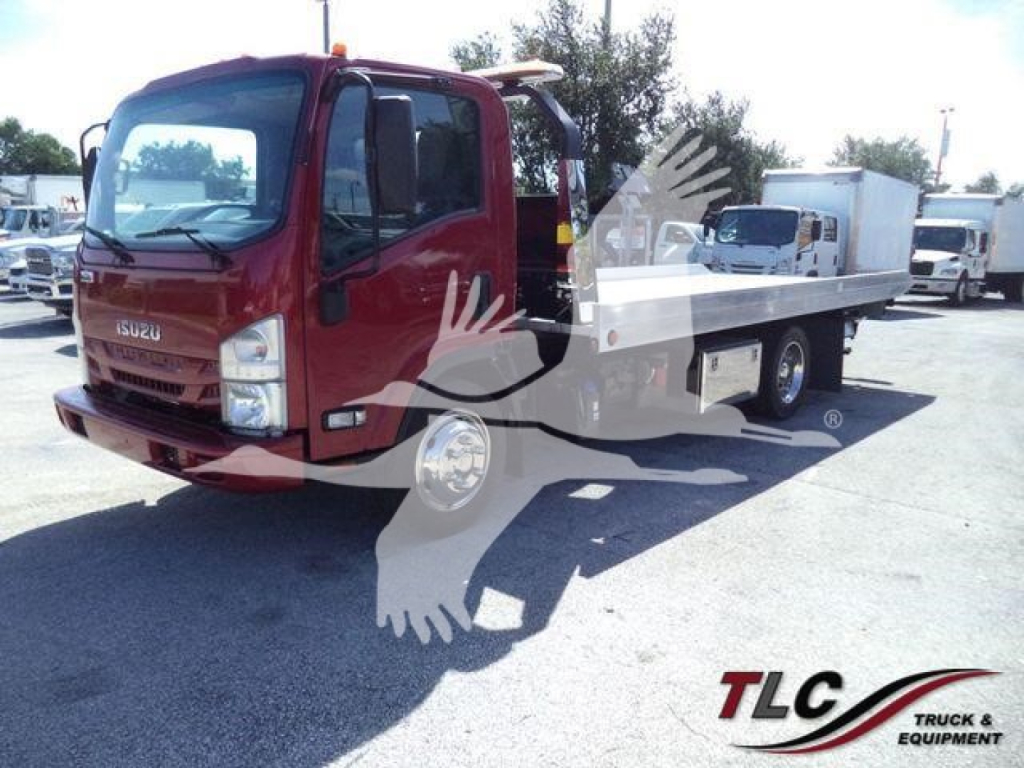
Selling a isuzu rollback truck? List your isuzu rollback truck for sale and reach thousands of commercial buyers.
Isuzu Rollback Trucks in Florida
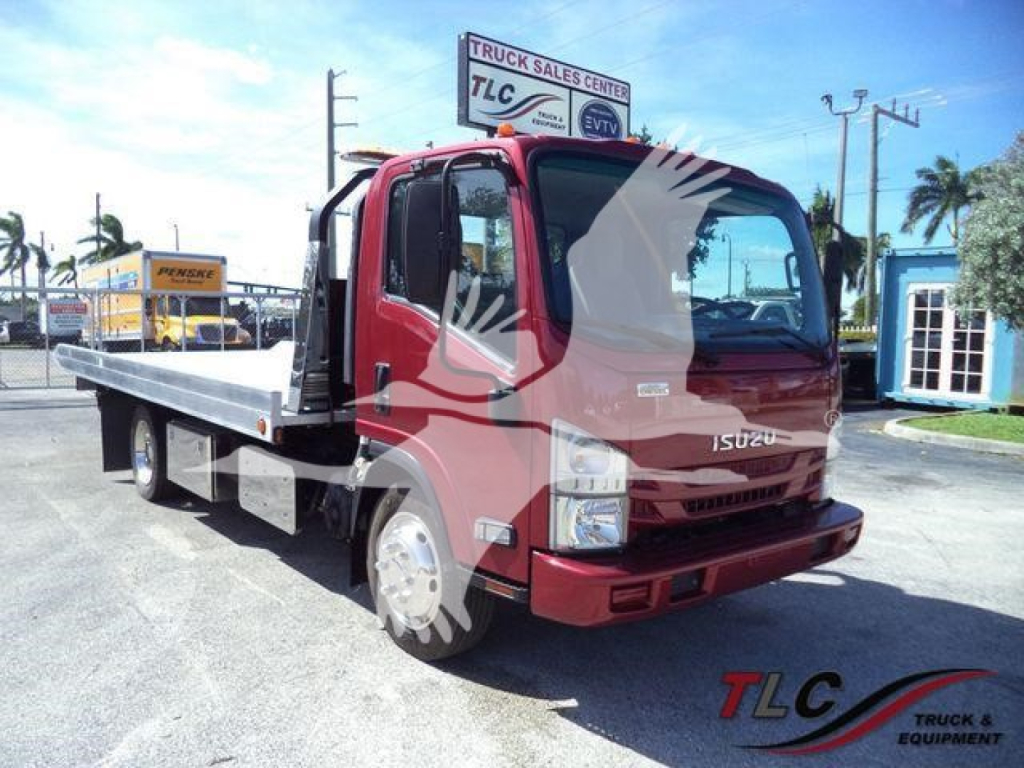
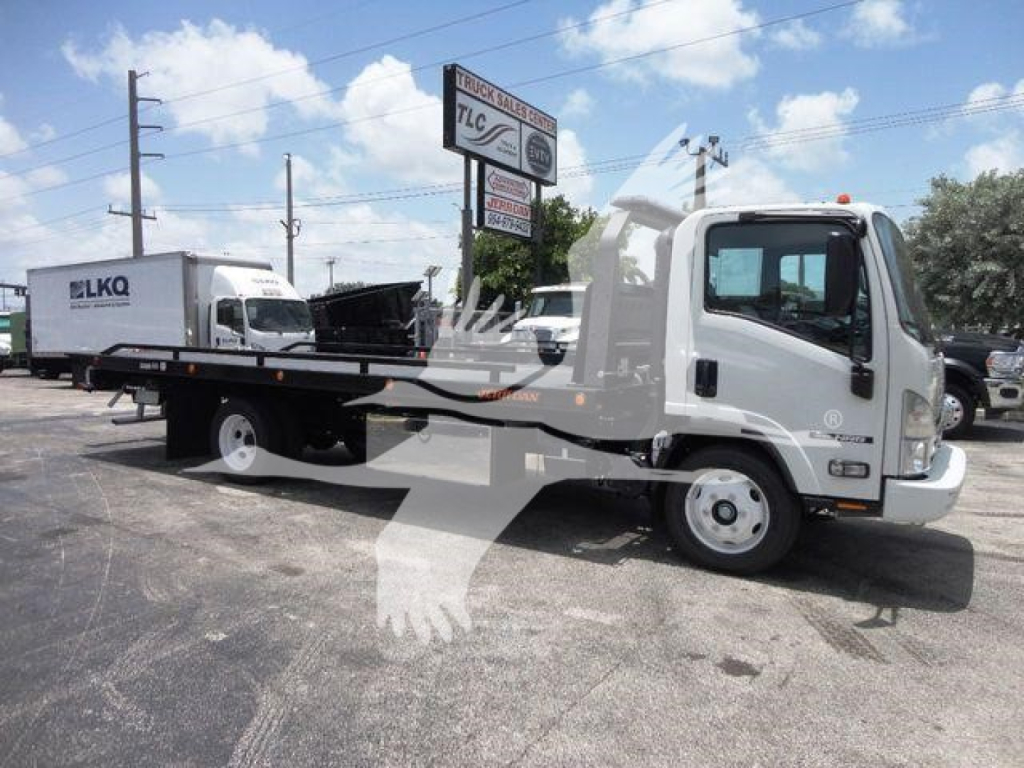
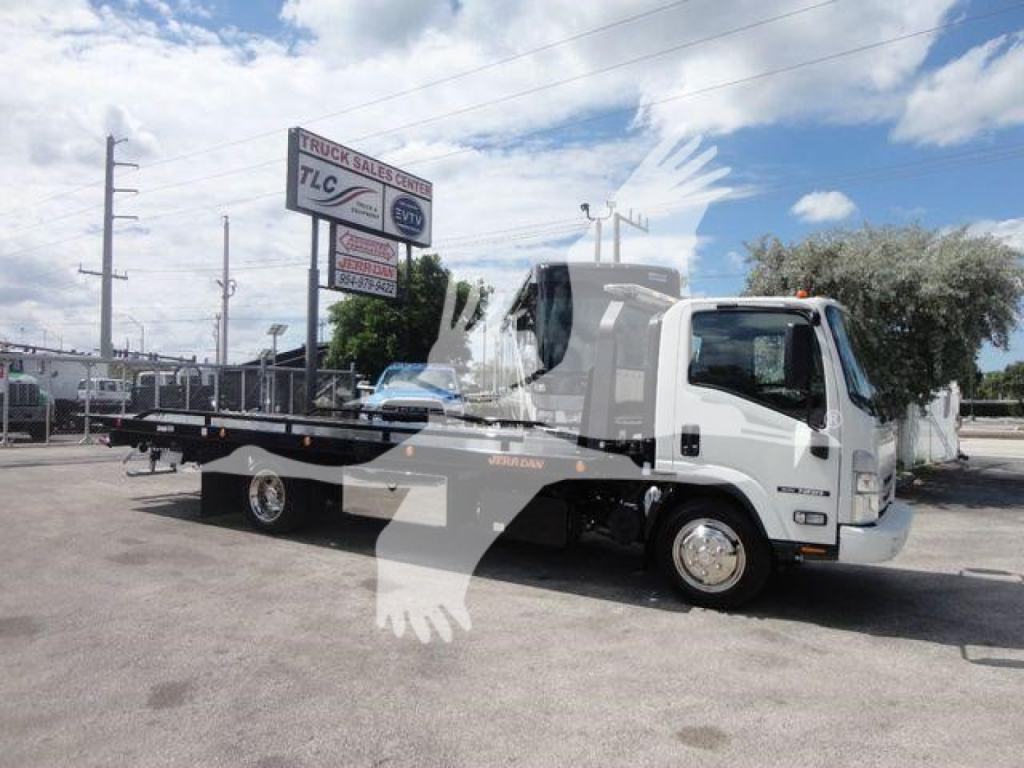
The upfit often matters as much as the chassis. Many Isuzu rollback trucks are built with Jerr-Dan or Century carrier bodies, and buyers should compare steel versus aluminum decks, rated bed capacity, wheel-lift capacity, winch rating, and rail configuration. Low-profile and XLP-style decks are especially useful when loading lowered cars, long-wheelbase vehicles, or units with limited ground clearance. A 3,000- to 5,000-lb wheel-lift is common in this class, and winches often range from roughly 8,000 to 12,000 lb. Tool box layout, L-arms, deck lighting, tie-down points, and hydraulic controls all affect daily productivity, especially for operators making multiple stops in urban service areas.
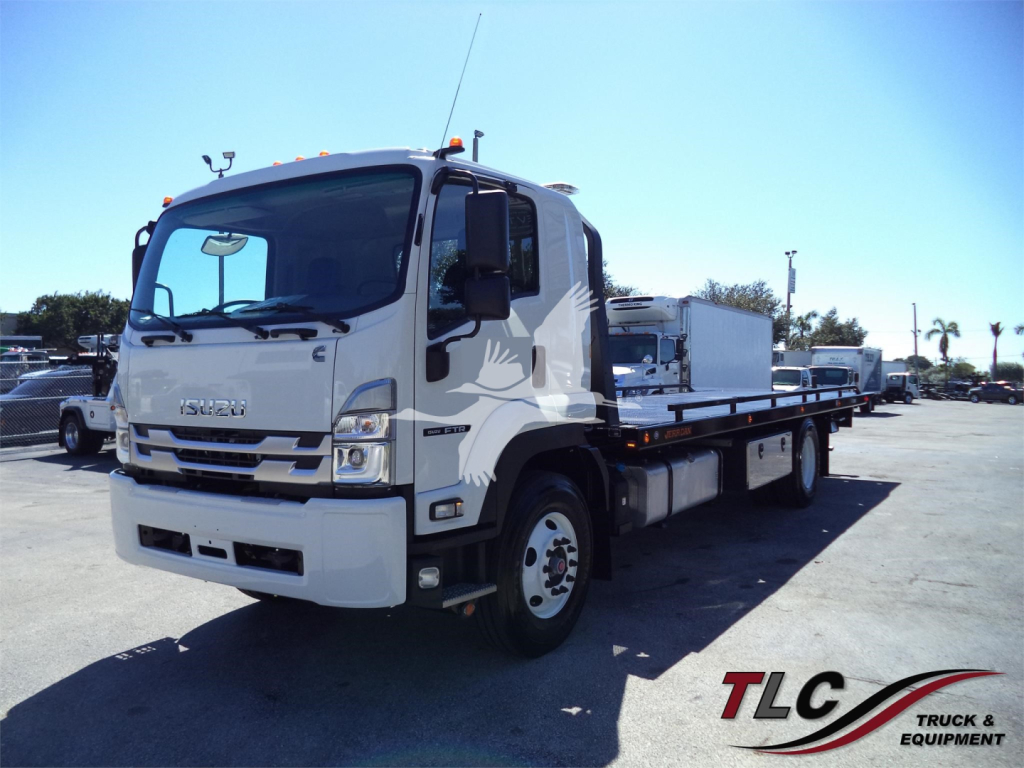
On the chassis side, Isuzu rollback trucks are typically chosen for their cab-over design, tight turning radius, and good visibility in traffic, lots, and loading zones. In Florida, that compact maneuverability can be a real advantage for city towing, port-area work, and moving vehicles through crowded dealer lots or storage facilities. Diesel powertrains with automatic transmissions are common, and medium-duty FTR configurations may include air brakes and higher-output engines for larger 22- to 28-foot carriers. When comparing trucks, pay attention to wheelbase, rear axle rating, suspension setup, tire size, and how the body installation was engineered on the frame. A properly matched chassis and subframe setup will usually deliver better stability, deck operation, and long-term durability.
The best Isuzu rollback for sale is usually the one sized to your actual load mix and route profile. A 19-foot aluminum carrier on an NPR XD can make sense for lighter vehicles and tighter urban work, while a 22-foot NRR or 26,000-GVWR FTR is better suited for broader towing duty and heavier recovery-related transport. Buyers should confirm payload after the body is installed, check bed and wheel-lift ratings separately, and make sure the truck meets local licensing, brake, and operating requirements. Looking closely at deck material, hydraulic system condition, PTO operation, and wear points around the bed pivot and wheel-lift will tell you more than the badge alone.
Frequently Asked Questions about Isuzu Rollback Trucks in Florida
What is the difference between an Isuzu NPR, NRR, and FTR rollback truck?
The main difference is chassis size and carrying capability. NPR and NPR XD rollback trucks are typically used for lighter car carrier work with shorter decks and lower GVWR ratings. NRR models generally step up into the 19,500-lb class and are common for 22-foot carriers with stronger payload potential. FTR rollback trucks are medium-duty units often rated at 26,000 GVWR, making them a better fit for larger steel beds, heavier vehicles, and operators who need more chassis capacity and air-brake configurations.
What deck length is best for an Isuzu rollback truck?
That depends on the vehicles you plan to transport. A 19-foot deck is often adequate for compact cars, sedans, and many light-duty jobs in tighter urban areas. A 22-foot deck is a popular middle ground because it gives more flexibility for SUVs, pickups, and longer-wheelbase vehicles. A 28-foot carrier is usually found on heavier chassis like the FTR and is better for operators handling larger units or wanting a lower load angle with more deck space.
Are Isuzu rollback trucks good for towing and car hauling in Florida?
Yes. The cab-over design works well in Florida markets where tight streets, storage yards, auto auctions, dealerships, and dense traffic can make maneuverability important. Many buyers also like the visibility from the cab and the shorter overall length relative to usable deck space. For coastal and high-humidity environments, deck material, corrosion condition, wiring protection, and hydraulic component maintenance deserve extra attention during evaluation.
What specs matter most when buying a used Isuzu rollback?
Focus on GVWR, actual payload after upfit, deck length and width, bed material, wheel-lift rating, winch capacity, and the quality of the body installation. On a used truck, inspect hydraulic leaks, PTO engagement, deck slide and tilt function, bed pivot wear, frame condition, tire wear, brake type, and any signs of overloading. It is also smart to verify that the wheelbase and axle ratings properly match the rollback body, because a clean-looking carrier can still be poorly spec'd for the work.
What is the advantage of a low-profile or XLP rollback body on an Isuzu chassis?
A low-profile or XLP carrier body reduces the loading angle, which helps when loading low-clearance cars, damaged vehicles, and longer units that might scrape on a standard deck. That can reduce loading time and lower the risk of bumper, rocker-panel, or underbody contact. On an Isuzu rollback truck, this style of body also pairs well with the cab-over layout, giving a compact overall package that still offers practical deck space for everyday towing operations.