
2026 International Rollback Trucks For Sale in Florida
Shop 2026 International rollback trucks in Florida. Compare GVWR, deck length, wheel-lift, winch, and chassis specs for towing work.
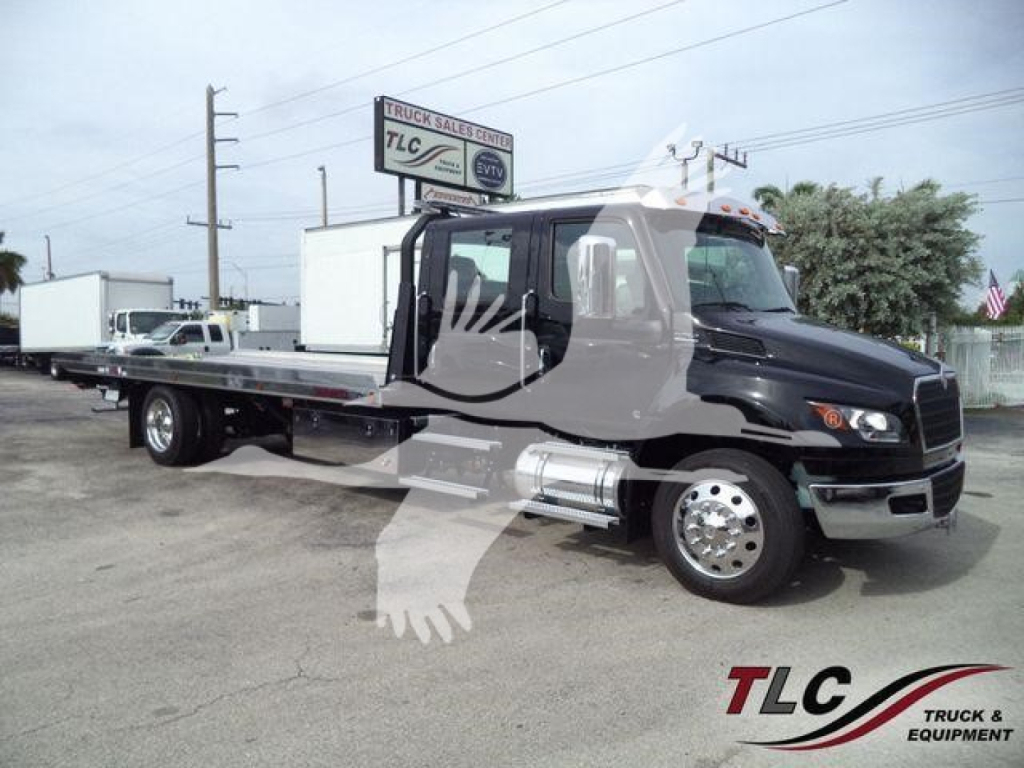
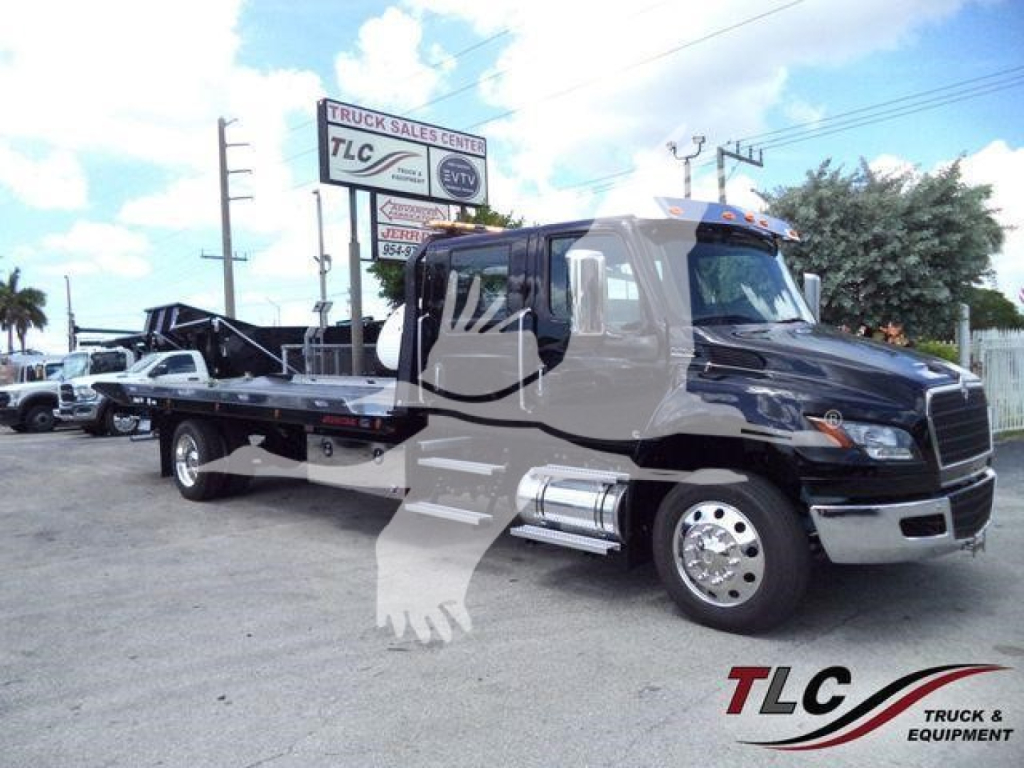
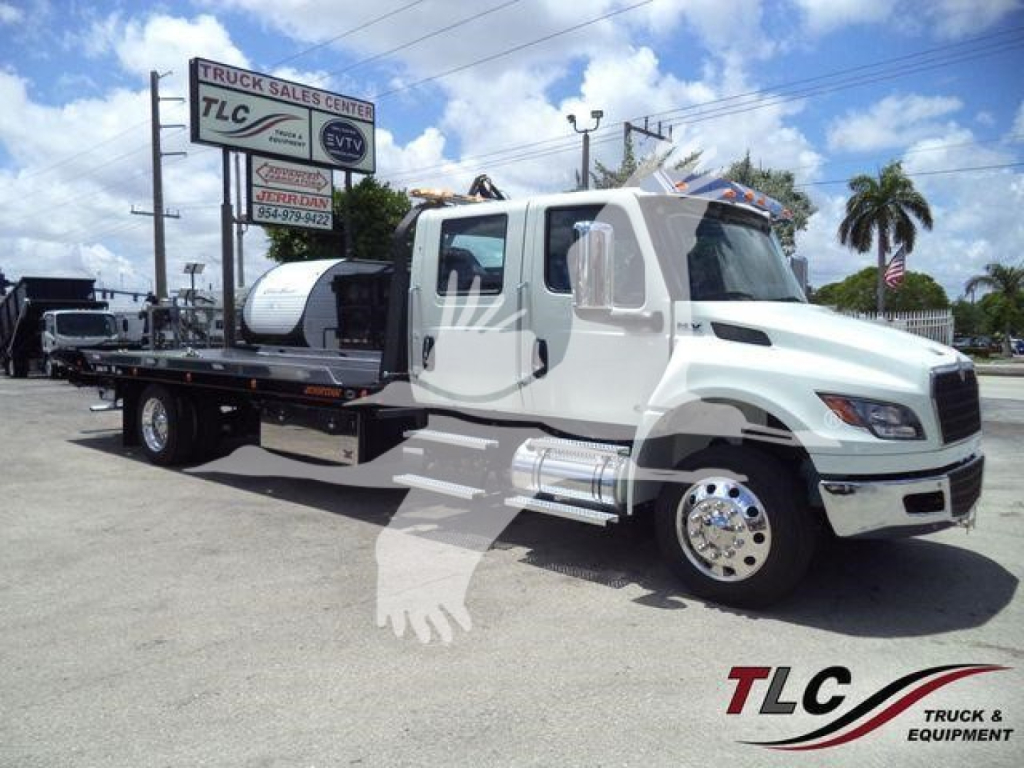
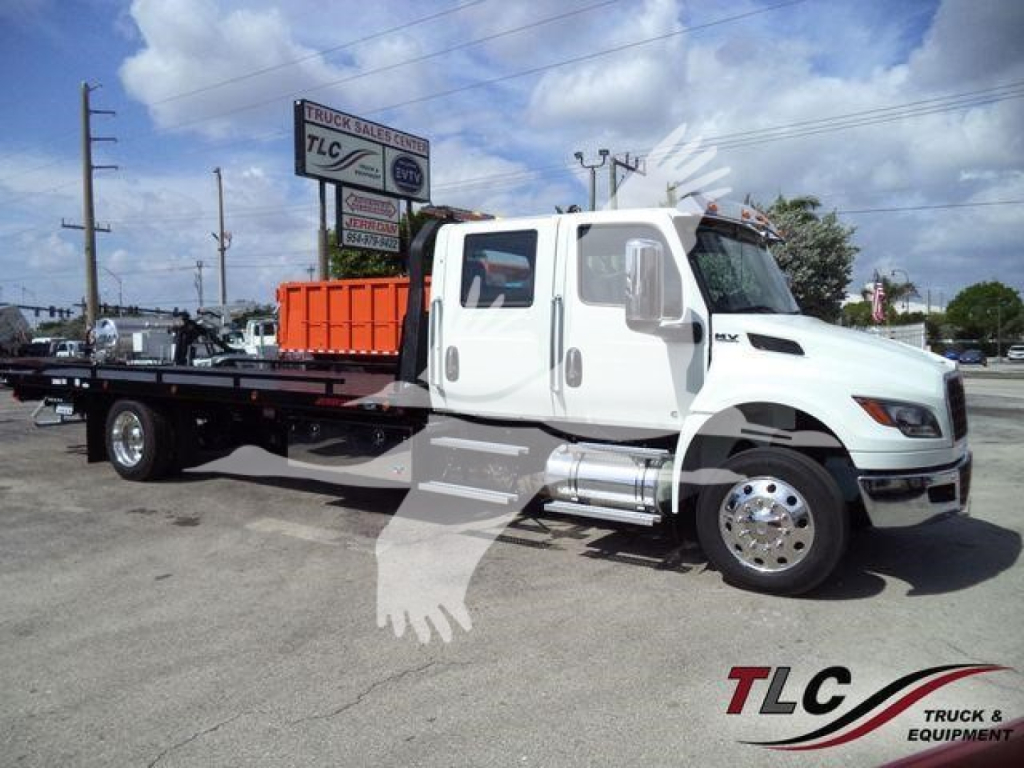
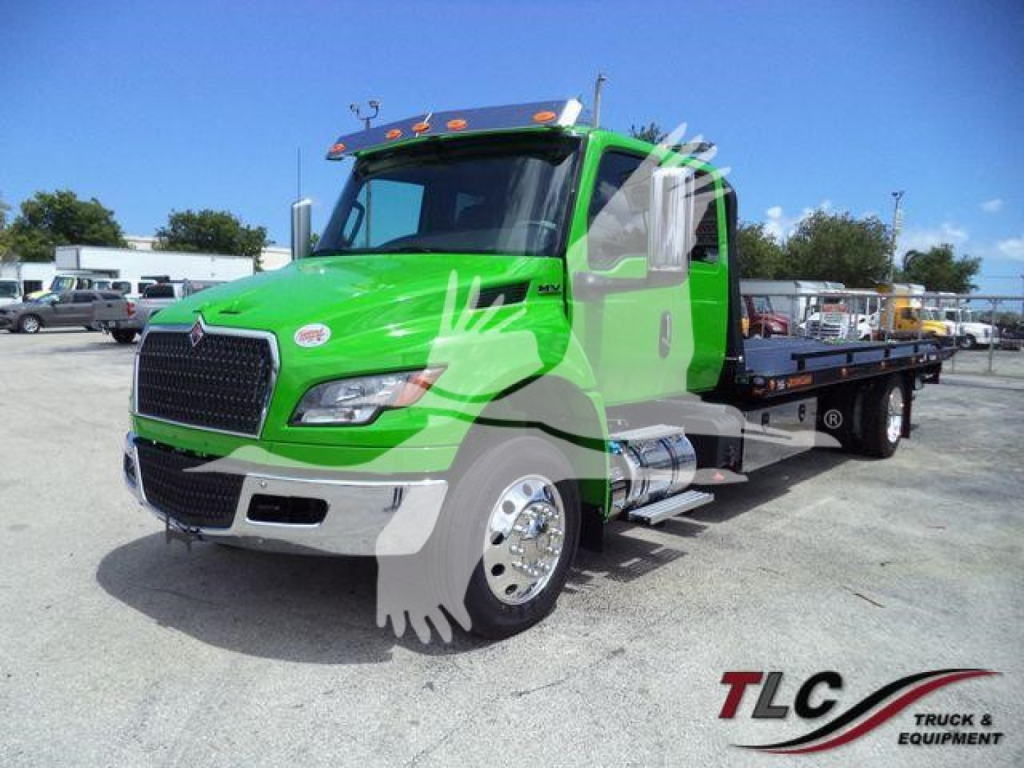
Selling a 2026 international rollback truck? List your 2026 international rollback truck for sale and reach thousands of commercial buyers.
2026 International Rollback Trucks in Florida
Deck design is one of the biggest value drivers. Most buyers in this category look for a 20-foot or 22-foot steel rollback body, usually 102 inches wide, with extra low-profile geometry for reduced loading angle. XLP or LCG style carriers are especially useful for low-clearance cars, SUVs, and light trucks because they help minimize bumper and valance contact during loading. A 6-ton deck is common on International rollback trucks, often paired with a 3,500-pound hydraulic wheel-lift and an 8,000-pound class winch. Removable rails, dual toolboxes, LED work lighting, and L-arms are also frequent spec points. If the truck will spend most of its time on recoveries versus straight transport, pay close attention to wheel-lift reach, pylon layout, and how the bed geometry affects approach angle.
On the chassis side, International buyers usually compare diesel engine and transmission combinations, brake type, suspension, and wheelbase. CV models often appeal to operators who want a more compact, pickup-based rollback with available 4x4 capability for mixed pavement and soft-shoulder work. MV or 4300-class trucks are generally better suited for higher daily cycle counts, larger cabs, air brakes, air ride suspension, and a more traditional medium-duty service profile. A longer cab-to-axle and wheelbase can improve weight distribution on a 22-foot carrier, especially when hauling heavier pickups or loading with a wheel-lift attached. Buyers should also verify front axle capacity, rear axle ratio, and actual payload after the body, winch, toolboxes, and accessories are installed.
For many operators, the right International rollback comes down to matching the truck to the jobs that generate the most revenue. A lower GVWR unit can be easier to maneuver in urban towing and private property work, while a 26,000 GVWR setup with air ride and a longer carrier may offer better stability and versatility for transport and repossession fleets. Look closely at bed manufacturer support, hydraulic component access, tie-down storage, lighting layout, and serviceability of the chassis electronics. International rollback trucks are also commonly referred to as rollback tow trucks, car carriers, carrier trucks, or flatbed tow trucks, and the best spec is usually the one that balances legal payload, low loading angle, and daily operator efficiency.
Frequently Asked Questions about 2026 International Rollback Trucks in Florida
What is the most common deck size on an International rollback truck?
The most common deck sizes are 20 feet and 22 feet, typically at 102 inches wide. A 20-foot deck is common on lighter GVWR chassis such as the International CV, while a 22-foot deck is more common on MV or 4300-class medium-duty chassis. Buyers hauling crew-cab pickups, longer SUVs, or mixed transport loads often prefer the added length of a 22-foot carrier for better positioning and tie-down flexibility.
What does XLP or low-profile deck mean on a rollback truck?
XLP, low-profile, or LCG deck terminology refers to a rollback body designed with a lower loading angle. That matters when loading low-clearance cars, sport sedans, exotics, and vehicles with long front overhangs. A lower angle reduces the chance of scraping bumpers, air dams, or rocker panels during winching and loading. It is one of the most important body features for operators handling modern passenger vehicles.
Is an International CV or MV better for rollback towing?
It depends on the workload. The International CV is often chosen for lighter-duty towing, tighter urban maneuvering, and applications where 4x4 capability is useful. The International MV is generally the better fit for higher daily use, larger rollback bodies, air brake specifications, and 26,000 GVWR operations. If the truck will regularly carry heavier vehicles or spend long days in commercial towing service, the MV platform is usually the more robust medium-duty choice.
What wheel-lift and winch specs are common on this category?
A common setup is a 3,500-pound hydraulic wheel-lift paired with an 8,000-pound winch on a 6-ton rollback body. That combination covers a wide range of passenger vehicles, light trucks, and disabled units encountered in routine towing. Buyers should still confirm the actual body rating, wheel-lift design, and winch configuration because usable performance depends on deck length, cable routing, body manufacturer, and chassis weight distribution.
Why does wheelbase matter on a 22-foot International rollback?
Wheelbase affects balance, ride quality, and legal loading. On a 22-foot carrier, a longer cab-to-axle and overall wheelbase can improve weight distribution when carrying heavier pickups or using the wheel-lift at the same time. Better balance can reduce front axle unloading and help the truck feel more stable on the road. It is an important detail for buyers who want to maximize usable capacity without compromising drivability.