
Used 2016 Refrigerated Trucks For Sale in Pennsylvania
Shop used 2016 refrigerated trucks in Pennsylvania. Compare reefer body sizes, liftgates, reefer units, hours, GVWR, and cold-chain specs.
Learn more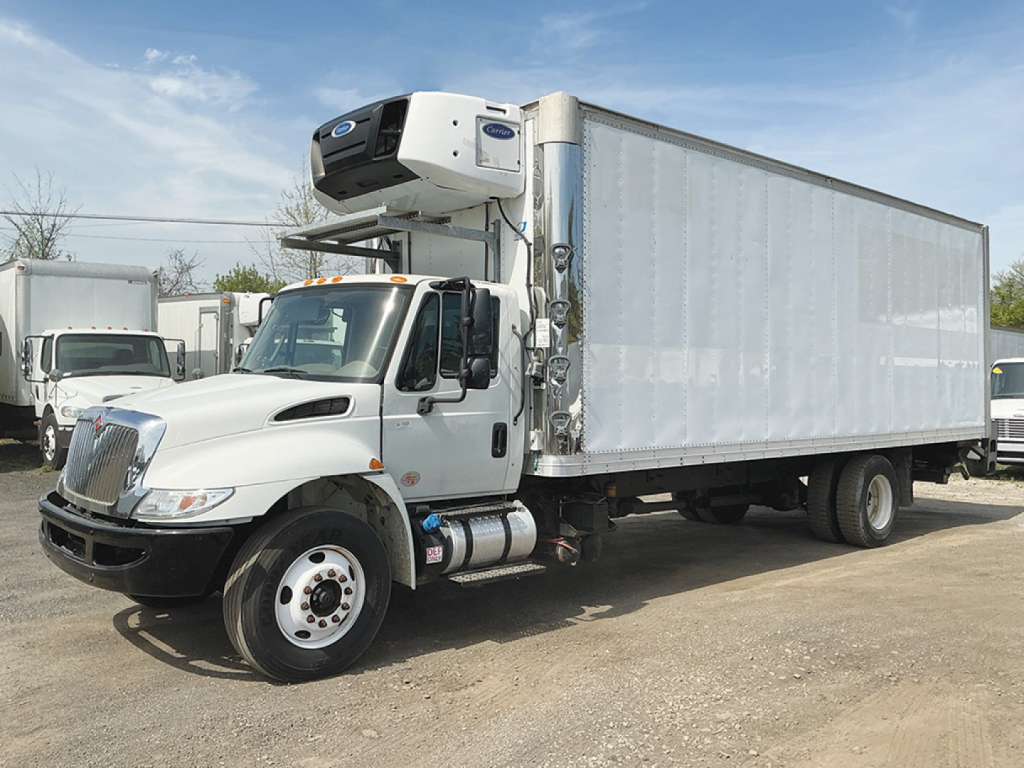
Have used 2016 refrigerated truck to sell? List it here to reach thousands of buyers.
About Used 2016 Refrigerated Trucks in Pennsylvania
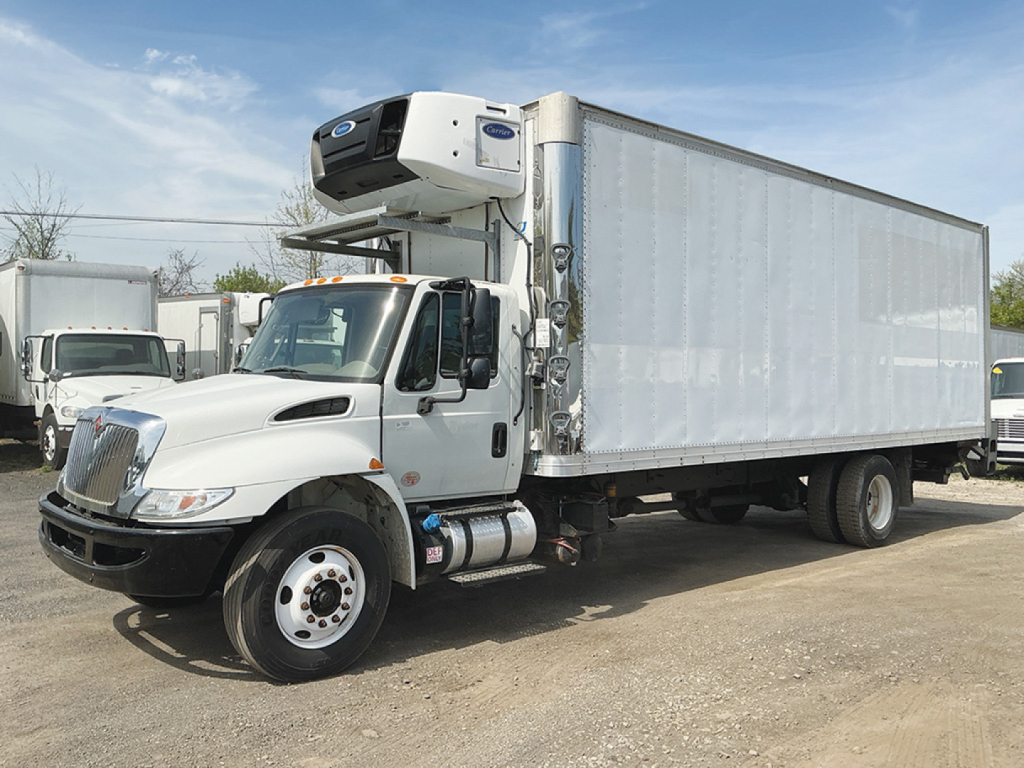
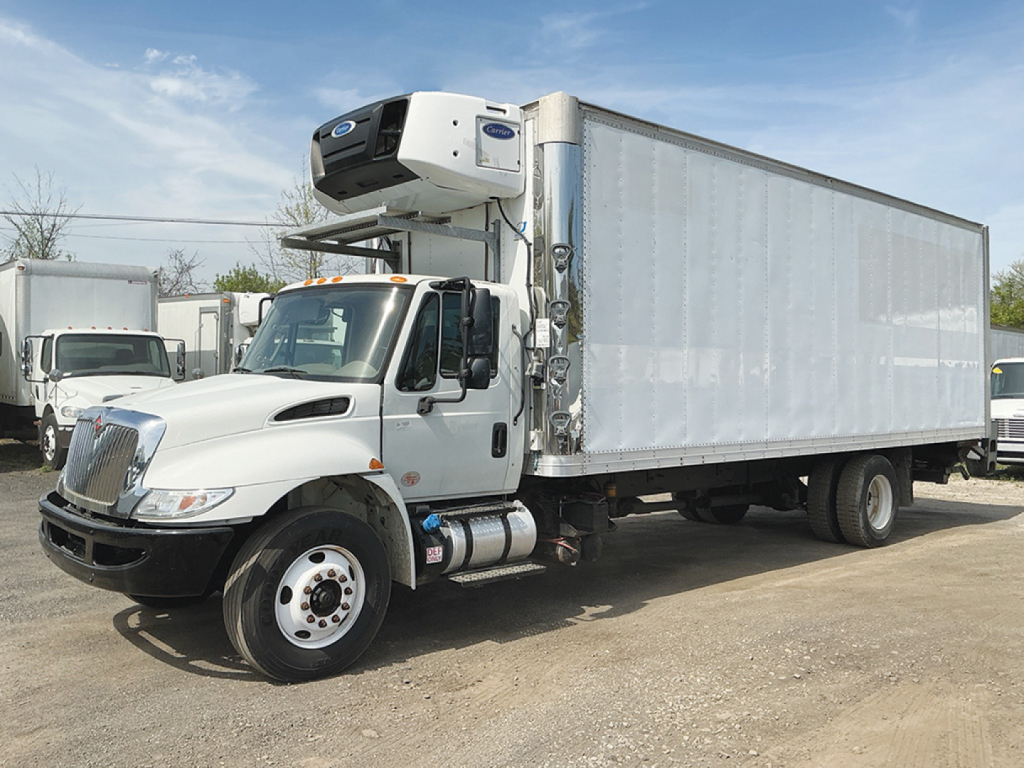
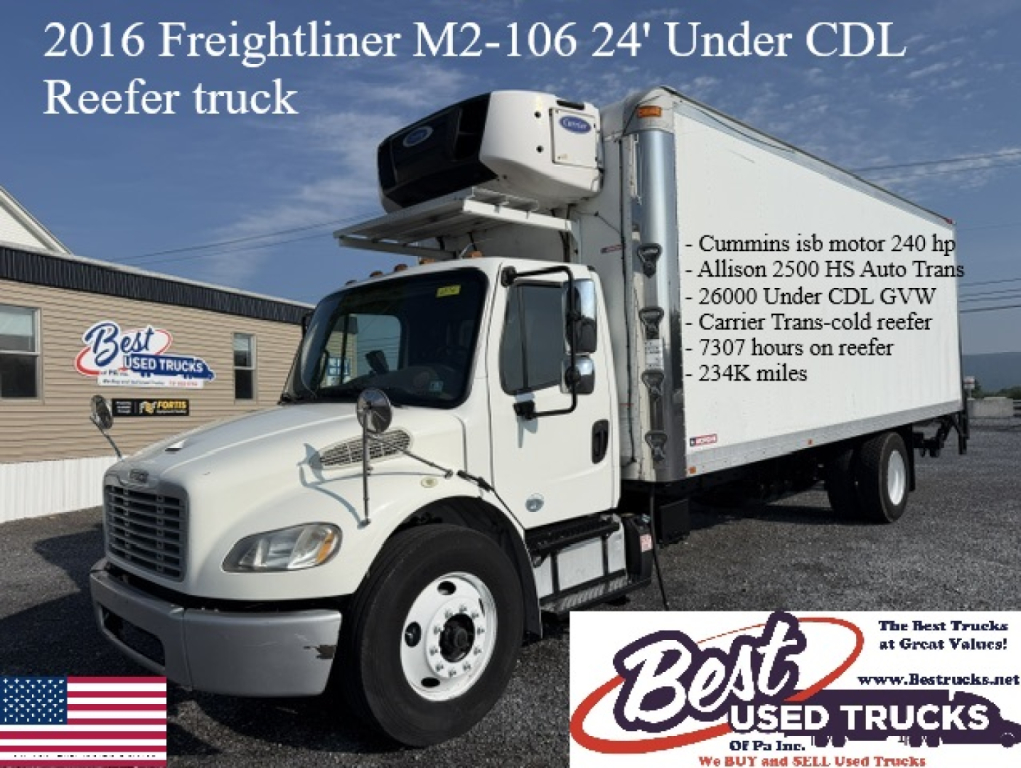
For Pennsylvania routes, body and spec choices should match the freight and delivery pattern. A 26-foot reefer truck is common for grocery, foodservice, produce, dairy, floral, and pharmaceutical distribution, while a 24-foot under-CDL configuration can make sense for urban delivery, tighter customer docks, and fleets trying to avoid CDL staffing constraints. Many 2016 reefer trucks in this class carry a 26,000-pound GVWR, which keeps them under CDL while still allowing a useful payload, but actual payload depends on the body, liftgate, fuel, and refrigeration package. Buyers should pay close attention to wheelbase, rear axle ratio, suspension type, and liftgate rating because those specs directly affect maneuverability, highway speed, dock access, and day-to-day unloading efficiency.
The refrigerated body deserves the same scrutiny as the engine and transmission. Look for insulated van bodies from established builders such as Morgan, along with interior features like Kemlite liners, scuff plates, E-track, flat or ducted aluminum floors, and curb-side doors. Floor condition matters because soft spots, corrosion, or damaged seams can lead to sanitation issues and temperature loss. Door seals, front wall integrity, drain condition, and evidence of previous panel repair are all worth checking. If multi-stop delivery is part of the job, ask how well the body recovers temperature after frequent door openings and whether the reefer unit has been used mainly for frozen, fresh, or mixed loads. Liftgates are common in this segment, often around 3,000 pounds, and they should be evaluated for platform wear, cylinder leaks, and stable operation under load.
A 2016 refrigerated truck is often bought on total operating condition rather than age alone. The most useful comparison points are reefer service history, engine emissions maintenance, transmission behavior, current temperature performance, and evidence of water intrusion in the body. In Pennsylvania, road salt and winter operation also make frame condition, brake lines, electrical connections, and underside corrosion especially important. For many buyers, the best value is a truck with a clean insulated body, documented reefer maintenance, and a spec that matches the route instead of simply the lowest purchase price. Also listed as a reefer truck or refrigerated straight truck, this category remains a practical choice for operators moving temperature-sensitive freight without stepping into a full tractor-trailer setup.
Frequently Asked Questions
What should I check first on a used 2016 refrigerated truck?
Start with the refrigeration unit, not just the chassis. Confirm reefer hours, recent maintenance, pull-down performance, temperature hold, and any major repairs to the compressor, condenser, evaporator, or controls. After that, inspect the insulated body for seal damage, water intrusion, floor wear, panel repairs, and door alignment. The truck itself should then be reviewed for engine service history, transmission condition, brake and suspension wear, and corrosion, especially if it has spent time in Pennsylvania winter conditions.
Is a 2016 reefer truck still a good choice for local delivery work?
Yes, a 2016 reefer truck can still be a productive local or regional delivery unit if it has strong maintenance records and the refrigeration system performs correctly. Many trucks from this model year were built with proven medium-duty platforms, automatic transmissions, and 24-foot to 26-foot reefer bodies that fit foodservice and grocery routes well. The key is to judge remaining value by body condition, reefer health, and route suitability rather than by model year alone.
What is the benefit of an under-CDL refrigerated truck?
An under-CDL refrigerated truck, commonly rated at 26,000 pounds GVWR, can expand driver flexibility because it does not require a CDL in many applications. That can matter for final-mile, bakery, produce, floral, and local food distribution routes with frequent stops. Buyers still need to verify payload carefully, because the refrigerated body, liftgate, and fuel load can reduce usable carrying capacity compared with a lighter dry van configuration.
How important are reefer hours compared with miles?
Reefer hours are extremely important because the refrigeration unit is its own working machine with separate wear patterns from the chassis. A truck may show acceptable miles, but a reefer with heavy operating hours, poor service history, or weak temperature control can create immediate repair expense and delivery risk. Buyers should compare chassis miles and reefer hours together, then look at maintenance intervals, repair records, and real-world cooling performance during inspection.
What body features matter most on a refrigerated straight truck?
The most important body features depend on the freight, but buyers commonly prioritize insulation integrity, interior liner condition, floor type, E-track placement, door configuration, and liftgate capacity. Scuff liners and durable flooring help in foodservice and multi-stop work, while a curb-side door can improve delivery access in tight areas. A clean body with tight seals and a well-functioning rear door does more to preserve temperature and product quality than cosmetic appearance alone.