
Used Freightliner Refrigerated Trucks For Sale in New York
Shop used Freightliner refrigerated trucks for cold-chain delivery, with common specs, reefer unit options, body features, and buying tips.
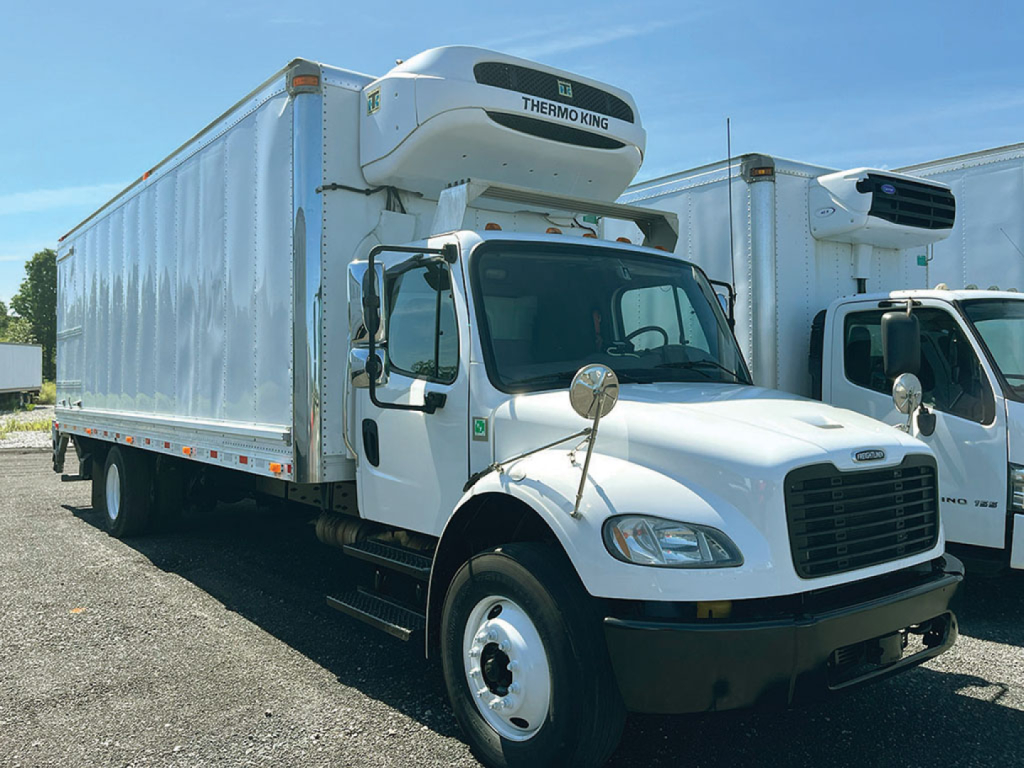

Have used freightliner refrigerated truck to sell? List it here to reach thousands of buyers.
Used Freightliner Refrigerated Trucks in New York
The reefer system deserves as much attention as the chassis. Common units from Thermo King or Carrier are rated for fresh and frozen applications, but actual performance depends on insulation thickness, door seal condition, evaporator health, and how the truck was used. Buyers should look closely at reefer hours, maintenance records, pull-down performance, and whether the unit is diesel-powered, electric standby capable, or set up for multi-temp operation. Body details like a flat aluminum floor, scuff liners, threshold plates, stainless front corners, and E-track can say a lot about how the truck handled palletized freight and how much interior wear to expect.
On the chassis side, Freightliner refrigerated trucks in this class are often built with Cummins ISL9 or Detroit DD8 power, Allison automatic transmissions, air ride suspension, and GVWR ratings around 33,000 pounds. That combination fits route delivery well because it is easy to drive, durable in stop-and-go service, and straightforward to service through a broad dealer network. Rear axle ratio, wheelbase, liftgate capacity, and door style all affect day-to-day productivity. A 26-foot body with a roll-up rear door and tuckunder liftgate may be ideal for dock and curbside deliveries, while side doors and low step-in height matter more for hand-unload operations.
Used condition matters more on refrigerated trucks than on many dry vans because the truck and the box are both working assets. Inspect the bulkhead, floor channels, interior lining, drains, and roof for signs of water intrusion or insulation breakdown. Check for air leaks around the rear frame and door, verify the reefer can hold setpoint under load, and confirm the body dimensions and empty weight match the intended commodity mix. Freightliner remains a strong fit for buyers who need a serviceable cab, familiar controls, and a proven platform for regional and city refrigerated delivery.
Frequently Asked Questions about Used Freightliner Refrigerated Trucks in New York
What should I check first on a used Freightliner refrigerated truck?
Start with the refrigeration unit, body condition, and maintenance history before you focus on cosmetics. Reefer hours, service records, temperature pull-down, door seal condition, and insulation integrity matter as much as engine and transmission condition. On the chassis, check the engine, Allison transmission operation, suspension, brake wear, and any signs the truck spent its life in heavy stop-and-go service. A clean cab does not offset a weak reefer unit or a compromised insulated body.
What body size is most common on a Freightliner reefer straight truck?
A 24- to 26-foot refrigerated body is one of the most common setups on Freightliner M2 106 trucks. That length gives operators enough cubic capacity for route work while still staying manageable in tight city streets, loading docks, and grocery or restaurant delivery environments. Exact payload depends on GVWR, body construction, reefer unit weight, and liftgate spec, so body length alone does not tell the full story.
Are Freightliner refrigerated trucks good for New York delivery routes?
Yes, especially medium-duty Freightliner reefer trucks used for borough, suburban, and regional delivery work. The M2 platform is widely used because it offers a practical cab layout, good parts support, and configurations that work well for frequent stops and urban maneuvering. In New York, wheelbase, turning radius, liftgate style, and body height can be just as important as horsepower because access and parking constraints affect route efficiency every day.
What engine and transmission setups are common in used Freightliner refrigerated trucks?
Many used Freightliner refrigerated straight trucks are equipped with engines such as the Cummins ISL9 or Detroit DD8 paired with an Allison automatic transmission. This is a common route-delivery combination because it handles stop-and-start driving well and is familiar to fleets and service shops. Buyers should still verify horsepower, rear axle ratio, and GVWR because those specs affect gradeability, payload, and how comfortably the truck handles a full refrigerated load.
How important is the liftgate on a used reefer truck?
The liftgate is critical if deliveries involve locations without docks, palletized product, or frequent curbside unloading. Capacity, platform size, and operating condition should match the freight being handled. A worn or undersized liftgate can slow down routes, create safety issues, and limit what the truck can actually deliver. On a used refrigerated truck, the liftgate should be inspected along with the rear frame, threshold area, and electrical or hydraulic components that support it.