
Freightliner Refrigerated Trucks For Sale in Florida
Browse Freightliner refrigerated trucks in Florida. Compare reefer body sizes, GVWR, liftgates, and Thermo King-ready cold chain specs.
Selling a freightliner refrigerated truck? List your freightliner refrigerated truck for sale and reach thousands of commercial buyers.
Freightliner Refrigerated Trucks in Florida
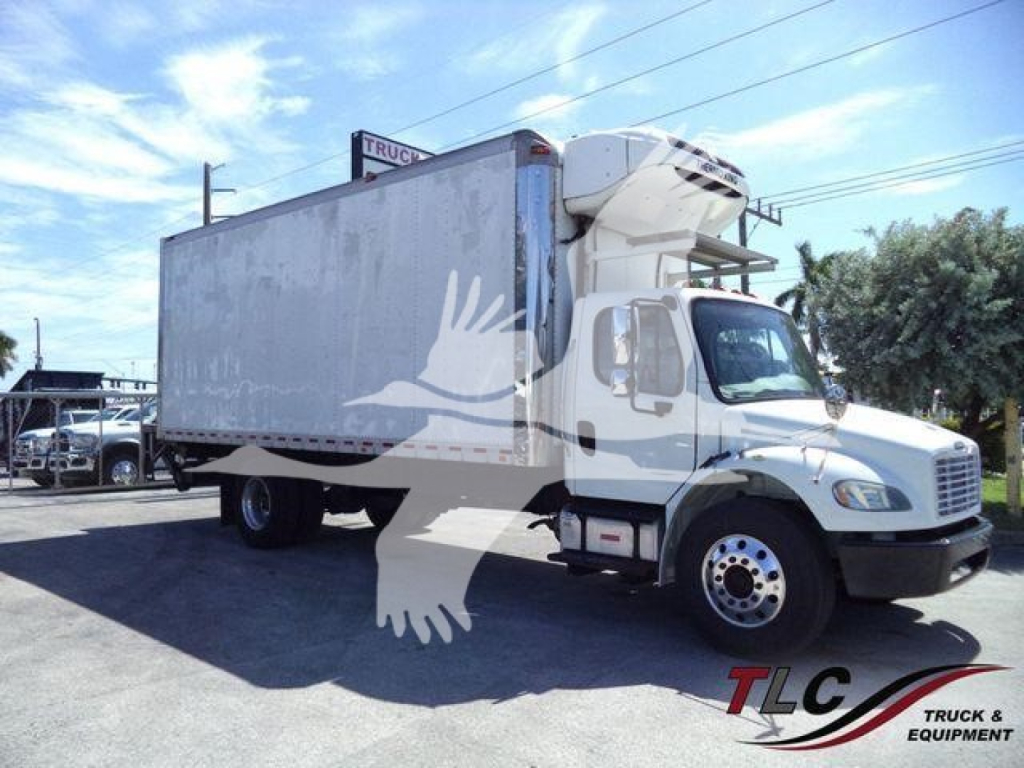
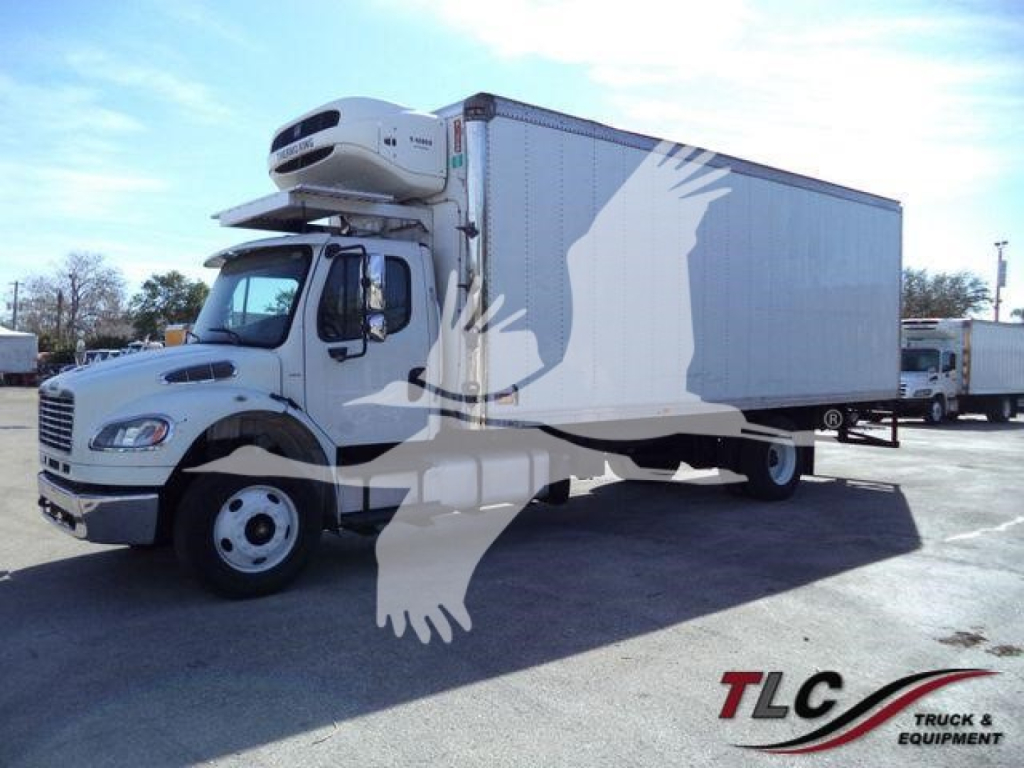
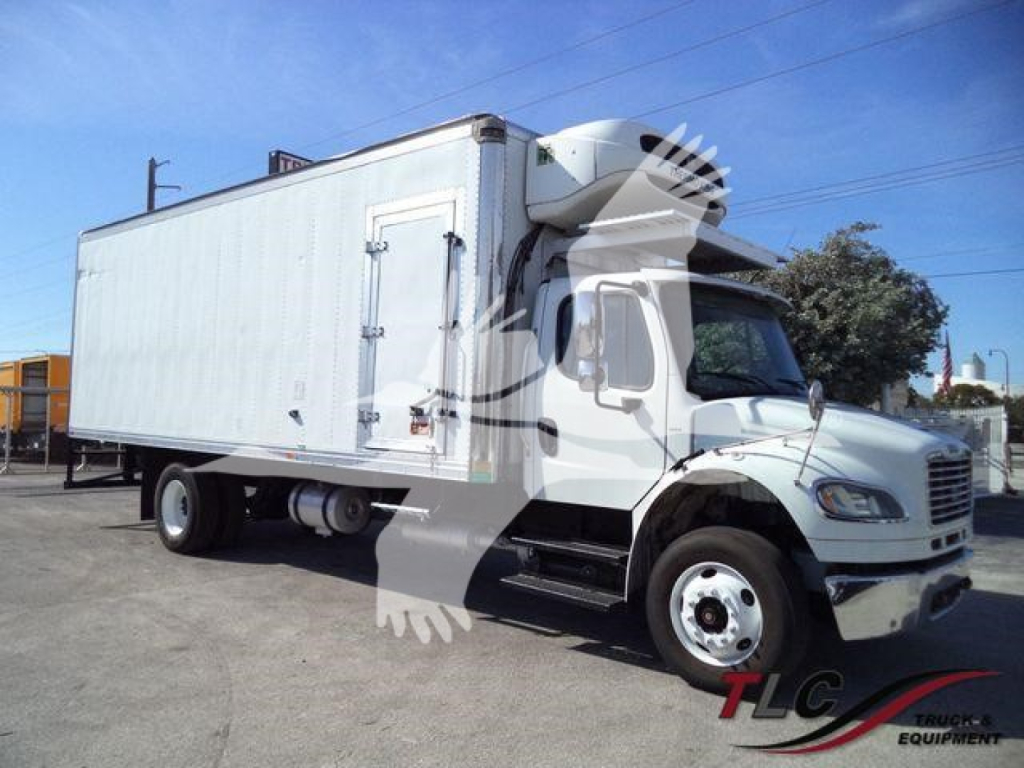
Body and reefer spec should drive the buying decision as much as the cab and chassis. Freightliner refrigerated trucks in this class are commonly built with 22-foot to 24-foot insulated bodies from manufacturers such as Morgan or Kidron, paired with Thermo King units sized for local or regional delivery work. Look closely at insulation condition, door seal wear, floor integrity, evaporator placement, and how quickly the box pulls down to target temperature. A roll-up rear door is common for multi-stop delivery, while a curb-side door or pull-out ramp can improve productivity on hand-unload routes. If dock access is inconsistent, a tuck-under liftgate can be a major advantage, especially for palletized foodservice, floral, dairy, beverage, and pharmaceutical distribution.
GVWR is another key dividing line. Many Freightliner reefer trucks are spec'd around 26,000 GVWR for non-CDL operation, while others step up to 33,000 GVWR for greater payload capacity. That decision affects licensing, route flexibility, pallet count, and body size. Buyers should also match engine output and axle rating to the intended load. A lighter 6.7L Cummins setup can work well for urban and suburban delivery, while an 8.9L-class engine and heavier chassis spec may make more sense for dense payloads, longer runs, or liftgate-intensive service. In reefer work, electrical health is important too, since battery condition, alternator performance, and wiring quality can affect both startup reliability and body accessories.
In Florida, reefer truck buyers should pay special attention to cooling performance in high ambient temperatures, corrosion around door frames and underbody components, and service records for the refrigeration unit. A Freightliner refrigerated truck that looks clean on the outside still needs careful inspection of the box interior, scuff liners, drain channels, and refrigeration hours. The best units for produce, seafood, frozen foods, and temperature-sensitive distribution are the ones with a chassis matched to the route and a reefer body that still holds temperature efficiently under repeated door openings.
Frequently Asked Questions about Freightliner Refrigerated Trucks in Florida
What is the most common Freightliner refrigerated truck model for delivery work?
The Freightliner M2 106 is one of the most common medium-duty refrigerated truck platforms for delivery work. It is widely used for foodservice, grocery, produce, floral, and pharmaceutical routes because it supports a broad range of body lengths, reefer unit sizes, and GVWR ratings. Buyers also tend to like the serviceability of the M2 platform, especially when paired with common powertrain specs such as Cummins diesel engines and Allison automatic transmissions.
Is a 26,000 GVWR or 33,000 GVWR Freightliner reefer truck better?
It depends on payload, route type, and driver requirements. A 26,000 GVWR refrigerated truck is often preferred for non-CDL operation and urban delivery flexibility, especially when payload demands are moderate. A 33,000 GVWR truck usually makes more sense when the route involves heavier freight, larger body dimensions, more pallets, or frequent liftgate use. The tradeoff is that the heavier truck may bring different licensing requirements and operating costs.
What should I inspect first on a used Freightliner refrigerated truck?
Start with the refrigeration system and the condition of the insulated body. Confirm that the reefer unit reaches and maintains the target temperature, then inspect the evaporator, condenser, door seals, floor, walls, and ceiling for wear or damage. After that, check the chassis spec, engine, transmission, brakes, suspension, and electrical system. On a reefer truck, box condition and cooling performance are just as important as mileage and engine hours.
Are liftgates important on refrigerated box trucks?
A liftgate is important when the truck delivers palletized freight to locations without a loading dock. In refrigerated service, that is common on foodservice, small grocery, convenience store, and specialty distribution routes. A tuck-under liftgate is popular because it preserves rear access while giving the driver a practical unloading solution. Buyers should verify the liftgate's rated capacity, platform condition, cycle operation, and hydraulic performance.
Which reefer unit brands are common on Freightliner refrigerated trucks?
Thermo King is one of the most common refrigeration unit brands found on Freightliner reefer trucks in this class, especially on medium-duty straight trucks used for local and regional delivery. Unit model size should match the body volume, insulation package, operating temperature range, and number of stops per day. For buyers, service history, hours, temperature pull-down performance, and parts support often matter more than brand name alone.