
Refrigerated Trucks For Sale in Colorado
Refrigerated trucks for sale in Colorado: compare payload, reefer capacity, mountain-route gearing, and cold-weather protection before choosing a truck.
Selling a refrigerated truck? List your refrigerated truck for sale and reach thousands of commercial buyers.
Refrigerated Trucks in Colorado
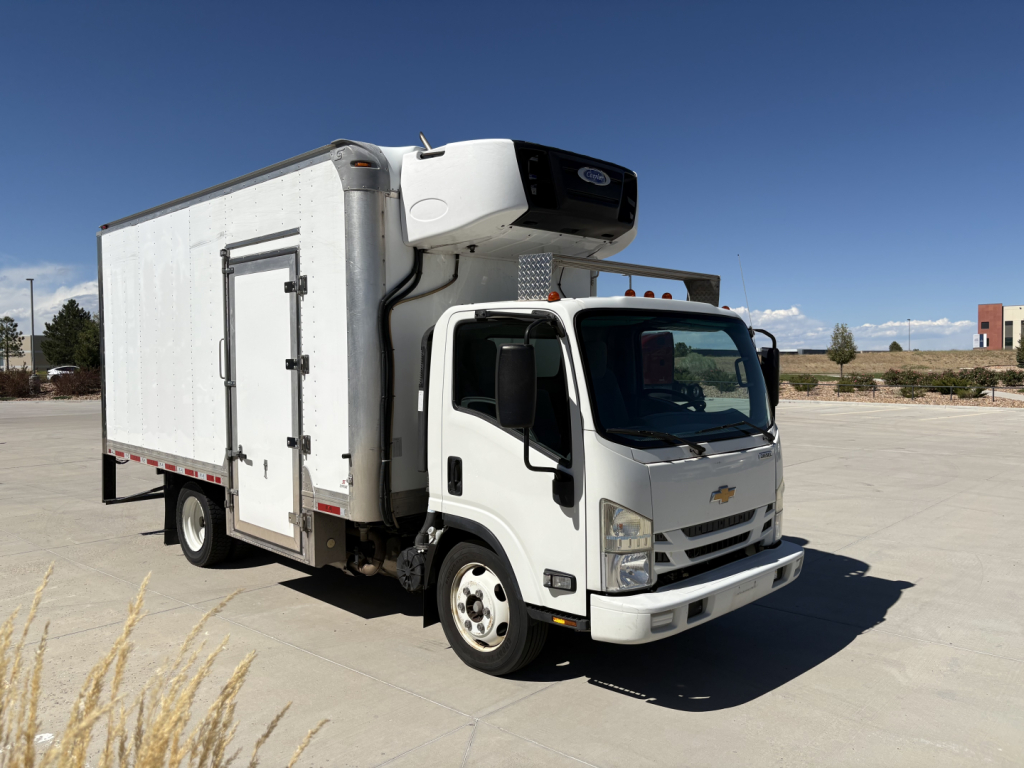
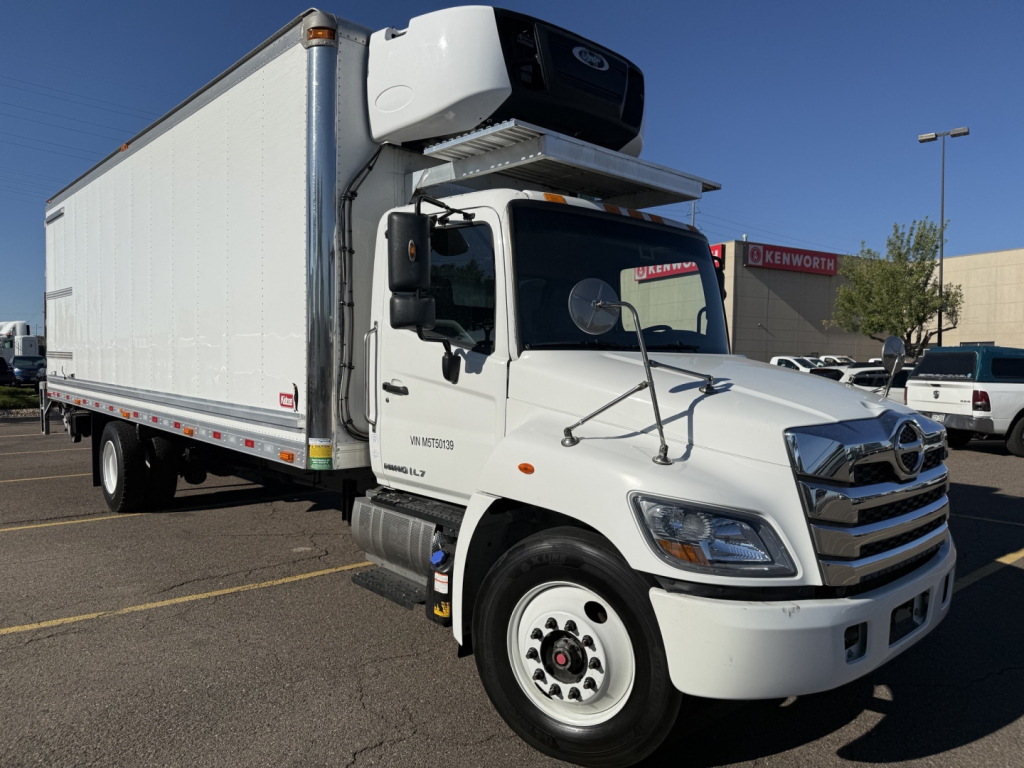
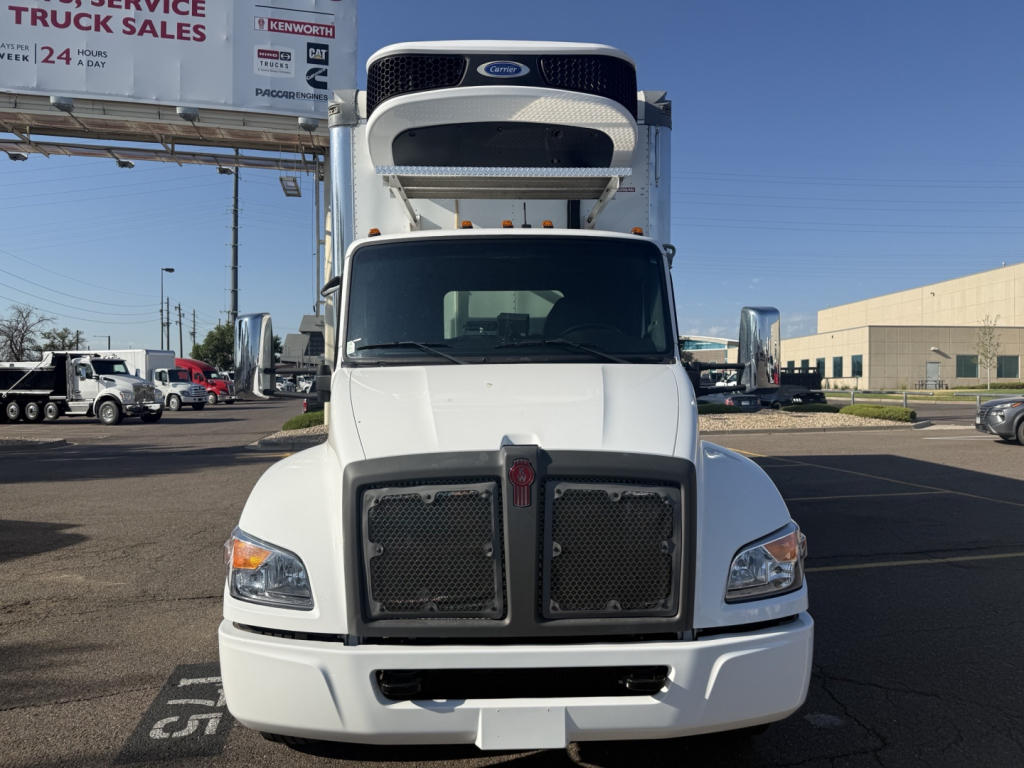
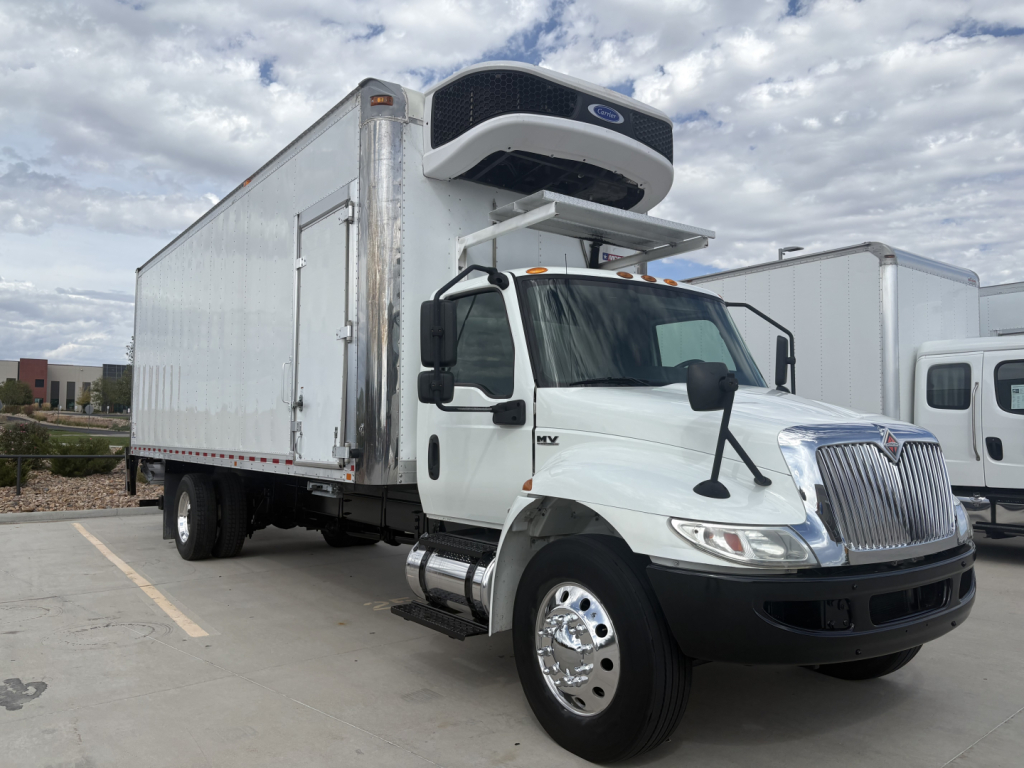
A compact Isuzu N-Series can suit tight delivery stops, while International MV and Kenworth T380 chassis accommodate larger refrigerated bodies. Choose axle ratings, wheelbase, and gearing for the loaded route rather than horsepower alone. Mountain work warrants adequate cooling-system capacity and suitable engine or exhaust braking where available; confirm Colorado chain requirements and adequate tire-chain clearance.
Used reefer trucks need two inspections: chassis and refrigeration system. Compare ECM mileage and idle hours with maintenance records, then check refrigeration hours, fault history, and temperature recovery after a door opening. Inspect floors for soft spots, walls for moisture damage, liftgate mounts for cracking, and frames and electrical connections for corrosion from winter road treatments. On emissions-equipped diesels, review DPF cleaning and SCR/DEF service history. For new trucks, specify electric standby if warehouse parking requires it, confirm separate chassis, body, and refrigeration warranties, and account for the 12% federal excise tax where applicable.
Frequently Asked Questions about Refrigerated Trucks in Colorado
Do I need a CDL to drive a refrigerated truck in Colorado?
A refrigerated straight truck generally requires a Class B CDL in Colorado when its GVWR or actual gross weight is 26,001 pounds or more. Towing a trailer over 10,000 pounds can move a qualifying combination into Class A requirements. Verify the manufacturer's certification label rather than adding axle ratings together. Air brakes affect license restrictions but do not independently trigger the CDL weight threshold.
Should I choose engine-driven or self-powered refrigeration for delivery routes?
Self-powered refrigeration is usually the better match for long stops with the truck engine shut down. A separate refrigeration engine can maintain temperature independently of the chassis engine. Engine-driven refrigeration can suit shorter delivery routes, but confirm how cooling continues during unloading and parking. Electric standby requires a compatible power supply and does not automatically provide cooling at roadside stops.
Can a refrigerated truck freeze warm food after loading?
Most refrigerated truck systems are designed to maintain product temperature, not freeze warm food after loading. Pre-cool the body and load freight already at its required shipping temperature. Leave the specified airflow clearance around the load and keep return-air passages open. A cold thermostat setting cannot compensate for warm product, blocked airflow, or excessive door-opening time.
Is a loaded refrigeration test better than an empty-box pull-down test?
Yes. A temperature-logged test with a safe, representative load reveals more about a used refrigerated truck than an empty-box pull-down test. An empty body can reach setpoint despite weak capacity or uneven temperatures. Record supply, return, and cargo-area temperatures through door openings and a defrost cycle. A qualified refrigeration technician should interpret the results against the unit's specifications.
Does the 12% federal excise tax apply to every new refrigerated truck?
No. New refrigerated straight trucks with a GVWR of 33,000 pounds or less generally fall under the truck exemption from the 12% federal retail excise tax. Heavier qualifying trucks may be taxable at first retail sale. The completed vehicle's rating and applicable exemptions matter, so obtain a written tax determination for the complete chassis, body, and refrigeration specification.