
Pickup 4wd Trucks For Sale in New York
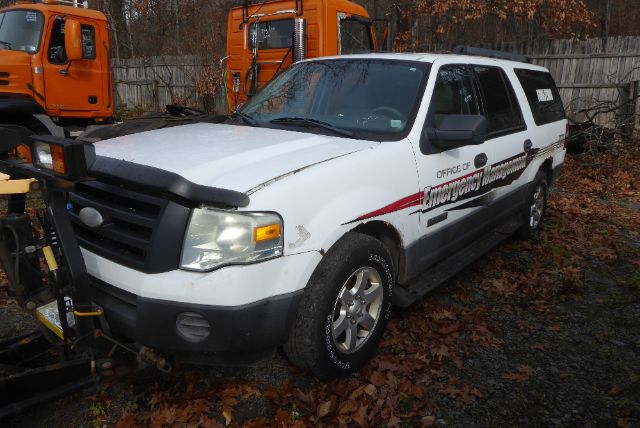
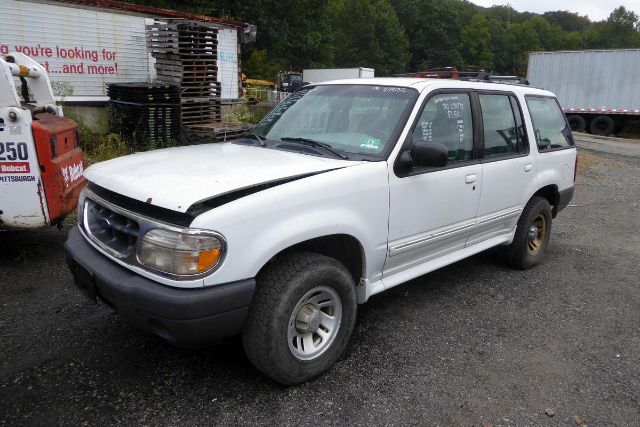
Showing 25 to 26 of 26 results
Have pickup 4wd truck to sell? List it here to reach thousands of buyers.
Pickup 4wd Trucks in New York
Payload and towing hinge on GVWR, rear axle GAWR and curb weight. 4WD adds a front differential, transfer case and driveshaft, which raises tare weight and trims payload compared to 2WD, so compare door sticker payloads carefully. Axle ratio matters, 3.73 or 4.10 improves GCWR and launch with a trailer, 3.31 or 3.55 favors highway economy. Tow packages add larger radiators, transmission coolers, integrated trailer brake controllers and extendable mirrors, these upgrades protect thermal margins when pulling long grades in the Catskills or Adirondacks. Gas V8s are lighter, warm quickly and suit short urban trips, modern diesels offer higher torque, an exhaust brake and better fuel economy under load, but add aftertreatment, DEF and weight. For plow work, choose a plow prep package with higher front GAWR, heavy alternator and isolated wiring, then verify bumper to frame cooling airflow since plows can elevate coolant and trans temps at low speeds.
New York road salt is a real test of corrosion resistance. Aluminum beds and body panels reduce curb weight and resist red rust, frames remain steel, so inspect e coat coverage, internal frame wax and drain provisions. Wheel well liners, frequent undercarriage washes, fluid film style coatings and stainless or nylon coated brake lines slow corrosion in rockers, cab corners and bed crossmembers. A spray in liner bonds to the bed floor, preserves floor strength and prevents moisture pockets, drop in liners can trap brine unless vented. If a truck previously carried a plow or salt spreader, check front suspension bushings, ball joints, hub bearings, frame horns, radiator support and wiring connectors for accelerated wear and oxidation.
Ride and handling are driven by suspension design. Leaf spring rears carry heavy payloads with stability, coil or coil over rears ride smoother but may need helper springs or airbags for consistent rake under load. Choose LT tires with appropriate load index, many 3/4 ton and 1 ton 4x4 pickups use Load Range E, and a true winter 3PMSF tire improves braking and traction on packed snow. 4WD components add maintenance points, transfer case fluid, front differential service, CV boots and front hub assemblies, so factor service history. Wheelbase and cab configuration affect turning radius and bed length, a crew cab short bed is easier to park in the city, a regular cab long bed maximizes deck space. Modern driver aids such as trailer sway control, integrated cameras, trailer reverse assist and downhill speed control reduce fatigue in tight New York jobsites and congested streets while protecting driveline and brakes.
Frequently Asked Questions about Pickup 4wd Trucks in New York
How does 4WD affect payload and fuel economy in a pickup?
A 4WD system adds a transfer case, front differential and extra driveline hardware, which increases curb weight and mechanical drag. The weight gain typically reduces payload by 100 to 300 pounds versus a comparable 2WD model, and the added rotating mass can lower fuel economy by 1 to 2 mpg depending on gearing and tires. The traction and low range capability often outweigh the penalty if you operate on snow, gravel or jobsite terrain.
What axle ratio is best for towing with a 4WD pickup in New York?
For frequent towing in hilly terrain, 3.73 or 4.10 gearing delivers stronger launch and keeps engine and transmission temps in their efficient range, especially with gas engines. If you tow occasionally and prioritize highway economy, 3.31 or 3.55 may be suitable. Pair the ratio with a factory tow package that includes upgraded cooling and an integrated trailer brake controller to preserve thermal integrity on long grades and stop and go traffic.
Gas or diesel for a 4x4 pickup that plows and tows in winter?
Diesel offers high torque at low rpm and an exhaust brake for control on slick descents, plus better fuel economy under continuous load. It is heavier, which trims payload, and the aftertreatment system needs steady heat for reliable regens, short idling plow cycles can be challenging. A gas V8 warms quickly, is simpler for short duty cycles and costs less up front. For either choice, specify a plow prep package, high output alternator and block heater for cold starts.
How can I protect a 4WD pickup from New York road salt and brine?
Select trucks with strong factory corrosion protection, e coated frames, internal frame wax and wheel well liners. Apply a quality underbody oil or wax treatment annually, rinse the undercarriage frequently, and clear frame drains. A spray in bed liner and bed mat cushion loads and prevent paint wear on the bed floor, while avoiding moisture traps common with drop in liners. Inspect and maintain brake lines, fasteners and body plugs, and touch up chips before winter.
What should I inspect on a used 4WD pickup driveline before purchase?
Engage 4H and 4L to verify transfer case operation without binding, listen for chain slap or bearing howl, and check front axle vacuum or electronic disconnects for proper engagement. Inspect CV boots, U joints, front hub bearings and axle seals for leaks or play. Look for differential and transfer case fluid service records, examine frame rails, bed crossmembers and cab mounts for rust, and check for heat staining on the transmission cooler that can indicate past thermal stress while towing.