
Used Ford Pickup 4wd Trucks For Sale in Massachusetts
Browse used Ford 4x4 pickup trucks in Massachusetts, including F-250 and F-350 Super Duty models for work, towing, snow, and fleet use.
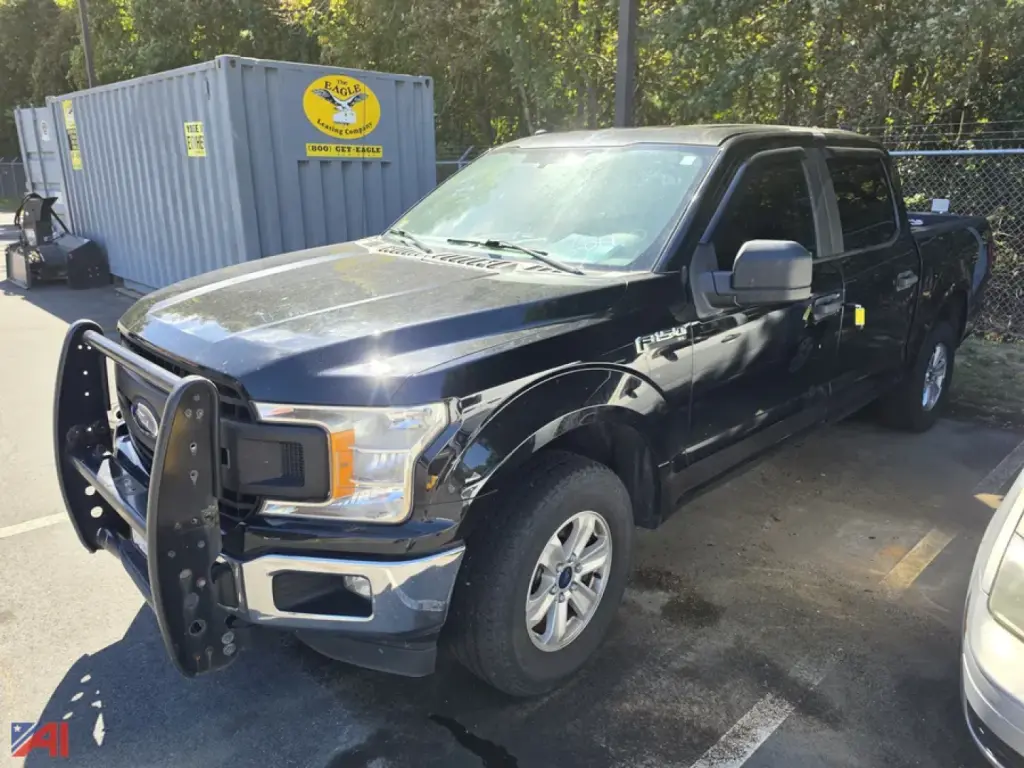
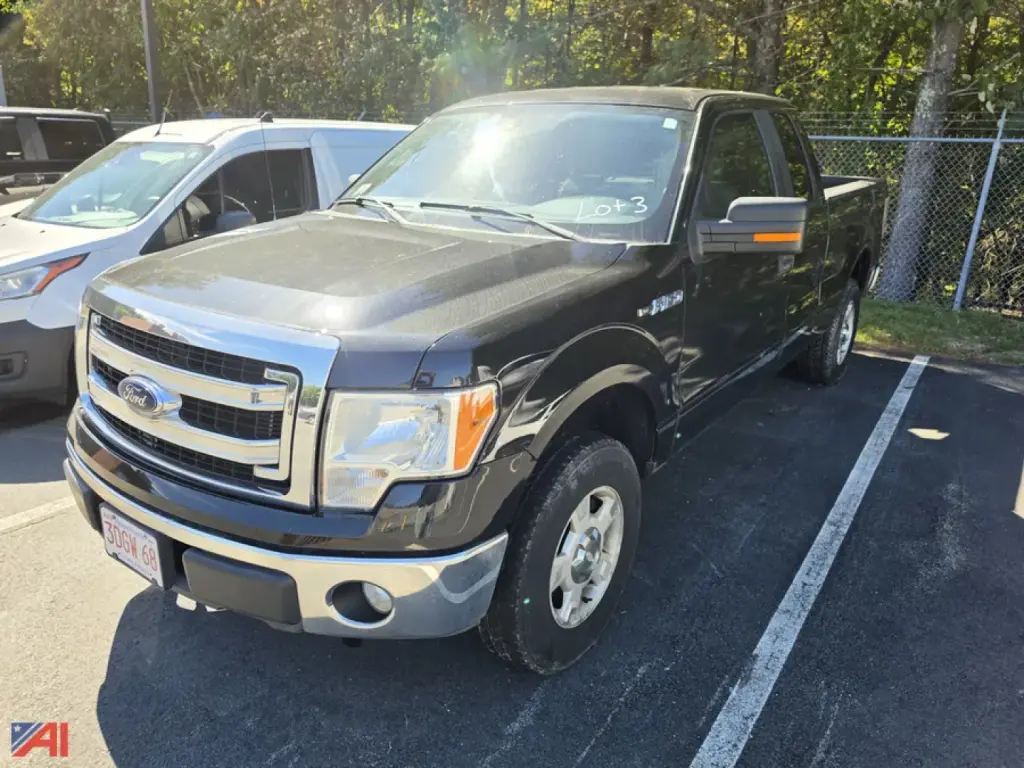
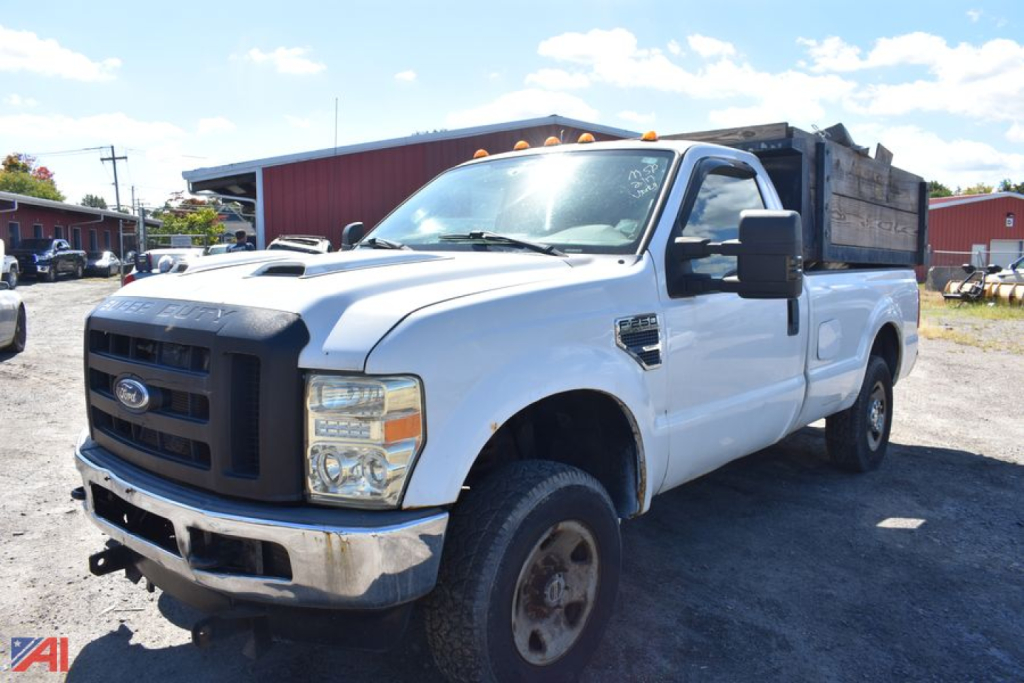
Looking for the easiest place to sell your used ford pickup 4wd truck? List it here to reach thousands of buyers.
Used Ford Pickup 4wd Trucks in Massachusetts
The key buying decision is usually capacity. An F-250 4x4 is often enough for general service bodies, material hauling, and moderate trailer weights, while an F-350 4x4 is the better choice when higher payload, stronger rear spring capacity, or more frequent heavy towing is part of the job. Buyers should compare GVWR, axle ratings, wheelbase, cab configuration, and bed length, since those specs directly affect trailer stability, turning radius, and how easily the truck can be upfitted. Crew cab trucks add passenger room, regular cabs keep wheelbase shorter, and long-bed configurations are often preferred for tool storage, slide-in equipment, and better load distribution.
On used Ford Super Duty 4x4 trucks, condition matters as much as model year. In Massachusetts, frame corrosion, cab corners, rocker panels, bed supports, brake lines, and underbody rust deserve close inspection because winter road treatment can shorten service life. A buyer should also check transfer case operation, front axle engagement, locking hubs if equipped, steering play, ball joints, leaf spring condition, and signs of hard plow use such as front suspension wear or frame-mounted plow hardware. On diesel units, service records for injectors, emissions components, cooling system work, and fuel system maintenance can be especially important. On gas trucks, look at ignition system history, exhaust manifold condition, and transmission performance under load.
Ford 4WD pickups also hold value because the aftermarket and service network are deep. That makes them easier to maintain and easier to match with common fleet needs such as snowplows, salt spreaders, ladder racks, transfer tanks, toolboxes, and gooseneck or bumper-pull trailer setups. For buyers comparing listings, the most useful details are drivetrain, engine, cab style, bed length, axle ratio, tow package, and any signs of commercial use. A used Ford 4x4 pickup that has the right chassis rating and a clean maintenance history can still deliver strong service life in construction, municipal, agricultural, and winter operations.
Frequently Asked Questions about Used Ford Pickup 4wd Trucks in Massachusetts
What is the difference between a used Ford F-250 4x4 and F-350 4x4?
The main difference is capacity. A Ford F-350 4x4 typically offers a higher GVWR, greater payload potential, and stronger rear suspension support than an F-250 4x4. For buyers hauling heavier materials, carrying slide-in equipment, or towing larger trailers on a regular basis, the F-350 usually provides more margin. An F-250 is often sufficient for general fleet work, light to moderate towing, and service applications where a heavy-duty pickup is needed without stepping up to the higher ratings of an F-350.
Are used Ford 4WD pickups a good choice for snow plowing in Massachusetts?
Yes, many Ford Super Duty 4x4 pickups are commonly used for plow duty because they have strong front-end components, available snow plow prep packages on some units, and enough chassis strength for winter commercial work. The important step on a used truck is checking for signs of repeated plow use, including front suspension wear, steering component play, frame-mounted plow brackets, charging system condition, and rust around the undercarriage. In Massachusetts, corrosion inspection is especially important because winter exposure can affect frame life, brake lines, and electrical reliability.
What should I inspect first on a used Ford 4x4 pickup truck?
Start with the frame, underbody, and 4x4 system. Check for rust, scaling, patched sections, cab and bed corrosion, transfer case engagement, front axle operation, suspension wear, and tire condition. After that, review engine performance, transmission shifting, brake feel, and any fault codes. On Super Duty models, buyers should also verify GVWR labels, axle ratings, and any evidence of towing or plow use, since those factors can tell you a lot about how the truck was worked.
Which engine is better in a used Ford Super Duty 4x4, gas or diesel?
That depends on the workload. A gas engine is often simpler and can be a good fit for municipal use, shorter-route work, lighter towing, and fleets that want lower repair complexity. A diesel engine usually makes more sense for frequent heavy towing, higher annual mileage, and applications where low-end torque matters. On a used truck, service history is the deciding factor. A well-maintained gas engine can be a better buy than a neglected diesel, while a properly serviced diesel can deliver strong pulling performance and long-term durability.
What specs matter most when comparing used Ford 4x4 pickups for sale?
The most important specs are GVWR, axle ratings, engine, transmission, cab style, bed length, wheelbase, and axle ratio. Those details affect towing ability, payload, maneuverability, and how the truck fits your operation. Buyers should also look for factory tow packages, trailer brake controllers, limited-slip or locking rear axles, and any existing upfit equipment. Two trucks with the same model badge can perform very differently depending on how they were ordered and how they were used.