
Used 2004 Peterbilt Trucks For Sale
Browse used 2004 Peterbilt trucks including highway, vocational, and day cab models known for durable construction and strong resale demand.
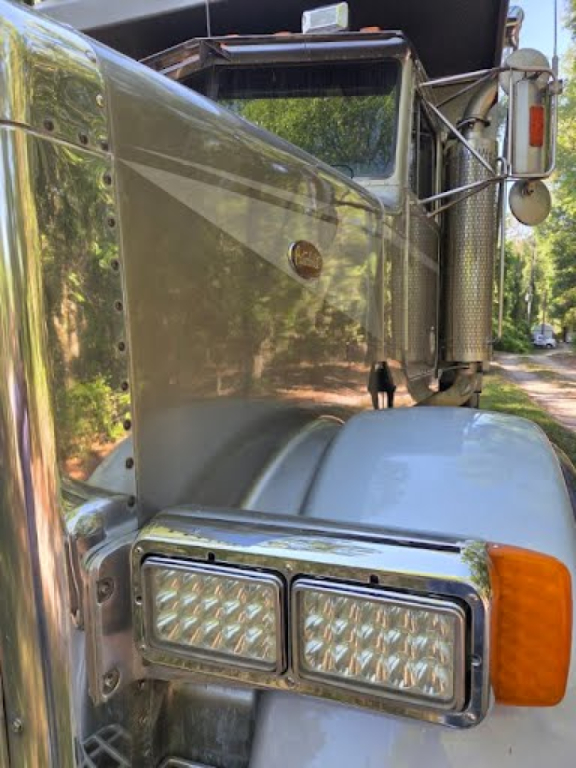
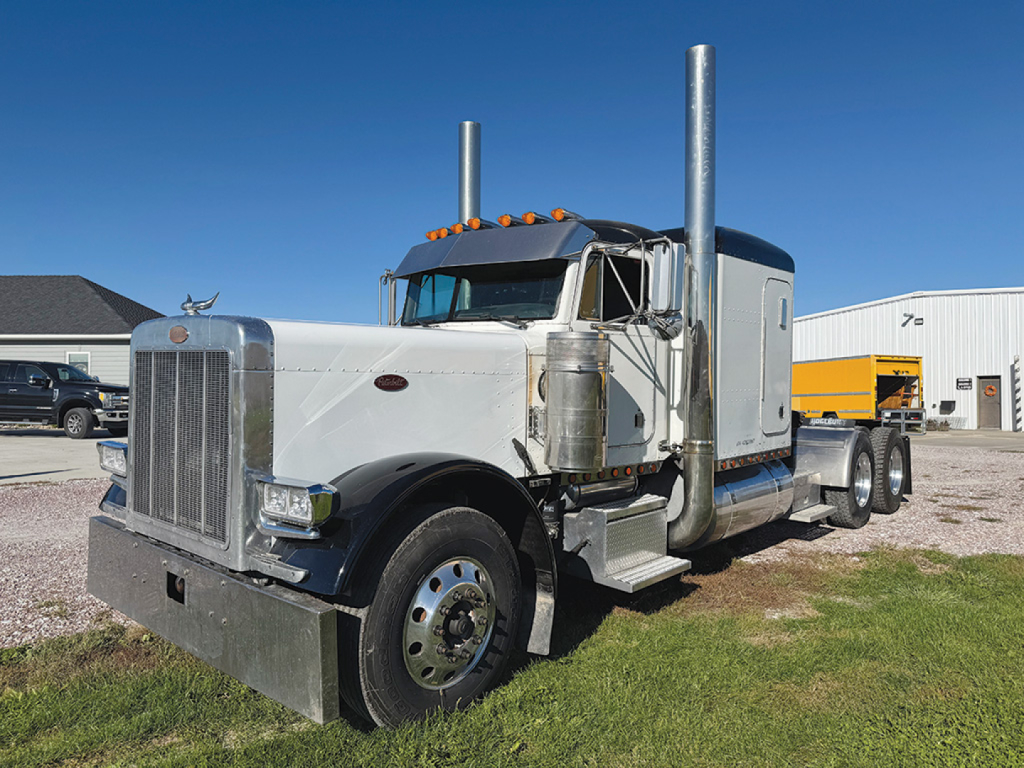

Selling a used 2004 peterbilt truck? List your used 2004 peterbilt truck for sale and reach thousands of commercial buyers.
Used 2004 Peterbilt Trucks
Engine and transmission choice matters more than the badge alone. Many used 2004 Peterbilt trucks were spec'd with Caterpillar C15 or C13, Cummins ISX, N14, ISM, or Detroit Diesel Series 60 engines, paired with Eaton-Fuller 10-speed, 13-speed, 18-speed, or Allison automatic transmissions in vocational applications. Rear axle ratings, ratio, and suspension setup should match the work. A highway sleeper with 3.36 or 3.55 gearing serves a different purpose than a heavy haul or dump spec with deeper ratios and double frame reinforcement. Buyers should also look closely at wheelbase, front axle capacity, wet kit or PTO provisions, and whether the truck has air ride, low air leaf, or spring suspension. On older Peterbilts, service records for overheads, inframe work, clutch history, and suspension wear points are often more important than odometer reading alone.
Cab configuration is another major dividing line. A 2004 Peterbilt day cab can make sense for local and regional freight, port work, or vocational use where maneuverability and lower curb weight matter. Sleeper versions, especially Peterbilt Unibilt sleepers, are still popular with owner-operators who want a traditional truck with a roomy cab and strong parts support. Interior condition, gauge function, HVAC performance, and electrical integrity deserve a careful inspection because age-related issues on switches, wiring, and dash components are common on trucks in this range. Exterior condition also tells a story. Check hood alignment, cab mounts, frame rust, crossmember repairs, and signs of front-end damage, especially on trucks that have spent years in severe weather or off-pavement applications.
A well-bought used 2004 Peterbilt truck can still be a productive asset if the spec matches the job and the truck has been maintained with consistency. Buyers comparing multiple listings should focus on engine family, transmission type, axle ratio, suspension, wheelbase, and intended application before cosmetics. Peterbilt trucks from this era are known for driver appeal, durable aluminum cab construction on many models, and strong resale recognition, but the best value comes from a truck with a clean mechanical story, not just polished tanks and a bright visor.
Frequently Asked Questions about Used 2004 Peterbilt Trucks
What are the most common 2004 Peterbilt truck models buyers look for?
The most common used 2004 Peterbilt trucks include the 379, 385, and 387 for highway use, along with vocational models such as the 330, 335, 357, and 378. The right model depends on the intended job. A 379 is often favored for owner-operator and long-haul applications, while medium-duty and vocational Peterbilts from 2004 are more common in dump, rollback, utility, and municipal work.
Are 2004 Peterbilt trucks considered pre-emissions?
Many 2004 Peterbilt trucks are attractive specifically because they predate later emissions systems such as DPF and DEF equipment. That can mean a simpler engine package and different maintenance requirements than newer trucks. Buyers still need to verify the exact engine family and emissions configuration, because specifications can vary by engine make, build date, and original market.
What should I inspect first on a used 2004 Peterbilt truck?
Start with the powertrain spec and maintenance history. Confirm engine model, transmission, axle ratings, ratio, and suspension, then look for records covering major work such as an overhaul, clutch replacement, injectors, turbocharger, and differential service. After that, inspect frame condition, cab mounts, steering components, driveline play, brake wear, tire condition, and any evidence of corrosion, accident repair, or hard vocational use. On a truck this age, a thorough mechanical inspection is essential.
Do used 2004 Peterbilt trucks still make sense for owner-operators?
Yes, they can, especially for buyers who value classic Peterbilt styling, simpler mechanical systems, and the ability to run a truck with a proven driveline. The key is matching the truck to the freight and understanding the maintenance budget. A well-kept 2004 Peterbilt can still perform well in regional, dedicated, or specialized applications, but age-related repairs should be expected and priced into the purchase decision.
Which specifications matter most when comparing used 2004 Peterbilt trucks?
The most important specs are engine make and horsepower, transmission type, rear axle ratio, suspension type, wheelbase, front and rear axle ratings, and cab configuration. Those details determine how the truck will perform in linehaul, heavy haul, vocational, or local work. Cosmetic features like chrome, interior trim, and accessories may affect appeal, but they should come after the core mechanical and chassis specifications in any serious comparison.