
Peterbilt Trucks For Sale in Texas
Shop Peterbilt trucks for sale in Texas, including 579 and 567 models with daycab and sleeper specs for regional, heavy-haul, and long-haul use.
Learn more

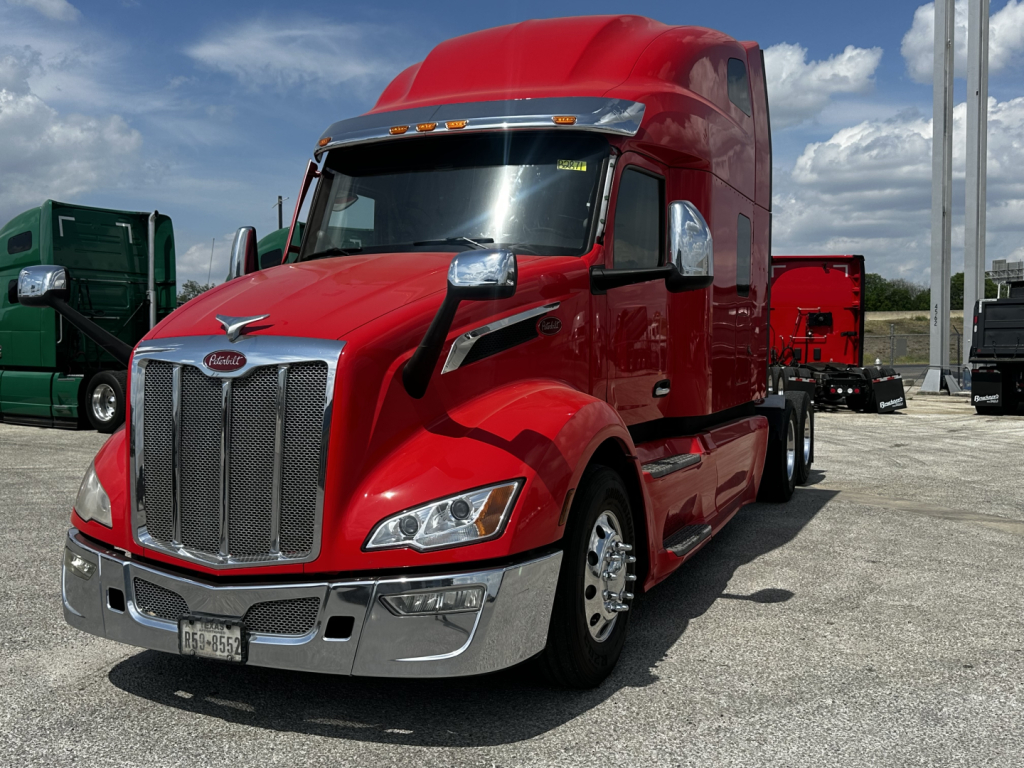
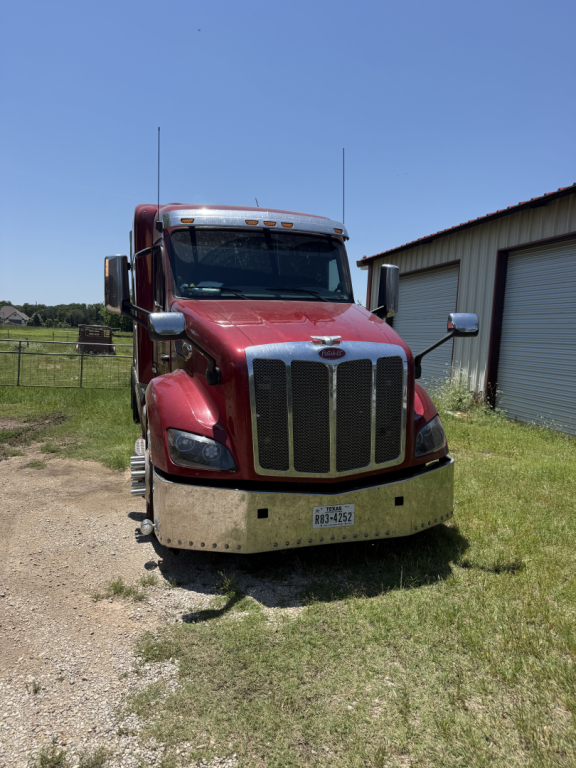
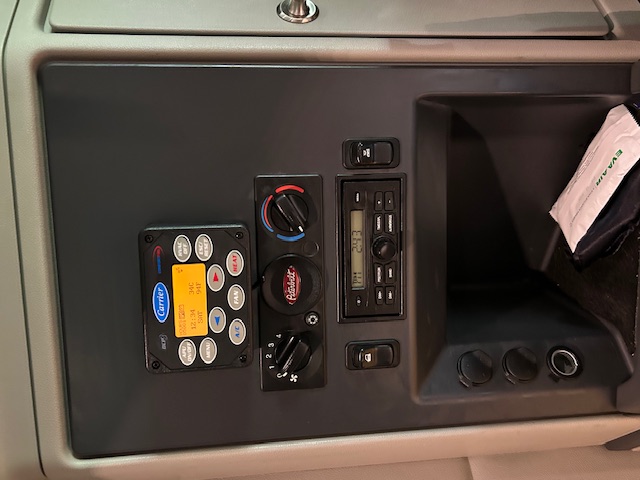
Showing 1 to 12 of 18 results
Have peterbilt truck to sell? List it here to reach thousands of buyers.
About Peterbilt Trucks in Texas
For heavier vocational or mixed-use applications, the Peterbilt 567 is a common step up because it blends highway comfort with a more rugged chassis and front-end package. In Texas, that matters for fleets moving between interstate lanes, lease roads, aggregate work, construction support, and specialized hauling. Typical specs to compare include horsepower in the 400 to 510 range, 40,000 lb tandem rears, suspension type, brake spec, and axle ratio. A tall rear ratio like 2.79 generally favors fuel economy and highway speed, while something like 3.36 gives better startability and flexibility under load. Wheelbase also matters more than many buyers expect because it affects turning radius, bridge law fit, ride quality, and where the truck will work best.
Sleeper configuration is another major decision point on Peterbilt trucks for sale. The brand is well known for Unibilt and UltraLoft sleeper options, with 72-inch and 80-inch layouts commonly seen on long-haul tractors. Features such as bunk heaters, inverters, shore power, refrigerators, and APU or EPU-related idle reduction equipment can make a real difference in driver retention and operating cost. Day cabs remain popular for Texas regional freight, port drayage, dedicated lanes, and private fleet work because they reduce weight and simplify maintenance while still offering premium interiors, digital dash options, air-ride suspension, and air-slide fifth wheels.
When evaluating a used Peterbilt, pay close attention to emissions history, transmission calibration, brake type, and sleeper support systems in addition to the usual engine hours and mileage. Disc brakes, low-profile 22.5 tires, aluminum wheels, dual fuel tanks, cab extenders, and aerodynamic fairings are common on late-model highway specs and can affect both maintenance expense and fuel burn. Peterbilt also has a loyal following because cab ergonomics, visibility, and resale remain strong across popular models. For buyers sorting through multiple listings, the best approach is to match the truck's original spec to the job first, then judge condition, service records, and component life remaining.
Frequently Asked Questions
What are the most common Peterbilt truck models buyers look for in Texas?
The Peterbilt 579 and 567 are two of the most common models in the Texas market. The 579 is an aerodynamic highway tractor built for regional and over-the-road freight, while the 567 is often chosen for heavier vocational, construction, oilfield, and mixed on-road use. The right choice depends on how much of the truck's life will be spent at highway speeds versus in rougher jobsite or heavy-haul conditions.
Is a Peterbilt 579 better as a day cab or sleeper?
A Peterbilt 579 day cab is usually the better fit for regional haul, dedicated routes, local freight, and operations where weight savings and maneuverability matter. A sleeper version is better for long-haul work, team operations, and fleets that need driver amenities for nights on the road. Buyers should compare wheelbase, fuel capacity, sleeper size, and idle reduction equipment because those details affect operating cost and usability as much as the cab style itself.
Which engine is more common in used Peterbilt trucks, Cummins X15 or PACCAR MX-13?
Both the Cummins X15 and PACCAR MX-13 are common in late-model Peterbilt trucks. The X15 is widely favored for broad service support, strong torque, and familiarity across many fleets and owner-operators. The MX-13 is also common in 579 models and is often selected for fuel-efficient linehaul service. The better choice depends on maintenance history, local dealer support, emissions performance, and how the truck is geared and spec'd for the intended load.
What rear axle ratio should I look for on a Peterbilt highway tractor?
Rear axle ratio should match the truck's freight, terrain, and cruise speed. Ratios such as 2.79 or 2.93 are common on fuel-efficient highway tractors that spend most of their time at interstate speed with moderate weights. A deeper ratio such as 3.36 can be a better fit for heavier freight, more stop-and-go work, or applications that need stronger launch performance. Ratio should always be evaluated together with tire size, transmission, and engine torque curve.
What should I inspect first on a used Peterbilt truck?
Start with the engine and emissions system, then move to transmission operation, axle spec, suspension condition, and brake type. After that, inspect frame condition, fifth wheel wear, tire wear pattern, sleeper systems, and cab electronics. On aerodynamic Peterbilt models, fairings, extenders, and bumper condition also matter because damaged aero components can add repair cost and reduce fuel efficiency. Service records and fault-code history are often as important as mileage alone.