
Peterbilt Trucks For Sale in Kansas
Browse Peterbilt trucks for sale in Kansas, including highway and vocational models known for durability, driver comfort, and strong resale value.
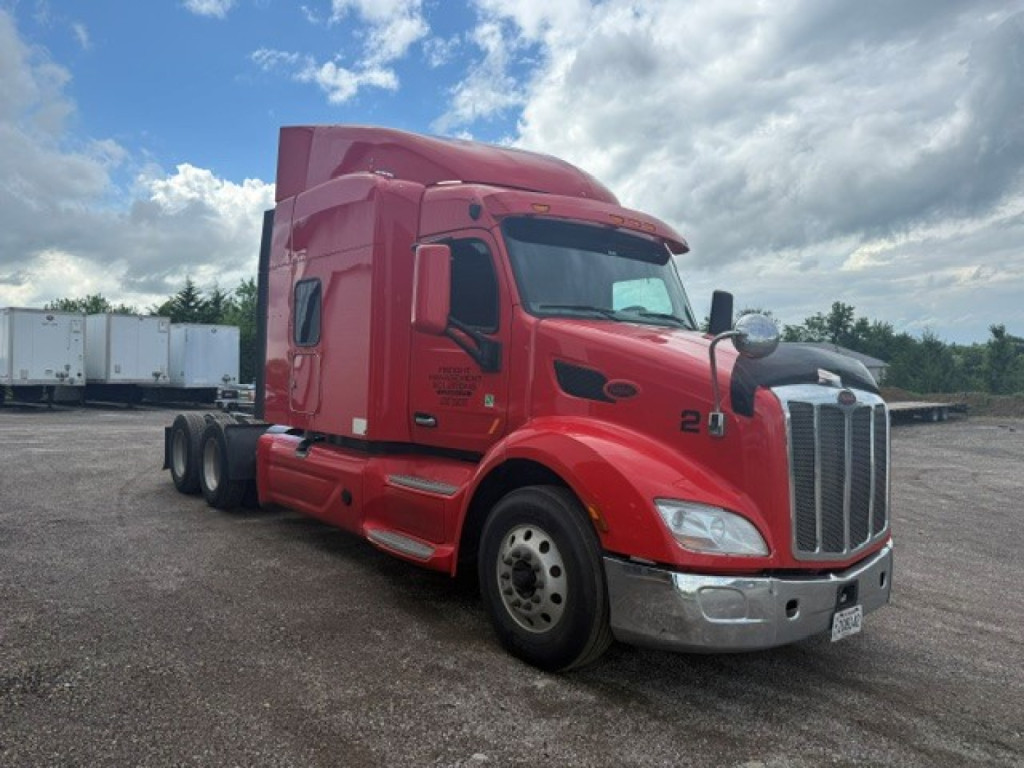
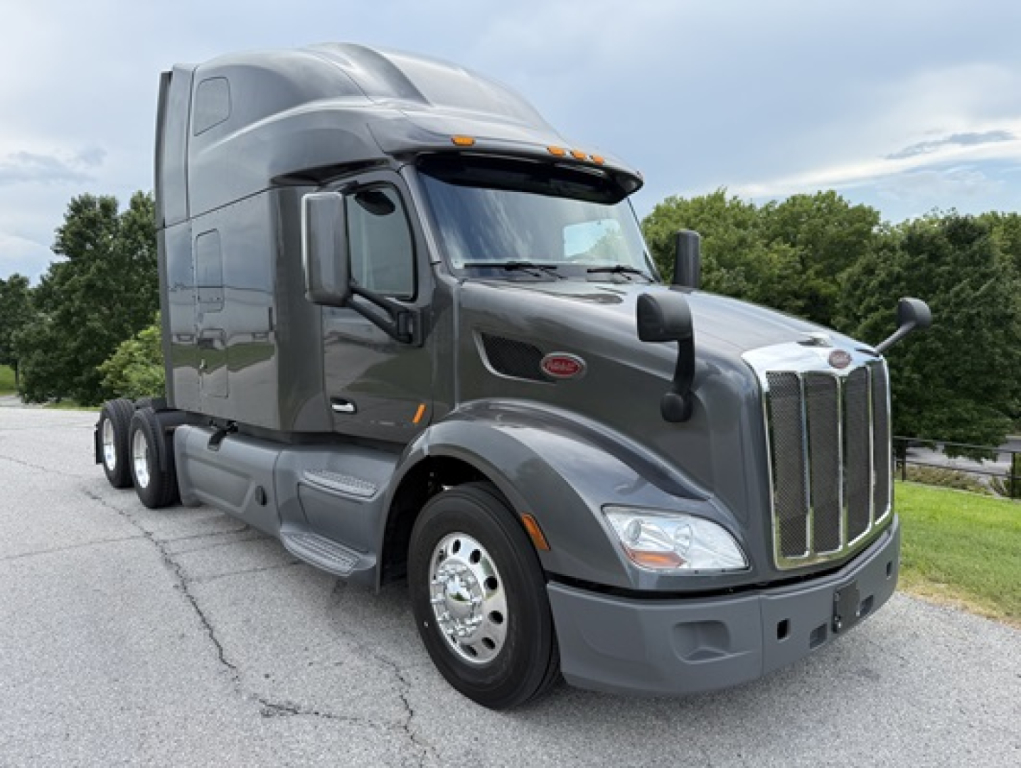
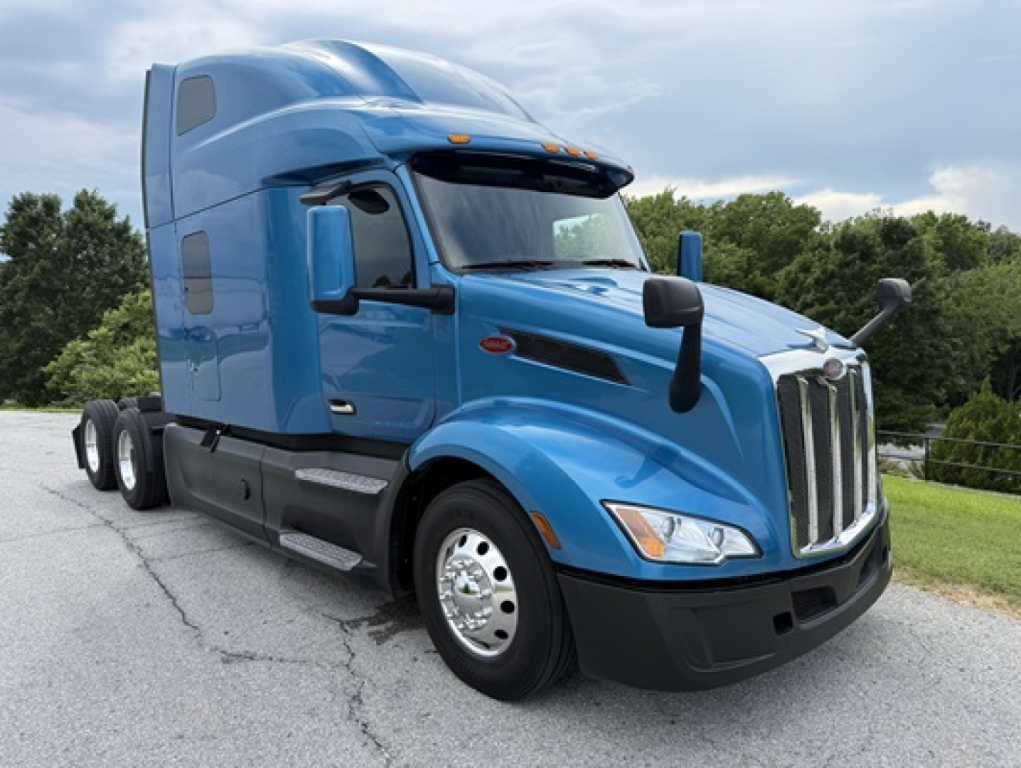
Have peterbilt truck to sell? List it here to reach thousands of buyers.
Peterbilt Trucks in Kansas
In Kansas, truck spec matters because routes can range from flat interstate miles to wind-heavy corridors and regional haul work tied to agriculture, energy, construction, and distribution. A sleeper tractor set up for OTR freight may prioritize an aerodynamic roof fairing, automated manual transmission, and higher fuel economy, while a vocational Peterbilt may be spec'd with heavier suspensions, locking differentials, PTO provisions, and set-forward front axles for body installation. Common powertrains include PACCAR MX engines and Cummins diesels paired with Eaton manual or automated transmissions. Buyers should also look at axle ratings, suspension type, brake configuration, and emissions system history, especially on used units with regional or long-haul mileage.
Cab layout and driver environment are a major part of Peterbilt appeal. The brand is known for a refined interior, solid switchgear, good visibility, and a ride quality that keeps drivers productive over long days. On sleeper models, practical differences such as bunk size, cabinet layout, and insulation can matter as much as horsepower. On day cabs and vocational chassis, body-builder compatibility, frame specs, and front axle capacity usually matter more. If the truck will run across Kansas and neighboring states, it is worth checking tire condition, fairing integrity, alignment wear, and service records for cooling system, aftertreatment, and clutch or transmission maintenance.
A good Peterbilt purchase usually comes down to matching spec to freight or jobsite demands. For van and reefer freight, fuel economy and aerodynamics often lead the decision. For heavy haul, dump, mixer, or equipment transport, buyers tend to prioritize frame strength, suspension capacity, and drivetrain gearing. Peterbilt remains a strong choice for fleets and owner-operators who want recognizable brand equity, broad parts support, and a truck that can be configured for highway, regional, or vocational work without giving up operator comfort.
Frequently Asked Questions about Peterbilt Trucks in Kansas
What are the most common Peterbilt truck models buyers look for?
The most common Peterbilt models depend on the application. The Peterbilt 579 is a leading highway tractor for fleets and owner-operators focused on fuel economy and long-haul comfort. The 389 is popular with buyers who want a classic long-hood truck with strong visual appeal and custom spec potential. The 567 is a common vocational platform used for dump, construction, and heavy-duty body applications. Buyers should choose the model based on intended use, not just brand preference or appearance.
Is a Peterbilt 579 a good choice for over-the-road freight?
Yes, the Peterbilt 579 is widely considered a strong OTR truck because it combines aerodynamic design, comfortable sleeper options, and efficient powertrain choices. It is commonly used in dry van and reefer service where fuel mileage, driver comfort, and uptime matter. Buyers should still verify the exact sleeper configuration, engine rating, transmission, and maintenance history because those details have a major impact on how well the truck fits a specific operation.
What should I inspect on a used Peterbilt truck before buying?
Key inspection points include engine service history, aftertreatment performance, transmission condition, suspension wear, brake life, tire wear patterns, and any signs of frame damage or corrosion. On sleeper tractors, inspect fairings, bunk components, HVAC performance, and electrical systems. Review fault codes, ECM data when available, and maintenance records for DEF, DPF, EGR, cooling system, and clutch or automated transmission service. A pre-purchase inspection is especially important on trucks that have spent years in regional or OTR duty.
Are Peterbilt trucks expensive to maintain?
Maintenance cost depends more on spec, age, mileage, and prior care than on the badge alone. Peterbilt trucks generally benefit from strong parts availability and wide service familiarity, which helps support uptime. Newer emissions-equipped trucks can become expensive if aftertreatment maintenance has been deferred, while vocational units may see higher wear in suspension, steering, and driveline components. Buyers should evaluate total operating cost, not just purchase price.
Why do Peterbilt trucks keep strong resale value?
Peterbilt trucks tend to keep strong resale value because the brand has long-standing demand among fleets and independent operators. Buyers associate Peterbilt with durability, driver comfort, premium fit and finish, and wide application flexibility across highway and vocational work. Resale is also supported by parts access, name recognition, and consistent buyer demand for well-maintained models such as the 579, 389, and 567.