
Peterbilt Conventional Sleeper Trucks For Sale in Kansas
Shop Peterbilt conventional sleeper trucks for sale in Kansas. Compare 579 specs, sleeper sizes, powertrains, wheelbases, and long-haul features.
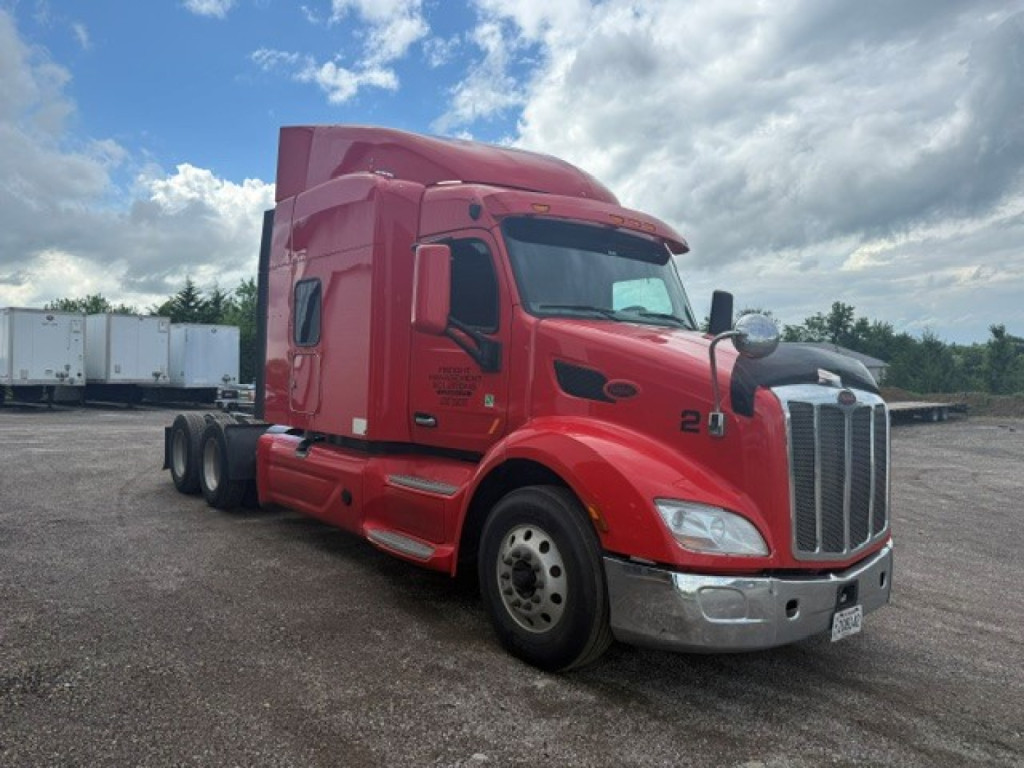
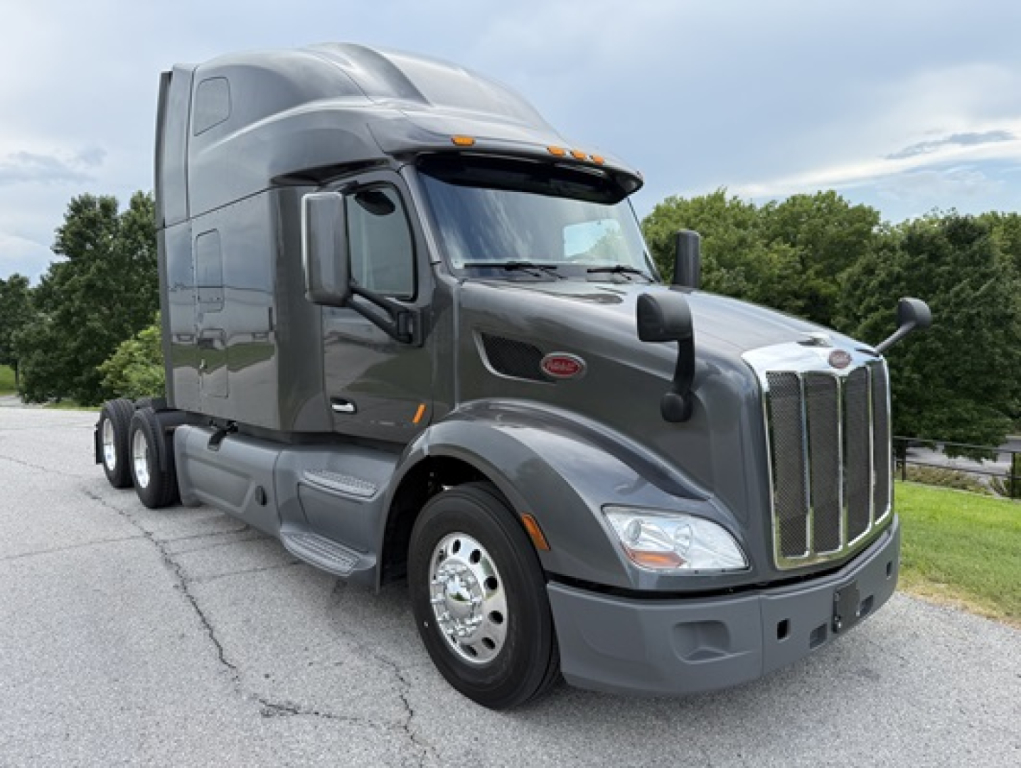
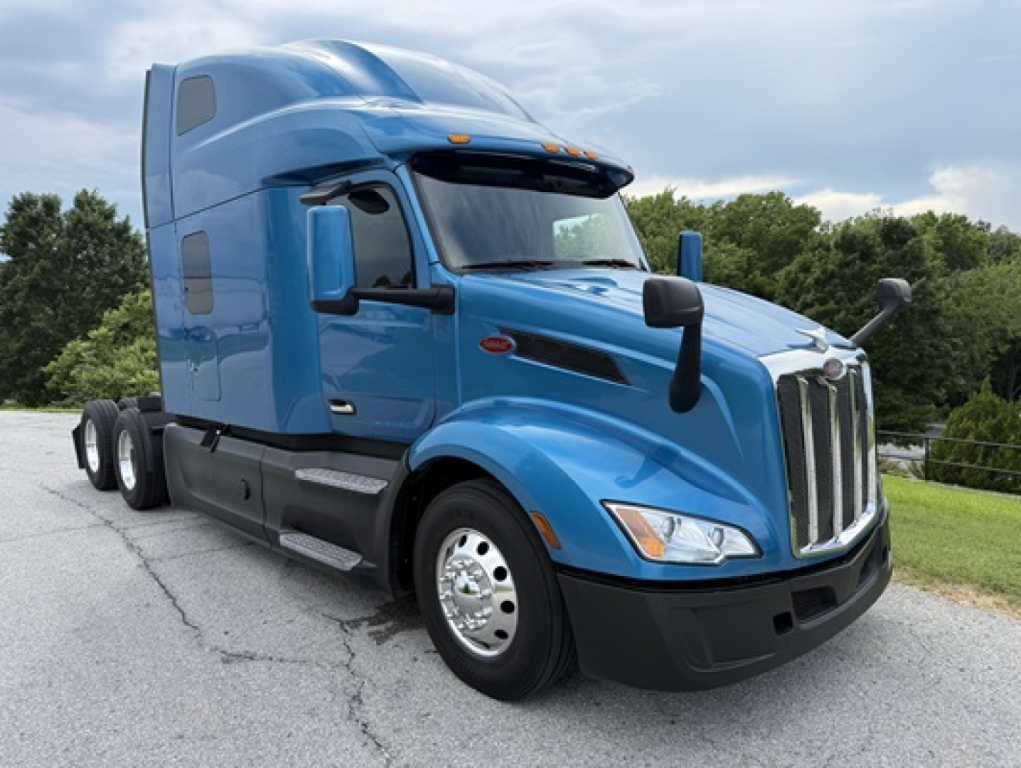
Have peterbilt conventional sleeper truck to sell? List it here to reach thousands of buyers.
Peterbilt Conventional Sleeper Trucks in Kansas
The biggest buying decisions usually come down to engine, transmission, sleeper size, and axle ratio. Many Peterbilt sleepers are spec'd with PACCAR MX engines, while some used units may carry Cummins power depending on year and original order. Automated manual transmissions are common in this class, though some buyers still prefer a manual for certain applications. Sleeper configurations often range from mid-roof to high-roof layouts with space for bunk storage, workstation setups, and added cabinets. Wheelbase, fifth wheel placement, and fuel capacity all matter if the truck will stay on longer runs or pull close to maximum legal weight on a regular basis.
Cab condition and maintenance history tell a lot on a used Peterbilt sleeper. Look closely at emissions service records, cooling system work, DPF and SCR history, and signs of excessive idle time. On highway tractors, front-end wear, suspension condition, and tire pattern can reveal alignment issues or uneven loading. Inside the sleeper, pay attention to HVAC performance, bunk integrity, seal condition, and electrical accessories, since comfort systems directly affect driver retention and downtime. If the truck has been used on dry van lanes, reefer work, or mixed freight, that operating history can help explain mileage, idle hours, and wear patterns.
A well-spec'd Peterbilt conventional sleeper can be a strong fit for carriers that want a highway tractor with premium cab design, good parts support, and broad resale appeal. Buyers comparing listings should focus on how the spec matches the route. A lighter aerodynamic setup may make sense for long, flat interstate miles across Kansas and the Plains, while a higher horsepower rating, taller sleeper, and larger tanks may be better for multi-state OTR service. The best value usually comes from matching the truck's wheelbase, powertrain, and sleeper package to the freight it will actually haul, not just the badge on the hood.
Frequently Asked Questions about Peterbilt Conventional Sleeper Trucks in Kansas
What is the most common Peterbilt conventional sleeper model on the used market?
The Peterbilt 579 is one of the most common conventional sleeper models on the used market. It is widely used in over-the-road and regional haul service because it combines aerodynamic body design, modern driver amenities, and a broad range of sleeper and powertrain specifications. That makes it easier for buyers to find a truck matched to dry van, reefer, or general freight applications.
What sleeper size should I look for in a Peterbilt highway tractor?
The right sleeper size depends on how the truck will be dispatched. Regional operations with occasional overnights can work well with a smaller mid-roof sleeper, while long-haul OTR service usually benefits from a larger high-roof sleeper with more storage, standing room, and space for onboard amenities. Sleeper size also affects wheelbase, weight, and maneuverability, so it should be matched to both driver needs and freight lanes.
Are Peterbilt conventional sleeper trucks good for Kansas and Plains routes?
Peterbilt conventional sleepers are a strong fit for Kansas and Plains freight because they are commonly spec'd for steady highway miles, fuel efficiency, and driver comfort on longer runs. For this region, buyers should pay close attention to aerodynamic package, horsepower, axle ratio, and fuel capacity. Those specs matter when the truck sees crosswinds, long stretches between stops, and westbound runs toward higher elevation.
What should I inspect first on a used Peterbilt sleeper truck?
Start with maintenance records and the major cost systems. Engine history, emissions components, transmission performance, aftertreatment service, and cooling system repairs are critical on a used highway tractor. Then check suspension wear, steer tire patterns, frame condition, sleeper HVAC, and electrical accessories. A clean interior matters, but the highest-value inspection points are the systems that affect uptime and compliance.