
2020 Peterbilt Trucks For Sale in Iowa
Compare 2020 Peterbilt trucks for sale in Iowa by axle ratings, emissions history, and winter corrosion before choosing highway or vocational specs.
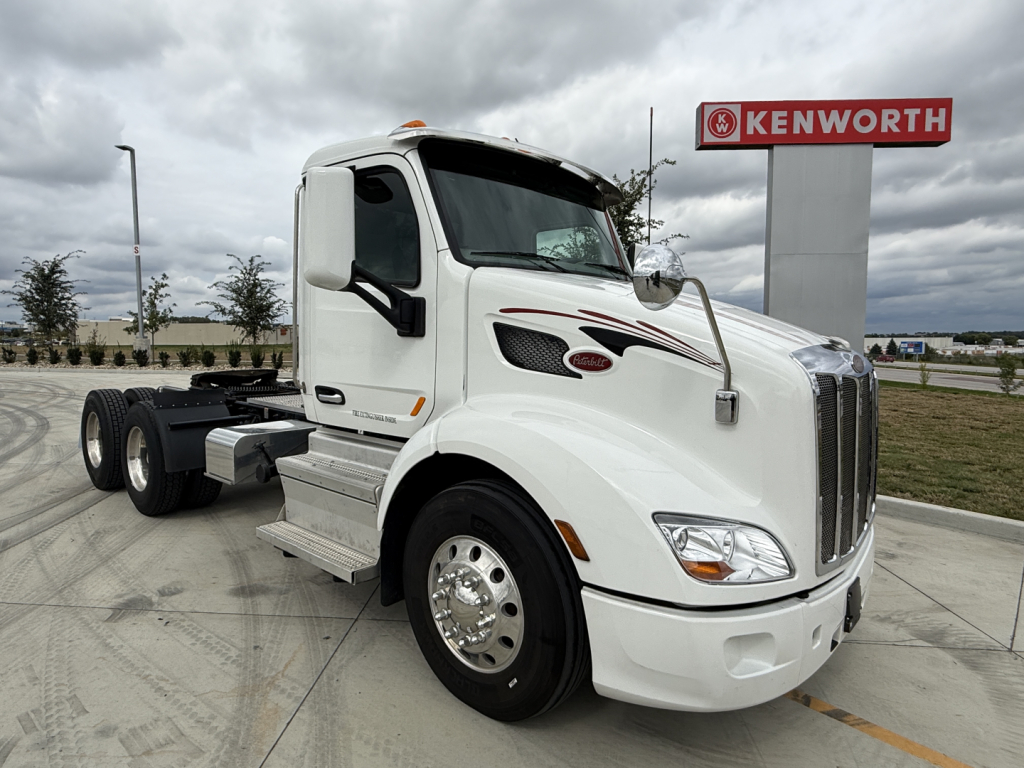
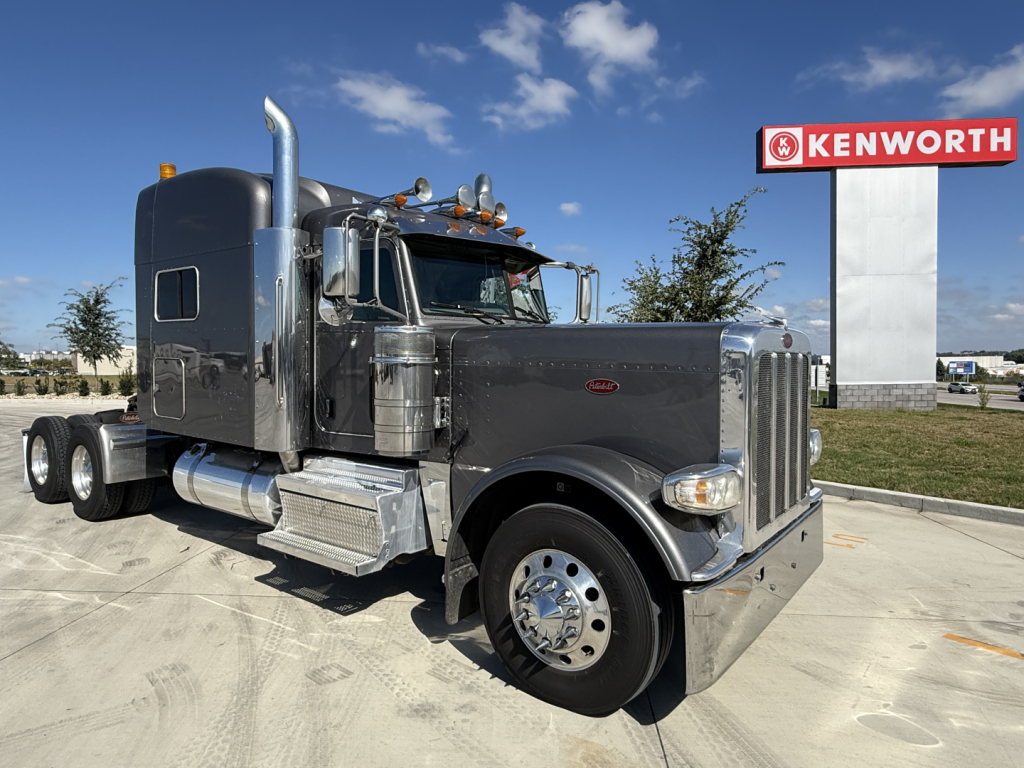
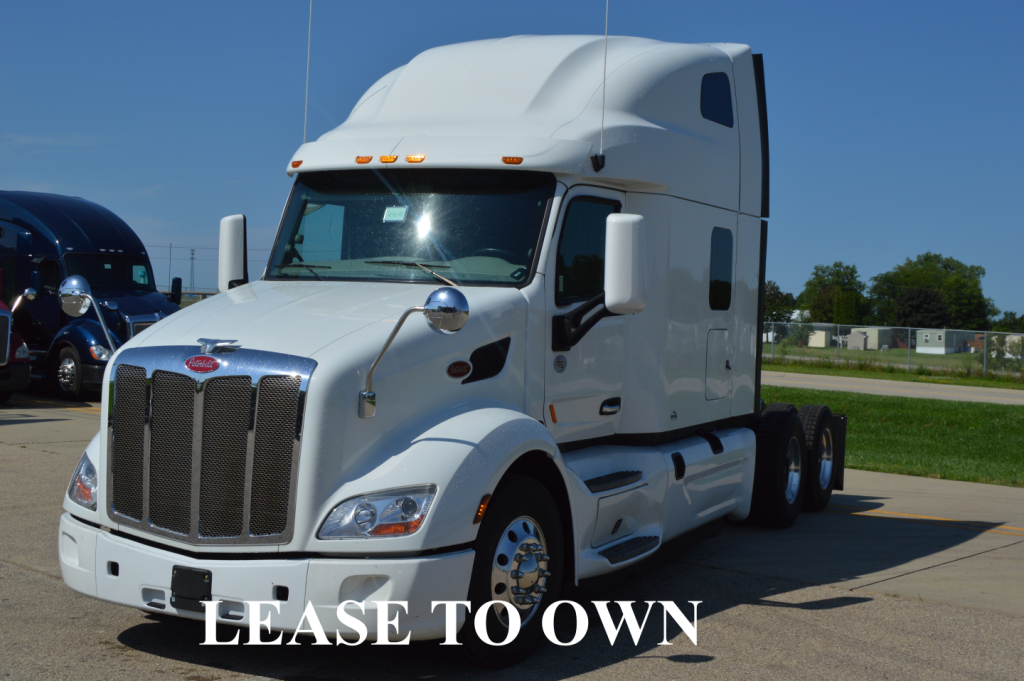
Selling a 2020 peterbilt truck? List your 2020 peterbilt truck for sale and reach thousands of commercial buyers.
2020 Peterbilt Trucks in Iowa
GHG17-era diesel power brings DPF and SCR/DEF maintenance into the inspection of a used 2020 Peterbilt. Request ECM mileage, total hours, idle hours, fault history, and service records; confirm the engine's emissions certification from its label rather than assuming the truck model year identifies every component. Inspect automated-transmission clutch operation, fifth-wheel wear on tractors, and PTO operation on vocational trucks. Iowa road salt makes frame rails, crossmembers, air tanks, brake plumbing, and wiring connections priority inspection points. Cold-start testing should include batteries, coolant freeze protection, and DEF heater function.
Iowa Interstate combinations normally face an 80,000-pound gross limit, subject to axle limits and bridge-formula spacing; axle capacity alone does not establish legal payload. For an unused 2020 truck, confirm storage maintenance, original build specifications, and warranty start dates in writing rather than assuming full coverage remains. A qualifying first retail sale can carry 12% federal excise tax even when the model year is older.
Frequently Asked Questions about 2020 Peterbilt Trucks in Iowa
Is a low rear axle ratio a good choice for a 2020 Peterbilt 579 in Iowa?
Highway ratios around 2.8 to 3.0 can suit a 2020 Peterbilt 579 on steady interstate runs when paired with the correct transmission and tire size. Compare calculated cruising RPM and starting gradeability, not the axle ratio alone. Frequent loaded starts on gravel, steep farm entrances, or slower secondary roads may justify numerically higher gearing. Transmission top gear and overall first-gear reduction can change the suitability of otherwise similar tractors.
Which 2020 Peterbilt models should I consider for a straight-truck body?
The 2020 Peterbilt 337 and 348 are starting points for medium-duty and heavier straight-truck applications, while the 567 suits demanding vocational work. Select the chassis using the completed vehicle's weight and axle distribution, including the body, equipment, fuel, and payload. Confirm usable frame length, cab-to-axle dimension, exhaust clearance, and PTO provisions with the body installer. A chassis with sufficient total GVWR can still overload its front or rear axle.
What CDL do I need to drive a 2020 Peterbilt in Iowa?
A Class A CDL is normally required in Iowa for a Peterbilt combination rated at 26,001 pounds or more when the towed unit is rated over 10,000 pounds. A single truck rated at 26,001 pounds or more normally requires Class B. Farm exemptions have specific operator, cargo, distance, and operating-area requirements; commercial agricultural hauling does not automatically qualify. Air-brake and manual-transmission restrictions must also match the vehicle.
What should I test in a used 2020 Peterbilt sleeper besides the engine?
Test the sleeper electrical loads and every equipped driver-assistance system before buying a used 2020 Peterbilt sleeper tractor. Scan collision-warning equipment for faults and ask whether windshield or front-end repairs required sensor calibration. Run bunk HVAC, auxiliary heaters, inverters, refrigerators, and parked-climate equipment where fitted. Inspect battery connections and accessory wiring under load, because weak batteries or improvised wiring can compromise overnight operation even when the tractor drives normally.
Does a 2020 Peterbilt tractor need a wet kit to pull agricultural trailers?
A 2020 Peterbilt tractor needs a hydraulic wet kit only when the trailer requires tractor-supplied hydraulic power. End dumps and walking-floor trailers commonly need hydraulics, while many hopper-bottom grain trailers do not. Match pump flow, operating pressure, reservoir capacity, and control arrangement to the trailer manufacturer's requirements. Confirm PTO compatibility with the installed transmission and verify hose routing, return filtration, and hydraulic cooling for the intended unloading cycle.