
2005 Peterbilt Trucks For Sale
Shop 2005 Peterbilt trucks for sale, including vocational and highway models known for durable chassis, premium cabs, and strong resale value.
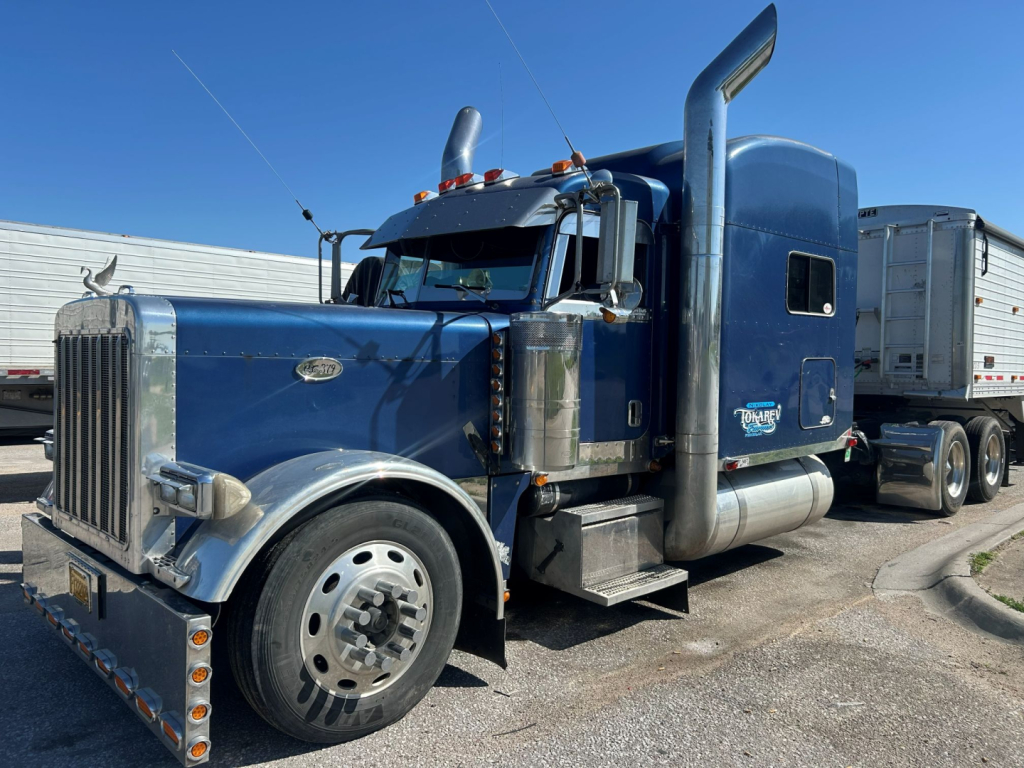
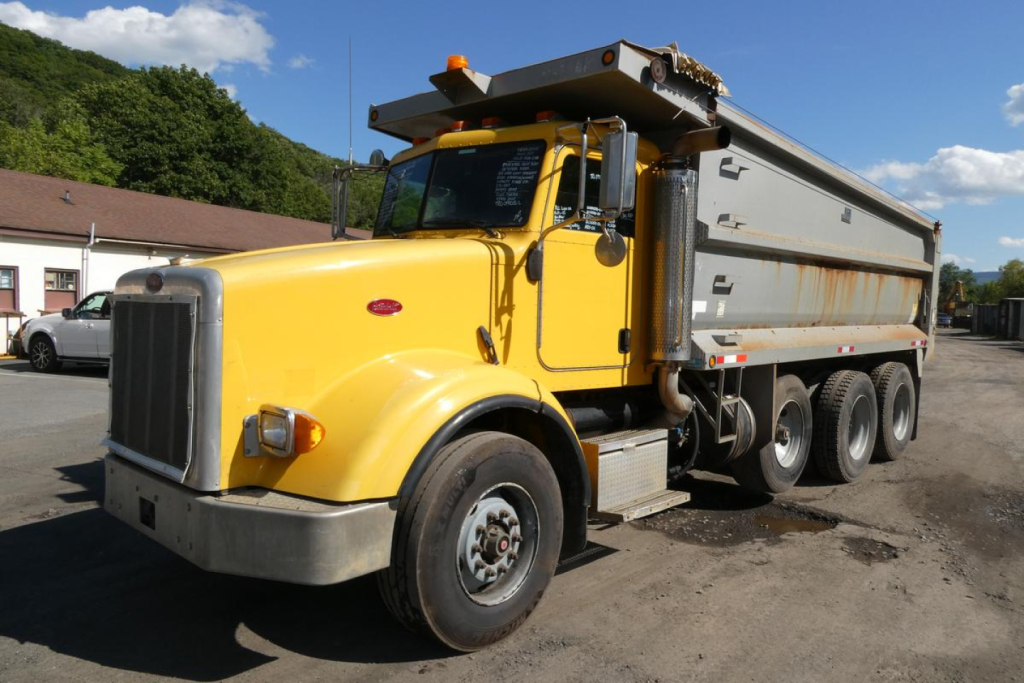
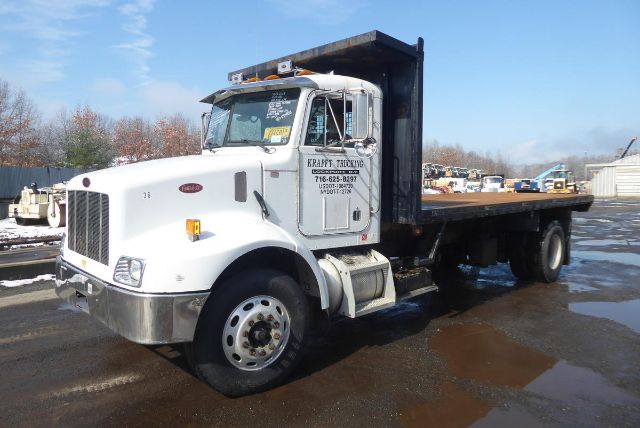
Selling a 2005 peterbilt truck? List your 2005 peterbilt truck for sale and reach thousands of commercial buyers.
2005 Peterbilt Trucks
For highway buyers, the main decisions usually come down to engine family, transmission, and rear axle ratio. Many 2005 Peterbilt trucks were spec'd with Caterpillar C13 or C15, Cummins ISX, or Detroit Series 60 power, often paired with 10-speed, 13-speed, or 18-speed Eaton Fuller manual transmissions. On sleeper and conventional road tractors, 3.36, 3.55, and similar ratios were common depending on the intended balance of fuel economy and pulling power. Buyers looking at a 379 or 387 should pay close attention to wheelbase, fifth wheel setup, suspension type, engine brake operation, and signs of prior overhaul work, since those details matter more than model badge alone on a truck of this age.
On vocational and work-truck applications, 2005 Peterbilt models are often valued for stout frame rails, straightforward upfitting, and strong parts support. Dump trucks, plow trucks, winch trucks, and tandem axle chassis from this period may have double frame construction, heavier front axles, locking differentials, PTO provisions, and severe-service suspensions. If the truck carries a body or specialty equipment, inspect hoist condition, hydraulic lines, PTO engagement, frame modifications, and any evidence of corrosion around hangers, spring mounts, and crossmembers. A clean cab and hood do matter, but frame condition, steering components, brake wear, and suspension history usually tell the real story.
Peterbilt has long held strong resale value because buyers recognize the brand's cab quality, serviceability, and broad application range. For a 2005 model, service records, ECM history, mileage consistency, and evidence of engine or transmission work are usually more important than cosmetics. It also helps to verify axle ratings, GVWR, tire size, kingpin setting or fifth wheel travel, and emissions configuration so the truck matches the intended route and payload. A well-spec'd 2005 Peterbilt can still be a productive truck in regional, farm, construction, municipal, or owner-operator service when the chassis, drivetrain, and vocational equipment align with the job.
Frequently Asked Questions about 2005 Peterbilt Trucks
What are the most common engines found in a 2005 Peterbilt truck?
Common engine options in 2005 Peterbilt trucks include the Caterpillar C13 and C15, Cummins ISX, and Detroit Series 60, depending on the model and original application. Highway tractors often carried higher horsepower ratings for sleeper or heavy haul service, while vocational trucks were frequently spec'd for torque, PTO use, and durability. The best choice depends less on brand preference and more on maintenance history, rebuild documentation, emissions setup, and how the engine was matched to the transmission and axle ratio.
Is a 2005 Peterbilt good for owner-operator use?
A 2005 Peterbilt can be a strong owner-operator truck if it has a sound chassis, documented drivetrain work, and a spec that fits the intended freight or vocational use. Many buyers like this model year because it can offer classic Peterbilt styling, proven manual transmission options, and lower purchase cost than newer equipment. The key is to evaluate service records, frame condition, suspension wear, tire and brake life, and any engine overhaul history before making a decision.
What should I inspect first on a used 2005 Peterbilt?
Start with the frame, engine, transmission, rear differentials, suspension, steering, and brake system. On road tractors, check the fifth wheel, crossmember condition, driveline play, and cab mounts. On vocational units, inspect PTO function, hydraulic systems, body mounts, hoist operation, and signs of hard off-road or municipal service. Rust, oil leaks, uneven tire wear, and undocumented modifications can quickly change the value of an older truck.
Which 2005 Peterbilt models are most common on the used market?
The 379 is one of the most recognized 2005 Peterbilt models and remains popular with owner-operators and buyers looking for a conventional highway tractor. Other common models from that period include the 387 for aerodynamic fleet service, the 357 and 378 for vocational work, and medium duty configurations used for municipal or regional applications. Availability varies by region, and many trucks have been repowered, rebuilt, or reconfigured over time.
How important are axle ratio and wheelbase on a 2005 Peterbilt?
Axle ratio and wheelbase are major buying factors because they directly affect payload suitability, maneuverability, cruise RPM, and the type of work the truck can do efficiently. A highway tractor with a taller ratio may be better for fuel-conscious linehaul work, while a vocational or heavy haul truck may need deeper gearing and a different suspension setup. Wheelbase also affects body length, bridge law compliance, turning radius, and trailer compatibility, so it should be matched to the truck's actual job, not just the appearance of the chassis.