
Commercial Trucks For Sale in Pennsylvania
Browse trucks for sale in Pennsylvania. Compare sleeper, day cab, dump and box specs, engines, axles and winter-ready features for PA routes statewide.
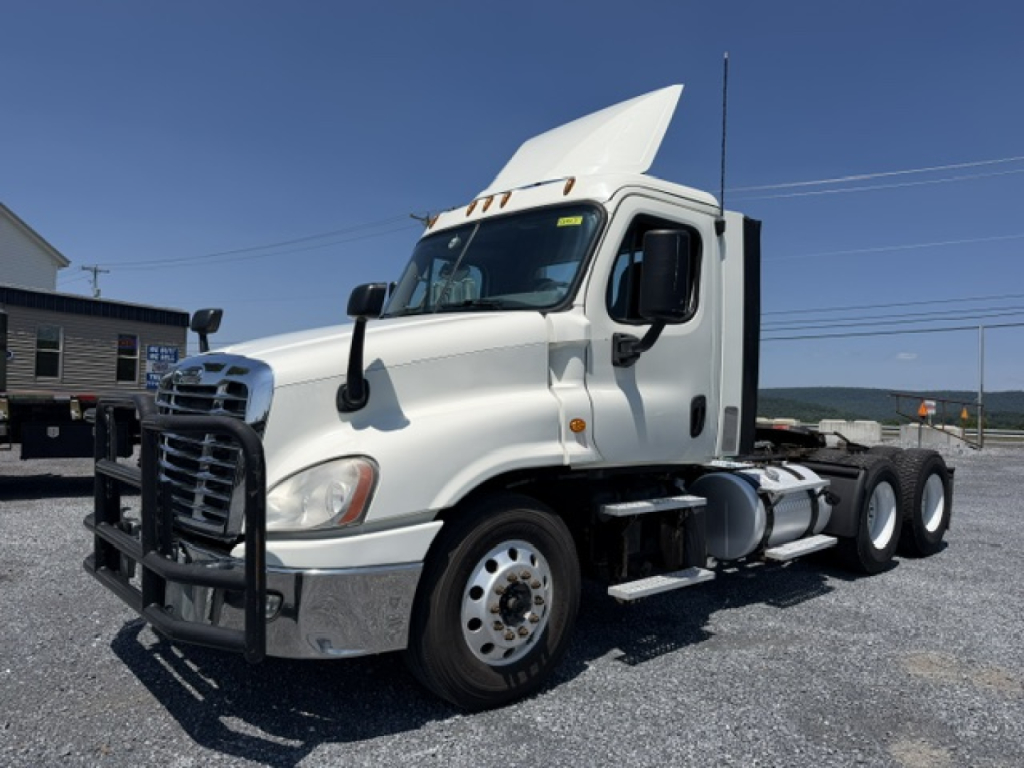
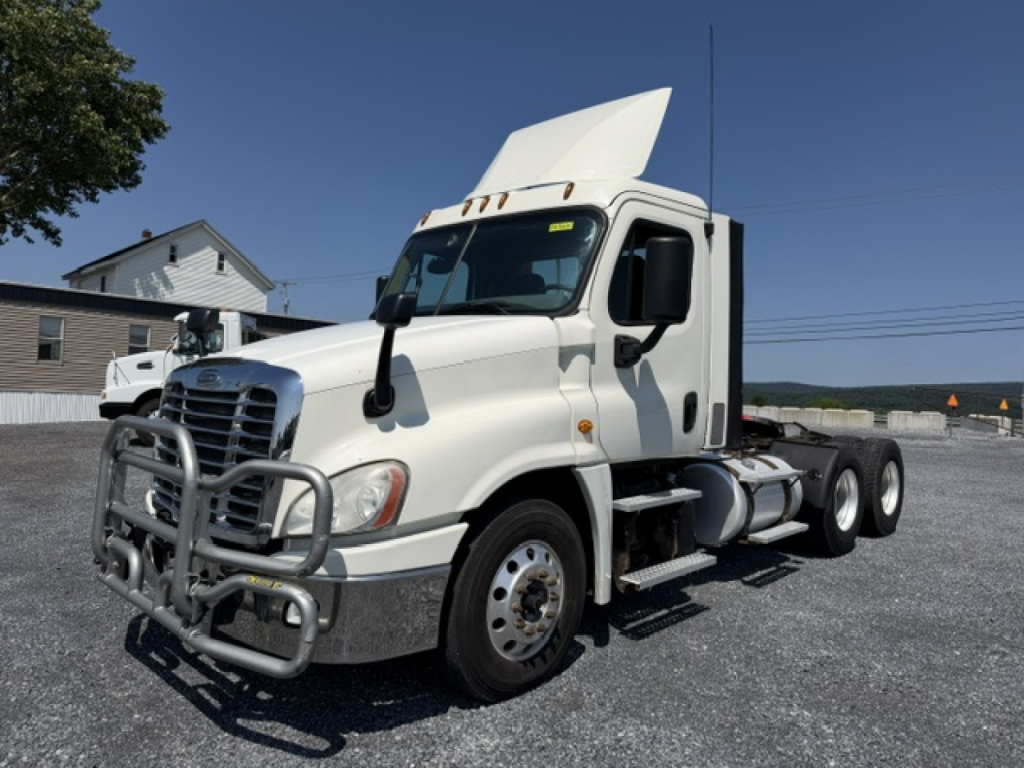
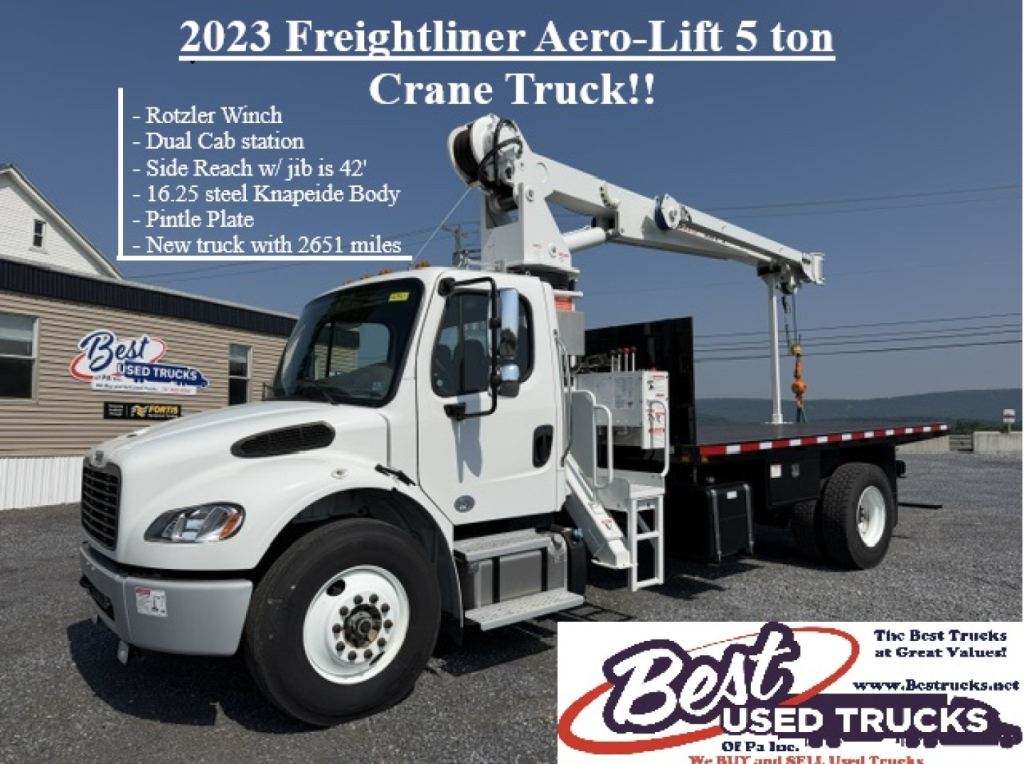
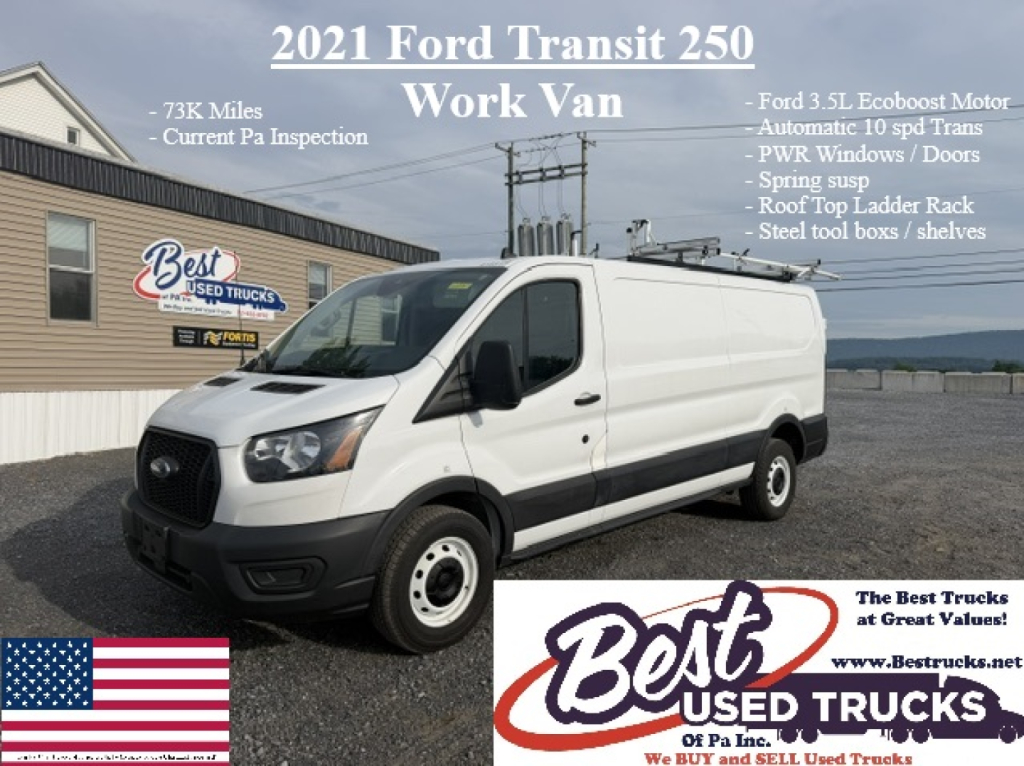


Showing 85 to 112 of 172 results
Have commercial truck to sell? List it here to reach thousands of buyers.
Commercial Trucks in Pennsylvania
Powertrain decisions drive total cost. A 13-liter with 1,550 to 1,750 lb-ft suits most regional freight; 15-liter torque in the 1,750 to 1,850 lb-ft range keeps heavy loads on pace over mountain grades. Automated manual transmissions have become the default for fuel economy and consistent shifting on hills, while 13- and 18-speed manuals still appeal for vocational control. Match axle ratios to route speed and grade profile, not just mpg targets. Steer axles are commonly 12k to 13.2k with 40k tandems, but vocational builds often step up to heavier ratings. For traction in winter and on construction sites, prioritize inter-axle diff locks, driver-controlled wheel diff locks and aggressive rubber; 6x4 remains the common spec in this region.
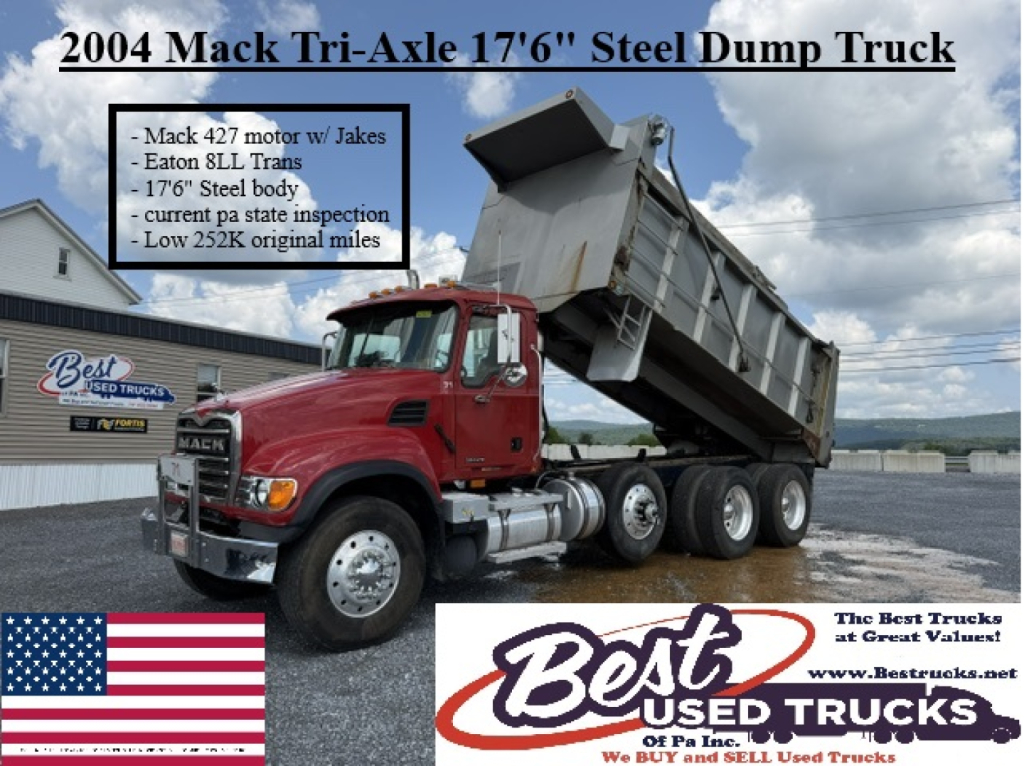
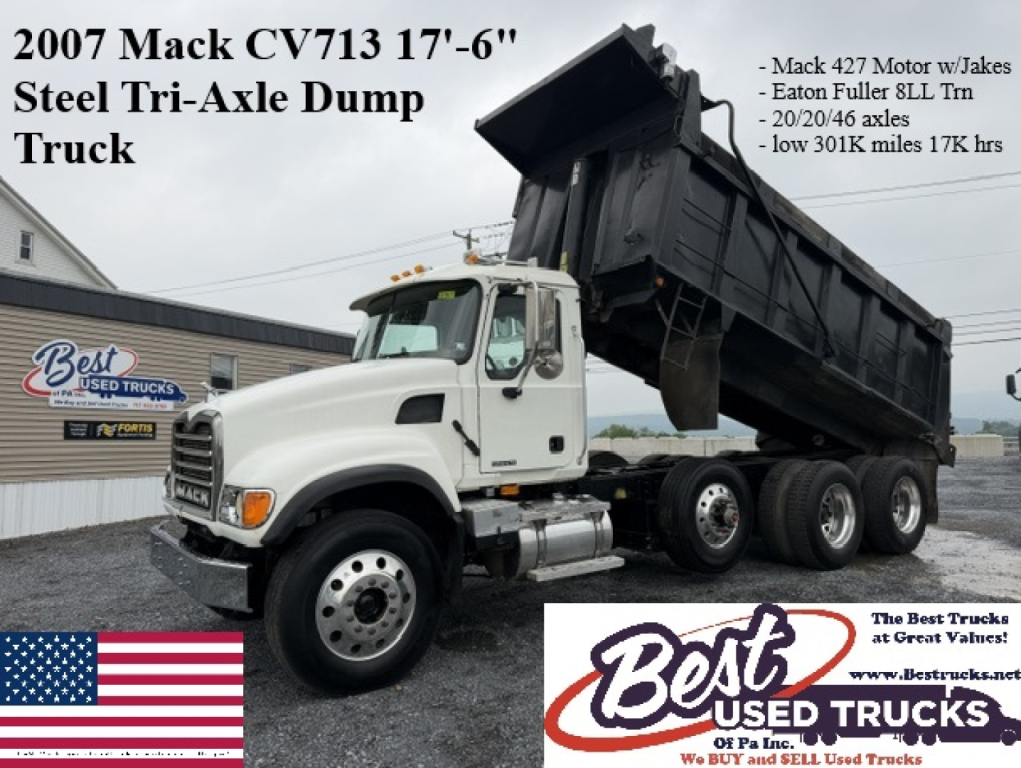
Vocational trucks are a Pennsylvania staple. Tri-axle and quad-axle dump trucks with lift axles are favored to balance payload with state bridge-formula requirements, and frames with double-rail inserts, high-tensile steel and crossmember reinforcements hold up to quarry and demolition work. Look for body specs like AR450 bed steel, high-lift gates, heated beds, central hydraulics and pintle packages for tag trailers. Refuse and roll-off units benefit from heavy front axles, wide-track steering, full-locking rears and heavy-duty cooling. Disc brakes are showing up more for fade resistance on hills, though many fleets still run 16.5-inch drum packages for simplicity and cost control.
Cold-weather prep pays off. Corrosion from salt and brine makes aluminum tanks and wheels, sealed wiring harnesses, stainless fasteners and undercoating smart upgrades. Block heaters, diesel-fired bunk heaters, robust air dryers and heated mirrors reduce downtime. If operating in cities with anti-idling rules, an APU or battery HVAC helps compliance while protecting aftertreatment. For last-mile box trucks, consider 24-26 foot bodies with liftgates, 102-inch width for pallet-friendly loading, and fuel-efficient AMTs for stop-and-go. Across the state, tire pressure monitoring, collision mitigation and lane-departure systems are increasingly standard, improving safety on busy corridors and in winter conditions.
Frequently Asked Questions about Commercial Trucks in Pennsylvania
What engine size and axle ratio work best for Pennsylvania’s hills?
For mixed highway and hilly terrain, a 13-liter with 1,550 to 1,750 lb-ft suits most freight, while heavy bulk or oversize grades favor a 15-liter with 1,750 to 1,850 lb-ft. Pair it with an axle ratio that keeps cruise rpm in the engine’s efficiency band at your typical turnpike speed, but still offers enough wheel torque for long climbs. Automated manuals help hold the right gear on grades, reducing driveline shock and fuel burn.
Are tri-axle and quad-axle dump trucks common in Pennsylvania?
Yes. Pennsylvania’s bridge-formula environment makes tri-axle and quad-axle dumps with lift axles popular to maximize legal payloads on state and local roads. When comparing units, check axle ratings, spacing, lift-axle controls, frame reinforcements, suspension type, body steel (AR400/AR450), and brake spec. Heated beds, high-lift tailgates and central hydraulics are valuable for winter and paving work.
How should I spec a truck for Pennsylvania winters and road salt?
Prioritize corrosion resistance and cold-start reliability. Look for sealed wiring harnesses, stainless or coated fasteners, aluminum tanks and wheels, undercoating, quality paint or e-coat frames, and easily serviced aftertreatment. Winter-friendly options include engine block heaters, diesel-fired bunk heaters, robust air dryers, heated mirrors, and aggressive drive tires with full or inter-axle diff locks. Regular washouts and chassis lubrication extend life.
Is an automated manual transmission better than a manual for regional work in PA?
For most regional and linehaul in Pennsylvania, automated manuals deliver lower fuel consumption, smoother hill climbs and less driver fatigue in traffic and on grades. Manuals still appeal in heavy vocational service where fine control at very low speeds is critical, but modern AMTs with off-road and creep modes have narrowed that gap while reducing clutch wear.
What should I look for in a day cab or box truck for urban deliveries in Philadelphia or Pittsburgh?
Focus on maneuverability and uptime. A shorter wheelbase, tight turning radius, good mirror packages and collision mitigation help in dense traffic. For box trucks, a 24–26 foot, 102-inch-wide body with a 3,000–5,000 lb liftgate and e-track is versatile for palletized freight. AMTs improve stop-and-go efficiency, and corrosion protection plus heated components reduce winter downtime.