
Pickup 4wd Trucks For Sale in Pennsylvania
Compare 4WD pickup trucks for sale in Pennsylvania. Learn cab, bed, GVWR, towing, engine, and drivetrain details that matter to buyers.
Learn moreBrowse Pickup 4wd Trucks by Make
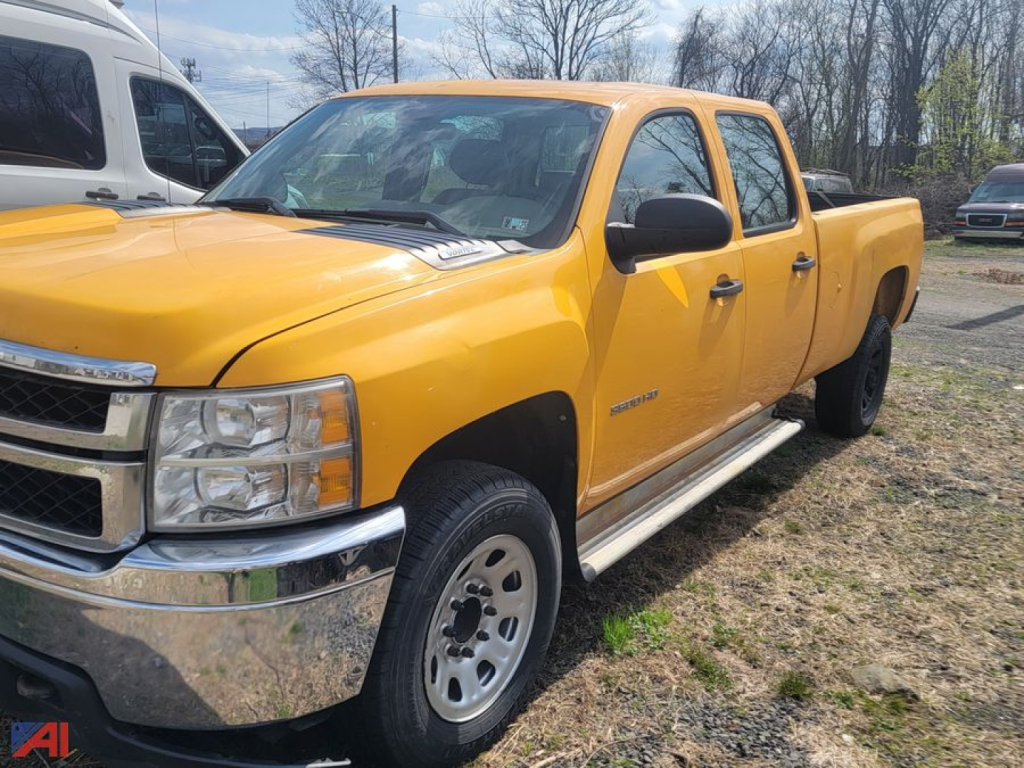
Have pickup 4wd truck to sell? List it here to reach thousands of buyers.
About Pickup 4wd Trucks in Pennsylvania
A pickup 4WD truck, also called a 4x4 pickup, is typically chosen for traction and versatility. Buyers should look closely at GVWR, axle ratings, transfer case type, gear ratio, wheelbase, bed length, and tire package. On heavier models, the difference between single rear wheel and dual rear wheel matters if towing stability or payload is the priority. Engine choice also changes the truck's job description. Gas engines usually cost less upfront and suit lighter annual miles, while diesel pickups are favored for higher torque output, long-distance towing, and better performance under sustained load. Transmission calibration, integrated trailer brake controls, exhaust brake availability, hitch prep, and cooling package are all worth checking if the truck will spend time with a skid steer, equipment trailer, or livestock trailer behind it.
Pennsylvania buyers also tend to care about rust, frame condition, and how the 4WD system has been used and maintained. Road salt can be harder on brake lines, rockers, cab corners, bedsides, and undercarriage components than engine hours alone suggest. A serious buyer should inspect spring hangers, shock mounts, crossmembers, transfer case operation, front differential seals, and steering and suspension wear, especially on trucks that have seen municipal work, plowing, or off-road service. If the truck will be a daily driver as well as a work unit, ride quality, fuel capacity, rear axle ratio, and parking practicality matter almost as much as tow rating.
The best 4WD pickup truck is the one spec'd for the work cycle. A contractor may want an 8-foot bed, higher payload, and upfitter switches. A farm operation may prioritize low-range capability, ground clearance, and easy trailer hookup. A municipal or utility buyer may focus on PTO compatibility, snowplow prep, and service history. Across this category, the strongest listings usually separate themselves by clean frame condition, documented maintenance, realistic mileage for the duty cycle, and a chassis spec that supports the intended load instead of operating at its limit.
Frequently Asked Questions
What should I check first when buying a used 4WD pickup truck in Pennsylvania?
Start with frame and underbody condition. In Pennsylvania, corrosion from road salt can be a bigger issue than mileage. Inspect brake lines, fuel lines, cab corners, rocker panels, bed mounts, spring hangers, crossmembers, and suspension attachment points. Then confirm that 4HI and 4LO engage properly, listen for front axle or transfer case noise, and review service records for transmission, differential, and cooling system maintenance.
What is the difference between a half-ton, 3/4-ton, and 1-ton 4WD pickup?
The difference is mainly in GVWR, axle capacity, suspension, brakes, payload, and towing ability. A half-ton is usually better for mixed personal and light commercial use. A 3/4-ton is a common middle ground for equipment trailers, heavier payloads, and tougher jobsite work. A 1-ton, especially in dual rear wheel form, is better suited to maximum payload and more stable heavy towing. Buyers should compare the actual door-sticker ratings, not just the badge on the fender.
Is a diesel 4WD pickup better than a gas 4WD pickup?
It depends on the duty cycle. Diesel pickups generally deliver stronger low-end torque, better performance with heavy trailers, and good efficiency under load, but they usually cost more to buy and maintain. Gas engines are simpler for many operators, often cost less upfront, and can make more sense for lower annual miles, lighter towing, and shorter trips. The right choice comes down to payload, trailer weight, route length, and maintenance budget.
Which cab and bed configuration is best for a work pickup?
That depends on how the truck is used. A crew cab gives the most interior room for crews and tools that need to stay secure, but it often comes with a longer wheelbase and reduced maneuverability in tight areas. A regular cab or extended cab can be easier to package with a longer bed for materials, toolboxes, or hitch clearance. Buyers should think about passenger count, trailer type, storage needs, and where the truck will be parked or turned around each day.
How important is axle ratio on a 4WD pickup truck?
Axle ratio has a direct effect on towing feel, launch under load, highway engine speed, and fuel consumption. A numerically higher ratio generally improves pulling power and low-speed response, which helps with trailers and steep grades, but it can raise engine rpm at cruising speed. A taller ratio may be better for lighter work and more highway use. The correct ratio should match the engine, transmission, tire size, and the truck's real workload.