
Day Cab Trucks For Sale in Pennsylvania
Browse day cab trucks for sale in Pennsylvania. Compare horsepower, wheelbase, axle ratings, transmissions, and fifth wheel specs.
Learn moreBrowse Day Cab Trucks by Make
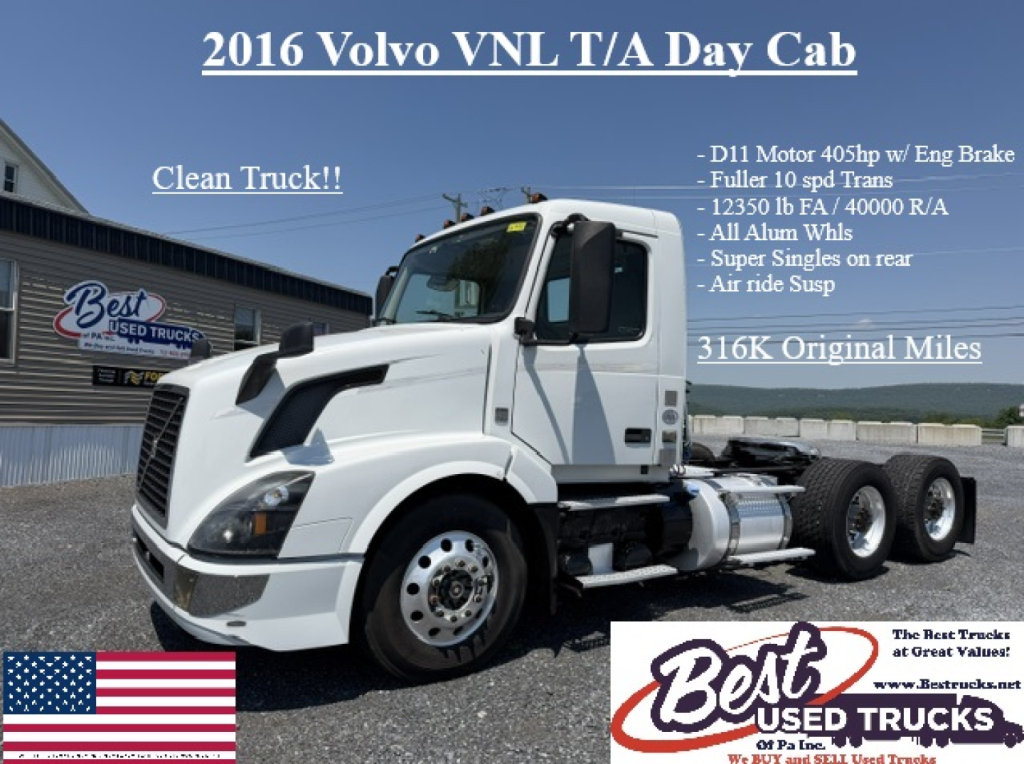
Have day cab truck to sell? List it here to reach thousands of buyers.
About Day Cab Trucks in Pennsylvania
For most buyers, the first decision is application. A tandem axle day cab with a 6x4 configuration is common for general freight, dump, tanker, and heavier regional pulling, while some specs are aimed more at weight-sensitive operations. Wheelbase matters because it affects bridge law compliance, turning radius, and trailer gap. In this category, you will commonly see wheelbases set up to balance maneuverability with ride quality and proper fifth wheel placement. Rear axle ratios and transmission choices also deserve close attention. A 10-speed manual remains common on used day cabs because it is straightforward and durable, but the right ratio and top gear should match the loads, terrain, and average road speed. Pennsylvania buyers should pay particular attention to engine brake performance, traction features like differential lock, and suspension type, especially for hilly routes and winter operation.
Engine and chassis specs vary widely, but many day cab trucks in this class are rated for up to 80,000-pound GVW with front axles in the 12,000 to 14,000-pound range and rear axles around 40,000 pounds. Horsepower often falls in the mid-300 to mid-400 range, depending on whether the truck is spec'd for van, flatbed, bulk, or vocational trailer work. Air-ride suspension is common for ride quality and freight protection, while steel setups still appear in harsher vocational service. Buyers should also inspect practical details that affect daily usability, including fuel capacity, tire size, wheel material, air slide fifth wheel function, wet line components for hydraulic trailer applications, and frame condition. A current inspection, documented engine work, and evidence of proper maintenance can matter as much as the badge on the hood.
A well-matched day cab should be evaluated as a working combination of engine, transmission, axle ratio, suspension, and wheelbase, not just by model year or mileage. In Pennsylvania, corrosion exposure, state inspection status, and how the truck was previously used can tell you a lot about long-term value. A truck that spent its life on short regional lanes may be a better fit than a higher-spec highway tractor converted to day cab service. Buyers comparing listings should focus on the operating profile first, then confirm the chassis and drivetrain are built to pull the trailer type, weight, and route conditions the job demands.
Frequently Asked Questions
What is a day cab truck used for?
A day cab truck is used for freight operations where the driver returns home or to a terminal the same day, so a sleeper berth is not needed. Common uses include regional hauling, local distribution, container drayage, dump trailer work, tanker service, and dedicated shuttle lanes. The shorter cab-to-axle layout improves maneuverability and reduces empty weight compared with a sleeper tractor, which makes it a practical choice for many Pennsylvania fleets and owner-operators running shorter routes.
What should I look for when buying a used day cab in Pennsylvania?
Focus on wheelbase, axle configuration, rear axle ratio, transmission type, fifth wheel placement, and suspension before looking at cosmetics. Pennsylvania buyers should also inspect frame and cab condition for rust or corrosion, verify current inspection status, and check whether the truck has engine brake, differential lock, and the right tire and axle ratings for local terrain and winter conditions. Service records, documented engine rebuilds, and evidence of proper maintenance are especially important on regional tractors that may have seen frequent stop-and-go duty.
Is a day cab better than a sleeper for regional hauling?
For many regional applications, a day cab is the better tool because it removes unnecessary sleeper weight, shortens overall length, and usually improves maneuverability in city traffic, terminals, and customer yards. It can also reduce some maintenance and operating costs. A sleeper still makes sense if routes regularly turn into overnight runs or if the driver needs rest accommodations on the road. The right choice depends on route length, customer locations, and how tightly the truck must maneuver.
What axle and drivetrain specs are common on day cab trucks?
Many day cab trucks are tandem axle tractors with 6x4 drivetrains, 40,000-pound rear axles, and engines in the 350 to 450 horsepower range. Manual 10-speed transmissions remain common in used inventory, though automated manuals are also seen in newer regional specs. Rear axle ratios vary based on intended use, with lower gearing often chosen for heavier loads and stop-and-go work, while faster ratios may suit lighter regional highway operation. Buyers should match the ratio, horsepower, and transmission to the trailer type and average gross weight.
Can a day cab be set up for hydraulic trailer work or specialized applications?
Yes. Many day cab tractors are configured for more than standard van or reefer pulling and may include wet line components, air slide fifth wheels, headache racks, pusher options, or other vocational features. That makes them common in dump, walking floor, lowboy, and bulk hauling operations. When comparing listings, confirm that the hydraulic plumbing, PTO provisions, frame spec, and axle ratings are correct for the equipment you plan to pull, because not every day cab is built for the same specialty work.