
Service/Utility Trucks For Sale in Pennsylvania
Browse service and utility trucks for sale in Pennsylvania. Compare body layouts, GVWR, storage, PTO options, and work-ready upfit features.
Learn moreBrowse Service/Utility Trucks by Make
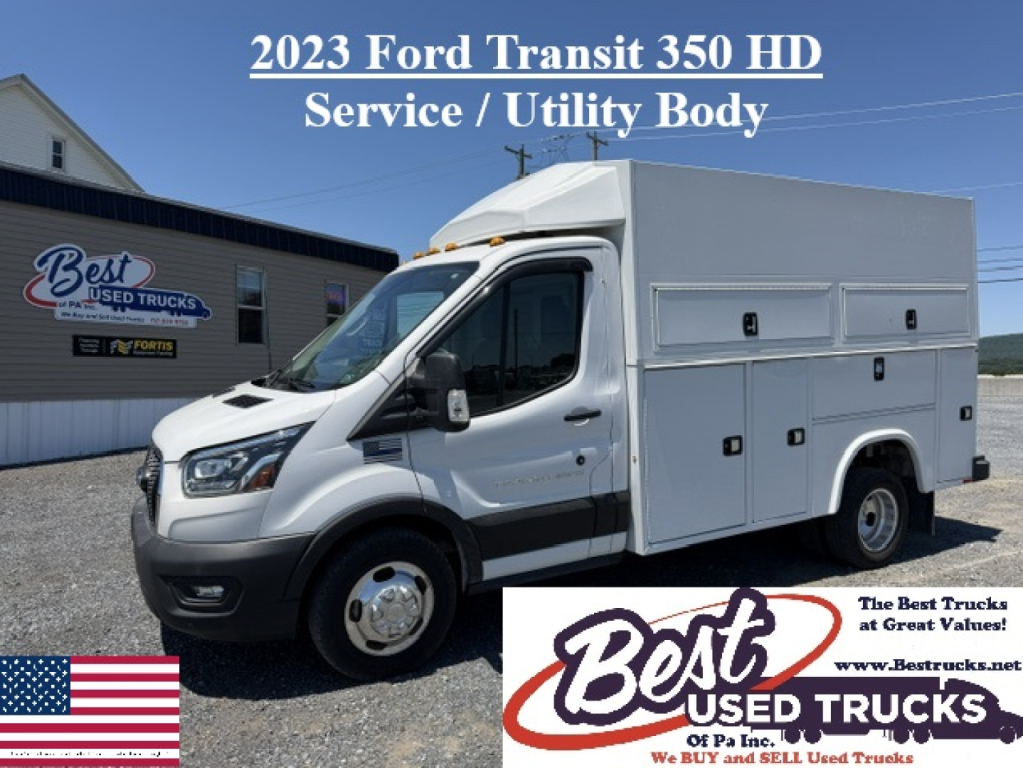
Have service/utility truck to sell? List it here to reach thousands of buyers.
About Service/Utility Trucks in Pennsylvania
A good service truck starts with the body. Steel utility bodies remain popular for durability and lower repair cost, while aluminum bodies help reduce curb weight and improve corrosion resistance, which matters on Pennsylvania roads exposed to winter salt and mixed seasonal conditions. Buyers should look closely at compartment depth, shelving layout, drawer packages, ladder or conduit racks, bumper style, trailer hitch rating, and whether the body has scuff protection, slam latches, remote locking, or LED compartment lighting. If the truck will support heavier field repair work, check crane compatibility, outrigger design, workbench space, welder mounts, air compressor installation, inverter capacity, and PTO provisions. For electric utility, telecom, HVAC, plumbing, municipal, and general contractor use, the right storage layout usually matters as much as engine or brand.
On the chassis side, important specs include GVWR, wheelbase, cab configuration, axle ratio, suspension type, and available powertrain. Gas engines are common on lighter service trucks and can make sense for local route work with lower annual miles. Diesel power is more common as body size, payload, towing demand, or PTO use increases. In Pennsylvania, many buyers also weigh two-wheel drive against four-wheel drive based on terrain, winter access, and unpaved jobsite conditions. Service bodies with utility beds tend to be shorter and easier to place in urban service work, while longer wheelbase units offer more enclosed storage and cleaner separation of tools, consumables, and parts inventory.
The best buying decision comes from matching the upfit to the daily trade. A fleet electrician may need secure enclosed compartments, ladder racks, and inverter power. A municipal department may prioritize towing, warning lights, and easy parts access. A mechanic truck may need crane rating, reinforced body structure, and compressor capacity. Pay attention to rust around body floors, compartment doors, hinges, latches, and understructure, especially in northern climates. Also review service records for PTO equipment, wiring quality, idle hours, and any signs of overloading. A well-spec'd service or utility truck improves technician efficiency, protects tools, and reduces time lost running back to the shop.
Frequently Asked Questions
What is the difference between a service truck and a utility truck?
The terms are often used interchangeably, but service truck usually refers to a work truck equipped for field repair, maintenance, or installation, while utility truck can describe a broader range of compartment-body trucks used by contractors, telecom crews, municipalities, and facility teams. Some buyers also use mechanic truck for units with cranes, compressors, and heavier-duty tool storage. The actual difference comes down to the body upfit, payload rating, and the type of onboard equipment installed.
What GVWR is best for a service or utility truck?
The right GVWR depends on the combined weight of the body, tools, parts, fluids, technicians, and any mounted equipment such as compressors or cranes. Lighter Class 3 and Class 4 trucks work well for electricians, plumbers, and general service applications where maneuverability matters. Class 5 through medium-duty trucks are a better fit when the truck must carry dense inventory, pull trailers regularly, or support PTO-driven accessories and crane work. Buyers should calculate real working payload, not just empty body weight.
Is an aluminum utility body better than a steel utility body?
Aluminum bodies reduce weight and resist corrosion well, which can be a major advantage in regions where roads are treated in winter. Steel bodies are typically favored for ruggedness, lower initial cost, and straightforward repair in hard-use fleet service. The better choice depends on payload goals, operating environment, and how long the truck will stay in service. In many applications, body design and build quality matter more than material alone.
What should I inspect on a used service or utility truck?
Start with the body structure, compartment floors, door alignment, latch condition, hinges, and underbody corrosion. Then inspect the chassis for suspension wear, brake condition, tire wear patterns, hitch wear, and signs the truck has been overloaded. If the truck has a crane, compressor, generator, inverter, or PTO system, verify operation and review maintenance history. Wiring quality is especially important on upfitted trucks because poor electrical work can create recurring downtime.
Are service trucks good for towing and trailer work?
Many service and utility trucks are set up to tow equipment trailers, small machinery, or support trailers, but towing capacity varies widely by chassis, axle ratio, hitch equipment, and body weight. A fully loaded utility body can consume a large portion of the truck's available capacity, so buyers need to consider payload and towing together. For frequent trailer work, look for the correct receiver rating, brake controller setup, cooling capacity, and a wheelbase that keeps the truck stable under load.