
Ford Service/Utility Trucks For Sale in Pennsylvania
Shop Ford service and utility trucks for work-ready body options, upfit flexibility, strong GVWR ranges, and easy maintenance for field service fleets.
Learn more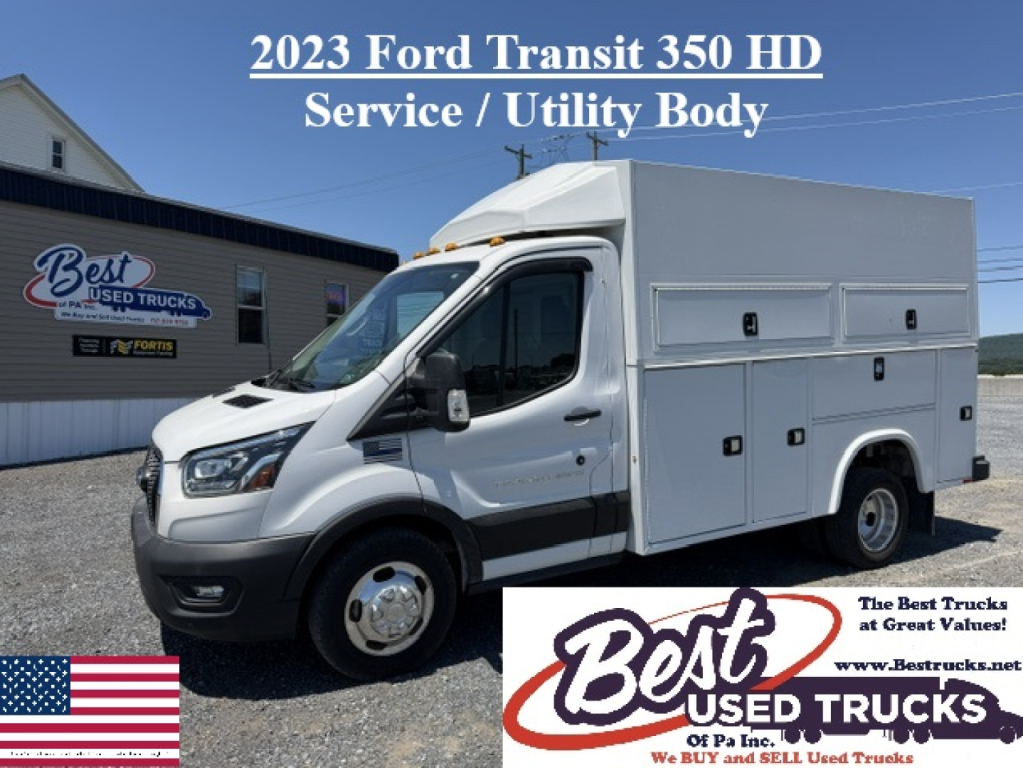
Have ford service/utility truck to sell? List it here to reach thousands of buyers.
About Ford Service/Utility Trucks in Pennsylvania
A big buying decision is whether the truck is built on a Transit, pickup, or cab chassis platform. Transit-based utility trucks are popular for tighter streets, lower step-in height, enclosed cargo security, and strong maneuverability in dense service areas. Super Duty-based configurations such as F-250, F-350, F-450, and chassis cab variants make more sense when payload, towing, PTO capability, crane compatibility, or larger service bodies are part of the job. Common powertrains include Ford gas V8 and EcoBoost gasoline engines, along with automatic transmissions matched to stop-and-go vocational use. Buyers should compare GVWR, rear axle ratings, wheelbase, body length, and whether the upfit includes items like inverter systems, compressor mounts, ladder racks, bulkheads, hitch equipment, or work benches.
The utility body itself deserves close inspection because upfit quality has a direct effect on long-term value. Steel bodies are common for hard-use fleets, while aluminum service bodies can reduce corrosion concerns and save weight. Useful features include locking side compartments, slam latches, LED compartment lighting, shelving, drawer units, scuff protection, roof racks, backup cameras, trailer brake controls, and auxiliary switches for added equipment. In a state like Pennsylvania, rust exposure matters, so buyers should pay attention to underbody condition, door seals, compartment floors, and the mounting method between body and chassis. Suspension condition, tire wear, brake life, and any signs of overload use are especially important on trucks that spend their lives carrying tools, fittings, generators, or parts inventory.
Ford service trucks are also attractive because parts support, dealer coverage, and fleet familiarity are strong across much of the market. For many operations, the right truck is the one that balances payload, storage efficiency, and service access without becoming oversized for the route. A lighter van-based utility truck may be the better answer for high-frequency service calls and parking-lot work, while a heavier Ford chassis with a full service body is better suited to utility contractors and crews that tow equipment or carry specialized gear every day. Comparing body design, axle capacity, and upfit details usually tells more than the badge alone.
Frequently Asked Questions
What is the difference between a Ford Transit utility truck and a Ford Super Duty service truck?
A Ford Transit utility truck is typically better for lighter payloads, tighter maneuvering, lower loading height, and enclosed service work in urban or suburban routes. A Ford Super Duty service truck is usually the better choice when the job requires higher GVWR, more axle capacity, towing, larger side-pack bodies, or compatibility with cranes, compressors, and other vocational equipment. The right platform depends on payload, storage needs, and the operating environment.
What should I inspect on a used Ford service or utility truck?
Start with the body and upfit, not just the cab and drivetrain. Check compartment doors, latches, seals, hinges, shelving mounts, body floors, and signs of corrosion around the utility body, mounting points, and undercarriage. Then review GVWR, axle ratings, suspension wear, brake condition, tire condition, and evidence of overloading or hard vocational use. Electrical accessories such as strobes, inverters, auxiliary switches, interior lighting, and backup cameras should also be tested because service trucks often rely on added wiring and aftermarket equipment.
Are Ford service trucks good for towing and heavier contractor work?
Many Ford service trucks are well suited for towing and contractor applications, but capability depends on the chassis. F-350, F-450, and cab chassis models generally offer the payload and tow ratings needed for heavier trailers, compressors, or equipment support. Transit-based utility trucks can handle service tools and lighter work efficiently, but they are not usually the first choice for sustained heavy towing or large-body upfits. Buyers should verify hitch rating, GCWR, rear axle rating, and body weight before assuming the truck will meet the job requirement.
Why does the utility body matter as much as the truck itself?
The utility body controls storage efficiency, jobsite access, and how safely tools and materials are organized. A well-designed body can reduce time spent searching for parts, improve weight distribution, and support specialized trades with shelving, drawers, ladder racks, and power access. Poor compartment design or a worn-upfit can limit the truck’s usefulness even if the chassis is mechanically sound. For most buyers in this category, body condition and layout are central to the purchase decision.