
Box Trucks For Sale in Pennsylvania
Browse box trucks for sale in Pennsylvania. Compare under-CDL and medium-duty straight trucks with liftgates, roll-up doors, and delivery-ready specs.
Learn more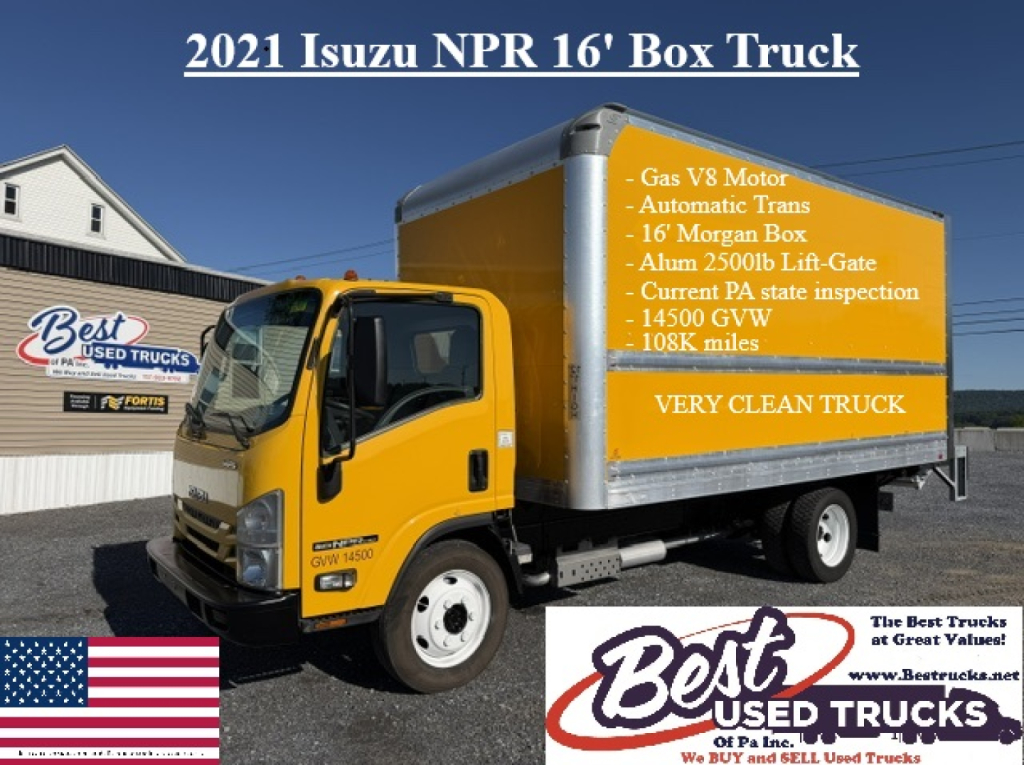
Have box truck to sell? List it here to reach thousands of buyers.
About Box Trucks in Pennsylvania
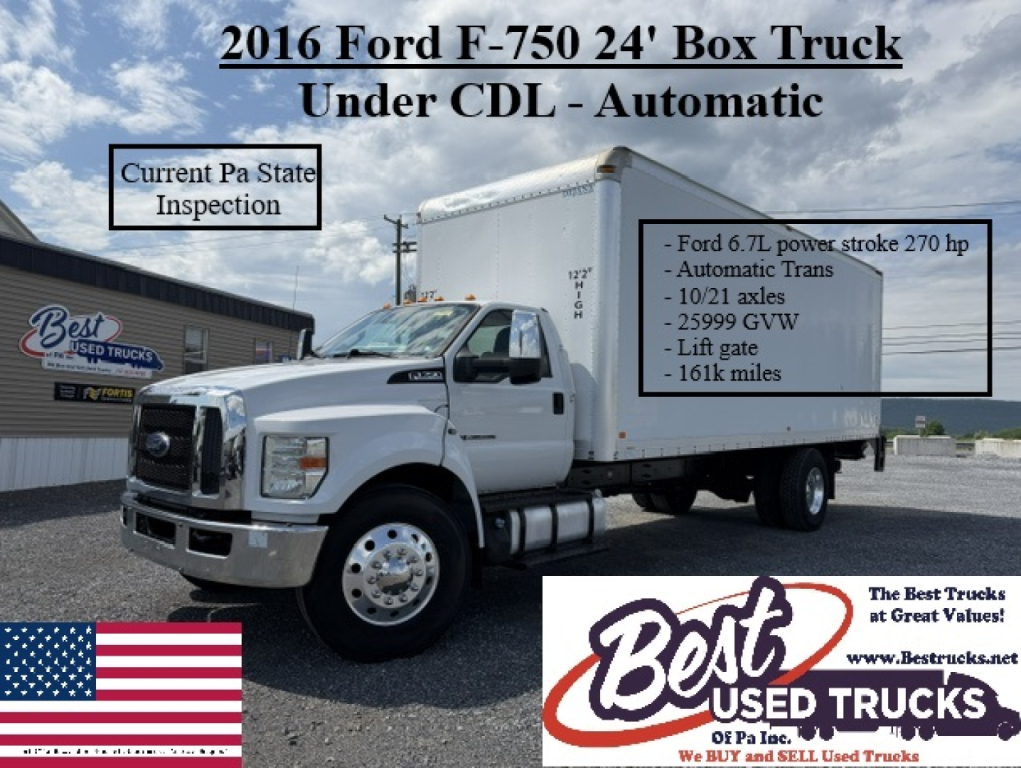
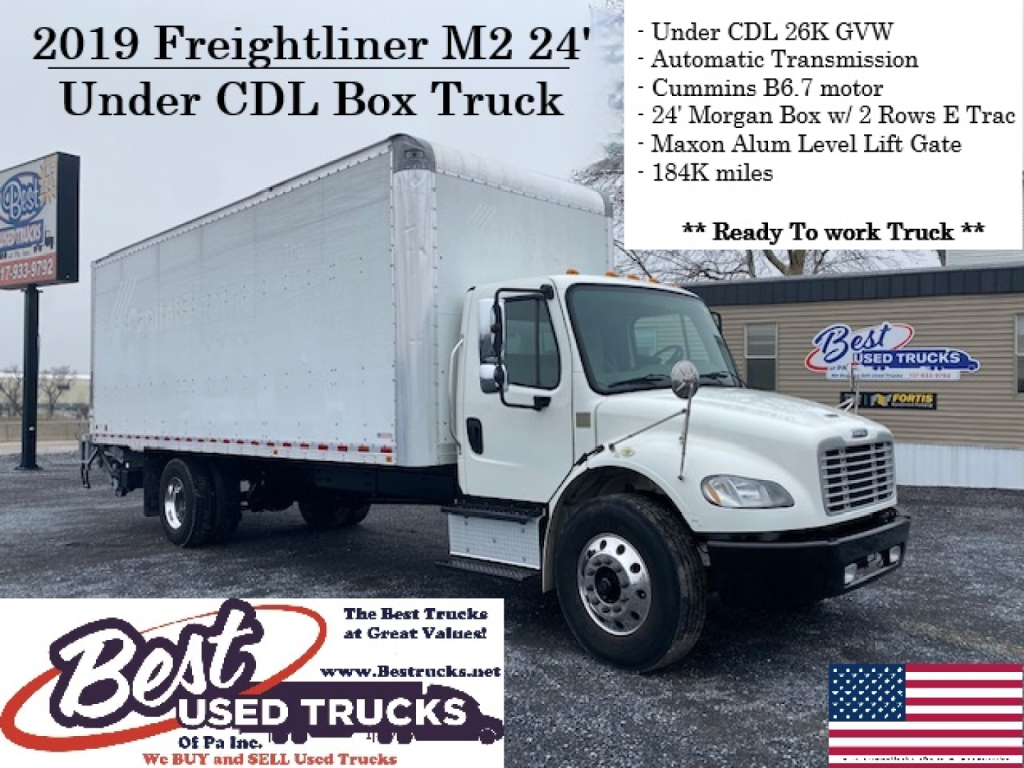
Body configuration matters as much as the chassis. Common box lengths range from 16 to 26 feet, with 16-foot bodies often seen on F-550 class trucks and 22- to 24-foot bodies common on Freightliner M2 106 style platforms. Look closely at rear door style, side access, interior cargo control, and liftgate capacity. A roll-up rear door is standard for frequent stop-and-go work, while curbside doors can speed hand unloading. Inside the body, E-track, wood scuff liners, and cargo lighting make a real difference for operators hauling mixed freight or furniture. Liftgates in the 2,000 to 3,000 lb range are typical and can be a major value point if your deliveries do not always have dock access.
On the chassis side, Pennsylvania buyers should pay attention to engine and transmission pairing, suspension, axle ratings, and tire size. Gas-powered Class 5 box trucks can be attractive for lower upfront cost and simpler maintenance, while diesel medium-duty trucks remain the standard for higher mileage routes and heavier payloads. Allison automatic transmissions are common in this segment because they hold up well in stop-and-go service. Air ride suspension is often preferred on 22- to 24-foot delivery trucks because it improves ride quality for cargo and driver comfort, while spring suspension remains common on lighter units. Rear axle ratio, wheelbase, and door opening height also affect how the truck performs in hills, city traffic, and loading environments.
A good box truck should match the freight, route density, and loading method, not just the price point. Check payload against actual axle ratings, not only published GVWR. Verify body condition for roof leaks, floor wear, and wall damage, especially around scuff areas and rear frame sections. For delivery fleets working year-round in Pennsylvania, details like current inspection status, rust exposure, liftgate operation, and tire condition can be just as important as mileage. Buyers comparing box trucks for sale should think in terms of total job fit: body size, under-CDL compliance, dock compatibility, cargo securement, and serviceability over the life of the truck.
Frequently Asked Questions
What is the difference between a box truck and a straight truck?
In most commercial truck listings, the terms box truck and straight truck are used interchangeably. Both describe a truck where the cab and cargo body are mounted on the same chassis, unlike a tractor-trailer combination. Buyers may also see the term cube van on lighter units. The key difference from other truck types is the enclosed cargo box, which protects freight from weather and theft and supports delivery work that requires secure, organized cargo space.
Is a 26,000 lb GVWR box truck considered under CDL?
A box truck rated at 26,000 lb GVWR is generally considered under CDL because the federal CDL threshold starts at 26,001 lb GVWR for a single vehicle in many standard applications. That makes 26,000 lb box trucks especially popular for local delivery and moving operations. Buyers still need to confirm how the truck will be used, because endorsements, air brake rules, state regulations, and company policies can still affect driver qualification requirements.
What body length is best for a box truck?
The best body length depends on the route and freight profile. A 16-foot box truck works well for tighter city deliveries, service businesses, and lighter payloads. A 22- or 24-foot box truck is a common choice for furniture, appliances, beverage delivery, and general freight because it offers substantially more cube without moving into a tractor-trailer setup. Buyers should match body length to dock access, turning space, parking constraints, and the actual dimensions of the cargo being hauled.
Should I choose a gas or diesel box truck?
Gas engines are often found in lighter Class 5 box trucks and can make sense for lower annual mileage, shorter routes, and buyers focused on lower initial purchase cost. Diesel engines are more common in medium-duty box trucks because they typically offer better torque, longer service life in heavy use, and stronger performance with larger bodies and payloads. The right choice depends on route length, daily stop count, maintenance capability, and how close the truck will regularly run to its weight limits.
What features should I look for in a used box truck?
The most important features are the ones that affect loading efficiency, cargo protection, and long-term operating cost. Buyers should evaluate GVWR, axle ratings, wheelbase, suspension type, engine and transmission, and body length first. Then inspect practical equipment such as a liftgate, roll-up rear door, side door access, E-track, scuff liners, cargo lighting, and tire condition. On used units, body leaks, floor damage, rust, liftgate function, and maintenance history often matter more than cosmetic appearance.