
Used Passenger Van Trucks For Sale in Massachusetts
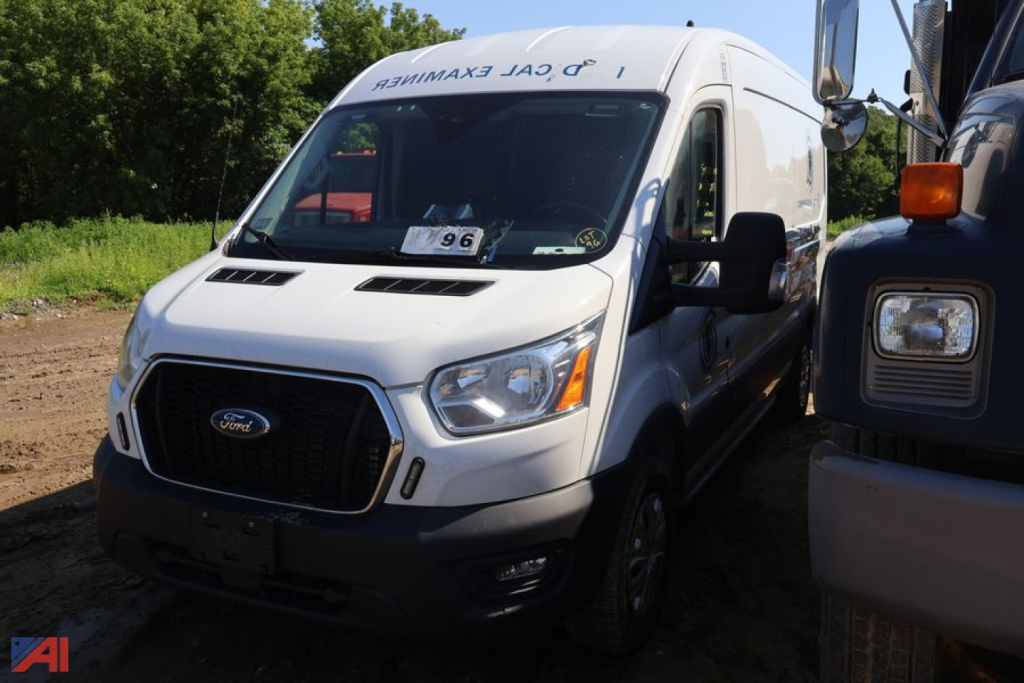

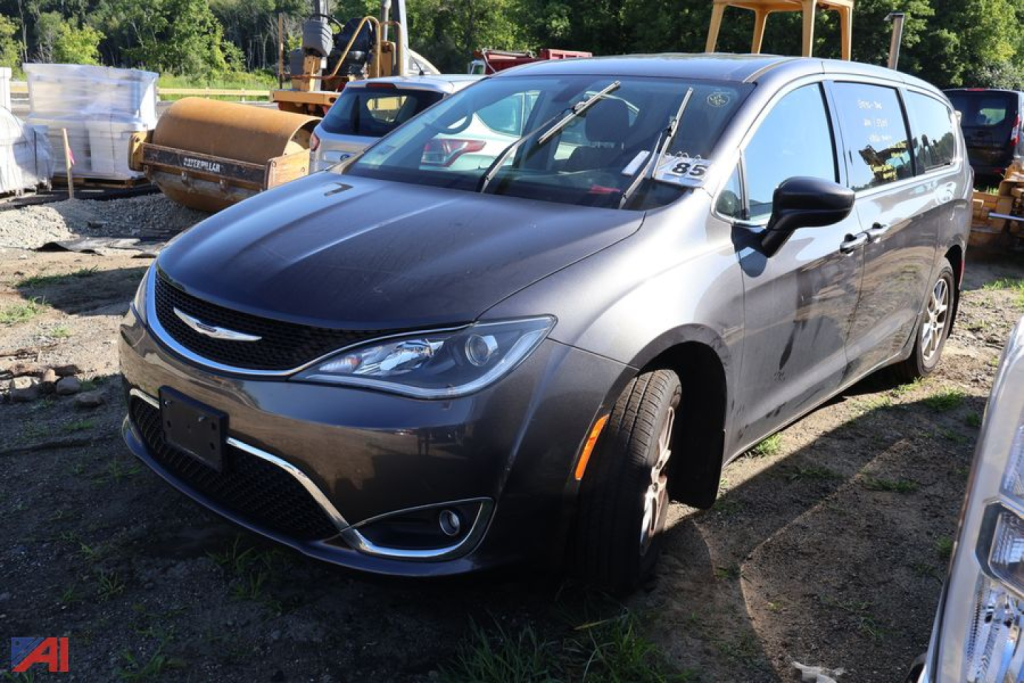
Have used passenger van truck to sell? List it here to reach thousands of buyers.
Used Passenger Van Trucks in Massachusetts
The most important spec is seating capacity relative to your application. Many passenger vans are configured for 7, 8, 12, or 15 passengers, and the difference affects insurance, registration, driver requirements, and access in tight urban areas. Minivan-style passenger vans are easier to park, easier to load, and generally better suited for mixed passenger-and-cargo use. Full-size vans offer higher occupant capacity and more interior volume, but they demand closer attention to wheelbase, roof height, rear HVAC performance, and step-in height. Sliding side doors, removable or fold-flat rear seating, power access features, and multiple LATCH or tether points can also matter depending on whether the van will serve families, care providers, or institutional transport.
For a used passenger van, condition matters more than brand preference alone. Check for rust on rocker panels, subframes, sliding door tracks, brake and fuel lines, and rear suspension mounting points, especially in a Northeast climate with road salt exposure. Review service records for transmission work, cooling system maintenance, brakes, tires, and power door components. Interior wear tells you a lot about prior use. Seat tracks, belt retractors, rear climate controls, flooring, and liftgate hardware should all be inspected carefully. If the van will handle frequent stop-and-go service, pay close attention to idle quality, steering feel, front suspension noise, and HVAC output in both front and rear passenger areas.
A good used passenger van should match route length, passenger count, and loading frequency without forcing you into more vehicle than you need. Front-wheel-drive minivans are common for buyers who want lower step-in height, car-like driving manners, and better maneuverability in city traffic. Larger rear-wheel-drive vans can make more sense for heavier group transport and commercial duty cycles. The best buying decision usually comes down to practical details: usable seat access, cargo room behind the last row, maintenance history, and how well the van fits Massachusetts road conditions, parking constraints, and year-round fleet needs.
Frequently Asked Questions about Used Passenger Van Trucks in Massachusetts
What should I look for first when buying a used passenger van?
Start with seating capacity, service history, and corrosion condition. A used passenger van needs to fit your real passenger count without overbuying, and it should have clear maintenance records for brakes, tires, transmission service, and cooling system work. In Massachusetts, rust inspection is especially important on the underbody, rocker panels, brake lines, door tracks, and suspension mounting points because winter road salt can shorten vehicle life if corrosion is advanced.
Are minivans and full-size passenger vans suited for different jobs?
Yes. Minivan-based passenger vans are typically better for lower passenger counts, urban driving, family transport, social service work, and operations that need easier parking and lower step-in height. Full-size passenger vans are better for higher-capacity shuttle work, larger crews, and applications that need more interior volume. The tradeoff is that full-size vans usually take more room to maneuver and may carry higher operating costs.
How many passengers can a passenger van legally carry?
Passenger capacity depends on the factory seating configuration and the vehicle's original design. Common layouts include 7- or 8-passenger minivans and 12- or 15-passenger full-size vans. Buyers should confirm the door-jamb rating, installed seat count, seat belt count, and any state registration or insurance requirements before putting the van into service. If the van will be used for commercial or institutional transport, local and federal compliance standards may also apply.
What mechanical issues are common on used passenger vans?
Common concerns include transmission wear, sliding door motor or track problems, front suspension noise, brake wear from stop-and-go use, rear HVAC issues, and uneven tire wear caused by alignment or suspension problems. On higher-mileage units, buyers should also check engine mounts, wheel bearings, cooling system components, and electrical accessories tied to power doors, liftgates, and climate controls. A thorough pre-purchase inspection is worth the cost because passenger comfort and reliability both depend on systems that are expensive to ignore.
Is all-wheel drive important on a used passenger van in Massachusetts?
All-wheel drive can be valuable for buyers dealing with snow, steep driveways, and winter service routes, especially in a minivan platform. That said, front-wheel drive remains common and works well for many passenger van applications when paired with proper tires and good maintenance. The better question is how the van will be used. If it will run daily through winter weather with passengers on board, traction, tire quality, and brake condition deserve as much attention as drivetrain choice.