
2008 Passenger Van Trucks For Sale
Have 2008 passenger van truck to sell? List it here to reach thousands of buyers.
2008 Passenger Van Trucks
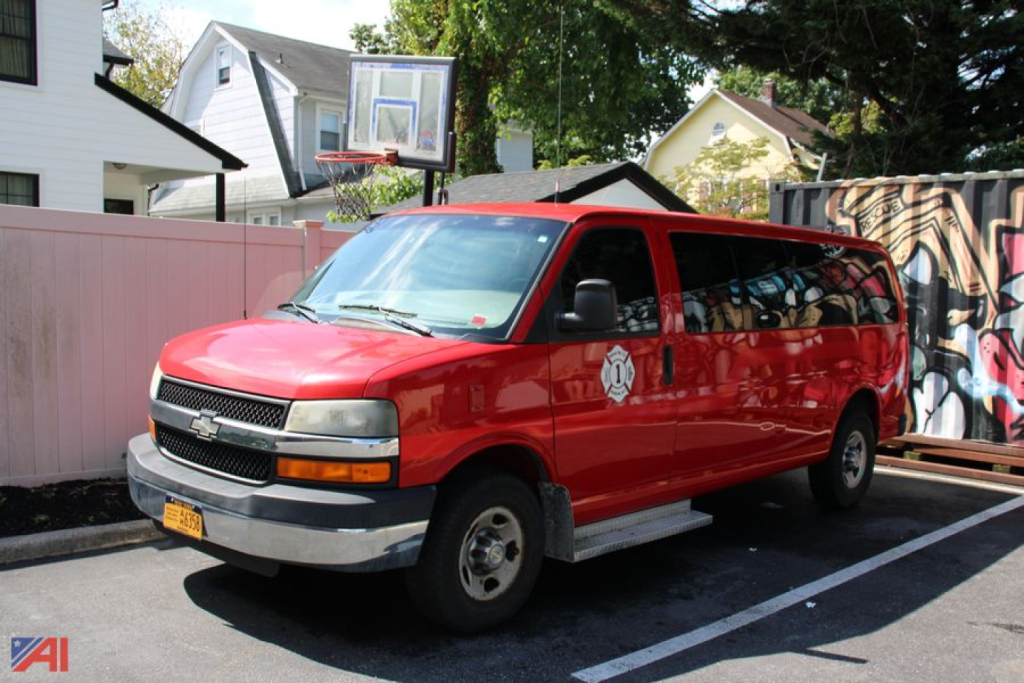
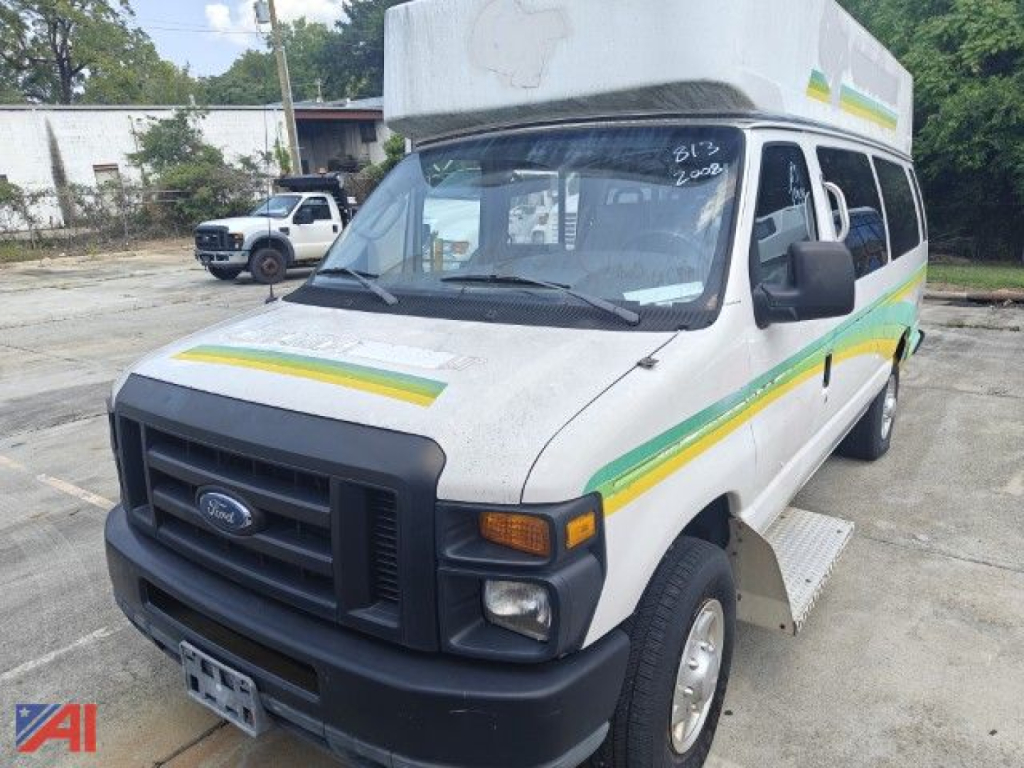
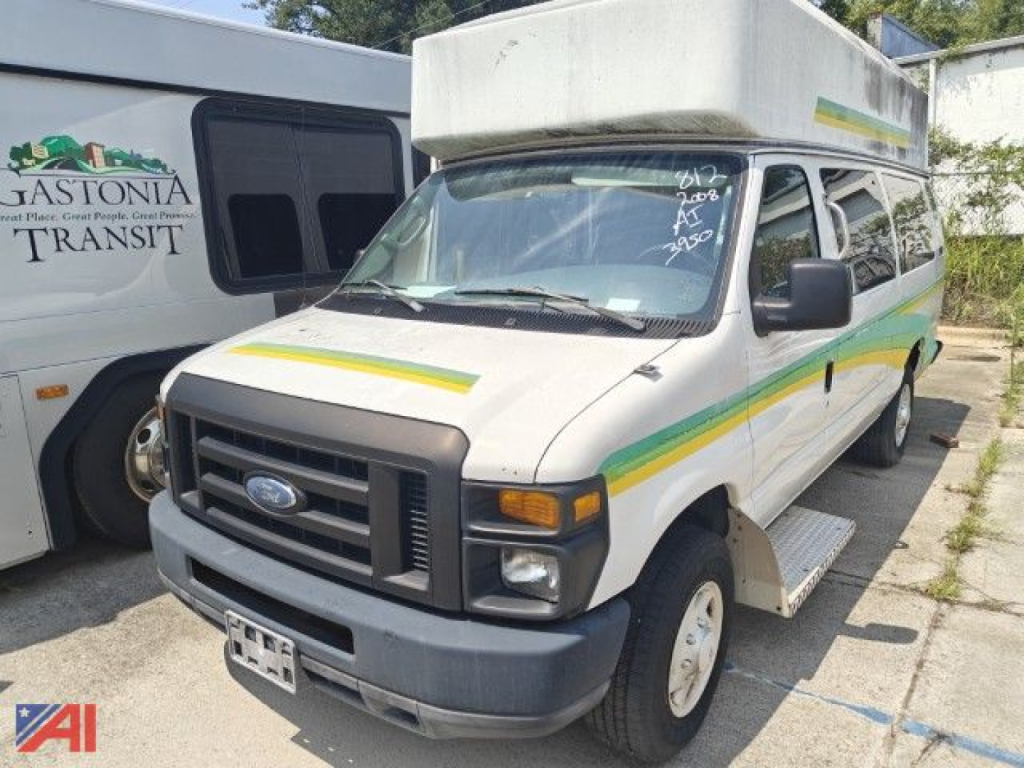
In the 2008 model year, the market is largely centered around proven gasoline V8 platforms, with some fleets preferring diesel where available for higher-mileage duty cycles. Ford E-Series vans from this period are known for straightforward serviceability and wide parts support, while Chevrolet Express models are valued for durable drivetrains and familiar fleet maintenance requirements. Buyers should pay close attention to wheelbase, roof height, and body length because those factors affect turning radius, ride quality, parking, and interior legroom. A long-wheelbase 12-passenger or 15-passenger van can fit the route, but it may not fit every driver, parking area, or facility entrance. If the van will spend time in urban pickup zones, school lots, or hotel loops, maneuverability can be just as important as passenger count.
Condition evaluation on a used 2008 passenger van should focus heavily on commercial wear points. Check seat mounts, seat belts, step wells, side and rear doors, hinges, glass, and rear HVAC operation. Inspect the front suspension, steering components, transmission shift quality, driveline vibration, and signs of rust on rocker panels, door bottoms, brake lines, and underbody crossmembers. Many vans in this category come out of fleet, school, church, or government service, so idle hours, stop-and-go use, and deferred cosmetic repairs are common. A clean service history is especially valuable on older passenger vans because cooling system upkeep, brake service, and regular transmission maintenance have a direct effect on long-term operating cost.
For buyers comparing 2008 passenger van trucks for sale, the best value usually comes from matching the van to the route rather than chasing the highest seat count. A lighter passenger load with luggage may call for different priorities than a short local shuttle running multiple stops per day. Rear air, tow capacity, dual rear wheels on some heavier configurations, and easy access to replacement parts can all influence total ownership cost. If the van will be used for regulated passenger transportation, confirm seating compliance, emergency exit requirements, state inspection standards, and any CDL or commercial insurance implications before purchase. In this category, the right unit is the one that balances passenger capacity, mechanical simplicity, and predictable upkeep.
Frequently Asked Questions about 2008 Passenger Van Trucks
What should I look for first on a 2008 passenger van?
Start with seating configuration, GVWR, and overall mechanical condition. A 2008 passenger van may look similar across brands, but brake condition, suspension wear, tire age, rear HVAC performance, and door operation have a major effect on safe passenger service. Buyers should also review maintenance records for transmission service, cooling system work, and front-end repairs, especially on vans that spent years in shuttle or municipal duty.
How many passengers does a 2008 passenger van usually seat?
Most 2008 passenger vans in this class are set up for 8, 12, or 15 passengers, depending on wheelbase, body configuration, and chassis rating. Ford E-350 and Chevrolet Express 3500 models are common choices for higher-capacity layouts. Actual legal capacity can depend on seat spacing, restraint equipment, and local regulations, so the installed seating should always be verified rather than assumed from the model name alone.
Are 2008 Ford E-350 and Chevrolet Express passenger vans good fleet choices?
They remain common fleet choices because both platforms are well known, widely supported, and relatively straightforward to service. The Ford E-Series has long been popular with school, church, and paratransit operators, while the Chevrolet Express is common in shuttle and institutional service. The better buy usually comes down to maintenance history, rust condition, drivetrain performance, and how the van was used, not just brand preference.
Do I need a CDL to operate a 2008 passenger van?
It depends on seating capacity, how the vehicle is used, and state or federal rules that apply to your operation. Some passenger vans can trigger CDL requirements when they are configured to transport a certain number of occupants, including the driver, or when they are used in regulated commercial or school-related service. Buyers should confirm licensing, insurance, inspection, and safety compliance requirements before putting any passenger van into service.
What are the most common problem areas on older passenger vans?
Common trouble spots include rust, worn front suspension parts, brake wear, weak rear air conditioning, transmission issues from repeated stop-and-go service, and damage around door latches or step areas. Seat belts, seat bases, and interior trim can also show heavy commercial use. On any 2008 passenger van, these condition items are often more important than mileage alone because many fleet units accumulate wear through idle time, frequent loading cycles, and short-route operation.