
International Packer Trucks For Sale
Browse International packer trucks built for refuse collection, municipal service, and route work with durable chassis and body options.
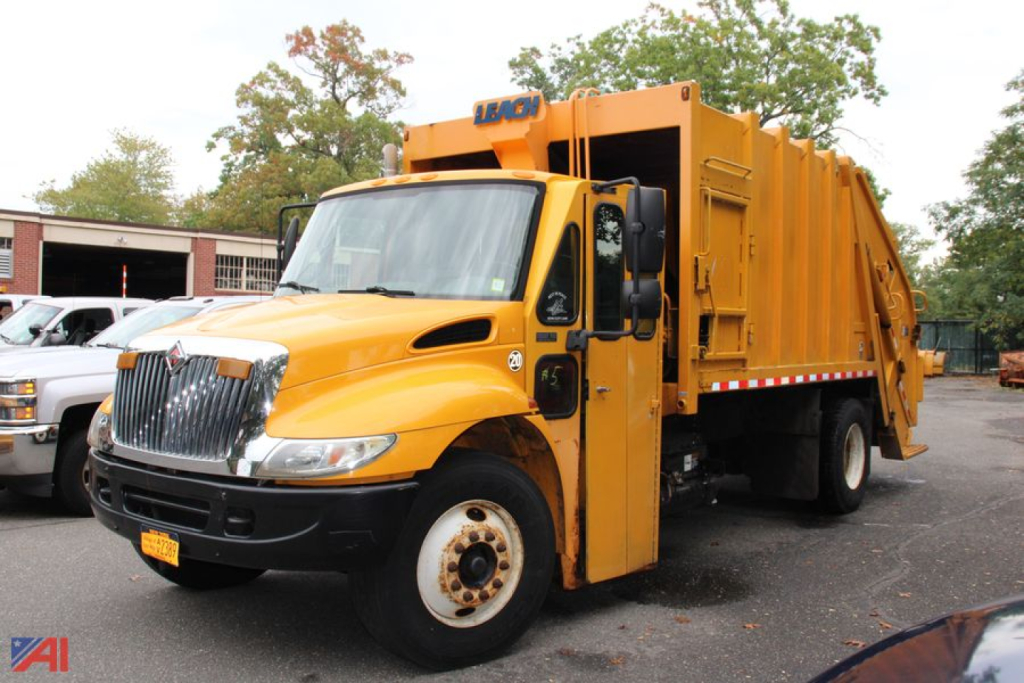
Selling a international packer truck? List your international packer truck for sale and reach thousands of commercial buyers.
International Packer Trucks
The most important buying decision is matching the body configuration to the route. Rear loaders are common for residential and manual pickup applications, while automated side loaders are often used on municipal cart routes. Front loaders are more common in commercial dumpster service. Common specs include GVWR, axle ratings, wheelbase, hopper size, body capacity in cubic yards, compaction ratio, and PTO-driven hydraulic performance. On International chassis, buyers should pay close attention to engine hours, transmission type, rear axle ratio, and how well the chassis is matched to the packer body’s hydraulic demand. Tight turning radius, cab visibility, and suspension durability matter just as much as engine power on dense urban routes.
Condition matters more on a packer truck than on many other truck classes because refuse service creates wear at both the chassis and body. A serious buyer should inspect the hopper, packer panel, ejector system, tailgate seals, body floor, and hydraulic cylinders for cracks, leaks, corrosion, and weld repairs. Check for frame rust, PTO engagement quality, pump noise, and signs of hard use around the tailgate and cart tipper areas. Electrical issues are also common on older refuse units due to frequent exposure to moisture, washdowns, and route vibration. If the truck is intended for municipal or contracted fleet service, it is smart to confirm body manufacturer support, replacement cylinder availability, and compatibility with existing carts or container systems.
International packer trucks are often chosen by municipalities, waste contractors, campuses, and industrial facilities that need a chassis with severe-duty capability and familiar serviceability. The best unit is not just the newest truck. It is the one with the right body style, legal axle capacity, hydraulic condition, and route fit. For buyers comparing multiple listings, the most useful details are body manufacturer, loader type, cubic yard capacity, engine and transmission setup, maintenance history, and evidence of structural repairs. Those factors tell you far more than model year alone.
Frequently Asked Questions about International Packer Trucks
What is an International packer truck used for?
An International packer truck is used for refuse collection and waste compaction on residential, commercial, institutional, and municipal routes. Depending on the body type, it can handle manual pickup, automated cart service, or commercial container collection. The International chassis is commonly selected for severe-duty stop-and-go service where durability, visibility, and service access are important.
What should I inspect first on a used International packer truck?
Start with the body and hydraulic system because those components often determine the truck’s true remaining value. Inspect the hopper, packer blade or panel, ejector, floor, tailgate, cylinders, hoses, PTO operation, and pump performance. Then move to the chassis and check frame condition, axle ratings, steering wear, brake condition, engine hours, and transmission operation. Refuse trucks can look acceptable cosmetically while hiding expensive structural or hydraulic wear.
What body styles are common on International packer trucks?
The most common body styles are rear loader, side loader, and front loader. Rear loaders are widely used for residential routes and manual collection. Automated side loaders are common in municipal cart programs because they improve route efficiency and reduce manual handling. Front loaders are typically used for commercial dumpster service. The right choice depends on route density, labor model, container type, and disposal cycle.
Why is the International WorkStar 7500 common in packer truck applications?
The International WorkStar 7500 is common in packer truck service because it was designed for severe-duty vocational work. It typically offers a strong frame, suitable axle capacities, a cab layout that works well in urban routes, and compatibility with a wide range of refuse bodies. That makes it a practical platform for municipalities and contractors that need a chassis capable of handling repeated stops, PTO-driven hydraulic work, and heavy payload cycles.
How do I choose the right size packer truck for my operation?
Match the truck to payload, route type, disposal distance, and legal axle capacity. Cubic yard capacity alone is not enough because refuse density varies widely by route. A buyer should compare GVWR, front and rear axle ratings, wheelbase, body capacity, compaction ratio, and loader style. A truck that is too small increases dump trips, while one that is too large may be inefficient on tight urban or residential routes.